
In today’s digital-first world, law firms and medical practices must establish a strong online presence to stay competitive. Search Engine Optimization (SEO) is no longer optional—it’s essential. Whether you're a personal injury attorney or a family medicine clinic, this comprehensive SEO guide will help you optimize your website, rank higher on Google, and attract the right clients.
Why SEO Matters for Law Firms and Medical Practices
1. High Competition
Both legal and healthcare sectors are highly competitive. Clients often turn to search engines like Google to find nearby legal or medical assistance.
2. Trust and Credibility
Top rankings in search results give your business more credibility. People trust websites that appear on the first page.
3. Local Search Is Critical
Over 75% of people searching for legal or medical help are looking for a local provider. Without local SEO, you're missing a significant share of potential clients.
SEO Fundamentals: Key Areas of Focus
1. Keyword Research
Targeting the right keywords is the foundation of any SEO strategy.
For Law Firms:
- “Best personal injury lawyer in [city]”
- “Divorce attorney near me”
- “Criminal defense lawyer free consultation”
For Medical Practices:
- “Pediatrician in [city]”
- “Urgent care clinic near me”
- “Dermatologist for acne treatment”
Use tools like Google Keyword Planner, Ahrefs, or Ubersuggest to find high-intent, low-competition keywords.
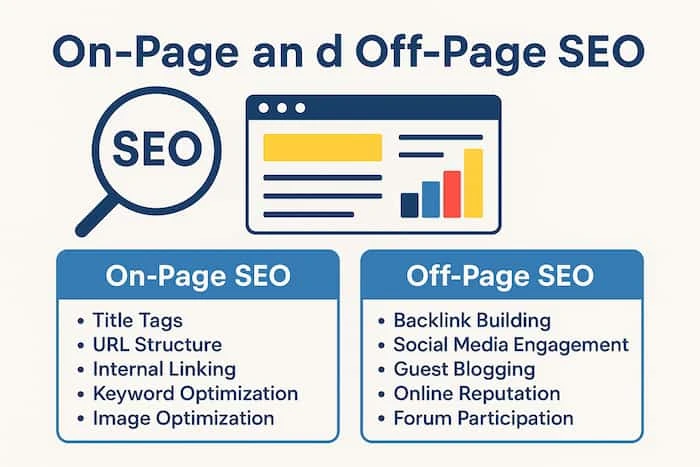
2. On-Page SEO
Ensure every page on your site is optimized:
- Title Tags: Include main keywords + location
- Example: “Experienced Family Law Attorney in Chicago | Smith Legal”
- Meta Descriptions: Keep it under 160 characters, compelling, and keyword-rich.
- Example: “Looking for a trusted family doctor in Miami? Book an appointment today with our experienced medical team.”
- Header Tags (H1, H2, etc.): Structure your content properly with keyword-focused headers.
- Image Optimization: Use descriptive file names and alt text.
- E.g., “injury-law-consultation.jpg” with alt: “Personal injury consultation in Houston”
- Internal Linking: Link between relevant blog posts or services pages to help search engines crawl and users navigate.
3. Local SEO Optimization
Set Up and Optimize Google Business Profile (GBP):
- Claim your listing
- Add correct NAP (Name, Address, Phone)
- Choose relevant categories (e.g., "Law Firm", "Medical Clinic")
- Add photos, business hours, and a compelling description
- Encourage clients to leave reviews
Local Directories:
- List your business on platforms like Yelp, Healthgrades, Avvo, Justia, and RateMDs.
- Ensure consistent NAP across all listings.
Local Landing Pages:
Create location-specific pages if you serve multiple cities or areas.
4. Content Marketing for Authority & Trust
For Law Firms:
- Legal guides (e.g., “What to Do After a Car Accident in Texas”)
- Case studies and client success stories
- Blog posts explaining legal jargon
For Medical Practices:
- Health tips (e.g., “How to Manage Diabetes Effectively”)
- FAQs on treatments and procedures
- Seasonal advice (e.g., flu prevention)
Consistency is key. Publish high-quality, informative content that addresses your audience’s needs.
5. Technical SEO
- Mobile Optimization: Most searches are mobile; your site must be responsive.
- Site Speed: Use tools like Google PageSpeed Insights to improve load times.
- Secure Site: Make sure your website is HTTPS-secured.
- Schema Markup: Use medical and legal schema to enhance search visibility (e.g., ratings, FAQs, practice areas).
6. Backlink Building
High-authority backlinks signal trust to search engines.
How to Get Backlinks:
- Write guest posts for law or health blogs
- Partner with local news outlets
- Get listed in legal and health directories
- Sponsor local events or charities (they often link to your website)
7. Track Your Performance
Use the following tools:
- Google Analytics – Track user behavior and goals
- Google Search Console – Monitor indexing and performance
- SEMRush / Ahrefs / Moz – Analyze keyword rankings and backlinks
Final Tips for SEO Success
✅ Be consistent with content updates
✅ Focus on user experience and clear navigation
✅ Prioritize fast, mobile-friendly design
✅ Build trust with reviews and testimonials
✅ Always follow Google’s E-E-A-T guidelines (Experience, Expertise, Authoritativeness, Trustworthiness)
Conclusion
Whether you're running a busy medical clinic or a law firm, SEO can dramatically improve your online visibility, drive qualified traffic, and help you grow sustainably. By applying the strategies in this guide, you'll not only rank higher in search results but also establish authority and trust in your local community.
Start optimizing today—because your next client is already searching for you online.
For more valuable information, visit our website FutureFlick



























Sign in to leave a comment.