
Setting up a weather station for kids can be a fun and educational project that helps them learn about weather patterns, science, and meteorology. Here's a step-by-step guide to setting up a basic weather station for kids:
Materials Needed:
Basic Weather Instruments:
Thermometer: Measures temperature.
Anemometer: Measures wind speed.
Wind vane: Indicates wind direction.
Rain gauge: Measures rainfall.
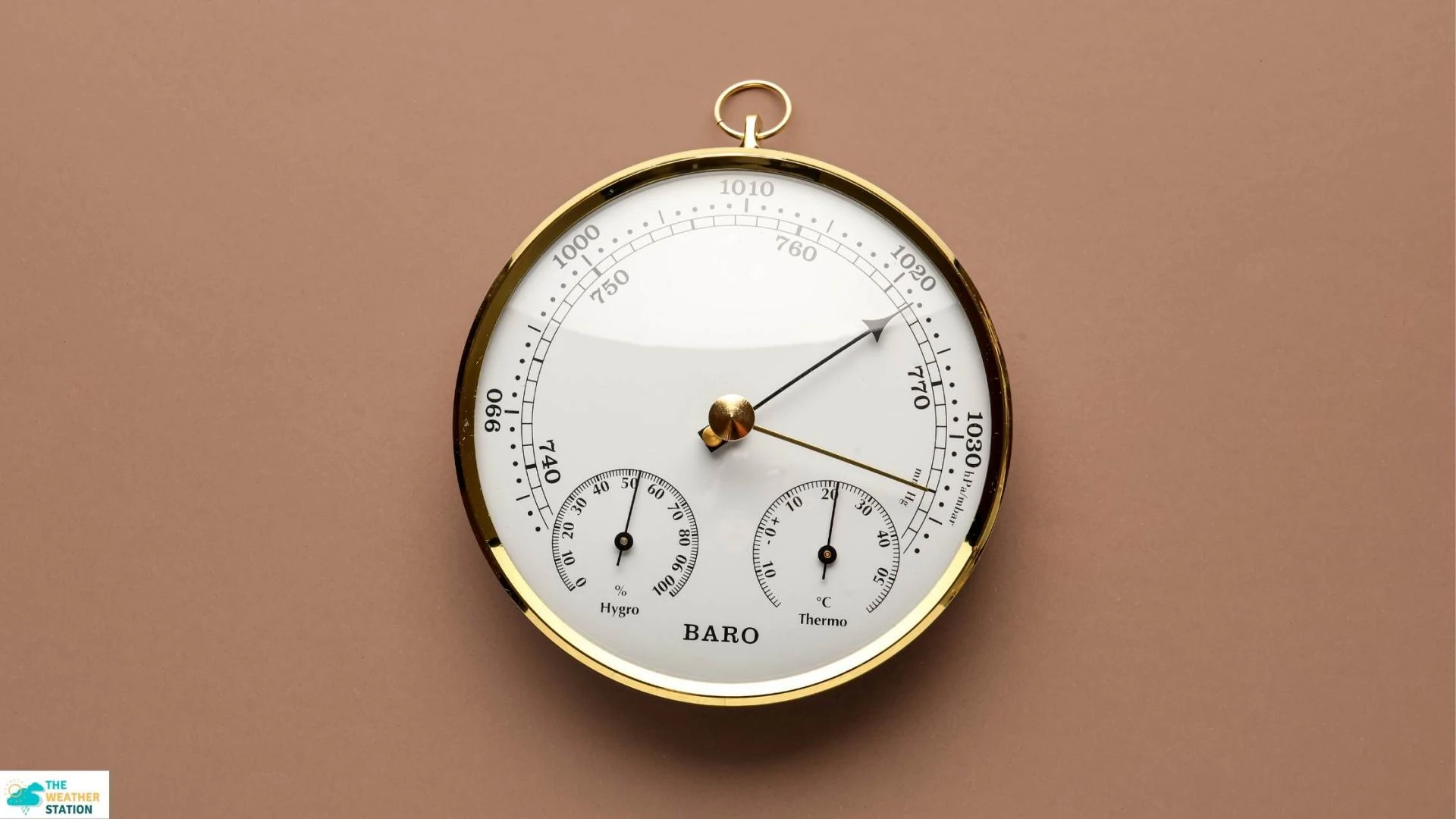
Barometer: Measures atmospheric pressure (optional, for older kids).
Mounting Hardware:
Sturdy post or tripod for mounting instruments.
Screws, brackets, or clamps for securing instruments in place.
Notebook and Pens/Pencils:
To record daily weather observations.
Educational Resources:
Weather books, charts, or online resources to learn about weather patterns and instruments.
Setup Steps:
Choose a Location:
Select a suitable location in your backyard or garden where the weather instruments will be installed. Ensure it's a safe and accessible spot for kids.
Mount the Instruments:
Install each weather instrument on the post or tripod according to the manufacturer's instructions. Make sure they are securely fastened and level.
Position the Thermometer:
Place the thermometer in a shaded area, away from direct sunlight and heat sources like buildings or pavement. This ensures accurate temperature readings.
Position the Anemometer and Wind Vane:
Mount the anemometer at an elevated position, preferably 33 feet (10 meters) above the ground, to capture accurate wind speed data. Ensure the wind vane can freely rotate to indicate wind direction.
Set Up the Rain Gauge:
Place the rain gauge in an open area where it can collect rainfall without obstructions like trees or buildings overhead.
Optional: Add a Barometer:
If you have a barometer, mount it on the post or tripod. Explain its function in measuring atmospheric pressure and its role in weather forecasting.
Record Initial Data:
Start a weather journal or notebook. Have the kids record the date, time, and initial readings for each instrument. This establishes a baseline for future observations.
Daily Weather Observations:
Encourage kids to make daily weather observations. They can note temperature, wind speed and direction, rainfall, and any changes in atmospheric pressure (if you have a barometer). This can be a fun and interactive daily activity.
Chart and Graph Data:
Create simple charts or graphs to help kids visualize the weather data they collect over time. This can be a great way to teach them about trends and patterns in weather.
Weather Reports:
Have the kids create their own weather reports based on the data they collect. They can share these reports with family members or friends.
Educational Resources:
Use weather-related books, websites, or educational videos to teach kids about the science of meteorology and how weather instruments work.
Experiment and Learn:
Encourage kids to ask questions and explore weather-related experiments. For example, they can investigate the effects of temperature on plant growth or how wind speed affects objects.
Safety First:
Teach kids about safety when dealing with weather instruments and outdoor conditions. Remind them not to touch or interfere with the instruments once they are set up.
Setting up a weather station for kids can be an engaging and educational experience that sparks their interest in science and the natural world. It also helps them develop observation and recording skills while learning about weather patterns and how they impact our daily lives.























Sign in to leave a comment.