

Isolation serves the purpose of public safety for communicable diseases like COVID-19. A successful real estate project is not just defined by the units sold, but also the recall it generates and how the resale happens organically. Shahid Balwa decodes how, while planning buildings, one must account for the proximity of amenities and commute to make the place habitable.
Shahid Balwa on Planning Time
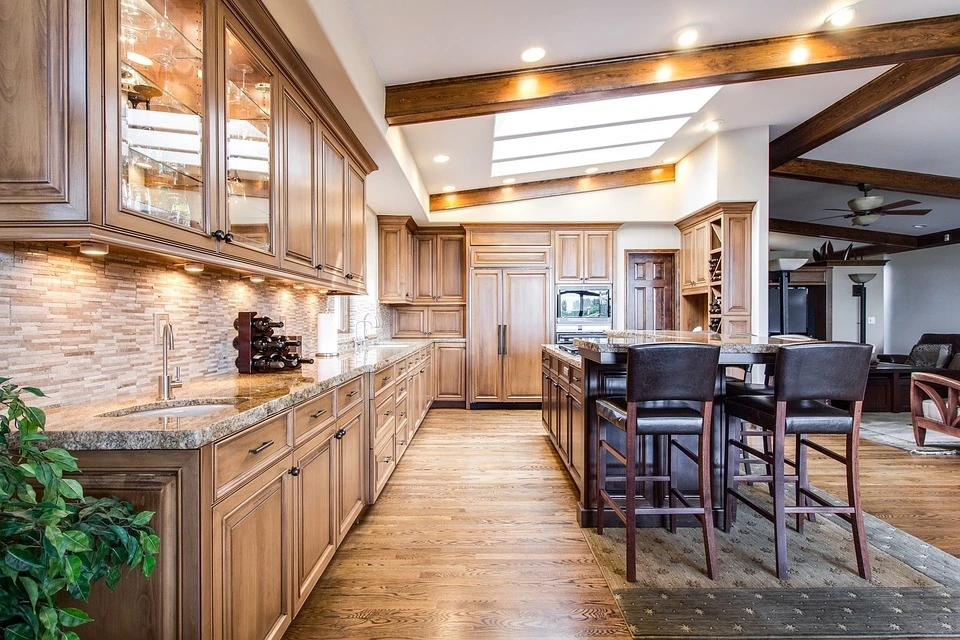
Shahid Balwa recollects how the city has evolved and how travel time has always been a key feature. In today’s day and age, time planning is used as a marketing line, like ‘Close to Metro.’ While a modular kitchen or a rooftop pool can be a great seller, the time it will take for the person to make the daily commute and be back will determine how much the space is used against the grind culture.
Simply put, the timetable of the person who is going to address commuting and grocery fulfillment cannot take 4 hours, a car ride, and a holy sacrifice.
The Hidden Cost of Poor Connectivity
Shahid Balwa DB Realty remarks on the extensive cost of wrong selection of location trickles down to the residents, which affects their quality of life.
Imagine a person going to take half an hour to come out of the township to get the daily commute of another two hours to the office, which will cost the money they tried saving on a farther location. The cost is exhaustion, less time for recovery, and long-term health concerns, as well as less time for their families. In the time of delivery apps, where the cost of convenience seems small in day-to-day, but compounds over time, less exposure to local culture, and reflects a living space evolving to be more of a silo than a connected node of a conducive ecosystem.
Shahid Balwa on what Infrastructure development owes to the Next Generation
The primal human need to connect with their environment and have ‘third’ places for all age groups has been scientifically proven to induce positive behaviour and foster social cohesion. The next generation to be creative and active, they need educational institutions, training grounds, and the shortest commute to reach all these places. These places should have recreational spaces so that residents can take breaks between the house, office, and the house cycle again.
Shahid Balwa insists that a lot of creativity and opportunities in green corridors and social amenities, when provided for the residents as part of commercial projects, elevate the lifestyle of the residents.
The Neighbourhood is a product of Infrastructure Planning decisions
Both the private and regulatory authorities together write the future of the next 20-30 years of infrastructure development. These decisions are deeply rooted in the accessibility of transport at the current time and how they are planned out in the future. The roads, the vendors, the parks, the chaos and the quiet are something the next generation witnesses growing up.
Hence, good roads and school zones, hospitals, and open public spaces are a part of the simulation that any infrastructure development engages the residents. The neighbourhood plans are as important as floor plans.
The quality of life is directly proportional to how proximity is planned to add value and not extract time from the residents. In a city like Mumbai, where each corner translates to money and energy spent, proximity gets marketed as a feature. This feature overpowers each amenity that you can build inside the compound wall.
























Sign in to leave a comment.