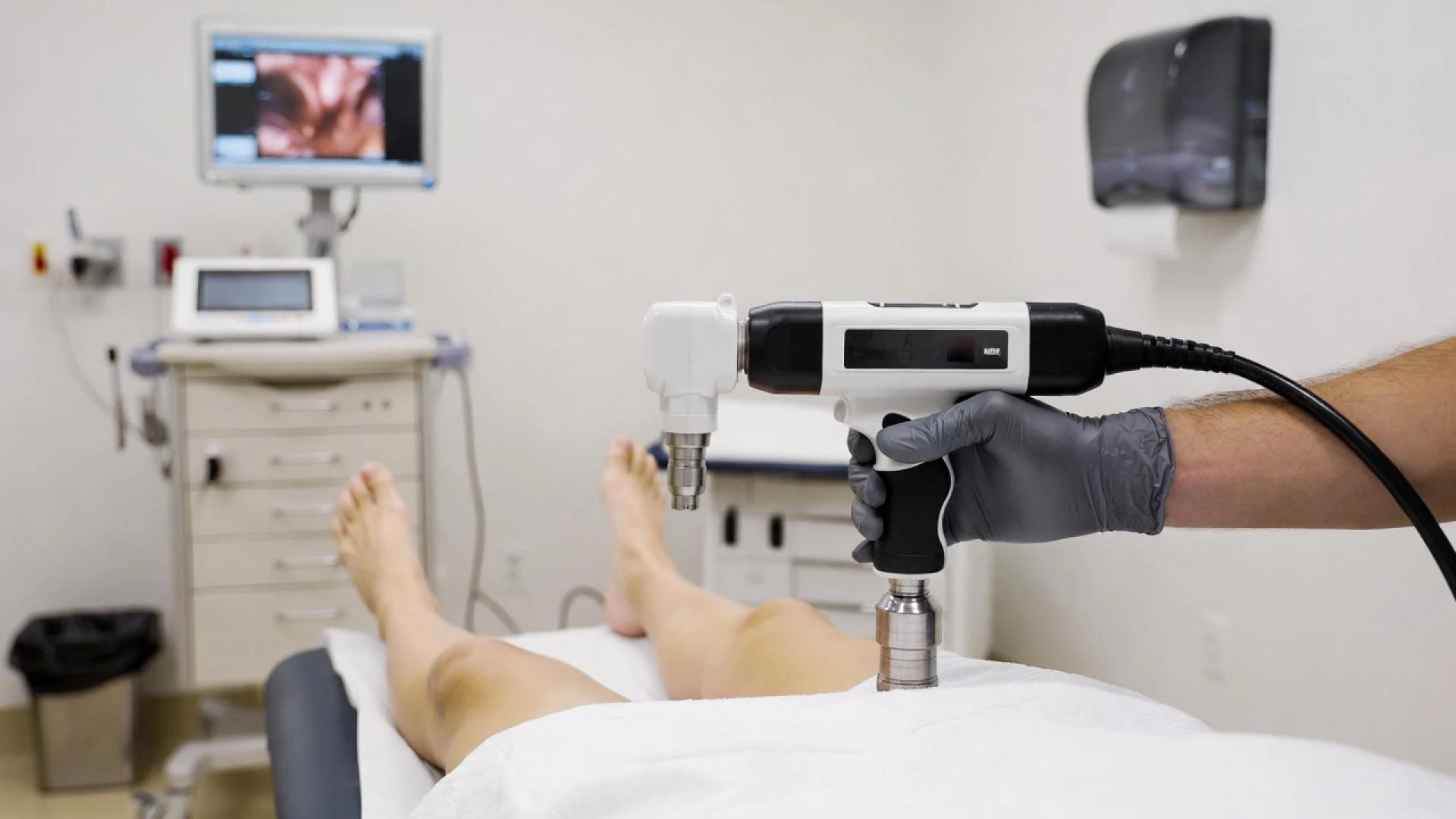

Shockwave therapy has rapidly gained recognition as an advanced, non-invasive treatment for a wide range of medical and cosmetic conditions. From chronic pain and sports injuries to tissue regeneration and rehabilitation, this therapy offers a safe and effective alternative to surgery and long-term medication use.
In this detailed guide, we will explore what shockwave therapy is, how it works, its types, benefits, applications, procedure, risks, and future potential.
What is Shockwave Therapy?
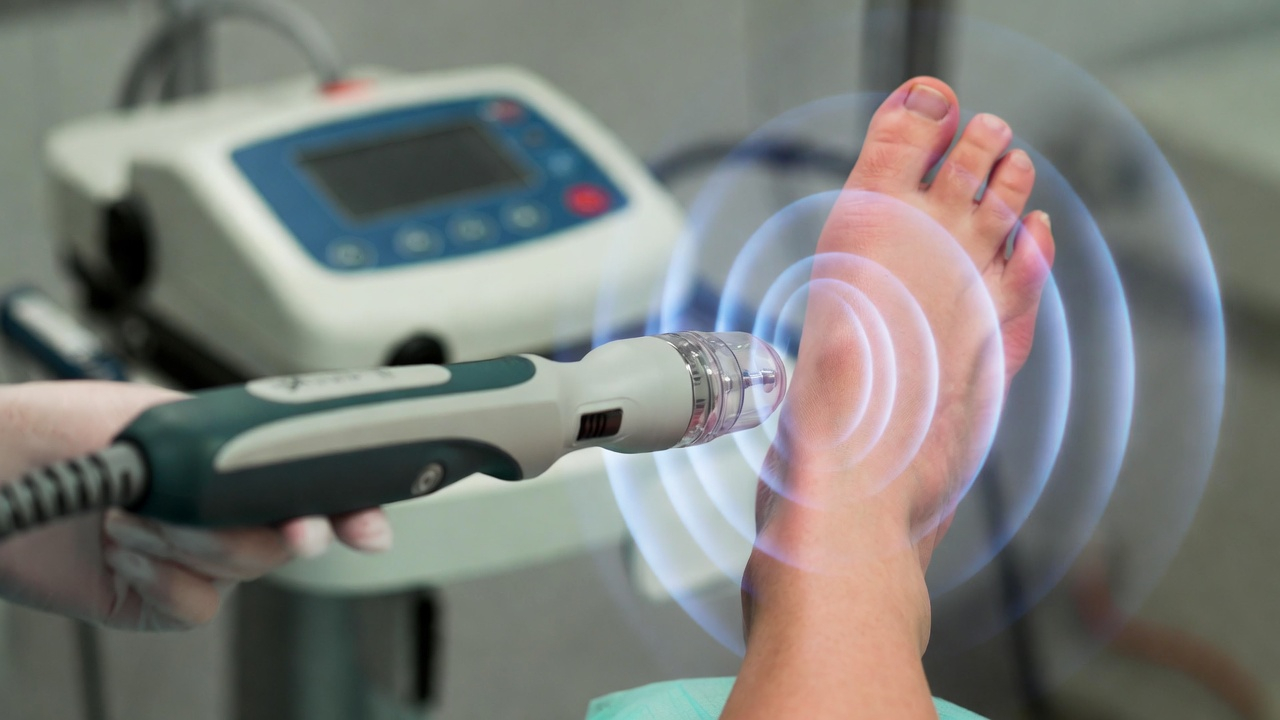
Shockwave therapy, also known as extracorporeal shockwave therapy (ESWT), is a non-surgical treatment that uses high-energy acoustic waves to stimulate healing in damaged tissues. These waves are delivered through the skin using a specialized handheld device, targeting specific areas of the body.
Initially developed to treat kidney stones, this technology has evolved significantly and is now widely used in orthopedics, physiotherapy, sports medicine, urology, and even aesthetic medicine.
How Does Shockwave Therapy Work?
Shockwave therapy works by transmitting acoustic waves into injured or inflamed tissues. These waves trigger biological responses that promote natural healing processes.
Key Mechanisms:
1. Improved Blood Circulation
The waves stimulate the formation of new blood vessels, enhancing blood flow to the affected area. This helps deliver oxygen and nutrients necessary for healing.
2. Tissue Regeneration
Shockwaves activate cells responsible for tissue repair, encouraging faster regeneration of muscles, tendons, and ligaments.
3. Breakdown of Calcifications
In conditions like calcific tendonitis, shockwaves help break down calcium deposits, allowing the body to absorb them naturally.
4. Pain Reduction
The therapy reduces pain by affecting nerve endings and decreasing the transmission of pain signals to the brain.
5. Collagen Production
It boosts collagen synthesis, which is essential for tissue strength and flexibility.
Types of Shockwave Therapy
There are two main types of shockwave therapy used in clinical practice:
1. Focused Shockwave Therapy (FSWT)
Focused shockwaves are high-energy waves that penetrate deep into the tissues. They are precise and can target specific areas with high intensity.
Best for:
- Deep tissue injuries
- Chronic conditions
- Kidney stones (lithotripsy)
2. Radial Shockwave Therapy (RSWT)
Radial shockwaves are lower in intensity and spread over a wider area. They are ideal for treating superficial conditions.
Best for:
- Muscle tightness
- Mild to moderate pain
- Surface-level injuries
Medical Applications of Shockwave Therapy
Shockwave therapy is used across multiple medical fields. Some of the most common applications include:
1. Musculoskeletal Disorders
- Plantar fasciitis
- Tennis elbow
- Achilles tendonitis
- Shoulder pain (rotator cuff injuries)
- Patellar tendonitis (jumper’s knee)
These conditions often respond well to shockwave therapy, especially when they become chronic and resistant to other treatments.
2. Sports Injuries
Athletes frequently benefit from shockwave therapy because it accelerates recovery without requiring surgery. It helps reduce inflammation, repair damaged tissues, and restore mobility.
3. Chronic Pain Management
Shockwave therapy is highly effective for patients suffering from long-term pain conditions. It offers relief without the need for painkillers, making it a safer long-term solution.
4. Urological Conditions
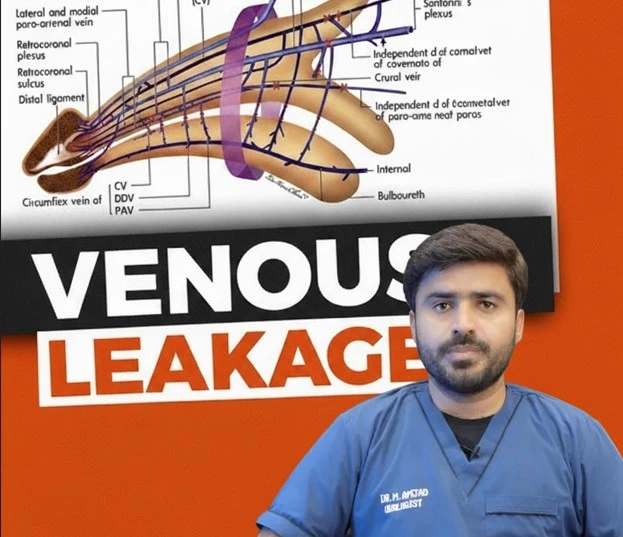
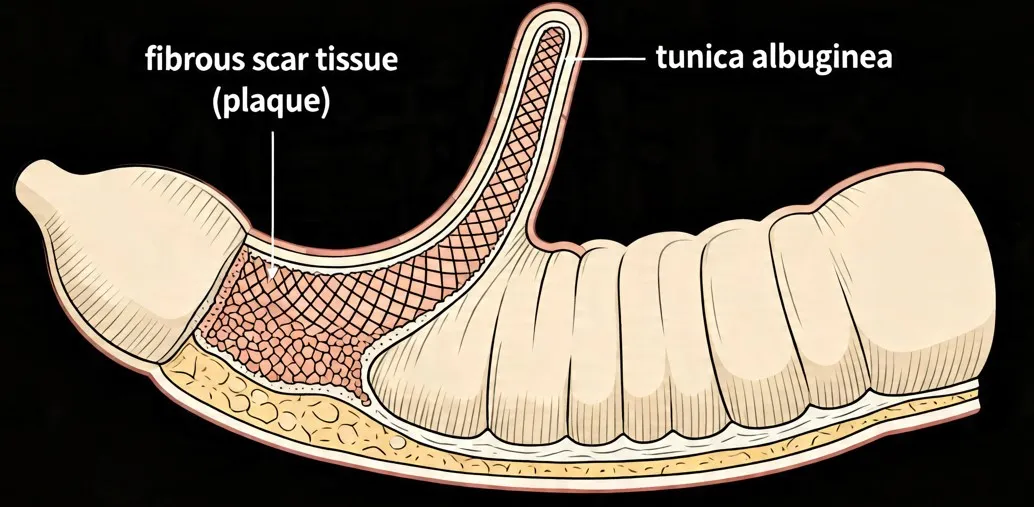
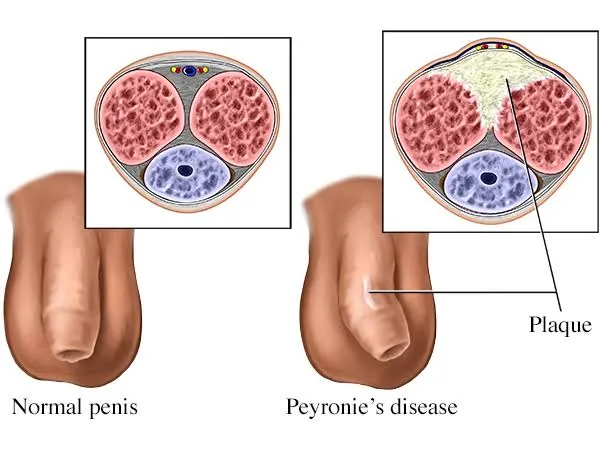
Shockwave therapy is used in urology to treat kidney stones and, more recently, erectile dysfunction by improving blood flow.
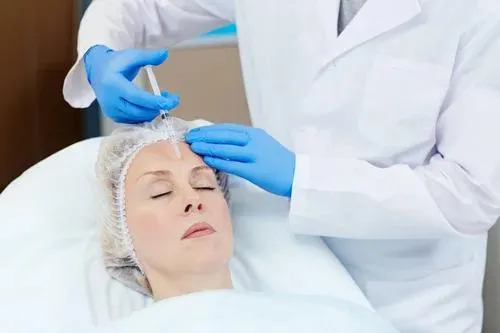
5. Aesthetic and Dermatological Uses
In cosmetic medicine, shockwave therapy is used for:
- Cellulite reduction
- Skin tightening
- Body contouring
- Scar treatment
It improves skin texture by stimulating collagen production and enhancing circulation.
Benefits of Shockwave Therapy
Shockwave therapy offers numerous advantages compared to traditional treatment methods.
1. Non-Invasive
No surgery, incisions, or anesthesia are required.
2. Quick Treatment Sessions
Each session typically lasts between 15 to 30 minutes.
3. Minimal Downtime
Patients can usually resume normal activities immediately after treatment.
4. Long-Term Results
It addresses the root cause of pain rather than just masking symptoms.
5. Reduced Need for Medication
Helps minimize dependence on painkillers and anti-inflammatory drugs.
6. High Success Rate
Many patients experience significant improvement after just a few sessions.
The Procedure: What to Expect
Understanding the treatment process can help reduce anxiety and prepare patients for therapy.
Step 1: Consultation
A healthcare professional evaluates your condition and determines whether shockwave therapy is suitable.
Step 2: Preparation
A gel is applied to the treatment area to improve wave transmission.
Step 3: Application
A handheld device delivers acoustic waves to the targeted area. You may feel mild discomfort, but it is generally tolerable.
Step 4: Duration
Each session lasts around 15–30 minutes, depending on the condition.
Step 5: Post-Treatment
Patients can usually return to normal activities immediately, although intense physical activity may be temporarily limited.
How Many Sessions Are Needed?
The number of sessions depends on the severity of the condition.
- Mild conditions: 3–5 sessions
- Chronic conditions: 6–10 sessions
- Severe cases: May require ongoing treatment
Sessions are usually spaced about one week apart.
Who is an Ideal Candidate?
Shockwave therapy is suitable for individuals who:
- Have chronic pain or injuries
- Have not responded to conventional treatments
- Want to avoid surgery
- Are looking for non-invasive solutions
Who Should Avoid Shockwave Therapy?
Although generally safe, shockwave therapy is not recommended for:
- Pregnant women
- Individuals with blood clotting disorders
- Patients with infections in the treatment area
- People with tumors or cancer in the targeted region
- Those with certain nerve or vascular disorders
Always consult a qualified healthcare provider before starting treatment.
Side Effects and Risks
Shockwave therapy is considered safe, but some mild side effects may occur:
- Temporary pain or discomfort
- Redness or swelling
- Bruising
- Tingling sensation
These side effects usually resolve within a few days.
Serious complications are extremely rare when the therapy is performed by trained professionals.
Effectiveness of Shockwave Therapy
Numerous studies and clinical experiences have shown that shockwave therapy is highly effective, especially for chronic conditions that do not respond to traditional treatments.
Patients often report:
- Reduced pain after the first few sessions
- Improved mobility and function
- Faster recovery times
However, results can vary depending on the individual and the condition being treated.
Shockwave Therapy vs Traditional Treatments
| Feature | Shockwave Therapy | Surgery | Medication |
|---|---|---|---|
| Invasiveness | Non-invasive | Invasive | Non-invasive |
| Recovery Time | Minimal | Long | None |
| Risk Level | Low | High | Moderate |
| Cost | Moderate | High | Ongoing |
| Effect | Treats root cause | Repairs damage | Manages symptoms |
This comparison highlights why many patients prefer shockwave therapy as a first-line treatment option.
Cost of Shockwave Therapy
The cost varies depending on location, clinic, and condition being treated.
Factors affecting cost include:
- Number of sessions required
- Type of shockwave therapy used
- Expertise of the practitioner
- Facility and equipment quality
While it may seem expensive initially, it is often more cost-effective than surgery or long-term medication.
Future of Shockwave Therapy
The future of shockwave therapy looks promising, with ongoing research exploring new applications and improvements.
Emerging Trends:
- Advanced devices with higher precision
- Expanded use in regenerative medicine
- Integration with stem cell therapy
- Increased use in cosmetic treatments
- Enhanced protocols for faster results
As technology advances, shockwave therapy is expected to become even more effective and widely accessible.
Conclusion
Shockwave therapy is a revolutionary treatment that offers a safe, non-invasive solution for a wide range of medical and aesthetic conditions. By stimulating the body’s natural healing processes, it addresses the root cause of pain and promotes long-term recovery.
Whether you are dealing with chronic pain, a sports injury, or looking for aesthetic improvement, shockwave therapy can be a highly effective option. With minimal risks, quick sessions, and lasting results, it is no surprise that this therapy is becoming increasingly popular worldwide.
Before starting treatment, always consult a qualified healthcare professional to determine if shockwave therapy is right for you.

















Sign in to leave a comment.