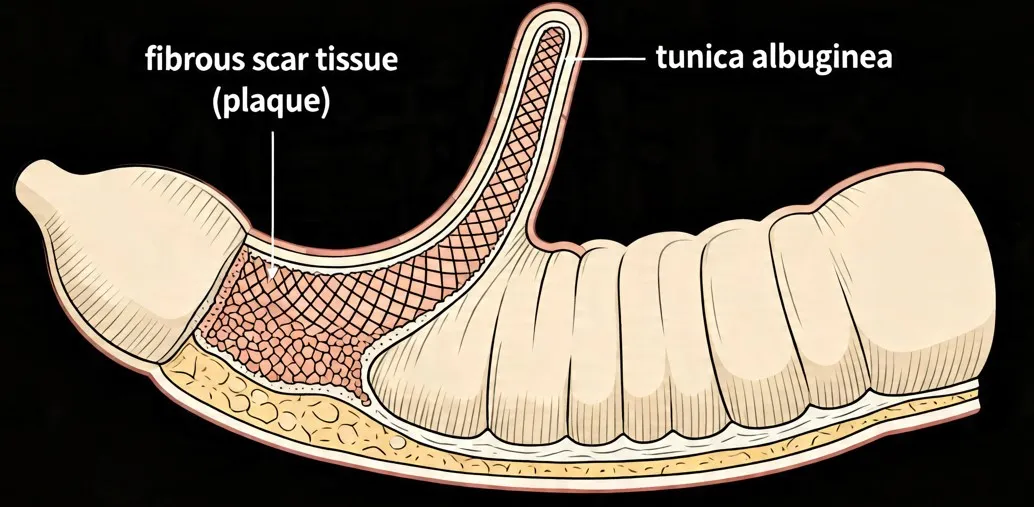

Peyronie’s disease is a condition that affects the structure of the penis due to the formation of fibrous scar tissue (plaques) inside the penile shaft. This leads to abnormal curvature during erection, which may be mild in some men but severe and functionally limiting in others.
Although often underreported due to embarrassment, studies suggest that Peyronie’s disease may affect up to 1 in 10 men, especially those over the age of 40.
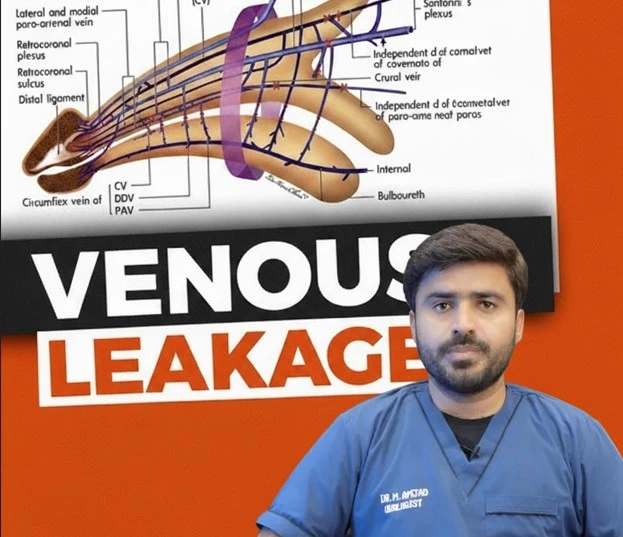
Understanding the Anatomy Behind the Condition
To understand Peyronie’s disease, it helps to know how an erection works.
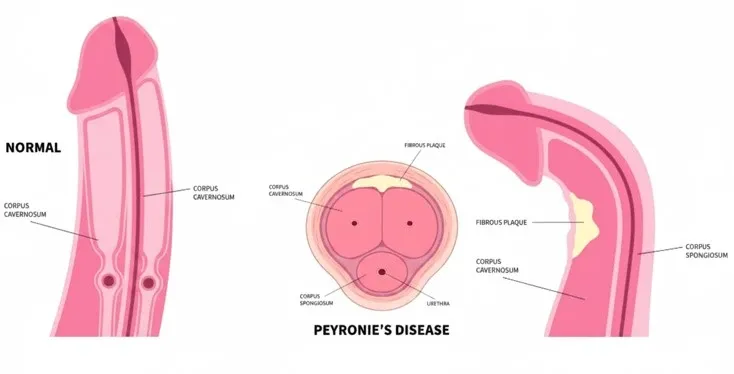
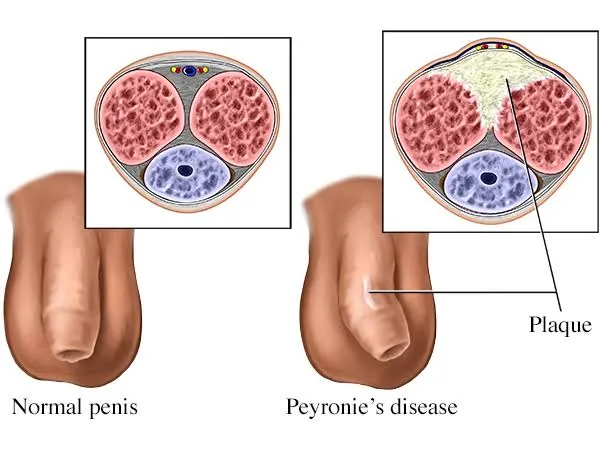
The penis contains two cylindrical chambers called the corpora cavernosa, which fill with blood during arousal. These chambers are surrounded by a flexible sheath called the tunica albuginea.
- In a healthy penis: the tunica stretches evenly → straight erection
- In Peyronie’s disease: scar tissue forms → reduced elasticity → bending or curvature
What Causes Peyronie’s Disease?
The exact cause is often multifactorial, meaning several factors contribute together.
1. Repeated Micro-Trauma
Small, often unnoticed injuries during:
- Vigorous sexual activity
- Sports or physical activity
These injuries can cause internal bleeding, leading to scar formation during healing.
2. Abnormal Wound Healing
In some men, the body produces excess collagen, resulting in thick, non-elastic plaques.
3. Genetic Predisposition
Men with family history or conditions like Dupuytren’s contracture (hand fibrosis) are at higher risk.
4. Aging
- Reduced blood flow
- Slower tissue repair
- Loss of elasticity
5. Associated Health Conditions
- Diabetes
- High blood pressure
- Erectile dysfunction
- Smoking-related vascular damage
Signs and Symptoms (Detailed)
Symptoms vary widely depending on the severity and stage.
1. Penile Curvature
- Upward (most common)
- Downward or sideways
- Can exceed 30–90 degrees in severe cases
2. Palpable Plaques
- Hard lumps under the skin
- May feel like flat bands or nodules
3. Pain
- Usually during erection
- More common in early stages
4. Erectile Dysfunction (ED)
Erectile dysfunction often occurs due to:
- Reduced blood flow
- Psychological stress
- Structural deformity
5. Penile Shortening
Scar tissue reduces the penis's ability to stretch.
6. Complex Deformities
- Hourglass shape (narrowing in the middle)
- Indentations or hinging effect
Stages of Peyronie’s Disease
1. Acute Phase (Inflammatory Phase)
- Duration: 6 to 18 months
- Active plaque formation
- Increasing curvature
- Pain is common
2. Chronic Phase (Stable Phase)
- Pain usually subsides
- Curvature stabilizes
- Scar tissue becomes permanent
Diagnosis: How Doctors Evaluate It
Diagnosis is typically straightforward but may involve multiple steps.
Clinical Examination
- Palpation of plaques
- Assessment of curvature
Imaging Techniques
- Penile ultrasound (most common)
- Detects plaque size and calcification
- Evaluates blood flow
Erection Assessment
- Sometimes induced using medication
- Helps measure curvature accurately
Treatment Options (Highly Detailed)
Treatment depends on:
- Severity
- Duration
- Sexual function
- Patient preference
1. Non-Surgical Treatments
A. Oral Medications
Effectiveness is limited, but may include:
- Vitamin E
- Potassium para-aminobenzoate (Potaba)
B. Intralesional Injections
Injected directly into the plaque.
Most effective option:
- Collagenase enzyme (breaks down scar tissue)
Benefits:
- Reduces curvature
- Improves flexibility
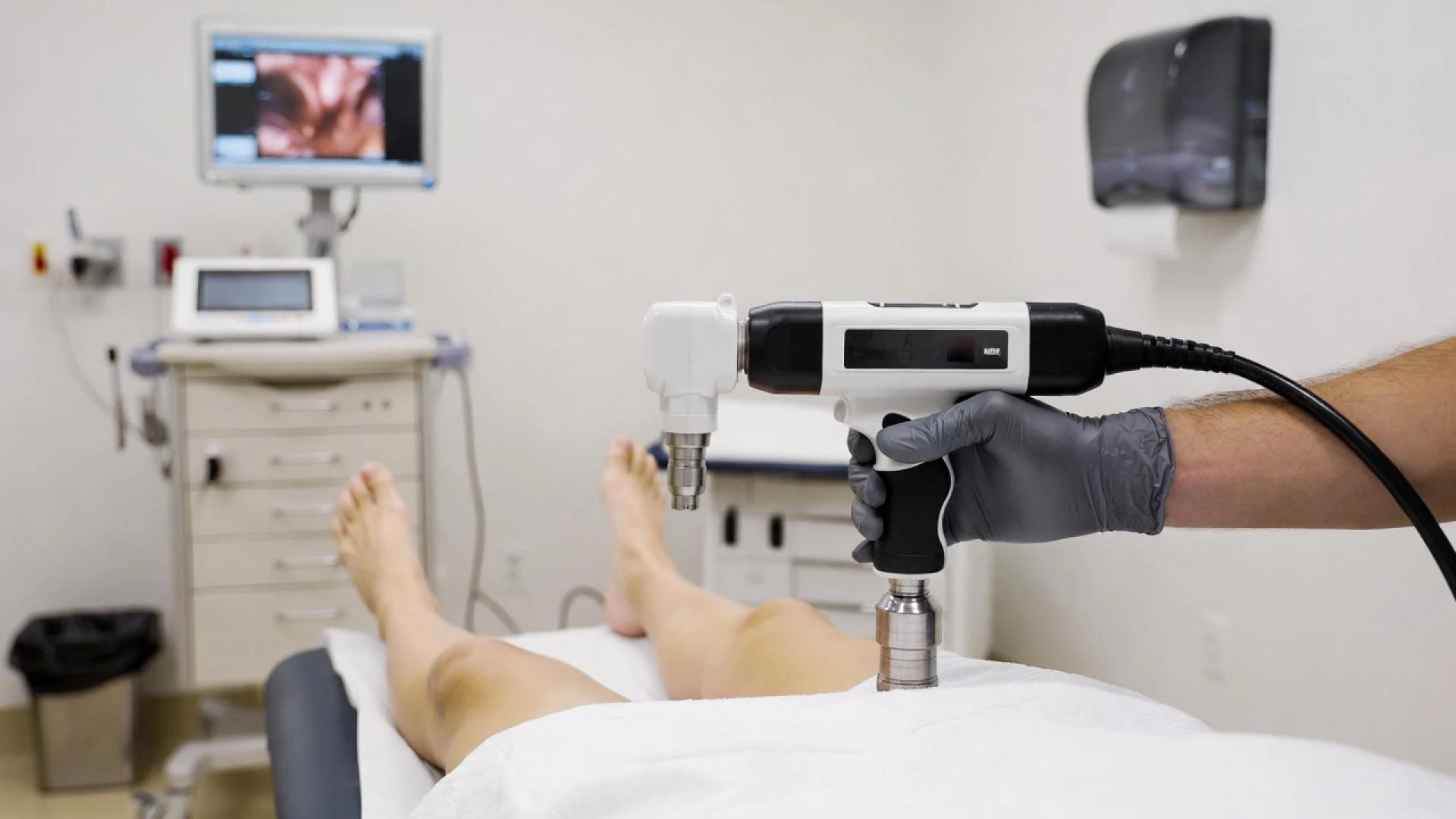
C. Shockwave Therapy
- Low-intensity sound waves
- Helps reduce pain (not curvature significantly)
D. Penile Traction Therapy
Devices worn daily to:
- Stretch the penis
- Reduce curvature gradually
- Improve length
Requires consistency (several hours/day).
E. Vacuum Erection Devices (VED)
- Improve blood flow
- May help maintain penile length
2. Surgical Treatment (Advanced Cases)
Recommended when:
- Curvature is severe (>30 degrees)
- Disease is stable
- Sexual intercourse is difficult
A. Plication Surgery
- Shortens the longer side
- Straightens penis
Pros:
- Simple
- High success rate
Cons:
- Slight shortening
B. Plaque Incision/Excision with Grafting
- Plaque is cut or removed
- Graft placed to restore shape
Pros:
- Preserves length
Cons:
- More complex
- Risk of ED
C. Penile Implants
Used in men with severe ED.
Penile implant surgery helps:
- Restore erection
- Straighten penis simultaneously
Complications of Peyronie’s Disease
If untreated or severe, it may lead to:
- Permanent deformity
- Severe erectile dysfunction
- Painful intercourse
- Infertility (in rare cases)
- Emotional and psychological distress
Psychological & Relationship Impact
This condition often affects more than just physical health.
Men may experience:
- Anxiety about performance
- Loss of confidence
- Depression
Partners may also be affected due to:
- Reduced intimacy
- Communication gaps
Counseling and open communication are highly recommended.
Lifestyle Changes & Self-Care
While not a cure, these steps support recovery:
- Stop smoking (improves blood flow)
- Control diabetes and blood pressure
- Avoid aggressive sexual activity
- Maintain a healthy diet
- Exercise regularly
When Should You See a Doctor?
Consult a specialist if you notice:
- New curvature
- Painful erections
- Lumps or hard areas
- Difficulty during intercourse
Early treatment can prevent progression.
Prevention: Is It Possible?
Not always, but risk can be reduced by:
- Practicing safe sex
- Avoiding trauma to the penis
- Managing chronic diseases
- Seeking early treatment for ED
Prognosis: What to Expect
- Mild cases may stabilize without treatment
- Some men improve naturally
- Severe cases usually require medical or surgical intervention
With proper treatment, most men regain functional sexual ability.
Final Thoughts
Peyronie’s disease is a complex but treatable condition. The key is early recognition, proper diagnosis, and timely management.
Ignoring symptoms can worsen the condition, while early care can significantly improve both physical and emotional outcomes.



























Sign in to leave a comment.