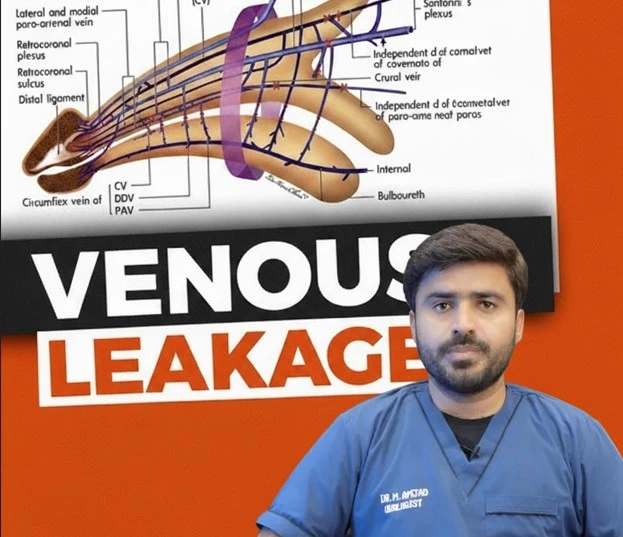

Erectile dysfunction (ED) affects millions of men worldwide, but not all cases stem from hormonal imbalance, emotional stress, or aging. One major yet frequently overlooked cause is venous leak, also known medically as veno-occlusive dysfunction. This structural problem affects the penis’s blood-trapping mechanism, leading to erections that are difficult to maintain.
With advances in diagnostics and modern medical technology, venous leak is now more accurately treatable than ever before. This article provides a deeply detailed look at what venous leak is, why it occurs, how it is diagnosed, and the full range of evidence-based treatment options.
Understanding Venous Leak
To understand venous leak, it helps to know how a normal erection occurs.
The Erectile Mechanism
- Sexual arousal signals trigger the release of nitric oxide.
- Penile arteries widen, allowing a rush of blood into the corpora cavernosa (erectile chambers).
- As these chambers fill, they expand and compress the surrounding veins.
- This compression blocks blood from flowing out, keeping the penis hard and erect.
This is known as veno-occlusive function.
What Happens in Venous Leak
In venous leak:
- The veins fail to seal,
- Blood escapes too quickly,
- The penis cannot maintain rigidity.
Even if a man achieves an initial erection, it will soften prematurely.
Key Features of Venous Leak
- Erections start normally but collapse quickly
- Persistent difficulty maintaining firmness
- Stronger stimulation temporarily improves rigidity
- Oral ED medications often fail or produce weak results
This problem is physical, not psychological, and often progressive without intervention.
Why Venous Leak Occurs: Detailed Causes
Venous leak is multi-factorial. Below are the major contributors, explained with clinical detail.
1. Age-Related Degeneration
Aging naturally reduces:
- Smooth muscle integrity
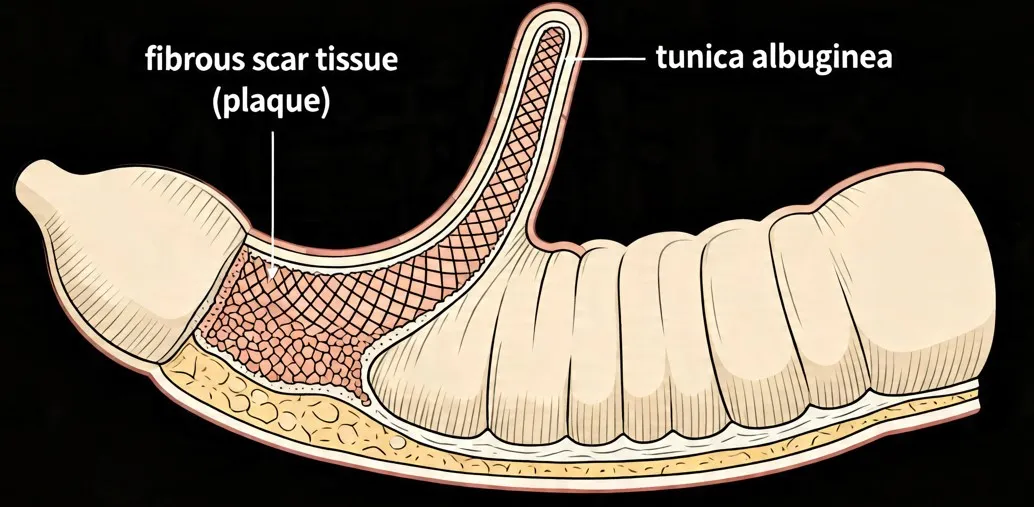
- Elasticity of the tunica albuginea (fibrous penile tissue)
- Collagen quality
These changes weaken the penis’s ability to compress veins.
This is why older men often experience ED that is not fully responsive to medications.
2. Vascular Diseases
Anything that damages blood vessels also damages erectile tissues.
Common vascular contributors:
- Diabetes (causes microvascular and nerve damage)
- Hypertension (stiffens arterial walls)
- Atherosclerosis
- High cholesterol
Diabetes is particularly harmful, causing:
- Reduced nitric oxide
- Neuropathy
- Fibrosis of erectile tissue
This combination almost guarantees venous leak over time if diabetes remains uncontrolled.
3. Hormonal Imbalances
Testosterone is essential for:
- Healthy endothelial function
- Penile tissue strength
- Libido
- Nitric oxide production
Low testosterone leads to:
- Atrophy of smooth muscle
- Reduced nerve signaling
- Poor venous trapping
Men with low testosterone frequently fail oral medications because the structural machinery behind erections is weakened.
4. Trauma, Surgery & Mechanical Injury
Any injury to the pelvic region can damage structures involved in erection.
Potential causes:
- Bicycle or athletic injuries
- Pelvic fractures
- Penile trauma
- Perineal compression
- Prostate surgery (e.g., prostatectomy)
- Spinal or nerve damage
Trauma may tear connecting tissues or disrupt venous valves, making leakage permanent if untreated.
5. Congenital Weakness or Genetic Predisposition
Some men naturally have:
- A thin tunica albuginea
- Weak vein-compressing structures
- Poor smooth muscle function
- Collagen disorders
These men often present with ED in their teens or early 20s, even without other health issues.
6. Lifestyle Factors
Lifestyle directly affects erectile strength.
High-risk factors include:
- Smoking (destroys blood vessel linings)
- Obesity
- Sedentary living
- Alcohol abuse
- Chronic stress
- Poor diet
- Poor sleep
These factors accelerate vascular damage, making veins less responsive to compression.
Signs and Symptoms of Venous Leak
Recognizing symptoms early allows timely diagnosis.
Primary Symptoms
- Erections that fade quickly
- Inability to maintain firmness during intercourse
- Unstable rigidity
- Partial erections
Additional Clues
- ED pills work weakly or not at all
- Erections require constant stimulation to stay hard
- Morning erections become inconsistent
Men often mistakenly blame stress or performance anxiety, leading to delayed treatment.
How Venous Leak Is Diagnosed: Detailed Diagnostic Process
A proper diagnosis requires clinical evaluation and specialized testing.
1. Penile Doppler Ultrasound (Primary Test)
This is the first-line diagnostic test and provides crucial information.
Procedure
- A vasodilator (usually Alprostadil) is injected into the penis.
- Ultrasound measures:
- Arterial flow
- Venous outflow
- Tissue structure
- Peak systolic velocity
- End-diastolic velocity
What doctors look for
- If arterial inflow is normal but venous outflow remains high, this strongly indicates venous leak.
- End-diastolic velocity (EDV) above 5 cm/s suggests significant leakage.
This test is painless and takes 20–30 minutes.
2. Cavernosometry and Cavernosography (Gold Standard)
Used when Doppler results are inconclusive.
Cavernosometry
Measures:
- How much pressure the penis can sustain
- Rate of blood leakage
Cavernosography
A contrast dye is injected and X-ray imaging identifies:
- Exact leaking veins
- Severity and location of dysfunction
This is essential for planning embolization procedures.
3. Hormonal Evaluation
Blood tests assess:
- Testosterone
- Estradiol
- Prolactin
- Thyroid hormones
- Lipid profile
Hormonal imbalance may worsen venous leak or mimic its symptoms.
4. Psychological and Lifestyle Assessment
Although venous leak is structural, mental health and lifestyle factors can aggravate ED, so a holistic assessment is beneficial.
Venous Leak Treatment Options: Most Comprehensive Guide
Venous leak Treatment depends on:
- Severity
- Age
- Underlying conditions
- Diagnostic results
- Patient goals
Below are all modern treatments, explained thoroughly.
1. Lifestyle Optimization (Foundational Component)
These changes do not reverse severe venous leak but support overall erectile function.
Key improvements:
- Quit smoking
- Lower weight
- Control blood pressure
- Improve blood sugar
- Exercise at least 150 minutes per week
- Reduce alcohol
- Ensure good sleep
- Improve diet and circulation
Lifestyle correction enhances the effectiveness of medical treatments.
2. Oral Medication (PDE5 Inhibitors)
Examples:
- Viagra (Sildenafil)
- Cialis (Tadalafil)
- Levitra (Vardenafil)
- Stendra (Avanafil)
Benefits
- Increase blood inflow
- Improve erectile quality in mild cases
Limitations
- Do NOT fix the leak itself
- Often ineffective in moderate to severe venous leak
Some men require advanced treatments even if pills work temporarily.
3. Intracavernosal Injections (ICI Therapy)
ICI remains one of the most effective treatments when pills fail.
Common medications:
- Alprostadil
- Papaverine
- Phentolamine
- Trimix (combination)
Benefits
- Directly produce firm erections
- Work even when venous leak is present
- Reliable, predictable results
Drawbacks
- Requires self-injection
- Possible bruising or discomfort
- Risk of fibrosis if improperly used
For many patients, it is a long-term but effective non-surgical solution.
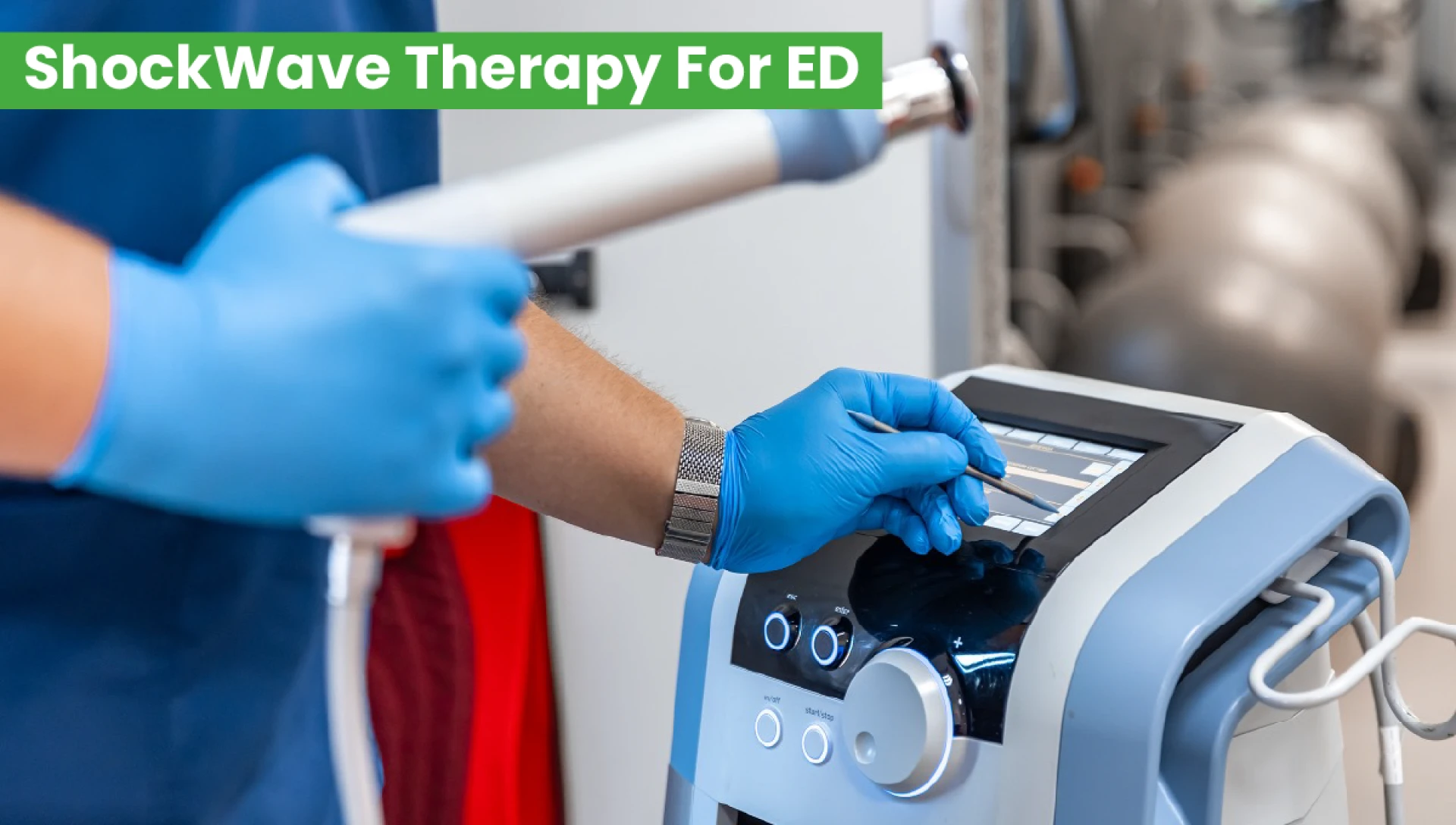
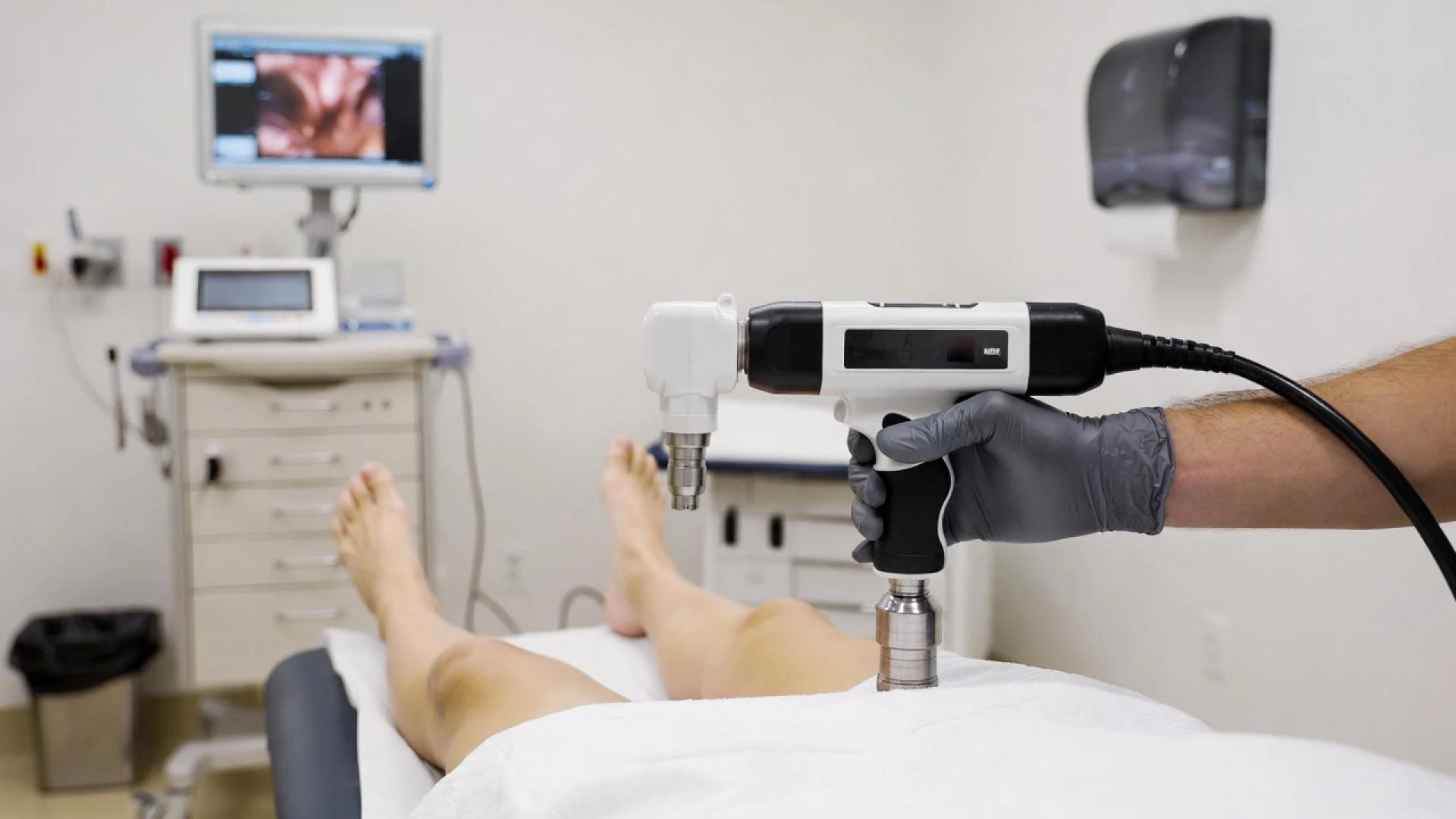
4. Shockwave Therapy (LI-ESWT)
A leading non-invasive regeneration technique.
How it works
- Uses low-intensity acoustic waves
- Stimulates angiogenesis (new blood vessel formation)
- Strengthens smooth muscle
- Improves tissue elasticity
- Enhances natural erections
Treatment course
- 6–12 sessions
- 15–20 minutes per session
Best suited for
- Mild to moderate venous leak
- Younger patients with early tissue degeneration
When combined with hormonal treatment, results significantly improve.
5. PRP Therapy (P-Shot)
Platelet-Rich Plasma offers regenerative benefits using the patient’s own growth factors.
Effects
- Increases penile blood flow
- Strengthens tissues
- Enhances sensitivity
- Supports overall erectile function
Often used as a premium therapy alongside shockwave treatment.
6. Endovascular Venous Embolization (Breakthrough Treatment)
This is one of the most promising and advanced solutions for curing venous leak.
How the procedure works
- A tiny catheter is inserted through a leg or abdominal vein.
- Using fluoroscopic guidance, leaking penile veins are identified.
- These veins are sealed using:
- Medical glue
- Coils
- Embolic agents
Advantages
- Minimally invasive
- No incision on the penis
- High success rate (in properly selected patients)
- Permanent sealing of leaking veins
- Same-day procedure
- Quick recovery
This treatment directly addresses the root cause, making it one of the most effective options today.
7. Surgical Venous Ligation
A more traditional surgical approach.
Procedure
- Surgeon ties off leaking veins manually
- Usually performed under general anesthesia
Limitations
- High recurrence rates
- More invasive
- Longer recovery
Used far less today due to the superior results of embolization.
8. Penile Implants (Definitive Solution for Severe Cases)
When all other treatments fail, implants are the most reliable option.
Types:
- Inflatable implants — natural look and feel
- Semi-rigid implants — simpler and more durable
Benefits
- Guaranteed erections
- High satisfaction
- Long-term durability
Penile implants bypass the need for natural venous trapping entirely.
Choosing the Right Treatment
Best treatments by severity level:
Mild Venous Leak
- PDE5 inhibitors
- Shockwave therapy
- PRP
- Hormone optimization
Moderate Venous Leak
- Shockwave + PRP
- Intracavernosal injections
- Endovascular embolization
Severe or Complex Venous Leak
- Embolization
- Penile implant
A urologist or men’s health specialist will choose the best plan based on Doppler and cavernosography findings.
Can Venous Leak Be Permanently Cured?
Yes, in many cases.
Best chances for long-lasting improvement come from:
- Embolization
- Regenerative medicine (PRP + Shockwaves)
- Hormonal correction
- Early intervention
Severe structural degeneration may require implants, but these provide near 100% reliability.
Final Thoughts
Venous leak is a challenging but highly treatable cause of erectile dysfunction.
With modern diagnostics and cutting-edge treatments, men today have more options than ever before.
By combining:
- Proper diagnosis
- Lifestyle improvements
- Regenerative therapies
- Advanced interventional procedures
most men can regain confidence, restore sexual performance, and enjoy a healthy intimate life.




























Sign in to leave a comment.