

It is a sound and a sensation that many Houstonians know all too well. After a long morning commute down I-10 or hours hunched over a desk in the Energy Corridor, that familiar tightness settles into the mid-back or neck. The instinctual response? A quick twist of the torso or a sharp pull on the chin until a satisfying pop echoes through the room.
For a few minutes, the relief is palpable. The pressure dissipates, and movement feels momentarily fluid again. However, within an hour or two, the urge usually returns. The tightness is back, often feeling even more restrictive than before.
If you find yourself "self-adjusting" multiple times a day just to get through a shift or a workout, you aren't actually solving a problem. In fact, you might be actively sabotaging your body’s ability to heal. Understanding the biomechanics behind this habit is the first step toward genuine, long-term recovery rather than a cycle of temporary fixes.
The Science of the "Pop": What Is Actually Happening?
To understand why self-cracking is problematic, it is necessary to look at what that sound actually represents. In clinical terms, this is known as joint cavitation.
Spinal joints, specifically the facet joints, are encased in a capsule filled with synovial fluid. This fluid acts as a lubricant and contains dissolved gases like oxygen, nitrogen, and carbon dioxide.
When a joint is stretched or twisted to its limit, the volume of the joint capsule increases, causing the internal pressure to drop. This sudden drop in pressure causes the dissolved gases to form bubbles, which then collapse rapidly. That collapse creates the "pop" you hear.
The Endorphin Trap
The reason self-cracking becomes addictive isn't just the physical release of pressure. When a joint cavitates, it triggers a localized release of endorphins, the body’s natural painkillers. This creates a temporary "high" that masks underlying discomfort.
Because the relief is chemical rather than structural, it is short-lived. This leads to a repetitive cycle: the joint feels tight, a person cracks it for an endorphin hit, the chemicals wear off, and the tightness returns. This cycle can trick the brain into thinking the habit is helpful, even as the underlying mechanical issue worsens.
The Hidden Danger: Hypermobility vs. Hypomobility
The most significant reason why "cracking your own back" is counterproductive lies in the relationship between different segments of the spine.
In a healthy spine, every segment should move in coordination. However, due to poor posture, old injuries, or repetitive strain, certain segments can become hypomobile (stuck or restricted). When one segment isn't moving, the segments directly above and below it are forced to move more to compensate for the lack of mobility. These overworked segments become hypermobile.
When a person twists their own back, the body naturally follows the path of least resistance. It is nearly impossible to "fix" a stuck segment through self-manipulation because that joint is physically restricted; it requires a specific, high-velocity, low-amplitude thrust at a precise angle to move. Instead, self-adjusting typically pops the joints that are already moving too much.
The Risk of Ligamentous Laxity
By repeatedly cracking hypermobile joints, the ligaments that hold them together are essentially overstretched. Over time, this leads to:
- Ligamentous Laxity: The ligaments become "stretched out," losing their ability to provide passive stability to the spine.
- Reflexive Guarding: Because the joint has become unstable, the surrounding muscles (such as the paraspinals and trapezius) tighten up even harder as a protective mechanism.
- Accelerated Wear and Tear: Unstable joints move poorly, which can contribute to premature disc degeneration and osteoarthritis.
Why Professional Diagnostics Matter
If there is a constant urge to crack the back, the body is sending a signal that something is mechanically misaligned or imbalanced. Simply "popping" the tension away ignores the root cause of the dysfunction.
Effective recovery requires a transition from symptom management to functional restoration. When seeking professional chiropractic care, the focus is not on the sound of the adjustment, but on the precision of the intervention.
The Clinical Difference
A clinical approach to spinal health involves more than just movement; it involves a multidisciplinary diagnostic assessment:
- Biomechanical Assessment: Identifying exactly which joints are restricted and which are overcompensating.
- Neurological Integrity: Ensuring the nervous system is communicating correctly with the muscles to prevent chronic guarding.
- Soft Tissue Integration: Often, joints are "locked" because the surrounding fascia and muscles are in a state of chronic inflammation or contain trigger points.
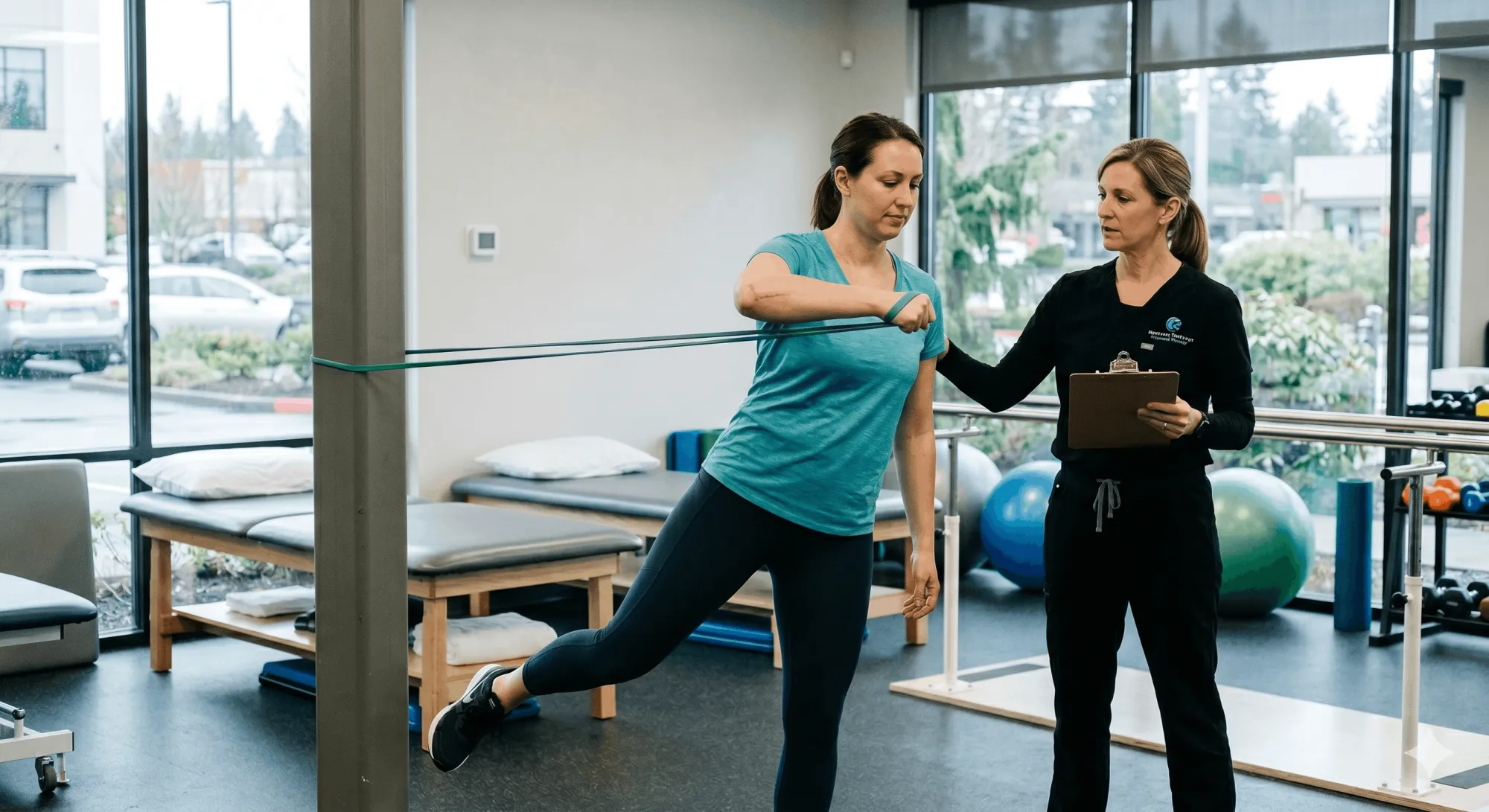
- Stability Training: Once the restricted joint is freed, the body must be "retrained" to stabilize that new range of motion through corrective exercise.
Integrated clinics, such as Vanguard Spine & Sport, often emphasize this multi-modal approach to ensure that the patient isn't just finding temporary relief, but is actually correcting the movement pattern that caused the tightness in the first place.
The Houston Lifestyle and Spinal Strain
Residents of Houston face unique environmental challenges regarding spinal health. This is a city of commuters. Whether navigating the Westpark Tollway or sitting in traffic on the 610 Loop, "seated posture" is a primary driver of spinal dysfunction.
In a seated position, the hip flexors shorten, the glutes often become inactive, and the thoracic spine (mid-back) rounds forward. This position creates a massive amount of "stuck" segments in the mid-back. When a driver gets out of the car and cracks their back, they are often just stressing the lower lumbar segments while the primary restriction in the mid-back remains untouched.
This is also why many active individuals in areas like the Heights or Memorial find that their gym performance plateaus. They may have the strength, but their "chassis" (the spine) is riddled with compensations that decrease power output and increase the risk of injury during high-impact movements.
Breaking the Habit: How to Find Real Relief
To stop the cycle of self-cracking and start a legitimate recovery journey, consider these evidence-based steps:
- Audit Ergonomics: If the urge to crack happens hourly, the workstation is likely the culprit. Ensure the monitor is at eye level and use a chair that supports the natural curve of the lower back.
- Focus on Stability: Instead of twisting to find relief, try "bird-dogs" or "dead-bugs", exercises designed to stabilize the core and protect the spine.
- Hydrate for Disc Health: Spinal discs are largely composed of water. In the Houston heat, dehydration can lead to disc compression, making the spine feel "tighter" and more brittle.
- Seek Integrated Care: If tightness persists, a professional evaluation can determine if the issue is joint-related, muscular, or neurological.
Frequently Asked Questions
1. Is it dangerous to crack your own neck?
Self-cracking the neck can be riskier than cracking the back. The neck houses the vertebral arteries, and aggressive, unspecific self-adjustments can strain these vessels. More commonly, it leads to chronic instability and tension headaches due to overstretched ligaments.
2. Why does my back feel tight again 30 minutes after I crack it?
This occurs because the underlying mechanical restriction was not addressed. You likely moved a hypermobile joint and triggered an endorphin release, but the "stuck" segment remains locked. The body re-tightens the muscles to protect the area.
3. Can self-cracking cause arthritis?
The sound itself doesn't cause arthritis, but the instability created by frequent self-cracking can. Unstable joints experience uneven wear and tear, which can accelerate degenerative changes over several years.
4. How do I know if I need a professional adjustment?
If you feel a daily "need" to crack your joints, experience radiating pain or numbness, or find that your range of motion is limited despite stretching, a professional assessment is likely needed to identify the underlying dysfunction.
Moving Toward Lasting Recovery
Recovery is rarely about a single "pop" or a quick fix. It is a progression, a shift from inflammation and restriction toward stability and performance. By stopping the habit of self-adjusting, you allow your ligaments to regain the tension necessary to provide stability to the spine.
Understanding body mechanics is the first step toward avoiding surgery and managing long-term pain. If you're tired of temporary relief and ready for a plan that addresses the root of your discomfort, it’s time to look beyond the "crack."
Learn more about how integrated care can help you restore function and live pain-free.































Sign in to leave a comment.