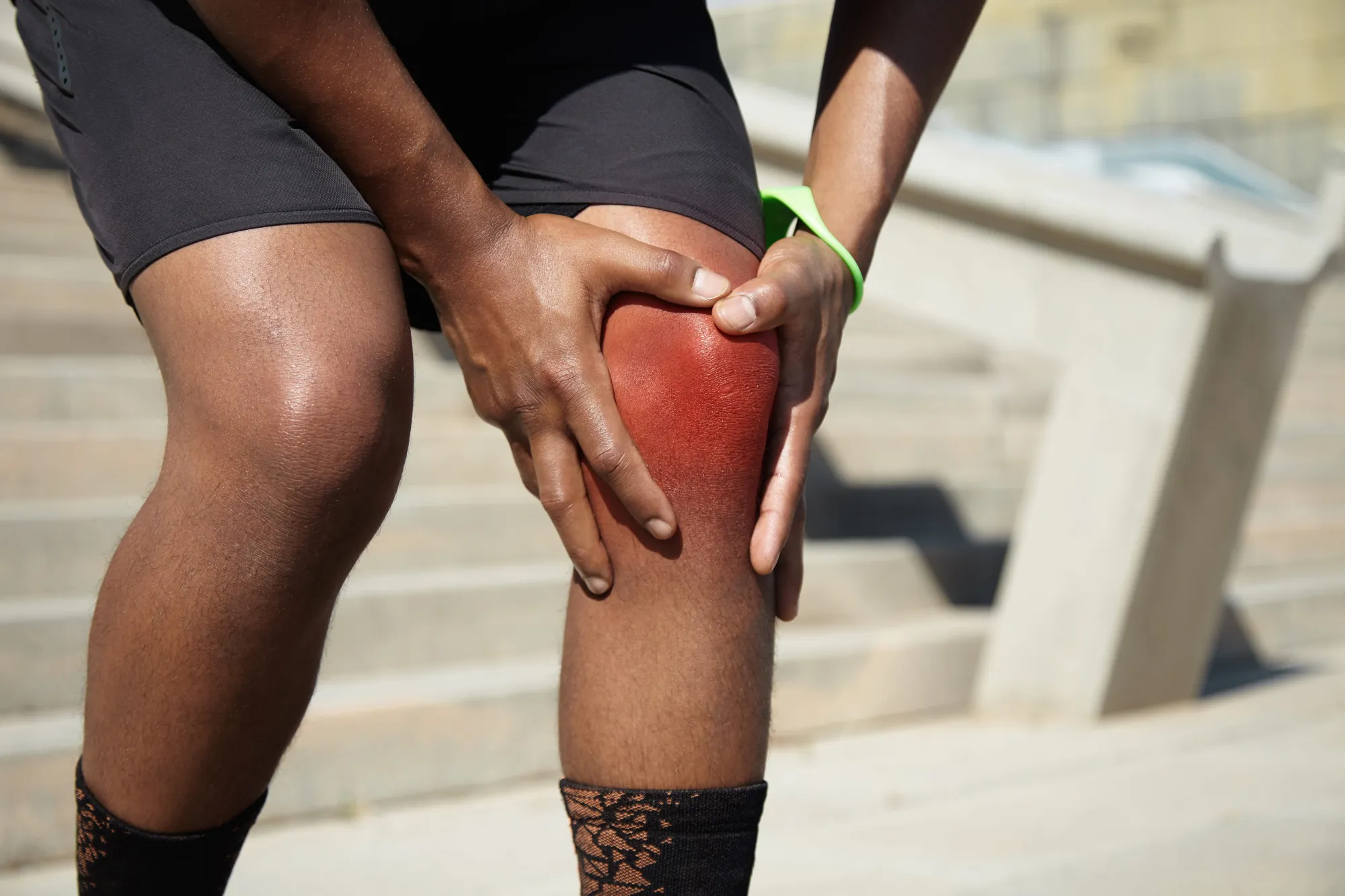

It is a familiar and frustrating scenario for many active individuals: you are halfway through a heavy lifting session or finishing a long trail run around Burbank, and suddenly, you feel it. A sharp pull in your hamstring, a twinge in your lower back, or a deep, restrictive ache in your shoulder that makes lifting your arm nearly impossible. Your immediate thought is usually about the training time you will lose.
You could foam roll the area, take a few unplanned rest days, or rely on anti-inflammatory medication to get through the week. But the discomfort almost always returns the second you put a heavy load back on the tissue. Masking the symptoms does not correct the mechanical failure that caused the injury in the first place.
Understanding exactly what went wrong and integrating targeted rehabilitation is the only way to truly recover, rebuild your strength, and get back to your active lifestyle without the looming fear of a setback.
What Is Causing This Type of Pain?
Athletic injuries rarely happen by pure chance. While an awkward landing or a sudden collision provides an obvious acute cause, the vast majority of sports injuries are the result of cumulative micro-trauma, overuse, and poor biomechanics.
When you repeat specific motions, whether swinging a racket, running long distances, or sitting at a desk all day before heading straight to a CrossFit class, your body adapts. If your thoracic spine (mid-back) lacks mobility from hours of computer work, your lower back or shoulders will compensate to complete an overhead lift.
This compensation forces muscles, ligaments, and tendons to absorb loads they were never designed to handle. Eventually, this constant friction and uneven loading lead to tissue fatigue, inflammation, and failure. The root cause is frequently found miles away from the actual site of the pain.
The 5 Most Common Sports Injuries (and Their Symptoms)
When movement mechanics break down, the body sends clear signals. Here are five of the most frequent injuries athletes face and the pain patterns associated with them:
- Runner’s Knee (Patellofemoral Pain Syndrome): A dull, aching pain behind or around the kneecap. Athletes often notice severe limitations when running downhill, squatting, or walking down stairs.
- Ankle Sprains: Typically caused by rolling the foot inward. Symptoms include immediate swelling, bruising, and sharp pain when bearing weight, followed by long-term joint instability if not rehabilitated properly.
- Rotator Cuff Tendinopathy: A deep, pinching ache in the shoulder. It heavily impacts overhead athletes and weightlifters, creating a sharp catching sensation during presses or snatches, and often causes interrupted sleep when rolling onto the affected side.
- Tennis and Golfer’s Elbow (Epicondylitis): Severe localized pain on the outside or inside of the elbow joint. It creates significant functional limitations, often weakening your grip strength during deadlifts, pull-ups, or daily tasks.
- Hamstring and Groin Strains: A sudden, sharp pop or pull during a sprint or explosive movement. It results in immediate power loss, tightness, and a persistent, nagging ache that flares up during rapid acceleration.
What Happens If the Condition Is Left Untreated?
Trying to train through joint dysfunction or muscular strain is a recipe for a chronic condition. When you ignore a biomechanical red flag, your nervous system automatically alters your movement patterns to avoid triggering the pain.
This altered movement might allow you to scrape by and finish your workout today, but it shifts dangerous levels of stress onto neighboring, healthy joints. A minor shoulder impingement left unchecked can wear down the tendon until it results in a severe rotator cuff tear.
An unstable, untreated ankle sprain often leads to compensatory hip pain or Achilles tendinitis months later. What begins as a minor functional limitation can quickly snowball into a multi-joint issue that requires months of intensive rehab to untangle.
How Physiotherapy and Rehab Help
Effective recovery requires much more than just resting until the pain stops. Clinical, movement-based physiotherapy is designed to restore proper joint mechanics, heal restricted soft tissue, and strengthen the body against future trauma.
Rather than just treating the symptom, a functional approach addresses the entire kinetic chain. Precise adjustments and joint mobilization help restore motion to locked areas. From there, targeted soft-tissue therapy, such as myofascial release or instrument-assisted scraping, breaks down the restrictive scar tissue that formed around the injury.
Finally, corrective exercises retrain your nervous system, ensuring the newly restored range of motion is stable enough to handle the dynamic demands of your specific sport.
What to Expect During Treatment
Rehabilitating a sports injury is a highly active process. Your care progression will generally follow a structured, personalized path:
- First Visit Evaluation: Your provider will conduct a comprehensive movement assessment, watching how you squat, hinge, and balance to pinpoint where your kinetic chain is failing.
- Acute Pain Relief: The immediate goal is to calm the inflamed tissue. This involves localized soft-tissue therapy, gentle joint mobilization, and, potentially, modalities such as electrical muscle stimulation.
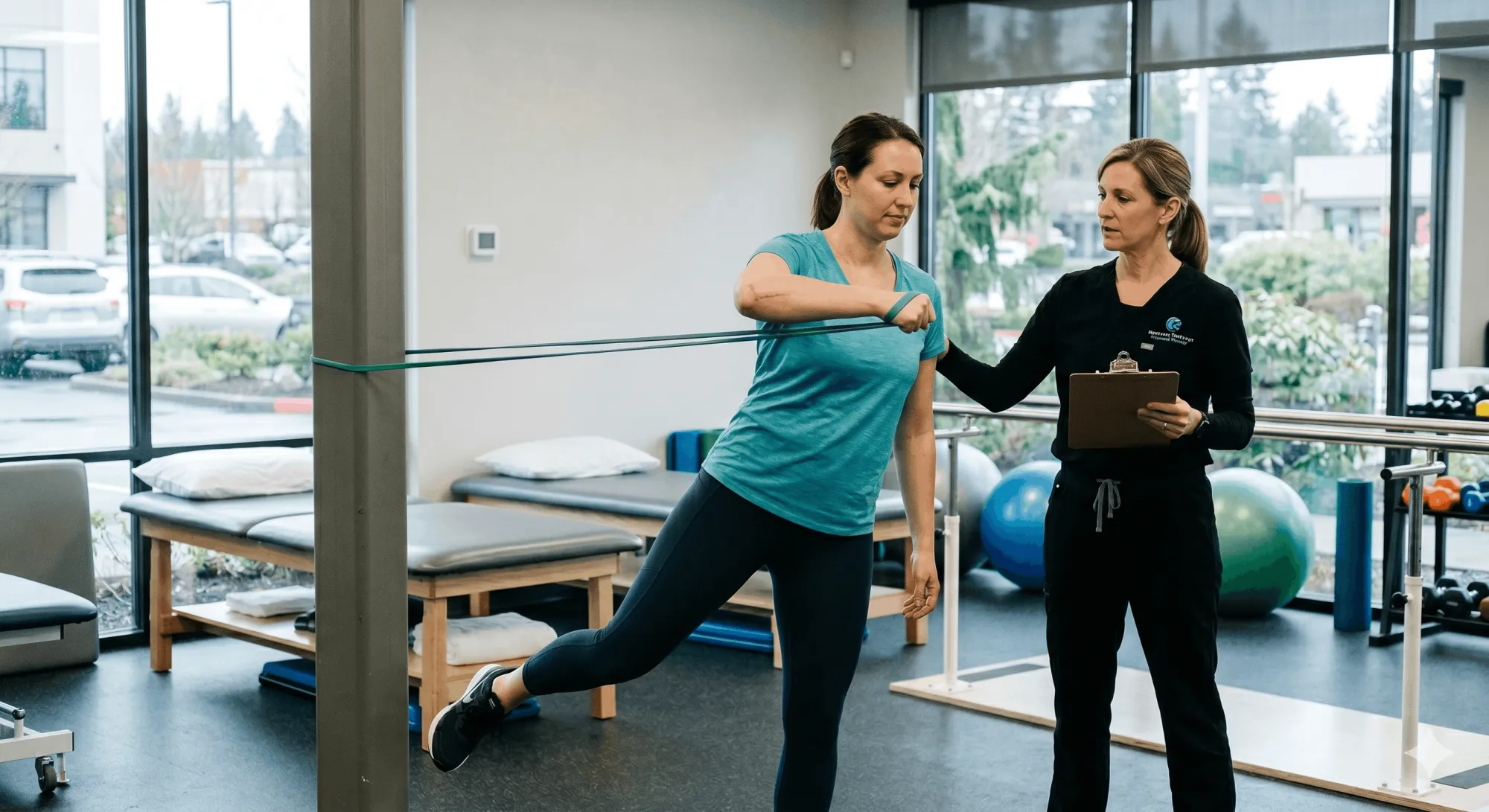
- Corrective Exercise: As the sharp pain subsides, treatment shifts to the rehab floor. You will learn specific, load-bearing exercises designed to fix muscle imbalances and reinforce correct biomechanics.
- Performance Reintegration: The final phase bridges the gap between basic recovery and peak athletic performance, gradually reintroducing sport-specific movements to help you return to competition confidently.
When Should You See a Specialist?
You do not need to wait until you are completely immobilized to seek professional guidance. It is time to have your movement mechanics evaluated if your pain persists for more than three days, if a specific joint constantly aches after your workouts, or if your discomfort is forcing you to alter your exercise form. Preventative care is also highly recommended for athletes looking to resolve minor asymmetries before starting a heavy training block or competition season.
Frequently Asked Questions
1. Can I keep working out with this injury?
In many cases, yes. A functional rehab specialist will usually modify your training rather than mandate complete rest. You might temporarily swap heavy, compressive barbell movements for isolated, stability-focused exercises while the primary injury heals.
2. How long will recovery take?
Recovery timelines depend heavily on the severity of the tissue damage and your adherence to the rehab program. A mild muscle strain may resolve in a few weeks, whereas severe tendinopathy or joint instability may require several months of progressive strengthening.
3. Is physical rehab safe for acute sports injuries?
Absolutely. Movement specialists are trained to diagnose the exact stage of your injury and apply the appropriate therapies. Early intervention with conservative care often prevents scar tissue from forming and speeds overall healing.
4. Will this pain keep coming back?
If you only treat the symptom, the pain will likely return. However, if you address the root mechanical cause and commit to the strengthening and mobility exercises prescribed during your rehab, you significantly reduce the risk of re-injury.
Conclusion
A sports injury does not have to be a permanent roadblock in your fitness journey. Whether you are an avid runner, a dedicated weightlifter, or just trying to stay active in Burbank without constant discomfort, understanding your body's mechanics is key to longevity. Masking the pain with rest and medication will only delay the inevitable. By using a clinical, integrated approach that combines joint mobilization, soft-tissue therapy, and progressive rehabilitation, you can rebuild your tissue capacity and correct the flaws that caused the injury.
Providers such as Allied Pain and Wellness focus on this functional method to help athletes regain their strength and confidence safely. If you are tired of dealing with nagging injuries that limit your performance, it is time to take a proactive approach to your musculoskeletal health.
Learn more about your recovery options and explore how integrated care can help you return to your favorite activities stronger and more resilient than before.






























Sign in to leave a comment.