
Nasal polyps are soft, painless, non-cancerous growths that develop inside the nasal passages or sinuses due to chronic inflammation. These growths can affect breathing, reduce the sense of smell, and lead to frequent nasal blockage or sinus infections. People suffering from nasal polyps often experience discomfort in their daily lives, including disturbed sleep, headaches, facial pressure, and difficulty breathing through the nose. While conventional treatments may include steroids or surgery, many people now prefer natural healing methods like Ayurvedic samadhan for nasal polyps for long-term relief and holistic wellness.
Ayurveda, the ancient science of natural healing, focuses on identifying the root cause of diseases and restoring balance in the body. Through herbal remedies, detoxification therapies, dietary guidance, and lifestyle changes, Ayurveda offers a natural and effective way to manage nasal polyps without harmful side effects.
Understanding Nasal Polyps in Ayurveda
According to Ayurveda, nasal polyps are related to an imbalance in the Kapha dosha. Excess Kapha leads to mucus accumulation, congestion, and swelling in the nasal passages. Poor digestion, weak immunity, allergies, sinus infections, and toxin accumulation in the body are considered major contributing factors.
Ayurveda refers to nasal disorders under conditions related to “Nasa Roga.” The treatment approach aims to reduce inflammation, balance Kapha dosha, improve respiratory health, and cleanse toxins from the body naturally.
The growing popularity of ayurvedic samadhan for nasal polyps is due to its ability to provide long-term relief by treating the root cause rather than only suppressing symptoms.
Common Symptoms of Nasal Polyps
Nasal polyps may vary in size and can affect one or both nasal passages. Common symptoms include:
- Persistent nasal congestion
- Difficulty breathing through the nose
- Reduced or lost sense of smell
- Runny nose
- Frequent sinus infections
- Postnasal drip
- Facial pain or pressure
- Headaches
- Snoring and disturbed sleep
If left untreated, nasal polyps can interfere with normal breathing and overall quality of life.
Causes of Nasal Polyps
Several factors contribute to the development of nasal polyps. Understanding these causes is important for effective treatment.
1. Chronic Sinus Inflammation
Long-term sinus infections and inflammation can trigger abnormal tissue growth inside the nasal cavity.
2. Allergies
Environmental allergens such as dust, pollen, and pollution may irritate the nasal passages and worsen symptoms.
3. Weak Immunity
Low immunity makes the body more vulnerable to recurring respiratory infections and inflammation.
4. Excess Kapha Dosha
In Ayurveda, excessive Kapha causes mucus accumulation and blockage in the respiratory system.
5. Asthma and Respiratory Disorders
People suffering from asthma or chronic respiratory conditions are more likely to develop nasal polyps.
6. Poor Lifestyle and Diet
Excessive intake of cold, oily, and heavy foods may increase Kapha imbalance and contribute to nasal congestion.
Ayurveda addresses all these factors through personalized healing methods and natural therapies.
Benefits of Ayurvedic Samadhan for Nasal Polyps
There are several reasons why individuals choose ayurvedic samadhan for nasal polyps over temporary treatment options.
Natural Healing
Ayurvedic medicines are made from herbs and natural ingredients that support healing without harmful chemicals.
Treats the Root Cause
Ayurveda focuses on balancing the doshas, improving digestion, and strengthening immunity.
Reduces Recurrence
By addressing internal imbalances, Ayurvedic treatment helps lower the chances of recurring polyps.
Improves Breathing
Herbal therapies help clear nasal passages and improve airflow naturally.
Strengthens Immunity
Ayurvedic remedies enhance the body’s natural defense system against infections and allergies.
Ayurvedic Herbs Used for Nasal Polyps
Ayurveda uses various herbs known for their anti-inflammatory and decongestant properties.
Tulsi
Tulsi helps improve respiratory health and reduce nasal congestion naturally.
Turmeric
Turmeric contains anti-inflammatory and antibacterial properties that support sinus healing.
Ginger
Ginger helps reduce mucus buildup and improves circulation in the respiratory system.
Neem
Neem purifies the blood and helps reduce infections and inflammation.
Yashtimadhu (Licorice)
This herb soothes inflamed tissues and supports healthy breathing.
Pippali
Pippali is widely used in Ayurveda to improve respiratory function and clear blocked nasal passages.
These herbs are commonly included in Ayurvedic samadhan for nasal polyps to support long-term respiratory wellness.
Panchakarma Therapy for Nasal Polyps
Panchakarma is a detoxification therapy in Ayurveda that helps eliminate toxins from the body and restore balance.
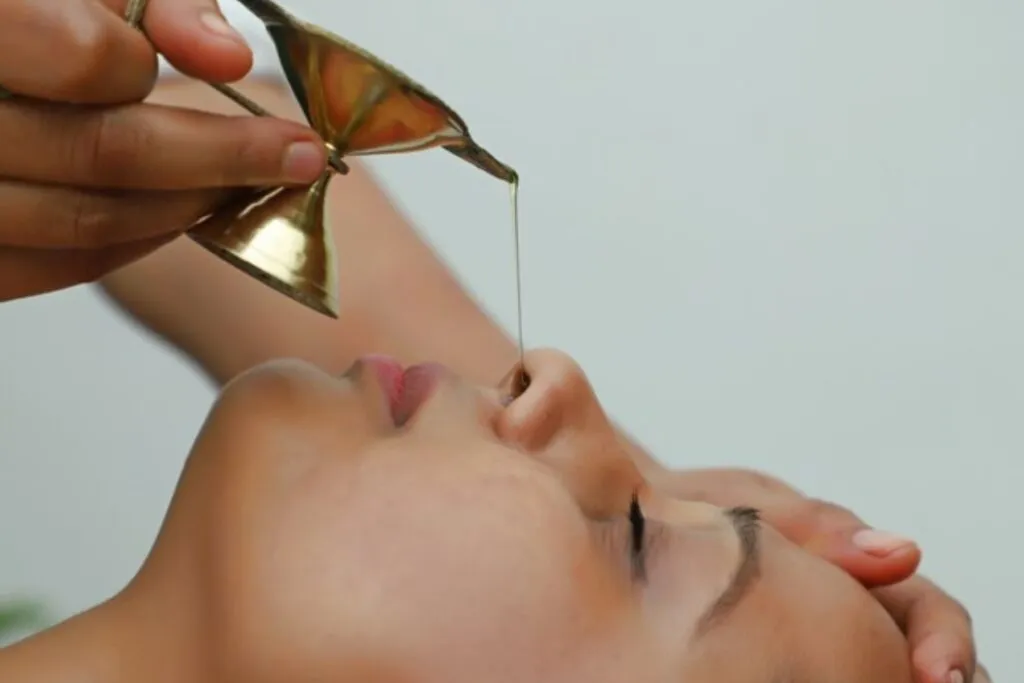
Nasya Therapy
Nasya is one of the most effective Ayurvedic therapies for nasal disorders. Herbal oils or medicines are administered through the nostrils to cleanse the nasal passages and improve breathing.
Vamana Therapy
This therapy helps remove excess Kapha toxins from the body through therapeutic cleansing.
Steam Therapy
Herbal steam inhalation helps loosen mucus and reduce nasal blockage naturally.
Panchakarma therapies should always be performed under the guidance of experienced Ayurvedic practitioners.
Diet Recommendations for Nasal Polyps
Diet plays an important role in managing respiratory health and reducing inflammation.
Foods to Include
- Warm soups and herbal teas
- Fresh fruits and vegetables
- Ginger and turmeric milk
- Light and easily digestible meals
- Warm water throughout the day
Foods to Avoid
- Cold drinks and ice cream
- Fried and oily foods
- Excess dairy products
- Processed and junk food
- Excess sugar and refined flour
Following a healthy diet enhances the effectiveness of ayurvedic samadhan for nasal polyps and supports faster recovery.
Lifestyle Tips for Managing Nasal Polyps
Healthy lifestyle habits can help reduce symptoms and prevent recurrence.
Practice Yoga and Pranayama
Breathing exercises such as Anulom Vilom and Bhramari help improve respiratory function and sinus health.
Avoid Dust and Pollution
Protect yourself from allergens and pollutants that may irritate nasal passages.
Stay Hydrated
Drinking enough water helps keep mucus thin and supports detoxification.
Maintain Clean Surroundings
Keeping the environment clean reduces exposure to allergens and infections.
Sleep Properly
Proper sleep supports immunity and overall healing.
These lifestyle modifications work effectively along with Ayurvedic samadhan for nasal polyps for better long-term results.
Home Remedies for Nasal Polyps
Ayurveda also suggests simple home remedies for mild nasal congestion and sinus discomfort.
Steam Inhalation
Inhaling steam with eucalyptus or tulsi leaves may help clear blocked nasal passages.
Turmeric Milk
Drinking warm turmeric milk can support immunity and reduce inflammation.
Saline Rinse
A saltwater rinse may help cleanse the nasal passages and remove irritants.
Honey and Ginger
Consuming honey mixed with ginger juice may help soothe the throat and respiratory system.
These remedies can complement professional Ayurvedic treatment for improved results.
Why Choose Ayurveda for Nasal Polyps?
Ayurveda offers a holistic and personalized healing approach that focuses on balancing the body naturally. Unlike temporary treatments that mainly suppress symptoms, Ayurveda aims to eliminate the root cause of the condition.
The major benefit of ayurvedic samadhan for nasal polyps is that it improves overall respiratory health, boosts immunity, reduces inflammation, and supports natural detoxification. This comprehensive treatment approach helps individuals experience long-lasting relief and improved quality of life.
Additionally, Ayurvedic treatments are customized according to the individual’s body constitution, making the healing process more effective and natural.
Prevention Tips for Nasal Polyps
Preventing nasal polyps requires proper care and healthy daily habits.
- Avoid smoking and exposure to pollutants
- Manage allergies effectively
- Eat fresh and nutritious foods
- Practice regular yoga and breathing exercises
- Keep the nasal passages hydrated
- Seek early treatment for sinus infections
Taking preventive steps can significantly reduce the risk of recurring nasal polyps.
Conclusion
Nasal polyps can cause discomfort, breathing difficulties, and recurring sinus issues if not managed properly. While modern treatments may provide temporary relief, Ayurveda offers a natural and holistic solution that focuses on long-term healing.
Through herbal medicines, detoxification therapies, proper diet, yoga, and healthy lifestyle habits, ayurvedic samadhan for nasal polyps helps balance the body, reduce inflammation, and improve respiratory health naturally.
Consulting an experienced Ayurvedic practitioner can help individuals receive personalized treatment and achieve better long-term results. With consistent care and natural healing methods, it is possible to manage nasal polyps effectively and enjoy a healthier, more comfortable life naturally.



























Sign in to leave a comment.