
It is never too late to adopt a healthier diet and lifestyle and so reduce your risk of developing a chronic illness. Ageing increases one's risk for cardiovascular disease, cancer, and osteoporosis. Exercise and nutrient-rich meals can help lower these risks in this population.
The nutritional requirements of the elderly are different from those of the young. Inactivity, metabolic shifts, and the natural wear and tear of aging all play a role in this. The nutritional requirements of this group are affected by factors such as chronic diseases, medications, and changes in body composition. Accordingly, people of this age need to watch what they consume carefully.
How do your requirements and routines modify as you become older?
Your nutritional needs, appetite, and eating habits can all alter as you get older.
Calories
As you get older, you naturally burn less calories, making it easier to maintain a healthy weight. It's basic knowledge that putting on weight happens when you consume more calories than you burn off. And one of the reasons for low calorie intake is that as you age, you may experience less energy and more muscular or joint difficulties, making it harder to move around and burn more calories through exercise. Loss of muscle mass, too, can slow your metabolism and reduce your calorie needs.
Appetite
Many people find that their appetite declines with ageing. Your sense of smell and taste may diminish naturally as you become older. Possible side effect: decreased hunger. While watching our caloric intake is essential for maintaining a healthy weight, we must not lose sight of the fact that we also require a balanced dose of nutrients.
Medical Conditions
The risks of developing conditions like diabetes, hypertension, high cholesterol, and osteoporosis increase with age. Modifying your diet may be recommended by your doctor to help prevent or treat illness. Those with metabolic syndrome, type 2 diabetes, or high cholesterol should have a diet low in calories, added sweets, saturated and trans fats. Your doctor may also suggest cutting down on salt intake. Foods like onions, peppers, dairy, and spicy foods may cause problems for the elderly. Eat less of some of them.
Oral Health
Seniors have their own needs when it comes to their oral health. Although better than in the past, the typical ageing patient's baseline health state can be worsened by comorbid illnesses (e.g., hypertension, diabetes mellitus) and ageing-related physiologic changes.
Untreated tooth decay, Gum disease, and Tooth loss are major concerns related to aging.
Home Life
Losing a spouse or family member can change your eating habits. Depression reduces appetite. You may not know how to cook if your family did most of it. Talk to a family member, trustworthy friend, or doctor if you need help cooking. Food services may be offered in your region.
How Do You Keep Your Diet Balanced?
Everyone has different nutritional demands. But everyone may keep a healthy diet with the aid of basic techniques.
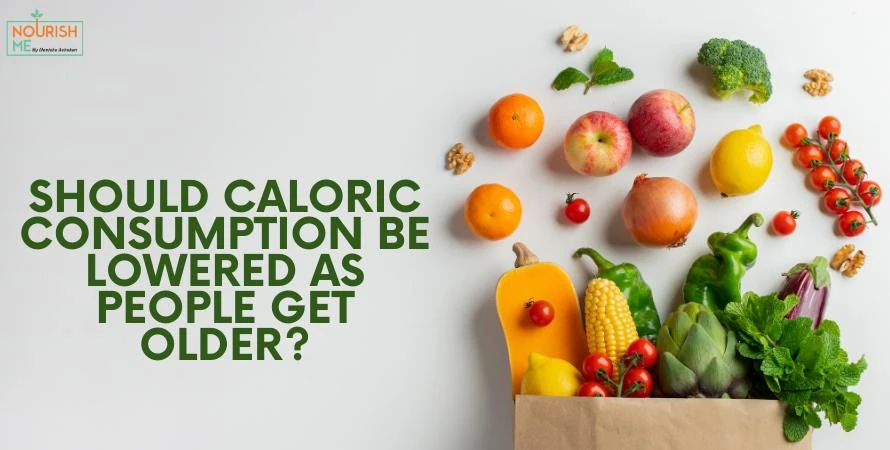
Prioritise Foods High in Nutrients: While your calorie requirements may decrease with age, your nutritional requirements are likely to be steady or even rise. Consuming foods high in vitamins, minerals, protein, carbs, and fats is the best way to ensure adequate intake. include fruits and vegetables, legumes and whole grains.
Make Better Decisions About Convenience Foods: Use the healthiest convenience foods. Frozen or low-sodium canned vegetables, packaged salad or coleslaw mix, quick oats and steamer bags of veggies in grocery store produce or freezer aisles are healthful and easy to prepare. Check prepackaged food labels. Choose foods with less sugar, saturated fat, and salt and more fibre, vitamins, and minerals.
Try Adding Supplements: If you avoid certain meals, getting some nutrients may be difficult. Ask your doctor about calcium, vitamin D, magnesium, or vitamin B-12 supplements. Older Americans rarely ingest or absorb these vitamins. Some supplements interact with drugs. Ask your doctor or chemist about side effects before taking a new supplement or prescription.
Water up regularly: You may not notice thirst as you age. Keep hydrated. Eight 8-ounce glasses of water daily. Juice, tea, soup, and water-rich fruits and vegetables provide water.
Be Active in Your Social Life: Eat with loved ones whenever possible. Mealtimes can be fun with friends.
In what ways might your healthcare professionals assist?
If obesity is putting your health at risk or hurting your joints and muscles, your doctor and a nutritionist can help you reduce weigh. Follow a balanced diet or change your eating habits if you're overweight. Speak to a registered dietitian. They can help you plan and adjust your diet. Healthy nutrition is vital throughout life, especially as you age. Nutrient-rich, low-calorie diets may help you manage chronic diseases. It can also boost your energy and help you enjoy your elderly years.



























Sign in to leave a comment.