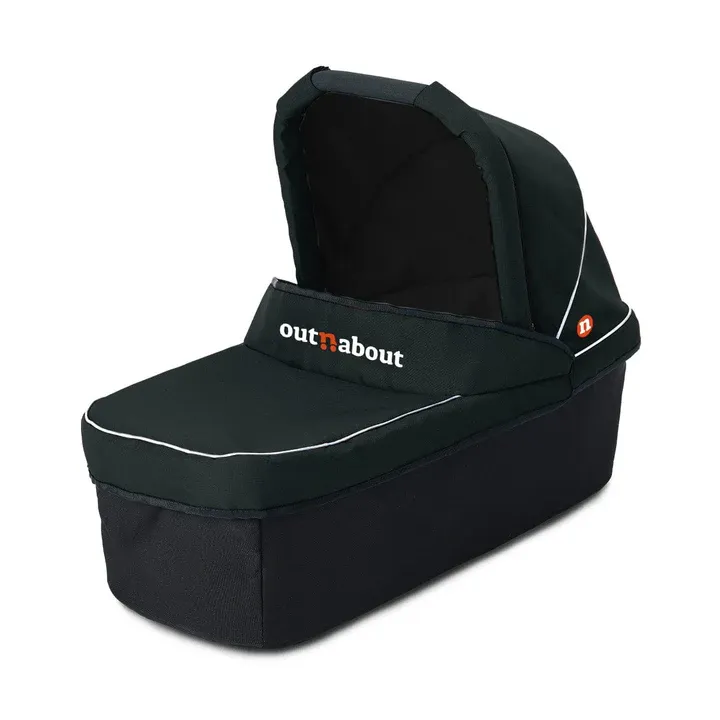

Choosing a double pram is one of the most significant decisions you will make when preparing for a second baby. With a newborn and toddler in tow, you need a pushchair that keeps both children comfortable, handles your daily terrain, and does not make you dread every school run or shopping trip. The central question most parents face is this: should you go side-by-side or tandem?
This guide breaks down both configurations honestly, covering manoeuvrability, newborn safety, toddler comfort, and how they handle in the real world, so you can choose with confidence.
Understanding the Two Configurations
Before diving into the comparison, it helps to understand what each layout actually means in practice.
A tandem double pram places one seat directly in front of the other, creating a longer chassis that resembles a standard single pushchair from the front. A side-by-side design positions both seats next to each other on a wider frame, so both children share the same view of the world ahead.
Each approach has genuine strengths and the right choice depends heavily on your lifestyle, your home environment, and how your children are likely to interact on the move.
Maneuverability: How Each Handles on the Go
Tandem Prams
Because tandem prams are narrow at the front, they feel more like a single buggy to push through tight spaces. They track well on pavements and can feel intuitive for parents upgrading from a single pushchair. However, the extended length can make them awkward to reverse, difficult to navigate in crowded cafes, and tricky to fit in certain car boots.
Side-by-Side Prams
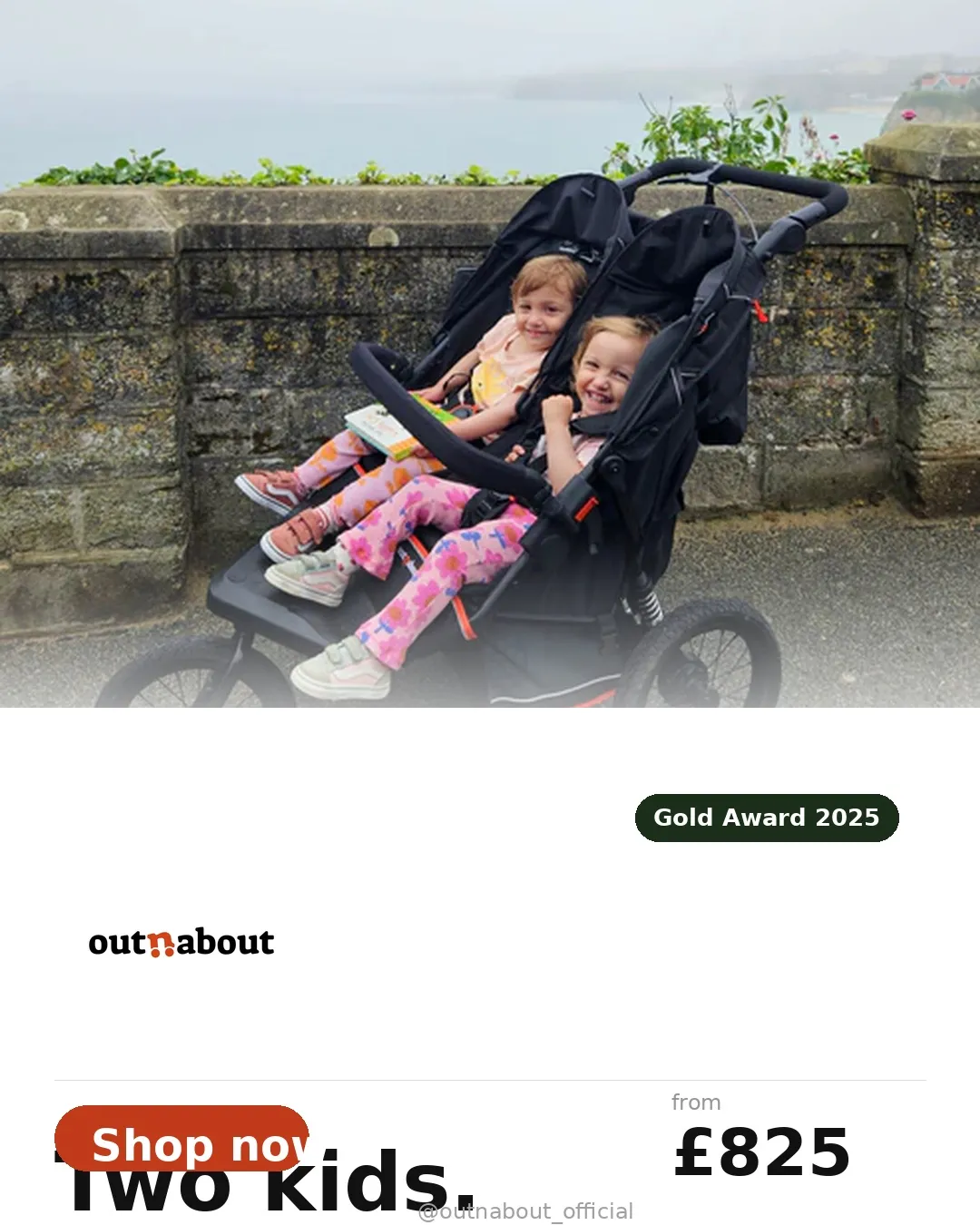
Side-by-side double prams are wider but typically shorter in length. Modern designs have tackled the doorway problem significantly. Well-engineered models now sit at 71–72 cm wide, which clears most standard UK doorways comfortably. The shorter wheelbase actually makes side-by-side models easier to steer and turn than many tandems, particularly when navigating busy streets or tight corners in shops.
For parents who regularly use a double-stroller in the UK on varied terrain from park paths to uneven pavements, a side-by-side with a robust chassis tends to handle more naturally than a long tandem frame.
Newborn Safety: What Each Layout Offers
Tandem Prams
Most tandems offer a lie-flat position in one seat, which works well for a newborn in the early months. However, the seat that lies flat is often the rear position, leaving the toddler up front. This can cause visibility issues for the parent with a lie-flat seat reclined behind a sitting toddler; monitoring a sleeping newborn becomes harder without stopping to check.
Side-by-Side Prams
With a side-by-side configuration, both children are always within the parent's line of sight. Among newborn prams designed for sibling combinations, high-quality side-by-side models allow one seat to recline fully to a lie-flat position while the other stays upright for the toddler. This is a significant safety advantage: you can glance down at your newborn at any moment without stopping or craning around the frame.
Toddler Comfort: Keeping the Older Child Happy
Toddlers are notoriously opinionated passengers, and an uncomfortable or boring ride can quickly turn an outing into an ordeal.
In a tandem pram, toddlers seated at the rear often complain about limited visibility. Being stuck behind another seat, without a clear view ahead, can make even short journeys frustrating for curious older children. In the front seat, they fare better — but then the newborn is less accessible to the parent.
Side-by-side configurations give toddlers full forward visibility and the natural proximity to their sibling, which many find entertaining rather than irritating. Being next to the baby rather than behind them also reduces the temptation to interfere with the younger child's space during the journey.
Fitting Through Doorways: The Real Test
The doorway question is the one that puts most parents off side-by-side prams, but it is less of a barrier than it once was. The key figure to look for is the frame width. A well-designed off-road pushchair built for everyday family use should sit at or under 75cm to pass through standard doors.
Tandem prams offer no advantage here in practice. While their front width is narrow, their extended rear often makes café and restaurant access just as awkward, particularly when reversing through tight spaces.
Which Layout Is Right for You?
There is no universal answer, but here is a practical way to think about it. If your priority is straight-line pavement pushing through the tightest possible spaces and you rarely venture off-road, a tandem may suit you. If you want both children visible at all times, a more manoeuvrable push on varied terrain, and a more engaging ride for your toddler, a side-by-side designed to fit through standard doorways is likely the stronger choice for a newborn-and-toddler combination.
Final Thoughts
The best double pram for a newborn and a toddler is the one that fits your actual life, your routes, your home, your children's temperaments, and your own ease of use. Both configurations have their place, but the visibility, sibling interaction, and manoeuvrability benefits of a well-designed side-by-side make it the preferred choice for most parents navigating the newborn-and-toddler stage.





























Sign in to leave a comment.