
If you've ever tried to push a standard stroller while jogging, you already know the problem, the small front wheels wobble, the frame jolts with every stride, and your baby gets a far bumpier ride than you intended. This is exactly why running pushchairs exist. But before you spend extra on specialised gear, it's worth asking: do you actually need one, or will a regular stroller do?
This guide breaks down the real differences in cost, storage, and lifestyle fit so you can make a decision based on how you'll actually use it, not just what looks good in a baby gear catalogue.
What Makes a Running Pushchair Different?
A running pushchair (sometimes called a jogging stroller) is purpose-built for movement at speed. The design choices aren't cosmetic; they directly affect safety and comfort during a run.
Key Structural Differences
- Fixed front wheel: Unlike the swivel wheels on regular strollers, running pushchairs typically have a single, locked front wheel for stability at higher speeds.
- Larger, air-filled tyres: These absorb shock far better than the small plastic wheels found on everyday strollers, smoothing out pavement cracks and uneven trails.
- Hand brake and wrist strap: Found on most dedicated jogging models, these are essential safety features absent from standard strollers.
- Reclining, supportive seating: Designed to protect a baby's neck and spine during motion, which matters more during running than walking.
A regular stroller, by contrast, is built for general everyday use, quick stops, tight turns in shops, and frequent folding, not sustained speed or rough terrain
.
Cost Comparison: Is the Investment Worth It?
This is usually the first sticking point for parents.
Running Pushchairs
Running pushchairs tend to sit at a higher price point due to their reinforced frames, larger wheels, and added safety mechanisms. They're an investment, but one that pays off if running or fast-paced walking is part of your regular routine.
Regular Strollers
Everyday strollers vary widely in price but generally cost less upfront, especially lightweight or umbrella-style models. However, using a non-running stroller for jogging can lead to faster wear and tear, meaning you may end up replacing it sooner than expected.
Bottom line: if running is a one-off or rare activity, a regular stroller is the more economical choice. If it's a weekly habit, a running pushchair will likely save you money long-term through durability alone.
Storage and Portability Considerations
H3: Single Running Pushchairs
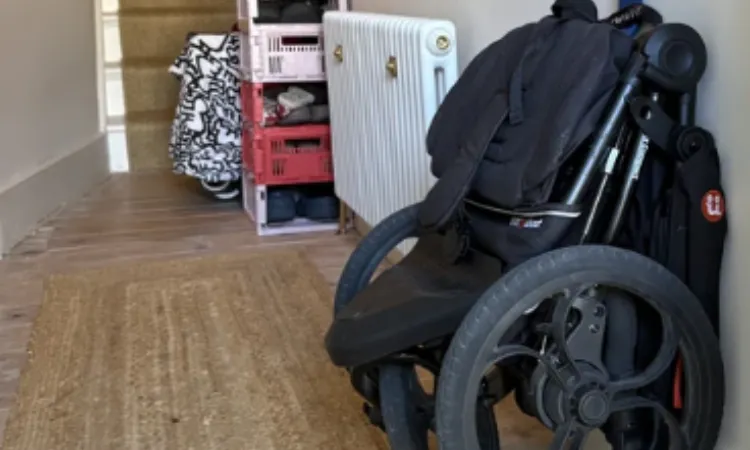
Running pushchairs are generally larger than regular strollers due to their bigger wheels and sturdier frames. This means:
- They take up more space when folded
- They may not fit easily into smaller car boots
- They're less convenient for quick errands like grocery shopping
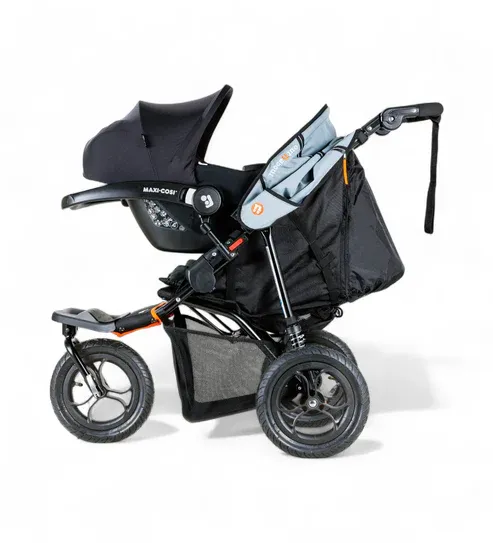
Double Buggies and Double Strollers
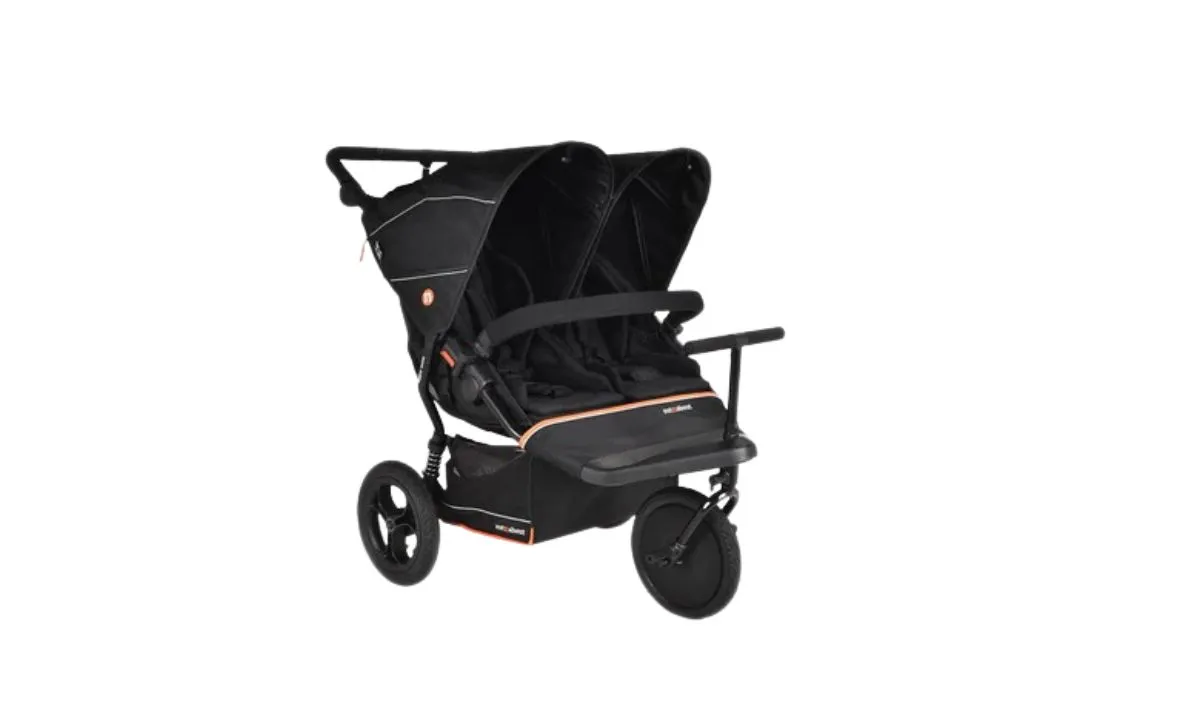
If you're managing two children, the storage conversation gets more complex. A double buggy or double stroller, running or regular, will always require more space than a single model, but running versions add extra width and wheel size on top of that. Before buying a double running pushchair, measure your storage space, car boot, and even doorways at home to avoid surprises.
If you primarily need a double stroller for daily use (school runs, errands, walks) rather than running specifically, a standard double buggy may serve you better day-to-day, even if it's less ideal for the occasional jog.
Lifestyle Factors to Weigh Up
How Often Will You Actually Run With It?
Be honest with yourself here. A running pushchair makes sense if:
- You run or power-walk multiple times a week
- You want to maintain fitness routines postpartum
- You frequently use uneven terrain like trails, parks, or gravel paths
A regular stroller is likely sufficient if:
- Running is occasional or seasonal
- You mostly stick to smooth pavements or indoor spaces like malls
- Storage space is limited and you need maximum foldability
Terrain and Environment
Parents living near parks, trails, or uneven pavements benefit more from a running pushchair's superior shock absorption. Urban parents who mostly navigate shops, lifts, and tight spaces may find the manoeuvrability of a standard stroller more practical for daily life.
Making the Final Call
There's no universally "right" answer; it depends entirely on your routine. If running is a core part of your week and you want a smooth, safe ride for your baby, a dedicated running pushchair is worth the investment. If your needs are more occasional or general-purpose, a standard stroller (or double buggy, if you have two little ones) will likely cover your needs without the added bulk and cost.
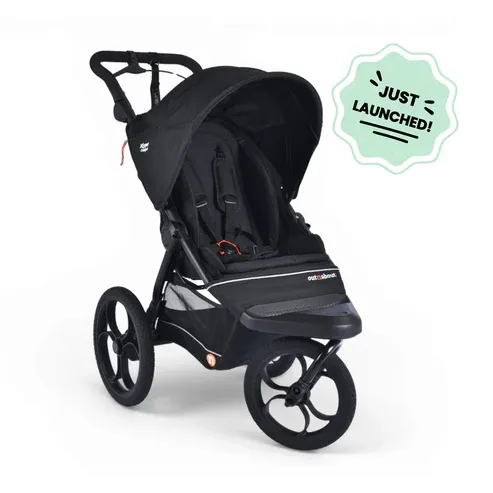
For parents ready to commit to a proper jogging setup, the Nipper Sport V5 Jogging Pushchair is a solid example of what a dedicated running pushchair offers: a sturdy build, weather-ready with an included rain cover, and designed specifically for parents who want fitness and parenting to move together, literally.
Final Thoughts
Choosing between a running pushchair and a regular stroller comes down to honest self-assessment: how you live, how often you run, and how much storage you realistically have. Whichever you choose, prioritising your baby's comfort and safety over convenience alone will always be the right call.

















Sign in to leave a comment.