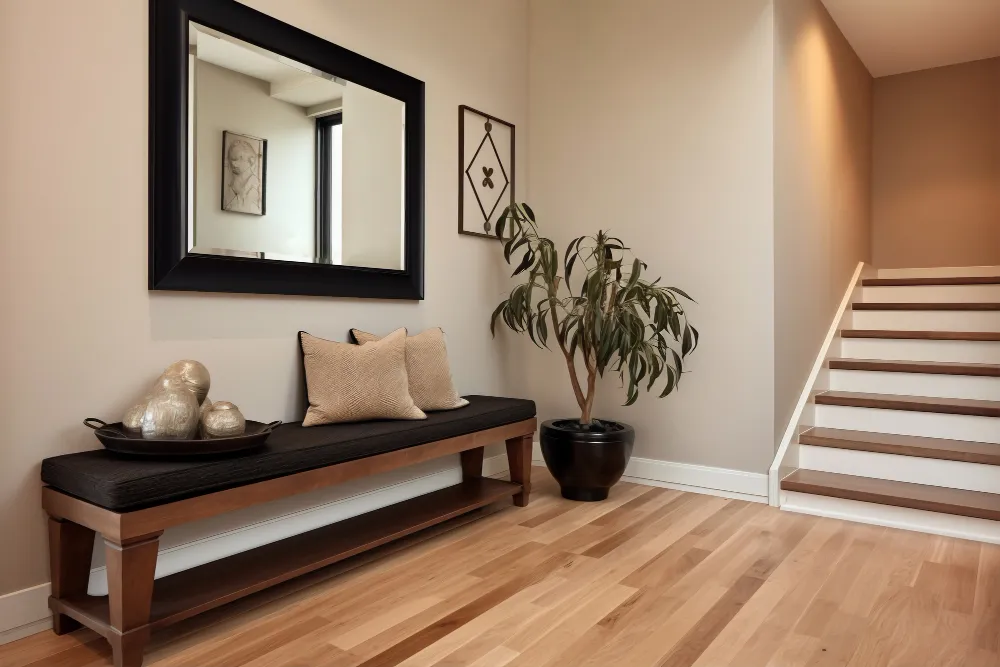

Hardwood floors are one of the most durable and timeless features in any home. But even the highest-quality wood flooring doesn’t last forever without maintenance. Over time, daily wear, moisture, and shifting conditions can take a toll, leaving homeowners wondering whether they should refinish or fully replace their floors.
If you’re noticing changes in your flooring, here are the key signs that will help you decide the right course of action.
1. Deep Scratches and Surface Damage
Minor scratches are normal and can usually be fixed with refinishing. However, if your floors have deep gouges, dents, or widespread surface damage, refinishing may not be enough.
- Refinish if: Scratches are shallow and limited to the top layer
- Replace if: Damage penetrates deep into the wood or affects large areas
Deep damage often indicates structural wear that sanding alone can’t fix.
2. Fading, Discoloration, or Uneven Tones
Sunlight, spills, and aging can cause hardwood floors to fade or develop uneven coloring. This is especially common in high-traffic areas or rooms with large windows.
- Refinishing can restore the original color and shine
- If discoloration is severe or inconsistent across boards, replacement may provide a more uniform look
For homeowners investing in hardwood flooring in Boulder, maintaining consistent color is key to preserving both aesthetics and property value.
3. Water Damage and Warping
Water is one of the biggest threats to hardwood flooring. Signs of damage include:
- Warped or buckling boards
- Soft or spongy spots
- Dark stains or mold growth
- Refinish if: Damage is minimal and localized
- Replace if: Water has caused structural warping or widespread issues
Ignoring water damage can lead to bigger problems, including subfloor damage.
4. Squeaking or Movement in the Floor
Some creaking is normal, especially in older homes. But excessive movement or loud squeaking may signal underlying issues.
- Loose boards can sometimes be fixed during refinishing
- If the subfloor is compromised, replacement is often the better long-term solution
A stable floor is essential for both comfort and safety.
5. Worn-Out Finish and Dull Appearance
Over time, the protective finish on hardwood floors wears down, leaving them looking dull and lifeless. You may also notice:
- Difficulty cleaning
- Stains soaking into the wood
- Lack of shine even after polishing
This is one of the clearest signs that refinishing is needed. Sanding and resealing can restore the floor’s original beauty and add years to its lifespan.
6. Multiple Previous Refinishing Jobs
Hardwood floors can only be refinished a limited number of times. Each sanding removes a thin layer of wood, and eventually, there’s not enough material left.
- Solid hardwood typically allows for several refinishing cycles
- Engineered wood has a thinner top layer and fewer refinishing opportunities
If your floors have already been refinished multiple times, replacement may be the only option left.
7. Outdated Style or Layout Changes
Sometimes, the issue isn’t damage, it’s design. Older flooring styles may not match modern interiors or your updated space.
- Refinishing can change stain color for a refreshed look
- Replacement allows for:
- Wider planks
- New wood types
- Modern finishes
For homeowners upgrading hardwood flooring in Boulder, aligning flooring style with current trends can significantly enhance home appeal.
8. Persistent Odors or Hidden Issues
If your floors retain odors from pets, moisture, or spills, it could indicate deeper absorption into the wood.
- Light odors may be removed during refinishing
- Strong, persistent smells often require full replacement
This is especially important in homes where hygiene and indoor air quality are a priority.
Refinishing vs. Replacing: How to Decide
Choosing between refinishing and replacing comes down to three key factors:
1. Extent of Damage
- Surface-level issues → Refinish
- Structural or deep damage → Replace
2. Floor Thickness
- Enough wood remaining → Refinish
- Too thin → Replace
3. Long-Term Goals
- Want to restore → Refinish
- Want to upgrade → Replace
Refinishing is typically more cost-effective, while replacement offers a complete transformation.
Final Thoughts
Hardwood floors are an investment, and knowing when to refinish or replace them can save you time, money, and frustration. While refinishing is ideal for restoring beauty and extending lifespan, replacement becomes necessary when damage is extensive or the floor has reached its limit.
By paying attention to these signs early, you can take proactive steps to maintain your floors and keep your home looking its best for years to come.






















Sign in to leave a comment.