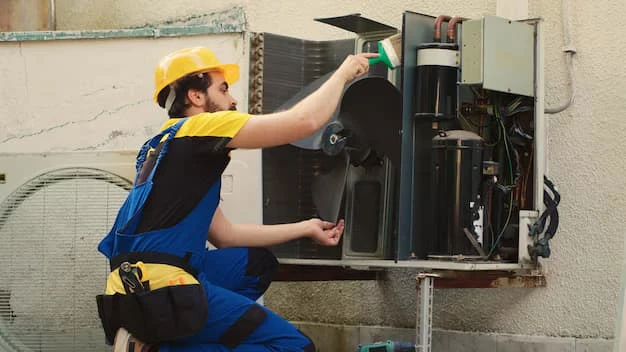

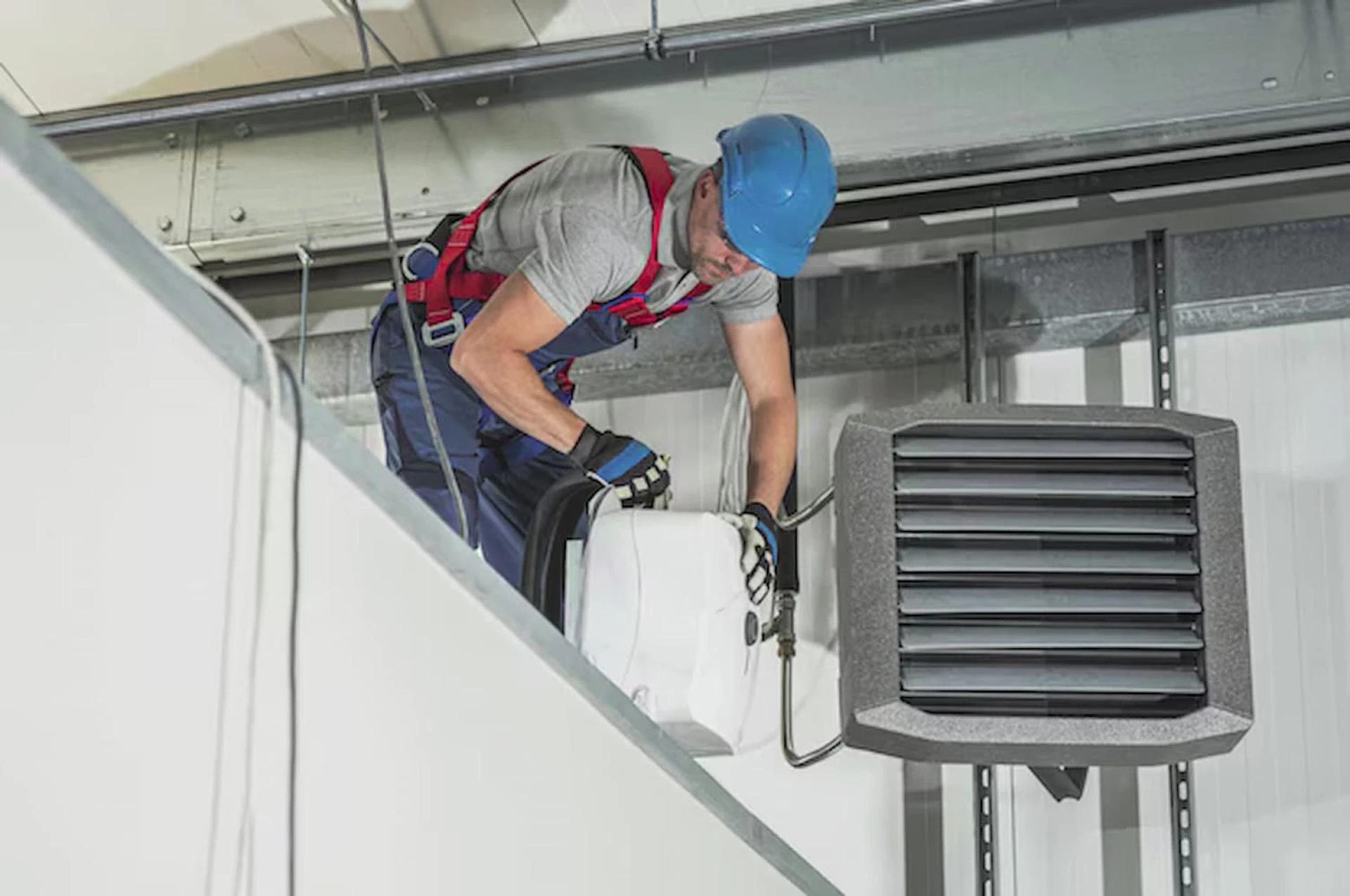
Air conditioning systems play a critical role in maintaining comfort, indoor air quality, and even health, especially during warmer months. When an AC unit begins to malfunction, the signs are often subtle at first but can escalate quickly if ignored. Understanding the warning signals can help homeowners and property managers take prompt action before a small issue turns into a costly breakdown. This article explores the most common and urgent indicators that professional air conditioning repair is needed immediately, along with explanations of why timely attention matters.
In a third person perspective, the goal is to inform readers about what to watch for, how these problems affect daily life, and why quick intervention can protect both comfort and investment.
Weak or No Airflow from Vents
One of the earliest and most noticeable signs of trouble is reduced airflow. When cool air is no longer circulating properly through the vents, it indicates that the system is struggling to perform its basic function.
Causes of Weak Airflow
Restricted airflow can stem from clogged air filters, blocked ductwork, or a failing blower motor. Dirt and debris accumulation inside the system forces components to work harder, reducing efficiency and output. In some cases, internal parts may be damaged or worn out, preventing adequate air movement.
Why This Requires Immediate Attention
Weak airflow puts additional strain on the entire system. Over time, this can lead to overheating, increased energy consumption, and eventual system failure. Addressing the issue quickly helps restore comfort and prevents further damage.
Warm Air Coming from the AC Unit
When an air conditioner blows warm or room temperature air instead of cool air, it is a clear sign that something is wrong.
Common Reasons for Warm Air
This problem often results from refrigerant leaks, compressor issues, or thermostat malfunctions. Refrigerant is essential for cooling, and when levels are low, the system cannot remove heat effectively. Electrical or mechanical failures can also interrupt the cooling cycle.
Impact on Indoor Comfort
Warm air during hot weather can make indoor spaces uncomfortable and even unsafe for vulnerable individuals. Immediate repair ensures the system can return to proper cooling performance without prolonged discomfort.
Unusual or Loud Noises During Operation
Air conditioning systems typically operate with a low, steady hum. Any sudden or unusual noises should be taken seriously.
Types of Concerning Sounds
Grinding, squealing, rattling, or banging noises often indicate loose parts, worn bearings, or motor issues. These sounds suggest that components are either misaligned or close to failure.
Risks of Ignoring Strange Noises
Continuing to run a noisy system can cause parts to break completely, leading to more extensive and expensive repairs. Prompt inspection can prevent a minor issue from escalating into a full system replacement.
Foul or Unpleasant Odors from Vents
Strange smells coming from an air conditioning system are another red flag that should not be ignored.
Possible Sources of Odors
Musty smells may indicate mold or mildew growth inside the unit or ductwork. Burning odors could signal electrical problems or overheating components. Both scenarios pose potential health and safety risks.
Health and Safety Concerns
Poor indoor air quality can trigger allergies, respiratory issues, and headaches. Electrical odors may even indicate a fire hazard. Immediate professional attention helps eliminate these dangers and restores clean airflow.
Frequent Cycling or Constant Running
An AC system should cycle on and off at regular intervals. When it turns on and off too frequently or runs continuously without reaching the desired temperature, there is likely an underlying issue.
What Causes Short Cycling
Short cycling can be caused by thermostat problems, dirty coils, refrigerant issues, or an improperly sized system. Each of these forces the unit to work inefficiently.
Long Term Consequences
Frequent cycling increases wear and tear on components, shortens system lifespan, and raises energy bills. Immediate repair can stabilize operation and improve overall efficiency.
Sudden Increase in Energy Bills
A noticeable spike in energy costs without a change in usage habits often points to an inefficient air conditioning system.
How AC Problems Affect Energy Use
When internal components malfunction, the system consumes more electricity to achieve the same level of cooling. Dirty filters, failing motors, and refrigerant leaks all contribute to higher energy consumption.
Financial Impact of Delayed Repairs
Ignoring the issue not only leads to higher monthly bills but can also result in costly repairs down the line. Timely service helps restore efficiency and keeps energy expenses under control.
Moisture or Leaks Around the Unit
Water or moisture accumulation near the air conditioning unit is a sign that something is not functioning properly.
Common Reasons for Leaks
Clogged condensate drains, frozen evaporator coils, or refrigerant leaks can cause excess moisture. While condensation is normal, pooling water is not.
Potential Damage to Property
Leaks can damage flooring, walls, and ceilings, and promote mold growth. Immediate repair prevents water damage and protects the surrounding environment.
Poor Indoor Humidity Control
Air conditioners are designed to remove excess humidity from indoor air. When humidity levels remain high, it can indicate system trouble.
Signs of High Humidity Indoors
Sticky air, condensation on windows, and a general feeling of discomfort are common indicators. These symptoms suggest the system is not dehumidifying effectively.
Why Humidity Issues Matter
High humidity can encourage mold growth and make indoor spaces uncomfortable. Addressing the issue quickly helps maintain a healthy and pleasant living environment.
Thermostat Not Responding Properly
The thermostat serves as the control center for an air conditioning system. When it fails to communicate accurately, the entire system suffers.
Symptoms of Thermostat Problems
Inconsistent temperatures, unresponsive controls, or incorrect readings are common signs. Sometimes the issue lies with wiring or sensor placement rather than the unit itself.
Importance of Accurate Temperature Control
A malfunctioning thermostat can cause unnecessary strain on the system and reduce comfort. Immediate diagnosis ensures proper communication and efficient operation.
AC System Age and Frequent Breakdowns
Older systems that require frequent repairs may be signaling the need for immediate attention.
Wear and Tear Over Time
As systems age, components naturally wear out. Frequent breakdowns indicate that the unit is struggling to keep up with demand.
Deciding Between Repair and Replacement
While some issues can be repaired, repeated failures suggest deeper problems. Professional evaluation helps determine the most cost effective and reliable solution.
Why Immediate Repair Is Essential
Delaying air conditioning repairs often leads to more severe damage, higher costs, and prolonged discomfort. Early intervention not only restores cooling performance but also extends the life of the system.
Protecting System Efficiency
Timely repairs ensure that all components work together efficiently. This reduces energy consumption and improves overall performance.
Ensuring Comfort and Peace of Mind
A properly functioning air conditioner provides consistent comfort and reliable operation. Immediate attention to warning signs helps avoid unexpected breakdowns during peak usage periods.
Conclusion
Recognizing the signs that an air conditioning system needs immediate repair can make a significant difference in comfort, safety, and long term costs. From weak airflow and strange noises to rising energy bills and moisture issues, these warning signals should never be ignored. Prompt professional service helps maintain efficiency, protect indoor air quality, and prevent costly damage.
For expert support and dependable service when these issues arise, homeowners and businesses can rely on the experience and professionalism of Green Air Engineering.
























Sign in to leave a comment.