Introduction
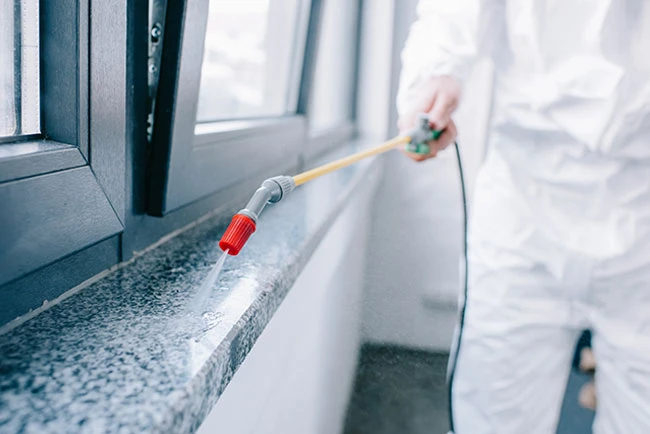
DoSomething Termites can cause more serious damage before we notice them. Detection up-front is imperative if you wish to avoid expensive maintenance and restore your property value. Discovering the subtle clues that these pests leave behind is something that many property owners take for granted. Detecting certain signs may help prevent widespread damage to homes and businesses. Recognising these indicators helps in taking prompt action and maintaining a sense of calm.
1. Mud Tubes along Walls or Foundations
Perhaps the most obvious sign of termite infestation is the presence of mud tubes. These tunnels are thin in appearance and the colour of dirt, and they typically stick up against walls or foundations, or underneath a crawl space. Homeowners often seek professional termite control in Campbelltown to address these early warning signs and prevent further damage. These tubes are constructed by termites to ensure their protection when moving from their nest to a food source and back. If mud tubes are present, it indicates a colony was already established nearby.
2. Hollow-Sounding Timber
Tapping a wooden structure can reveal hidden problems. If the wood sounds hollow or papery, termite feeding damage may have occurred. Since termites typically eat timber from the inside out, only a thin layer remains. Ultimately, this destruction compromises the structure itself and, over time, can become dangerous. When these indications are present, a professional inspection is advised.
3. Blistered or Peeling Paint
If the paint seems to be blistering or flaking unexpectedly, it is due to the moisture that results from termites. These insects tunnel just beneath the surface of the wood, trapping moisture and causing the paint to bubble. When it comes to moisture issues, there are many potential causes, but do not dismiss the possibility of termite infestation. Finding the real cause through expert advice is essential.
4. Wings Being Shed Near Windows & Doorways
Termite swarming occurs at various times of the year to establish new colonies. Following mating, these insects lose their wings and leave a small mound near entrances. If you see broken wings inside or around your property, it is a sign of termites. Prompt action can stop these invaders in their tracks.
5. Visible Frass or Termite Droppings
Drywood termites’ faecal pellets, called frass, are small and pellet-like. They often collect in tiny heaps under the infested wood or on windowsills. When frass is observed, it means the termites are actively feeding and a colony is expanding. Routine cleaning can quickly spot any new droppings and be useful for gauging the severity of the problem.
6. Doors or Windows That Stick
Difficulty in opening and closing wooden doors or timber-pane windows indicates an infestation. Termites eat through the wood within walls, causing changes to the structure and alignment. The effects of swelling or warping can worsen over time, making repairs costly. These changes can be detected early and treated promptly.
7. Cracked or Distorted Wood Surfaces
Changes in wood surfaces are normally gradual, and termites generally do not cause major alterations all at once. Cracks, grooves, or small distortions may form without apparent reason. These blemishes occur as the insects create tunnels and eat through the timber. Ignoring these signals could lead to more serious structural problems and costly fixes in the future.
8. Noises Coming from Walls
In some cases, you may hear faint clicking or tapping from walls that are infested. Termites chew noisily as they work, while soldier termites will bang their heads against the walls of tunnels when disturbed. These noises are often more noticeable at night, when surrounding sounds are reduced. Such sounds should be investigated by specialist experts.
9. Sagging Floors or Ceilings
When termites eat the timber that supports structural elements like floors and ceilings, these elements can begin to sag. Any dip or bump in between could signify a hidden infestation. No change should be overlooked as it could potentially become dangerous. Inspection and early intervention restore safety before further decay occurs.
10. Presence of Live Termites
Seeing live termites is a serious warning sign. These soft-bodied insects are generally creamy-white and occur gregariously in wood or soil. Live termites are easiest to find mainly inside in a large infestation. By obtaining expert help immediately, further destruction can be minimised, and your property can be returned to its proper integrity.
Conclusion
Early detection of termites is the best way to control damage and reduce repair costs. Any of these signs should trigger prompt action. By hiring a professional termite control service, the pests will be identified, treated, and prevented efficiently. Timely intervention protects your property and provides peace of mind for owners and residents.

















Sign in to leave a comment.