
What is a Silicone Resuscitator?
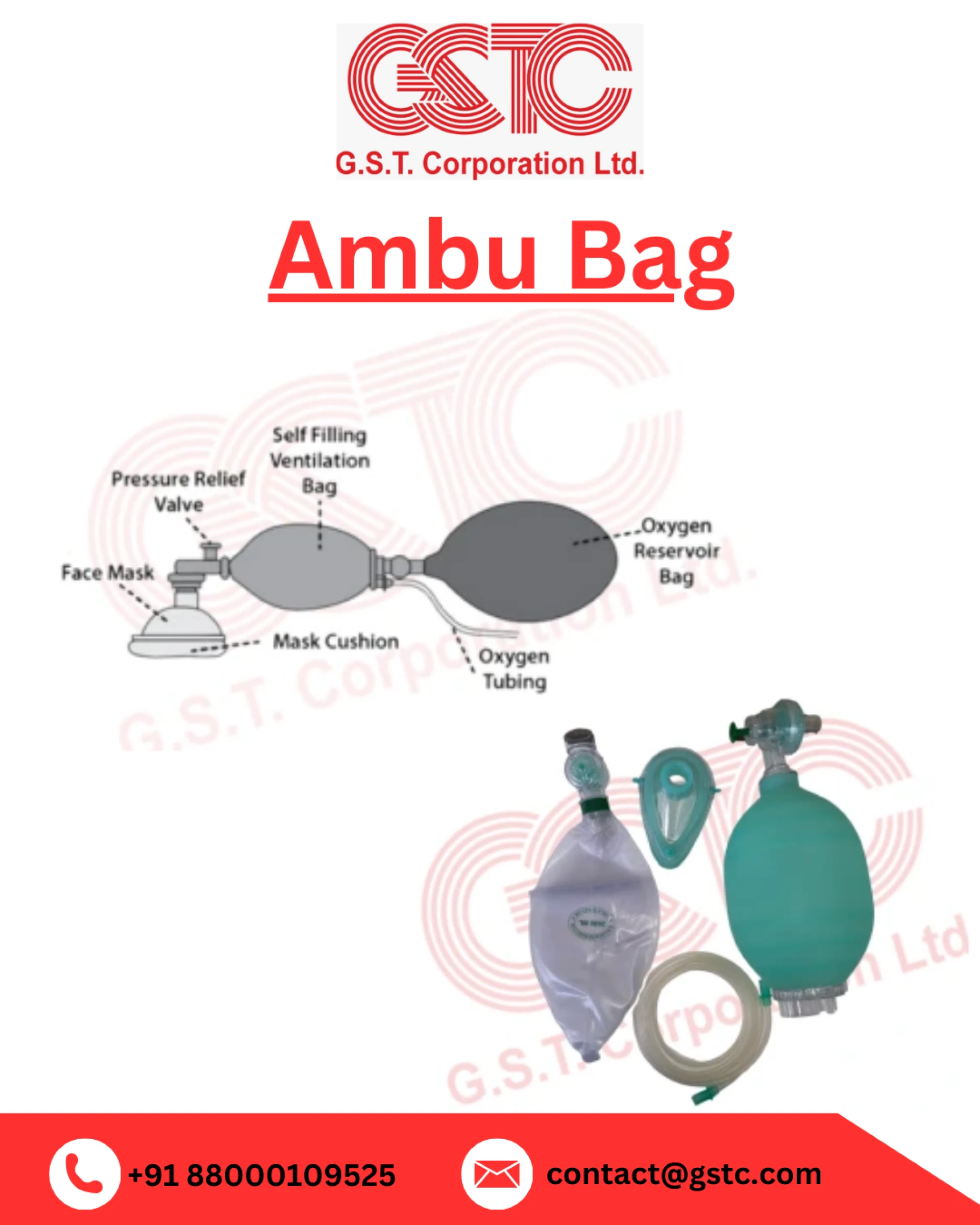
The Silicone Resuscitator, or manual resuscitator/Ambu bag, is a hand-held device used to provide positive pressure ventilation to a patient who is not breathing or not breathing adequately. This device is generally manufactured with high-grade medical silicone and can undergo repeated sterilization.
Ambu bag has become a generic term for this device, whereas AMBU was originally a global brand name. The new version in silicone offers flexible applications, durability, and optimum performance.
How Does It Work?
Silicone resuscitators are meant to work on manual compression. The provider squeezes the self-inflating bag, pushing air through the valve and into the lungs of the patient via a mask. Then, upon release, the bag fills up with air for the next compression. The bag can deliver close to 100% oxygen if connected to an oxygen source.
The resuscitator serves its purpose best in emergencies:
- Arrested heart
- Respiratory failure
- During anesthesia
- Resuscitation of newborns
- An emergency on the go (ambulance situations)
Applications of the Silicone Resuscitator
The Silicone Resuscitator is an exceedingly important appliance for most emergencies in clinical practice or everyday care, where a person is unable to breathe adequately. Below are some of the indicated areas of its application:
1. Emergency Care (CPR and Arrest of Heart)
- It is used for applying artificial ventilation when, during cardiopulmonary resuscitation, breathing stops.
- Deliver oxygen artificially until advanced equipment is available.
2. Anesthesia Employing
It is utilized by anesthesiologists to deliver ventilation to the clients undergoing surgeries while under anesthesia and cannot breathe spontaneously.
3. Ambulances and Transferring Patients
An essential part of the transportation unit in ambulances to keep breathing intact during transfer to hospital facilities.
4. Neonatal and Pediatric Care
Specialized types for newborns and children have applications in the delivery room and in pediatric ICUs for the care of immature or distressed lungs.
5. Home Health Care
This same manual resuscitator may be used as a backup device in some emergencies for patients suffering from long-term respiratory disease.
6. Disaster Response & Military Medical Kits
Lightweight, portable, reusable- ideal for field conditions and mobile emergency teams.
Advantages of Silicone Resuscitator
A silicone manual resuscitator boasts a variety of advantages over traditional or disposable alternatives:
1. Eco-Friendly & Sustainable
Compared to disposable Ambu bags made from PVC, silicone ones are reusable and reduce the burden of medical waste.
2. Economic
The initial expenses are a bit higher, but in the long run, it becomes an economical device.
3. High Sterilization Compatibility
That means through repeated exposure to high-heat sterilization, silicone allows for complete disinfection and cleaning in between uses.
4. Strong and Reliable
Silicone withstands wear and tear, chemicals, and temperature changes thereof making it very good for prolonged use.
5. Patient Safety
Non-toxic, latex-free, and transparent material ensures safety for patients and ease of monitoring for healthcare providers.
Usage of Silicone Resuscitator
The correct application of the silicone bag is necessary for effective patient management. The following constitutes a simplified version:
Step 1: Prepare the Device
- The face mask should be placed on the patient's valve.
- Connect the oxygen tubing to the oxygen supply if available.
- Attach the oxygen reservoir bag (optional for higher oxygen concentration).
Step 2: Positioning the Patient
- A lay-flat position on your back.
- A slight extension of the head will open the airway (the "head tilt, chin lift" technique).
Step 3: Seal the Mask
- Apply the mask to the nose and mouth of the patient and secure it tightly to prevent any air leaks.
Step 4: Commence Ventilation
- Squeeze the bag smoothly once every 5–6 seconds (for adults) or every 3–5 seconds for children/infants.
- Watch for chest movement to confirm effective ventilation.
Step 5: Monitor Patient Response
- The movements of the chest, discoloration of the skin, and oxygenation (if monitored) are constantly observed.
- Adjust pressure and rate as necessary according to the patient's age and clinical condition.
Conclusion
The Silicone Resuscitator, commonly referred to as a Silicone Ambu Bag, stands as an indispensable tool in emergency and respiratory care. Its manual ventilation capability ensures that healthcare professionals can provide immediate respiratory support in critical situations, making it a vital component in hospitals, ambulances, and clinical settings. For healthcare providers, medical distributors, and clinical buyers, investing in a high-quality silicone manual resuscitator is not just a procurement decision but a commitment to patient safety and care excellence. Recognizing this need, GSTC offers top-tier Silicone Resuscitators that meet stringent quality standards, ensuring readiness to save lives at any moment.




























Sign in to leave a comment.