
Introduction
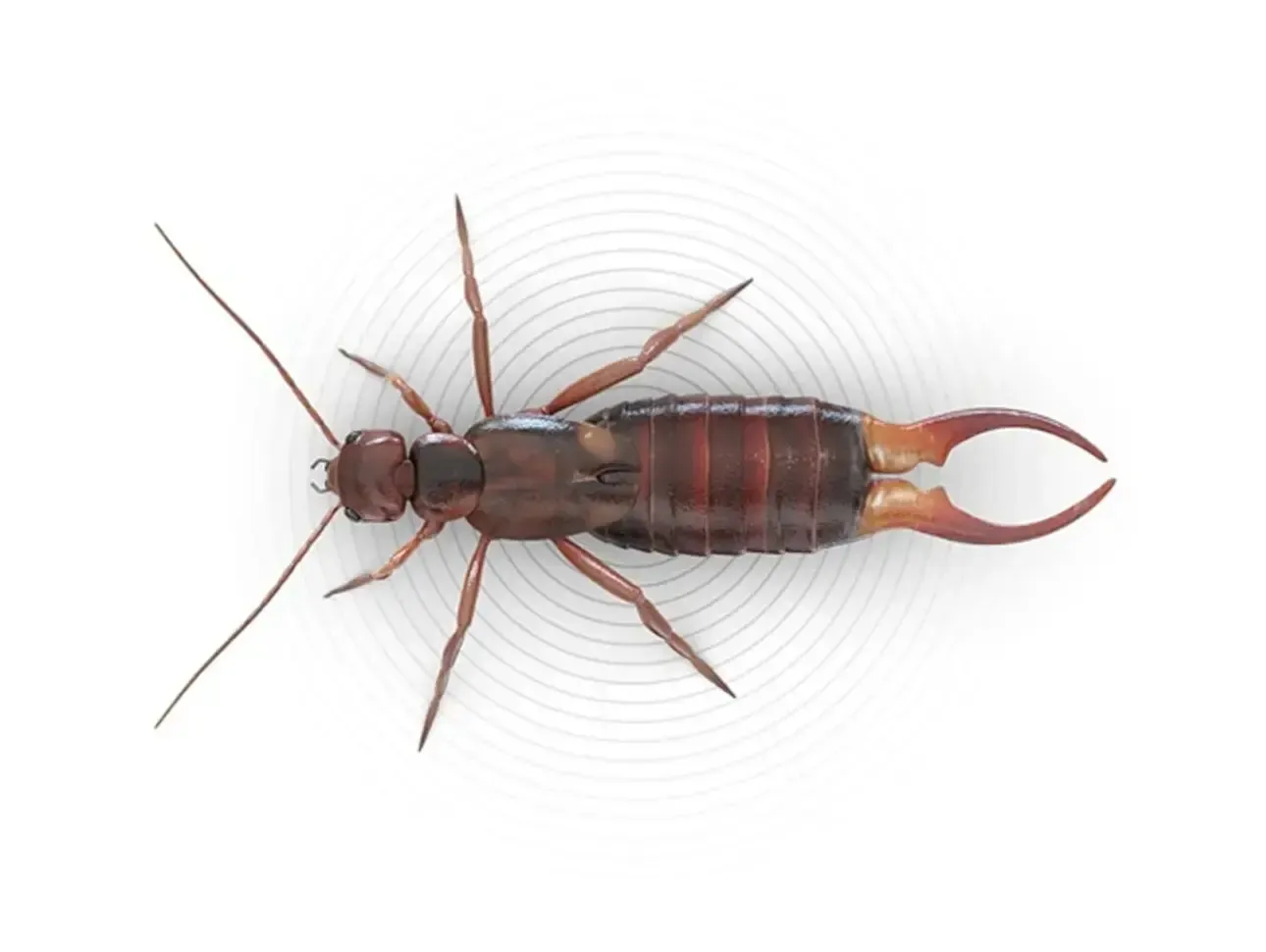
Many homeowners become concerned when they notice small insects moving around damp areas of their property. Earwigs are common pests that often appear in gardens, basements, crawl spaces, and other locations where moisture is present. Although they are not known for causing serious harm to people, their presence can become frustrating when their numbers increase. They can damage flowers, vegetables, and ornamental plants while also making their way indoors in search of shelter.
Understanding why these insects appear and learning how to reduce the conditions that attract them can help protect your home and outdoor spaces. Taking preventive action early is often the best way to avoid larger infestations. By focusing on cleanliness, moisture management, and regular inspections, property owners can create an environment that is less inviting to unwanted pests.
Understanding Earwig Behavior
Earwigs are nocturnal insects. This means they remain hidden during the day and become active at night. They prefer cool and damp environments where they can stay protected from direct sunlight and dry conditions. Common hiding places include mulch, piles of leaves, wood stacks, rocks, and thick vegetation.
These insects often move closer to homes when outdoor conditions become too dry or when they find easy access to moisture around foundations. Cracks in walls, gaps around doors, and openings near utility lines can allow them to enter structures. Once indoors, they usually gather in bathrooms, laundry rooms, basements, and other humid areas.
Knowing their habits is important because it helps property owners identify risk factors before an infestation develops. Prevention becomes much easier when you understand what attracts these insects in the first place.
Common Signs of Activity Around Your Property
Many people do not notice a problem until they start seeing insects regularly. One of the most common signs is finding them in damp indoor locations. You may notice them near sinks, tubs, floor drains, or storage areas with high humidity.
Outdoor plant damage is another warning sign. Earwigs feed on leaves, flowers, fruits, and vegetables. Small holes in foliage and irregular chewing patterns can indicate their presence. Gardeners may also find insects hiding beneath pots, garden decorations, or mulch during the day.
Increased sightings after rainfall are also common. Wet weather often encourages these pests to move around in search of food and shelter. If you repeatedly notice them near your home, it may be time to inspect the property for conditions that support their survival.
Why Moisture Plays a Major Role
Moisture is one of the biggest factors that influence pest activity. Earwigs need damp environments to survive, making water management an essential part of prevention. Leaking pipes, clogged gutters, poor drainage, and standing water can all create favorable conditions.
Basements and crawl spaces are especially vulnerable because they often retain moisture. Condensation around plumbing fixtures and inadequate ventilation can increase humidity levels, making these areas attractive hiding spots.
Property owners can reduce risks by repairing leaks promptly, improving airflow, and ensuring water drains away from the foundation. Dehumidifiers may also help in areas where excess moisture is difficult to control. Simple maintenance tasks can significantly reduce the likelihood of ongoing insect activity.
Protecting Your Garden and Landscape
Gardens often provide ideal shelter because they contain moisture, food sources, and numerous hiding places. Maintaining outdoor spaces properly can make a noticeable difference in reducing pest populations.
Regularly removing dead leaves, grass clippings, and organic debris helps eliminate common hiding spots. Trimming overgrown plants and keeping vegetation away from the exterior walls of your home also improves airflow and reduces moisture retention.
Mulch should be used carefully. While mulch helps retain moisture for plants, excessive amounts can create conditions that encourage insects. Keeping mulch at a reasonable depth and maintaining a gap between mulch and the foundation can help minimize potential problems.
Proper watering practices are equally important. Overwatering lawns and flower beds creates damp conditions that support pest survival. Watering early in the day allows soil and vegetation to dry more effectively.
Preventing Indoor Entry
Keeping insects outside often starts with improving the physical barriers around your property. Small openings can provide easy access to structures. Sealing cracks around foundations, repairing damaged screens, and installing weather stripping around doors can help reduce entry points.
Windows should fit securely, and damaged seals should be replaced when necessary. Utility openings where pipes and cables enter the building should also be inspected and sealed.
Maintaining a clean indoor environment further reduces attraction. Storage areas should remain organized, and cardboard boxes should be kept off the floor when possible. Reducing clutter limits the number of hiding places available to pests that accidentally find their way indoors.
Natural Prevention Methods
Many homeowners prefer environmentally friendly solutions when managing insect issues. Several natural methods can help reduce activity without relying heavily on chemical treatments.
Cleaning up outdoor debris is one of the most effective approaches. Reducing moisture levels and improving sanitation can make the environment less favorable for pests. Traps can also be used to monitor activity levels. Rolled newspapers, cardboard tubes, or damp cloths placed overnight can attract insects seeking shelter. These traps can then be removed and discarded.
Encouraging natural predators may also provide some benefits. Birds and certain beneficial insects feed on earwigs and can help maintain balance within outdoor ecosystems.
While natural methods may not eliminate large infestations, they often play an important role in a broader prevention strategy.
When Professional Assistance Becomes Necessary
In some situations, preventive efforts alone may not be enough. Large populations, recurring infestations, or difficult-to-access nesting areas can require professional attention.
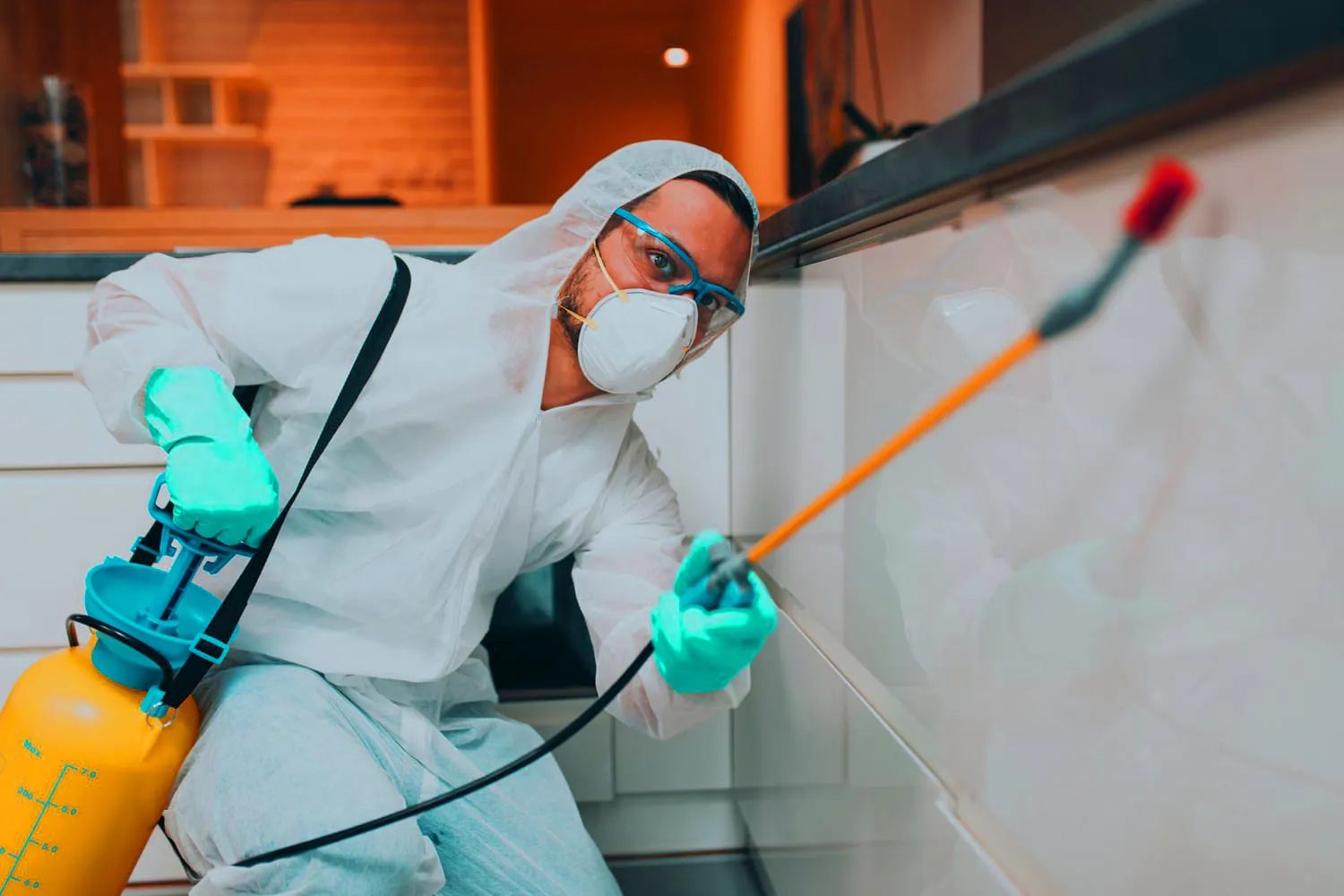
Experienced pest specialists understand how to identify contributing factors and develop customized solutions based on the property's specific needs. A detailed inspection often reveals moisture problems, entry points, and environmental conditions that may otherwise go unnoticed.
Professional treatment plans focus not only on reducing current activity but also on preventing future issues. This comprehensive approach provides long-term protection and helps property owners maintain a more comfortable environment.
Benefits of Ongoing Monitoring
Pest management should not be viewed as a one-time task. Regular inspections and monitoring help detect changes before they become major concerns. Seasonal weather patterns, landscaping modifications, and structural changes can all influence pest activity.
Routine property checks allow homeowners to identify potential issues early. Looking for signs of moisture, damaged seals, or accumulating debris can prevent conditions from developing that support insect populations.
Long-term prevention often requires a combination of maintenance, sanitation, and monitoring. Consistency is the key to reducing risks throughout the year.
Frequently Asked Questions
What attracts earwigs to a home?
They are attracted to moisture, shelter, and food sources. Damp areas around foundations, gardens, and basements often provide ideal conditions.
Are earwigs dangerous to people?
They are generally considered harmless to humans. They do not spread diseases and rarely cause any significant health concerns.
How do I keep earwigs out of my garden?
Reduce excess moisture, remove debris, trim vegetation, and avoid overwatering plants. These steps help create less favorable conditions.
Can earwigs enter through small cracks?
Yes. Small openings around doors, windows, foundations, and utility lines can allow them to enter structures.
How often should preventive measures be performed?
Property maintenance should be ongoing throughout the year. Regular inspections and seasonal adjustments help maintain effective protection.
Conclusion
Protecting a property from unwanted insects requires attention to moisture control, sanitation, landscaping, and structural maintenance. Understanding how these pests behave makes it easier to reduce the factors that attract them. Homeowners who take preventive action early are more likely to avoid recurring infestations and maintain a healthier environment. When professional guidance is needed, partnering with My Pest Exterminator can help property owners develop effective solutions that support long-term pest prevention and peace of mind.























Sign in to leave a comment.