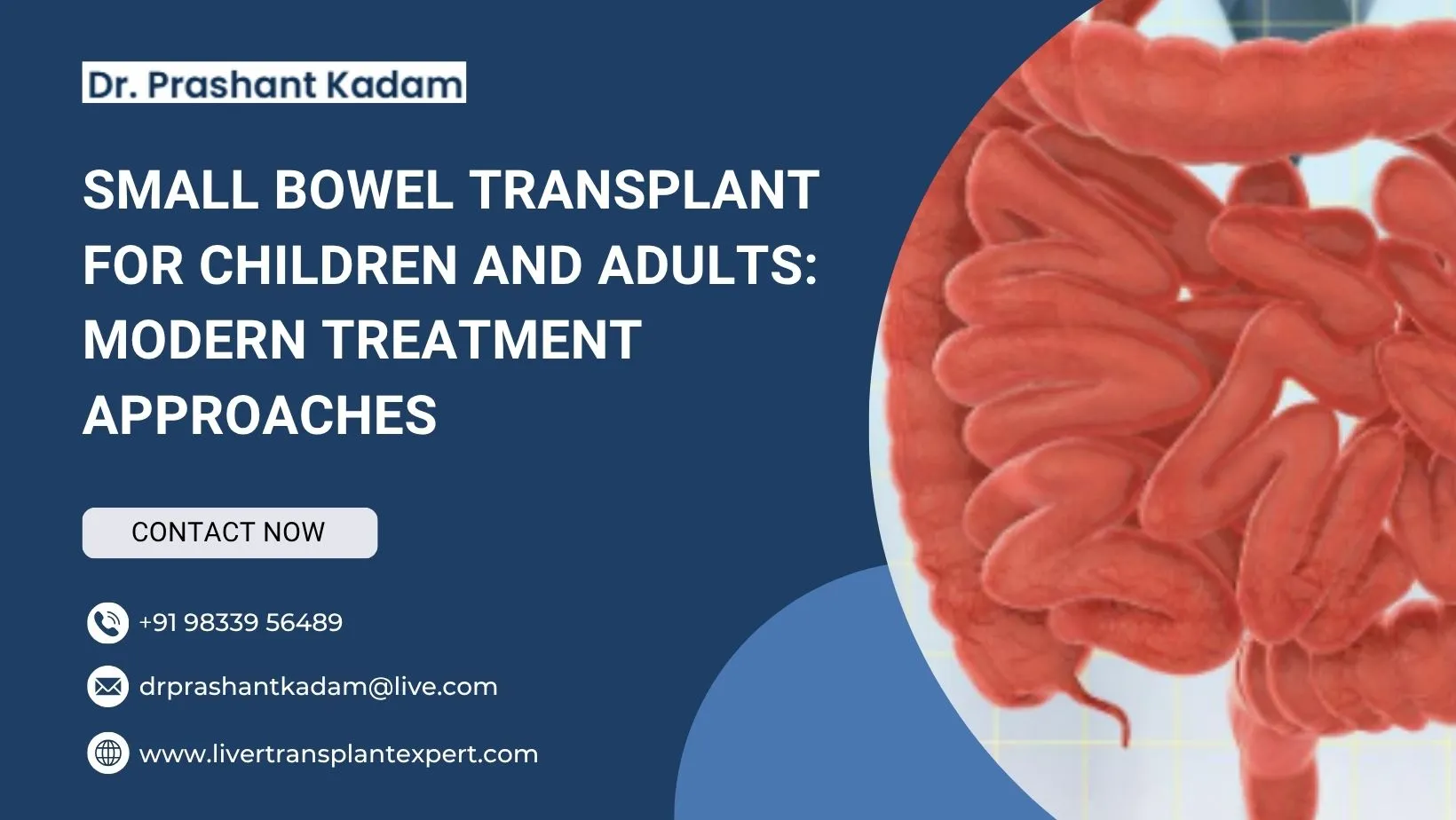

The small intestine plays a critical role in absorbing nutrients, fluids, and vitamins required for healthy body function. When the intestine loses its ability to absorb nutrition properly, patients may develop intestinal failure, a serious condition that can affect both children and adults. In severe cases where medical treatment no longer works, a small bowel transplant may become the most effective treatment option.
Advancements in transplant medicine, surgical techniques, and post-operative care have improved outcomes for patients undergoing intestinal transplantation. Today, modern treatment approaches are helping both paediatric and adult patients achieve better recovery and long-term quality of life.
Understanding Intestinal Failure
Intestinal failure occurs when the small intestine cannot absorb enough nutrients and fluids to support the body’s needs. Patients may require long-term intravenous nutrition, also called parenteral nutrition, to survive.
Common Causes in Children and Adults
In children, intestinal failure may develop because of congenital intestinal disorders, necrotising enterocolitis, intestinal atresia, or severe infections. Adults may develop intestinal failure due to Crohn’s disease, trauma, intestinal ischemia, repeated surgeries, or short bowel syndrome.
Without proper treatment, long-term nutritional deficiency and complications may affect liver function, growth, immunity, and overall health.
What Is a Small Bowel Transplant?
A small bowel transplant is a procedure in which a diseased or non-functioning small intestine is replaced with a healthy donor intestine. The surgery is usually recommended when nutritional support alone no longer provides safe long-term management.
When Small Bowel Transplant Surgery Is Needed
Doctors may recommend small bowel transplant surgery for patients who develop severe complications from long-term intravenous nutrition. These complications may include liver damage, recurrent bloodstream infections, dehydration, or loss of venous access required for nutritional support.
Early referral to a specialised transplant centre helps improve evaluation, treatment planning, and recovery outcomes.
Modern Treatment Approaches in Intestinal Transplantation
Modern transplant programs now use advanced surgical planning, multidisciplinary care, and improved monitoring systems to support safer outcomes after transplantation.
Advanced Surgical Techniques
Today, transplant surgeons use detailed imaging, organ preservation methods, and precision-based surgical approaches to improve safety during transplantation. In some complex cases, combined organ transplantation involving the liver or pancreas may also be considered.
A skilled Hepato Pancreato Biliary Surgeon often plays an important role in managing associated liver and abdominal complications that may develop because of long-term intestinal disease.
Role of Multidisciplinary Care Teams
Successful intestinal transplantation requires coordination between multiple specialists. Treatment teams usually include transplant surgeons, gastroenterologists, hepatologists, nutrition experts, anaesthetists, intensivists, and infection control specialists.
Specialists such as Dr Prashant Kadam focus on advanced hepatopancreatobiliary and transplant-related care using evidence-based surgical planning and structured patient management.
Recovery After Small Bowel Transplant
Recovery after a small bowel transplant requires careful monitoring because the intestine is highly sensitive to rejection and infection.
Intensive Post-Operative Care
After surgery, patients remain under close observation to monitor organ function, hydration, nutritional absorption, and signs of rejection. Doctors prescribe immunosuppressive medications to reduce the risk of the body rejecting the transplanted intestine.
Regular blood tests, endoscopic monitoring, imaging studies, and nutritional assessments are important parts of follow-up care.
Nutritional and Lifestyle Support
Dietary management plays a major role in recovery after transplantation. Nutrition specialists help patients gradually transition from intravenous nutrition to oral feeding as intestinal function improves.
Patients and families also receive guidance regarding hygiene, infection prevention, medication adherence, and long-term lifestyle management.
Challenges and Long-Term Monitoring
Although transplantation can improve quality of life, long-term care remains essential. Patients require lifelong monitoring to detect rejection, infection, or nutritional complications early.
Importance of Early Medical Attention
Patients with ongoing symptoms such as severe diarrhoea, dehydration, poor growth, unexplained weight loss, or chronic nutritional deficiency should seek evaluation from experienced transplant specialists as early as possible.
Timely diagnosis and specialist care may help reduce complications and improve treatment success.
Choosing the Right Transplant Specialist
Because intestinal transplantation is highly specialised, selecting the right transplant centre is important for both children and adults. Hospitals with dedicated intestinal transplant programs and multidisciplinary support often provide more structured treatment and long-term care.
An experienced Hepato Pancreato Biliary Surgeon and transplant team can guide patients through diagnosis, surgery, recovery, and long-term follow-up with a personalised treatment approach.
Conclusion
A small bowel transplant offers hope for children and adults living with severe intestinal failure and long-term nutritional complications. With modern surgical techniques, specialised transplant care, and structured follow-up programs, many patients can achieve improved nutrition, recovery, and quality of life.
Supported by experienced specialists such as Dr Prashant Kadam and advanced multidisciplinary transplant teams, modern small bowel transplant surgery continues to improve outcomes for patients requiring complex intestinal care.



























Sign in to leave a comment.