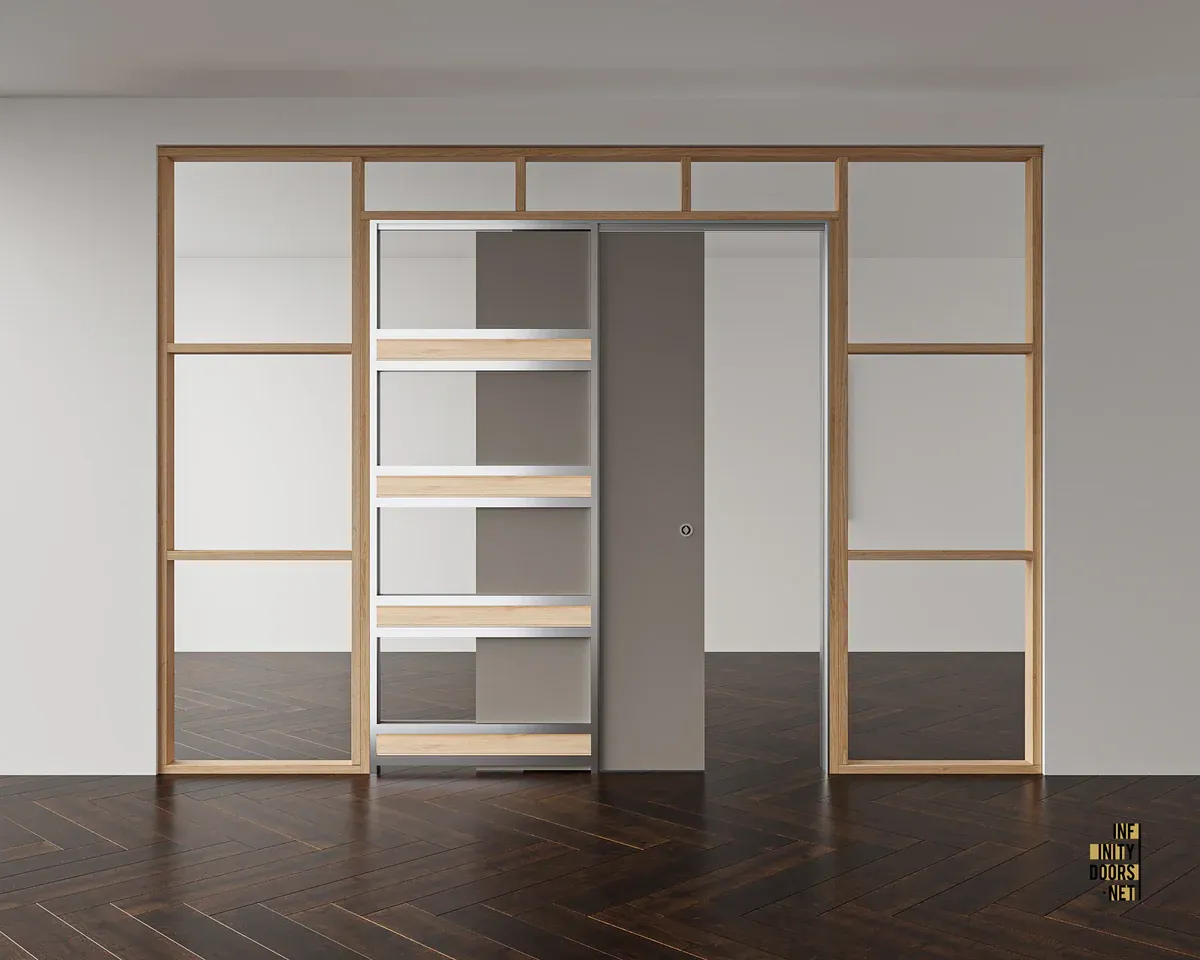

Pocket doors have become one of the most popular interior door solutions for modern homes because they save space, improve functionality, and create a clean contemporary appearance. Whether you are renovating a compact bathroom, designing a small laundry room, or upgrading a modern interior, understanding the smallest pocket door size is important before installation.
Unlike traditional swing doors, pocket doors slide into a hidden wall cavity, making them ideal for areas where space is limited. Homeowners and designers often choose pocket doors to maximize floor space while maintaining a stylish and functional layout.
If you are searching for premium-quality pocket door systems, explore the collection at: https://modernpocketdoors.com/products/double-pocket-door-1.
What Is the Smallest Pocket Door Size?
The smallest standard pocket door size generally starts at 18 inches wide and 80 inches high. However, the most practical and commonly recommended minimum size for residential use is 24 inches x 80 inches.
Smaller pocket doors are usually installed in:
- Half bathrooms
- Small closets
- Pantry entrances
- Laundry rooms
- Utility spaces
- Compact office areas
Although 18-inch pocket doors are available, many homeowners prefer 24-inch models because they provide better accessibility and smoother daily use.
Standard Pocket Door Sizes
Pocket doors are available in multiple dimensions depending on the room type and opening width.
| Pocket Door Type | Standard Width | Standard Height |
|---|---|---|
| Small Pocket Door | 18" – 24" | 80" |
| Standard Pocket Door | 28" – 36" | 80" |
| Large Pocket Door | 36" – 48" | 80" – 96" |
| Double Pocket Door | 48" – 72"+ | 80" – 96" |
Choosing the correct size depends on wall space, room dimensions, and overall functionality.
Minimum Rough Opening for Pocket Doors
Pocket doors require a larger rough opening than standard hinged doors because the door panel slides inside the wall.
A simple rule is:
Rough Opening Width = Almost Double the Door Width
Examples:
| Door Size | Recommended Rough Opening |
|---|---|
| 18" x 80" | 37" x 83¼" |
| 24" x 80" | 49" x 83¼" |
| 28" x 80" | 57" x 83¼" |
| 32" x 80" | 65" x 83¼" |
Proper measurements are essential for smooth operation and long-term durability. Benefits of Small Pocket Doors
1. Space Saving Design
Pocket doors eliminate the swing radius required by traditional doors. This creates more usable floor space in compact rooms.
2. Modern and Minimal Appearance
Pocket doors provide a sleek and clean architectural look that matches modern interior designs.
3. Better Room Flow
Because the door slides into the wall, movement becomes easier in tight hallways and smaller spaces.
4. Flexible Installation
Pocket doors are available in single and double configurations for different room layouts.
5. Improved Accessibility
Properly sized pocket doors can improve accessibility in smaller homes and apartments.
Best Places to Install Small Pocket Doors
Small Bathrooms
Pocket doors are commonly used in bathrooms where traditional swing doors take up too much space.
Pantry Entrances
A small pocket door helps create a clutter-free kitchen layout while improving accessibility.
Laundry Rooms
Laundry areas often have limited space, making sliding pocket doors a practical solution.
Closets
Pocket doors work perfectly for bedroom closets and storage areas.
Home Offices
Modern home offices use pocket doors to create privacy without affecting room flow.
Single vs Double Pocket Doors
Single Pocket Doors
Single pocket doors use one sliding panel and are ideal for:
- Bathrooms
- Closets
- Pantries
- Small rooms
Double Pocket Doors
Double pocket doors feature two sliding panels that disappear into opposite walls. These systems are ideal for:
- Living rooms
- Dining rooms
- Master bedrooms
- Luxury interiors
- Large room openings
For premium modern systems, visit https://modernpocketdoors.com/products/double-pocket-door-1.
Important Factors Before Installing a Pocket Door
Before installing a pocket door, consider the following:
Wall Structure
The wall must have enough cavity space for the door to slide properly.
Plumbing and Electrical Lines
Avoid installing pocket doors in walls containing plumbing pipes or electrical wiring.
Door Material
Solid-core doors provide better durability and sound insulation.
Hardware Quality
High-quality tracks and rollers ensure smooth and quiet operation.
Soft-Close Features
Modern soft-close pocket door systems improve functionality and user experience.
Are Small Pocket Doors Worth It?
Yes, pocket doors are an excellent investment for homeowners looking to maximize interior space. They improve room functionality, enhance aesthetics, and provide a modern architectural appearance.
Even the smallest pocket door sizes can make a noticeable difference in compact homes and apartments.
Final Thoughts
The smallest pocket door size commonly used in residential interiors ranges from 18 inches to 24 inches wide, with 24 inches x 80 inches considered the most practical option for everyday use.
Pocket doors are perfect for modern homes because they save space, improve room flow, and create a sleek contemporary design. Whether you need a compact sliding solution for a bathroom or a stylish double pocket door system for larger spaces, choosing the right size and hardware is essential.
If you are looking for high-quality modern pocket door systems, explore the premium collection at https://modernpocketdoors.com/products/double-pocket-door-1.





















Sign in to leave a comment.