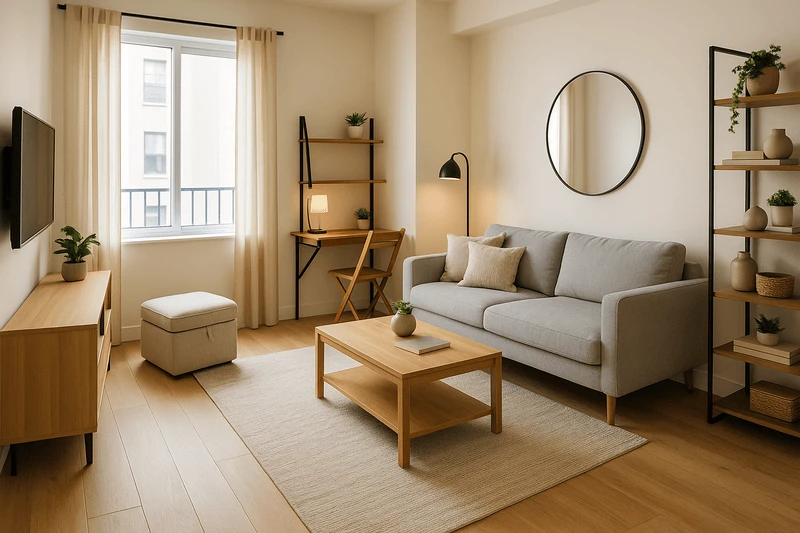

Small apartments can feel cosy, functional and visually appealing when furnished with intention. Limited floor area does not have to limit lifestyle, comfort or creativity. With thoughtful planning, clever storage choices and the right blend of design elements, compact homes can feel just as inviting as larger properties. This concept lies at the heart of Smart Apartment Furnishing: How to Maximise Comfort and Style in Small Spaces, a growing movement in interior design that focuses on making every square metre work harder.
Many people living in studios, inner-city units or small apartments worry that smaller spaces will feel cramped, cluttered or restrictive. Yet, interior designers often view compact living as an opportunity rather than a challenge. The purpose of smart furnishing is not to fill as much available space as possible, but to create harmony between function, comfort and visual appeal. It involves choosing items that support the way you live, instead of collecting pieces simply because they fit a trend or fill a corner. Each object has a job to do, from providing storage to creating ambience.
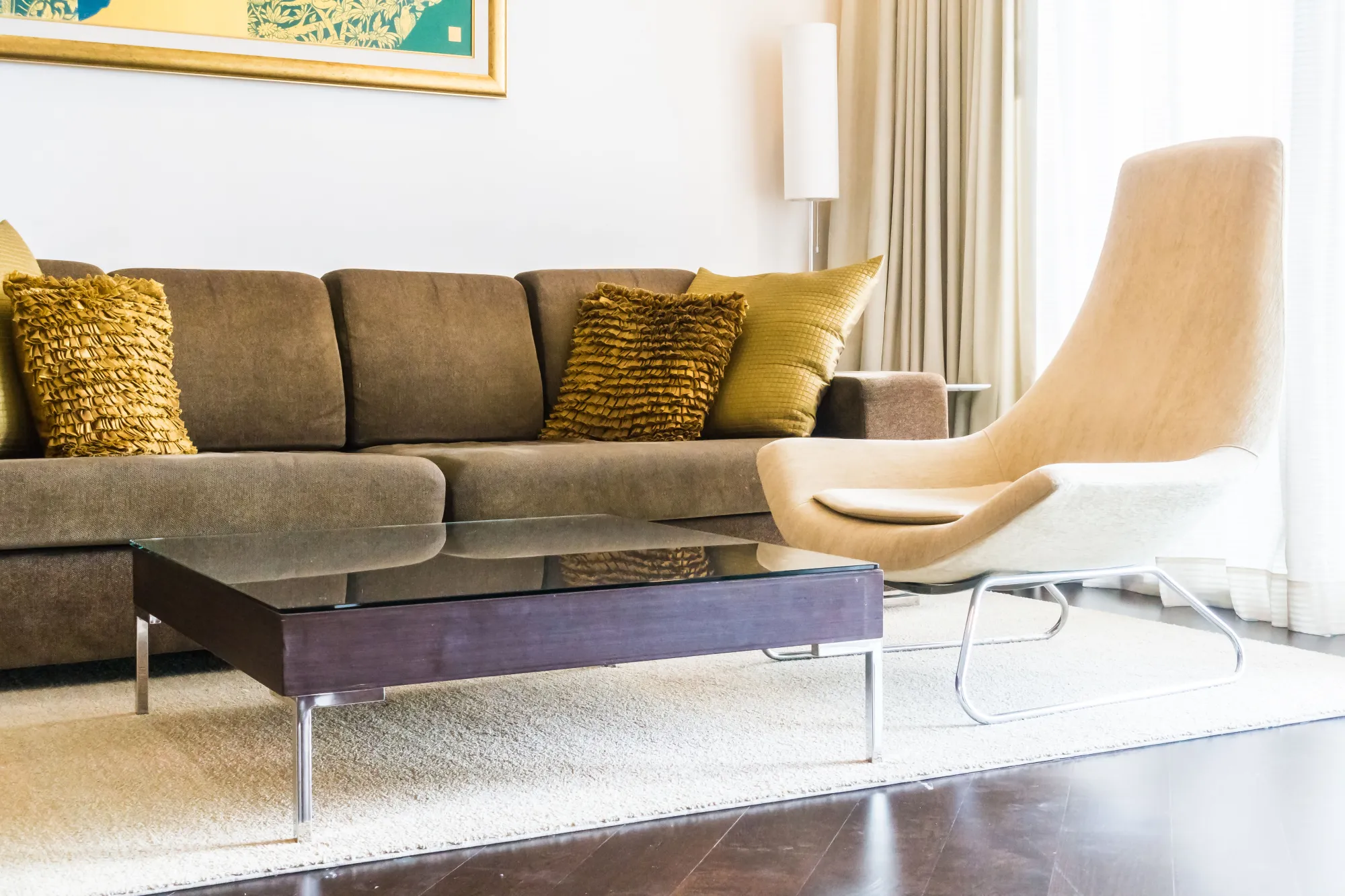
One of the first steps to successful small-space furnishing is to choose items that serve more than one purpose. Coffee tables with built-in shelves, dining tables that double as work desks, and ottomans with hidden storage are key examples. Foldable chairs and wall-mounted desks can open up space during the day, which is especially helpful if you work remotely or enjoy entertaining guests. Apartment residents who explore smart apartment furnishing ideas often find that dual-function furniture helps declutter the home while still allowing a stylish, modern aesthetic.
Multi-use elements also apply to how rooms are visually styled. Mirrors placed opposite windows amplify natural light and make rooms feel larger, while vertical shelving draws the eye upwards, highlighting height rather than floor space. The same principle applies to colour. Light, neutral shades create a sense of openness, while strategically placed darker accents add depth without overwhelming the room. Soft textiles can introduce warmth and personality without consuming space.
Placement of furniture is just as important as the pieces themselves. Avoid pushing every object against a wall. Floating your sofa slightly away from the wall or angling a reading chair can instantly make a room feel less boxy. Creating defined areas within an open-plan apartment encourages better flow, even if the zones are small. A rug can separate a living space from a dining area, while a slim console table can visually mark an entryway in a studio layout. Readers who enjoy browsing creative layout strategies may find inspiration on blogs such as https://writeupcafe.com/home-design-styling or explore design commentary at https://writeupcafe.com/living-room-concepts.
Storage is one of the most common challenges in small living quarters. Instead of adding large bulky cabinets, modern solutions favour hidden storage that blends seamlessly into the environment. Under-bed drawers, built-in seating with storage, hanging organisers and adjustable pantry shelving help keep surfaces clear and apartments tidy. Maximising vertical space is also important. Wall-mounted lighting, for example, frees up space on bedside tables, while hanging plants draw attention upwards and reduce clutter on shelves.
Designers specialising in compact interiors understand how to balance beauty and practicality. Professionals who offer how to furnish a small apartment services often begin by assessing how the resident uses each room. A home occupied by a frequent entertainer may require smart seating and modular dining solutions. Someone who works from home may need flexible office furniture that can be hidden or transformed when not in use. Tailoring the home to the individual ensures the space supports daily routines without compromising comfort.
Textures also play an important role when working with limited square metres. Sleek surfaces combined with soft fabrics, woven pieces or timber accents create visual layers that add cosiness. A space with only hard surfaces can feel sparse, while too many textured items can feel busy. The key is moderation. Incorporating only a few standout textures—such as a natural fibre rug or linen-covered lounge—keeps the room interesting without overwhelming the eye.
Lighting further enhances compact spaces. Overhead lights alone are rarely enough; they tend to cast shadows that make rooms shrink visually. Layered lighting, including floor lamps, wall sconces and soft table lamps, adds dimension and improves the ambience. Adjustable lighting also works well in multi-use areas, allowing rooms to shift from work mode to relaxation with ease. Smart LED bulbs with dimming control can provide mood lighting without excessive fixtures.
Designers who specialise in practical luxury for compact homes often apply these strategies comprehensively. An excellent example is how modern solutions for apartment interiors are offered by highly regarded professionals at https://www.garyhamerinteriors.com.au/smart-apartment-furnishing. Their personalised design approach highlights how careful styling and space planning elevate compact spaces into beautiful, functional homes.
Ultimately, Smart Apartment Furnishing: How to Maximise Comfort and Style in Small Spaces is about intentional living. With the right choices, small dwellings can feel open, organised and enjoyable. The best design decisions make life easier, reflect personal taste and eliminate clutter from view. Whether you’re decorating a studio in the city or downsizing to a smaller home, the goal remains the same: create an environment that enhances everyday living without sacrificing aesthetics or comfort.



























Sign in to leave a comment.