
A gym is more than a place filled with workout machines and weights. It is an environment that influences motivation, comfort, movement, and overall member experience. Whether it’s a private training facility, a wellness center, or a large fitness club, thoughtful planning plays a major role in how successful the space becomes.
That is why many businesses now rely on a professional gym design consultant to create functional and visually appealing fitness environments. Alongside this, modern corporate gym design has become increasingly important as companies focus on employee wellness and healthier workplace cultures.
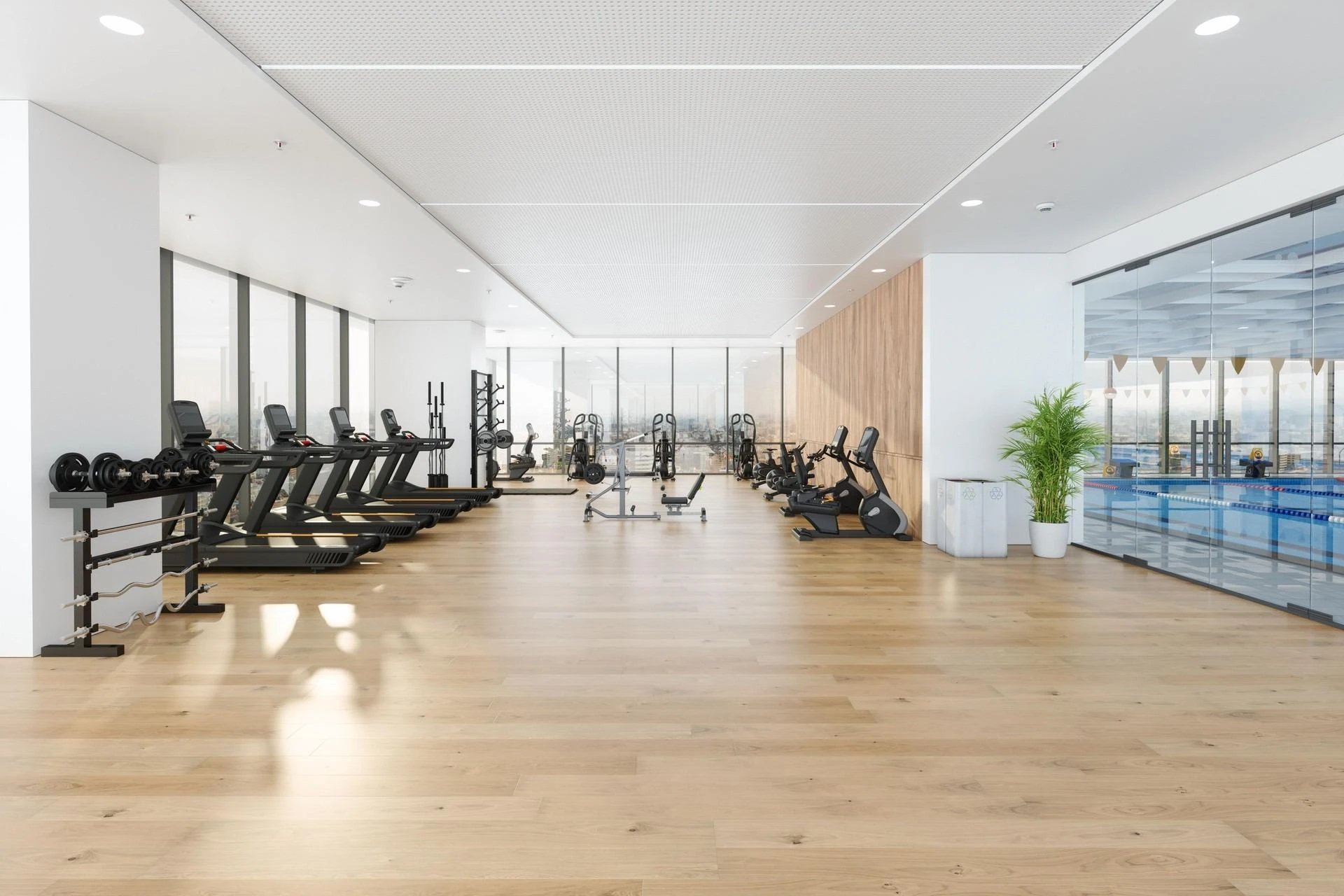
A well-designed gym can improve traffic flow, maximize available space, encourage member engagement, and even strengthen brand identity. From lighting and flooring to equipment placement and recovery zones, every detail matters when designing a fitness space that truly works.
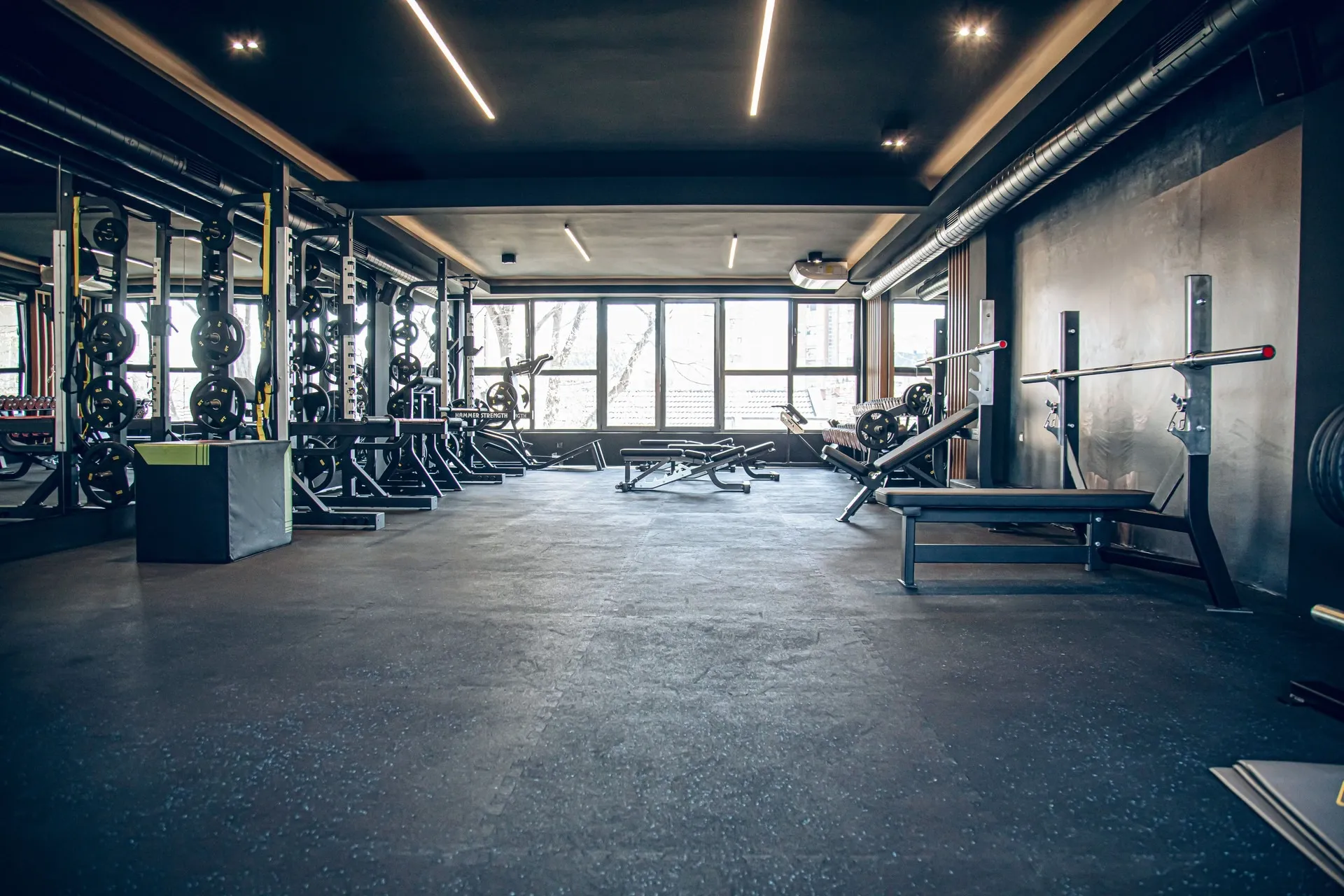
Why Gym Design Matters More Than Ever
Creating a Positive First Impression
People often decide how they feel about a gym within the first few minutes of entering it. A clean, open, and organized layout creates an inviting atmosphere that encourages confidence and comfort.
Supporting Better Workouts
Poorly arranged equipment can lead to congestion, confusion, and frustration. Thoughtful design helps users move naturally between workout areas while maintaining safety and efficiency.
Building Long-Term Engagement
A gym that feels motivating and comfortable encourages members to return consistently. Design influences energy, mood, and even workout performance.
The Role of a Gym Design Consultant
Turning Vision into Reality
A gym design consultant helps transform ideas into practical layouts that suit the available space, target audience, and business goals.
Planning Space Efficiently
Every square foot matters in a fitness environment. Consultants understand how to maximize functionality without making the space feel overcrowded.
Equipment Placement Expertise
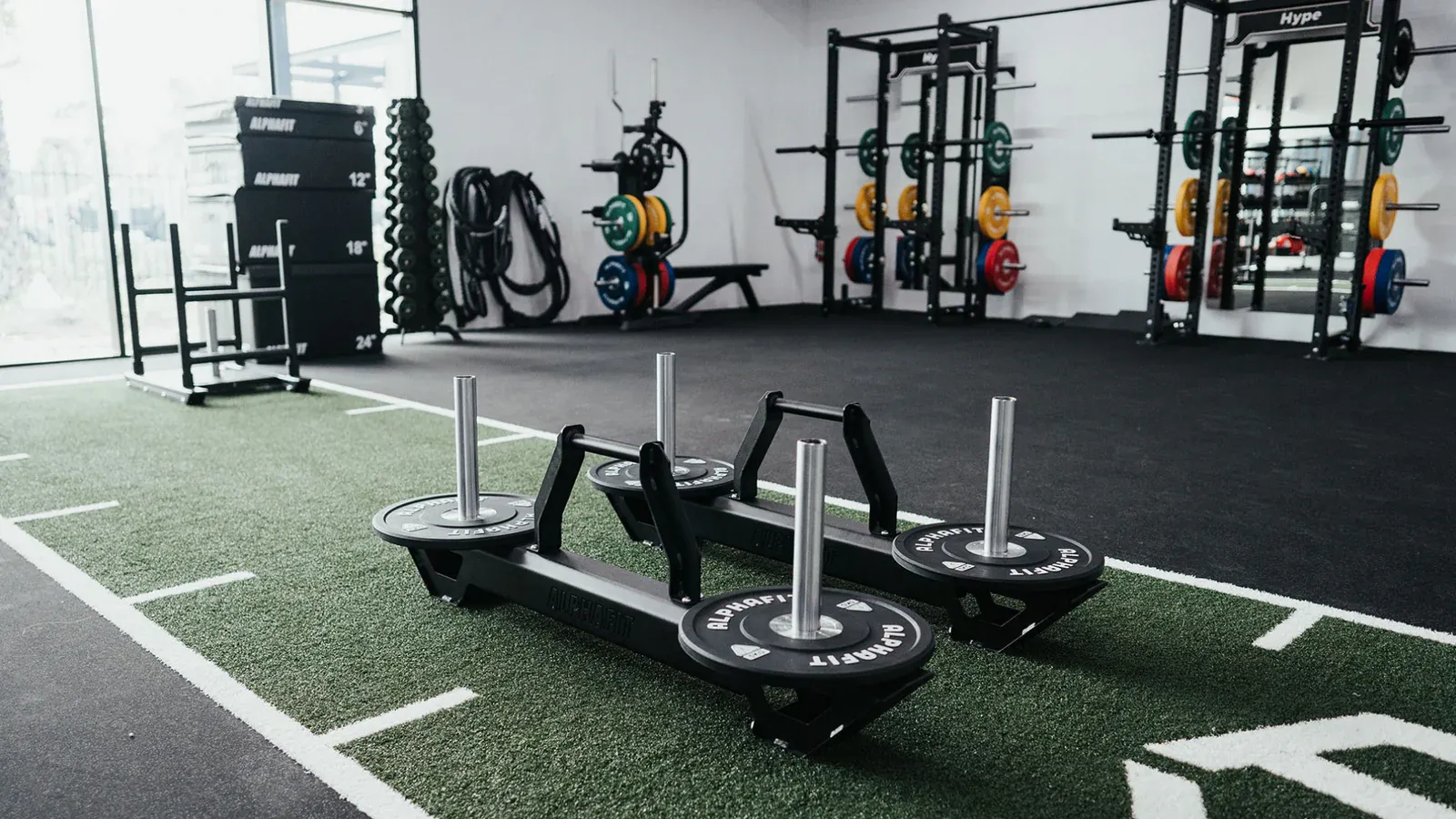
Different workout zones require careful planning. Strength areas, cardio sections, stretching spaces, and recovery zones all need proper positioning to improve flow and usability.
Improving Safety and Accessibility
Professional consultants ensure there is enough space between machines, proper walking paths, and easy accessibility for all users.
Understanding Corporate Gym Design
Workplace Wellness Is Growing
Businesses are increasingly investing in employee health initiatives. Corporate gyms provide staff with convenient access to fitness, helping reduce stress and improve productivity.
More Than Just a Small Workout Room
Modern corporate gym design focuses on creating professional, welcoming spaces that employees genuinely want to use.
Encouraging Healthy Habits
When fitness becomes accessible during the workday, employees are more likely to stay active and maintain healthier routines.
Key Elements of an Effective Gym Layout
Functional Zoning
Dividing the gym into dedicated areas improves organization and user experience. Common zones include:
- Cardio section
- Strength training area
- Functional fitness space
- Stretching and recovery zone
- Group exercise studio
Each area should feel connected while still serving its own purpose.
Smooth Traffic Flow
A well-designed layout allows users to move naturally throughout the gym without congestion.
Proper Lighting
Bright, balanced lighting helps energize the space while improving visibility and comfort.
Ventilation and Air Quality
Good airflow keeps the environment fresh and comfortable, especially during busy hours.
Why Design Impacts Member Experience
Comfort Builds Confidence
People are more likely to exercise consistently when they feel comfortable in the environment.
Organization Reduces Stress
A cluttered gym can feel overwhelming. Clear layouts make the experience smoother and more enjoyable.
Aesthetic Appeal Matters
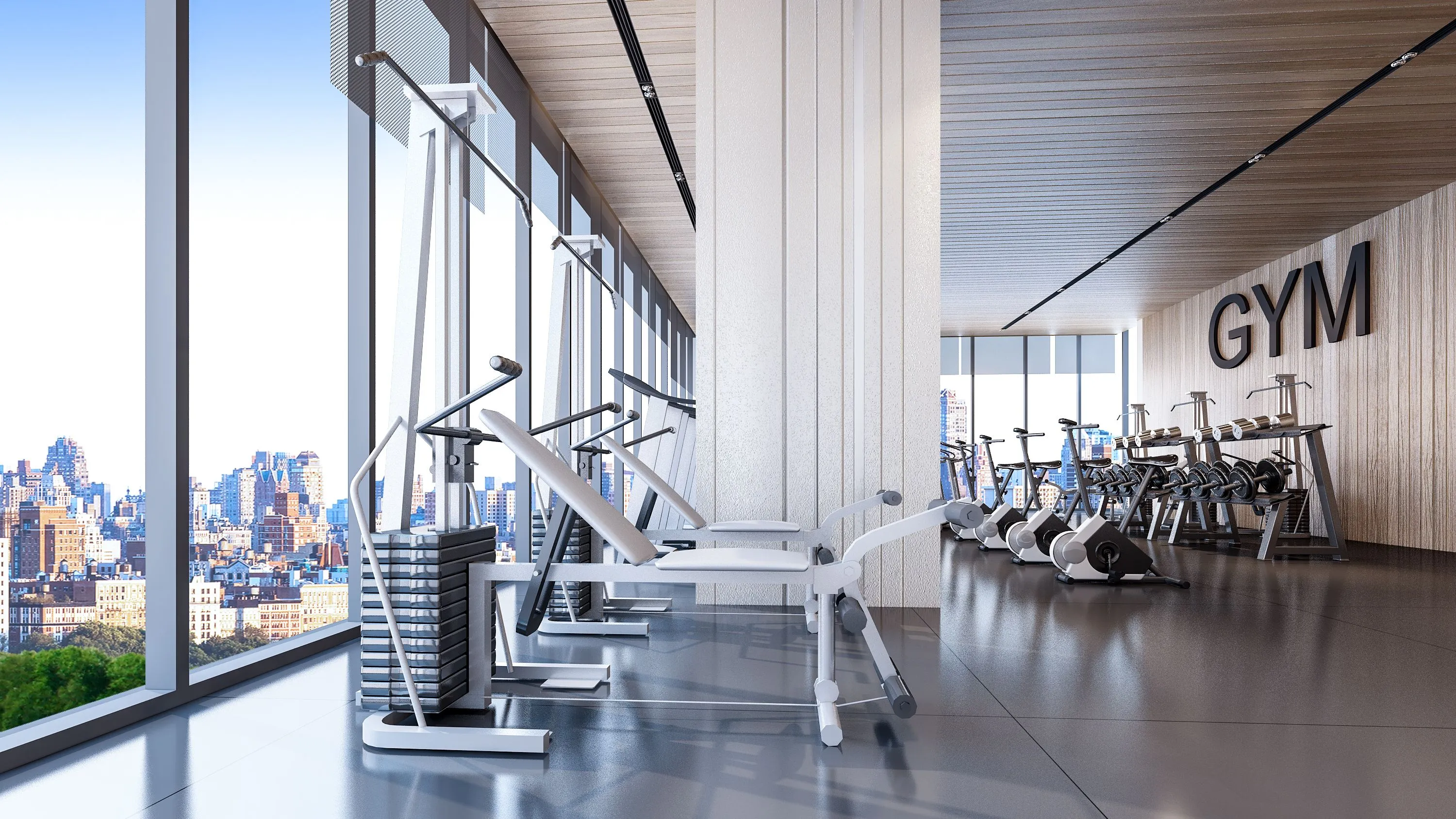
Modern colors, flooring, mirrors, and lighting contribute to an atmosphere that feels motivating and professional.
Common Mistakes in Gym Design
Overcrowding Equipment
Trying to fit too many machines into one area often creates discomfort and safety concerns.
Ignoring User Behavior
Understanding how members move through the gym is essential for creating efficient layouts.
Poor Lighting Choices
Dim or harsh lighting can negatively affect mood and visibility.
Lack of Flexibility
Fitness trends evolve over time. Spaces should be adaptable enough to accommodate future changes.
Benefits of Hiring a Professional Consultant
Saves Time and Money
Mistakes in layout planning can become expensive later. Professional guidance helps avoid unnecessary redesigns.
Improves Brand Image
A polished and professional gym strengthens the business’s reputation.
Enhances User Retention
Members are more likely to continue using a gym that feels organized, comfortable, and motivating.
Supports Long-Term Growth
Good design allows the facility to evolve as needs change over time.
Trends Shaping Modern Fitness Spaces
Multi-Functional Areas
Modern gyms are moving toward flexible spaces that support multiple types of training.
Wellness-Focused Design
Recovery zones, relaxation spaces, and natural elements are becoming more common.
Technology Integration
Smart equipment, digital booking systems, and virtual training areas are changing how gyms operate.
Open and Airy Layouts
People increasingly prefer spacious environments that feel less crowded and more inviting.
Tips for Creating a Better Fitness Space
Understand Your Audience
Different users have different fitness goals. Design should reflect the needs of the target audience.
Prioritize Movement
People should be able to navigate the gym comfortably without obstacles.
Focus on Durability
Gym materials and equipment should handle heavy daily use while remaining visually appealing.
Keep the Design Balanced
Functionality and aesthetics should work together rather than compete.
The Future of Fitness Facility Design
Fitness spaces are becoming more personalized, flexible, and wellness-oriented. Businesses are recognizing that gym environments affect motivation, productivity, and overall user satisfaction.
As wellness continues to grow in importance, thoughtful gym design will play an even bigger role in shaping healthier lifestyles and stronger communities.
Conclusion
A professional gym design consultant can transform an ordinary fitness space into an environment that inspires movement, motivation, and long-term success. At the same time, modern corporate gym design helps businesses promote employee wellness while creating functional and attractive workout areas.
Good gym design is not only about appearance—it’s about improving flow, comfort, safety, and overall experience. By investing in smart planning and thoughtful layouts, fitness spaces can become places where people genuinely enjoy spending time and achieving their goals.
Frequently Asked Questions (FAQ)
1. What does a gym design consultant do?
A gym design consultant plans layouts, equipment placement, and overall functionality for fitness spaces.
2. Why is corporate gym design important?
It helps companies support employee wellness, improve morale, and encourage healthier lifestyles.
3. How does gym layout affect member experience?
A well-planned layout improves comfort, safety, and workout flow, making the gym easier to use.
4. Can small spaces still have effective gym designs?
Yes, professional planning can maximize even limited spaces efficiently.
5. What is the biggest mistake in gym design?
Overcrowding equipment and ignoring user movement are among the most common design mistakes.



























Sign in to leave a comment.