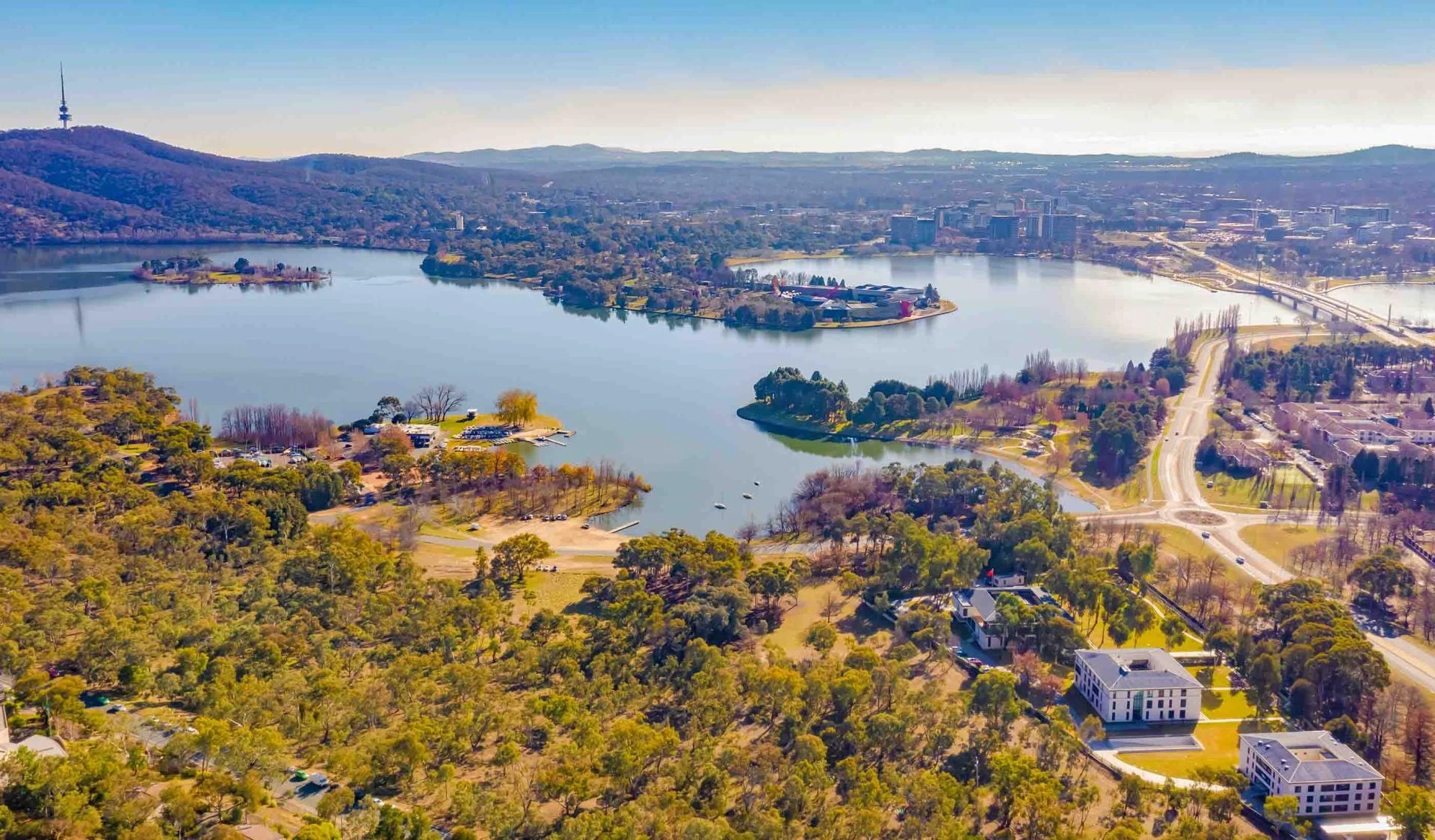

Cities expand fast, and green spaces must keep pace. Parks, roadside trees, gardens, and open fields shape daily life in Singapore. Yet these places need care, planning, and clear tracking. This is where landscape asset management steps in. It helps teams track plants, soil, irrigation systems, and tools clearly. When managers record every asset, they shield public spaces and guide steady growth. In a dense city, smart planning keeps landscapes strong, safe, and ready for the next generation.
Understanding Landscape Asset Management
What Does It Mean?
Landscape asset management means that teams track, care for, and improve every landscape asset. These assets include:
- Trees and shrubs
- Grass areas
- Irrigation systems
- Lighting fixtures
- Pathways and benches
- Maintenance tools
Managers log details for each item and update its records with condition, location, and service history. As a result, they prevent damage, reduce waste, and extend the life of each asset.
Why It Matters in Singapore
Singapore treasures green spaces. Heat strains plants. Heavy rain floods the grounds. Tall buildings limit open land. Because of this, teams must inspect assets often and act fast. A clear system helps them:
- Spot weak trees before storms strike
- Fix leaks in irrigation lines
- Replace worn park fixtures
- Plan planting cycles
When teams apply landscape asset management, they shift from fixing problems to preventing them. This change guards budgets and backs environmental goals.
The Growing Need for Sustainable Landscape Planning
Urban Density and Environmental Pressure
Singapore faces strong climate stress. Heat scorches leaves. Rain pounds the soil. Urban growth shrinks land. Therefore, landscape teams must work with care and focus.
Sustainable planning aims to:
- Save water
- Protect soil
- Support wildlife
- Control long-term costs
However, these aims need clear data. Without records, teams lose direction.
Supporting Long-Term Growth
Sustainable growth means more than planting new trees. It demands wise use of resources. Managers must decide:
- Which trees need pruning
- When the grass needs rest
- Where irrigation upgrades add value
With proper records, teams make sound choices. As a result, they curb waste and build strength into each green space.
Key Components of an Effective Landscape Strategy
Asset Inventory and Mapping
Every strong plan begins with a full list of assets. Teams map each tree, shrub, and fixture. They assign a unique code and note its condition.
Digital maps let managers:
- Find assets with ease
- Plan site visits
- Track changes over time
Clear mapping removes confusion and sharpens response time.
Preventive Maintenance Planning
Preventive care blocks sudden failures. Instead of waiting for damage, teams follow a set plan. For example:
- Inspect irrigation lines each quarter
- Prune trees before storm season
- Test lighting systems at fixed times
This method cuts risk and protects public safety.
Data-Driven Decision Making
Managers study data to guide action. They review:
- Maintenance history
- Repair frequency
- Replacement cycles
Through careful review, they rank high-risk areas first. This approach strengthens overall landscape health.
The Role of Digital Tools in Modern Landscape Management
From Paper Records to Smart Systems
Teams once relied on paper logs. Pages tore, faded, or vanished. Today, digital platforms reshape daily work.
A central system lets users:
- Update asset status on site
- Upload photos of damage
- Create maintenance schedules
- Store inspection reports
Because data stays in one place, teams avoid mix-ups and repeated work.
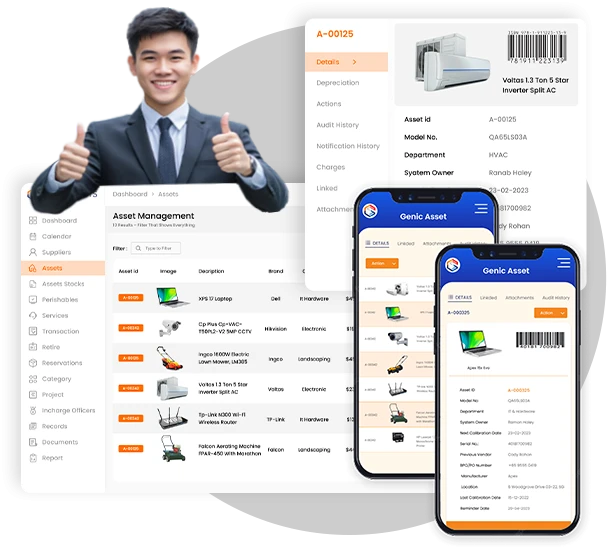
Landscaping Equipment Management Software
During any maintenance cycle, tools and machines demand close watch. Here, landscaping equipment management software plays a vital role. It tracks mowers, trimmers, trucks, and irrigation tools. Managers log usage hours, service dates, and repair records.
With landscaping equipment management system, teams:
- Prevent sudden breakdown
- Schedule servicing on time
- Reduce downtime
- Extend equipment life
As a result, field staff work without pause. Managers also gain clear insight into tool performance.
Integrating Mobile Solutions in the Field
Why Mobility Matters
Landscape teams move across wide spaces. They inspect parks, roadside greenery, and open grounds. Paper slows them down and causes errors.
An asset management app gives them freedom to:
- Scan asset codes
- Log inspection results
- Upload images
- Report hazards
Because information moves in real time, supervisors act at once.
Enhancing Team Collaboration
When teams use an asset management app, they share updates with ease. Field workers send reports. Supervisors assign tasks. Managers review progress.
This clear exchange trims errors and keeps every asset in view.
Environmental Benefits of Structured Asset Management
Reducing Waste
Structured tracking stops excess ordering of materials. Managers know which tools serve well and which need repair. They plan purchases with care.
In addition:
- Water use drops through steady irrigation checks
- Fertiliser stays targeted
- Tree replacement rates fall
Therefore, resource use aligns with sustainability goals.
Supporting Biodiversity
Healthy landscapes invite wildlife. Birds nest in trees. Pollinators visit blooms. When managers monitor plant health, they guard these habitats.
Landscape asset system management allows teams to:
- Detect pests early
- Check soil quality
- Plan balanced planting
These actions build steady ecosystems within the city.
Risk Management and Public Safety
Preventing Hazards
Falling branches and broken fixtures create danger. Teams inspect assets on schedule and record each check in the system.
This system:
- Flags high-risk trees
- Tracks repair deadlines
- Assigns clear responsibility
As a result, parks and public areas stay safe.
Compliance and Reporting
Authorities ask for proof of care. Managers must show that they maintain assets in line with standards.
With organised records, teams:
- Produce reports with ease
- Display inspection history
- Present clear maintenance plans
Clear records build trust and strengthen accountability.
Financial Control and Budget Planning
Smarter Budget Allocation
Accurate data guides budget planning. Managers review trends and forecast replacement needs.
They can:
- Spread costs across years
- Avoid sudden large expenses
- Prioritise key upgrades
This approach strengthens financial balance.
Extending Asset Lifespan
Regular care helps assets thrive longer. Trees stand firm. Irrigation systems flow without leaks. Tools perform with strength.
When teams apply landscape asset system management, they delay replacement and protect funds. In turn, they support steady and sustainable growth.
Challenges and Practical Solutions
Common Barriers
Some challenges slow progress:
- Resistance to new digital tools
- Limited training
- Data entry mistakes
- Incomplete records
These issues can hinder progress.
Steps to Overcome Challenges
Managers can solve these problems through:
- Clear training sessions
- Simple data rules
- Regular system checks
- Strong leadership
When teams see the value of structured tracking, they adopt new systems with confidence.
Future Trends in Landscape Management
Smart Sensors and IoT
Sensors now track soil moisture and weather. These tools feed data into central systems. Managers react to changes at once.
For example:
- Irrigation adjusts after rainfall
- Alerts signal dry soil
- Temperature data guides planting
Technology shapes a more responsive strategy.
Integration Across Systems
Future systems will connect landscape records with wider city platforms. Planners will align green spaces with transport, drainage, and development plans.
Such links strengthen sustainable urban growth.
Conclusion
Green spaces shape Singapore’s identity. These landscapes need steady care and sharp planning. Smart systems help managers track trees, tools, and public fixtures with clarity. Through structured landscape asset management, teams reduce waste, protect wildlife, and ensure safety. Digital tools, including mobile platforms and equipment tracking systems, improve teamwork and planning. When managers rely on clear data and steady maintenance, they secure sustainable growth. In a fast-changing city, thoughtful action keeps green spaces strong, resilient, and ready to serve the community.
Frequently Asked Questions (FAQs)
1. What does landscape asset management involve?
It involves tracking, maintaining, and improving trees, grass, irrigation systems, and park fixtures in an organised way.
2. How does landscaping equipment management software help teams?
A landscaping equipment management software tracks machines and tools, records service dates, and prevents breakdowns, which keeps work running smoothly.
3. Why should teams use an asset management app?
It allows staff to log inspections, upload images, and report issues on-site, which speeds up response times and improves teamwork.
4. How does proper asset tracking support sustainability?
It reduces waste, saves water, extends asset life, and protects biodiversity.
5. What challenges do teams face when adopting digital systems?
Teams may face training gaps, resistance to change, or data errors. Clear guidance and support solve these issues.
6. How can landscape planning support public safety?
Regular inspections and clear records help teams detect risks early and fix hazards before they cause harm.



























Sign in to leave a comment.