

When property managers and facility owners think about increasing property value, they often turn toward interiors, repainting, or security upgrades. But there's another silent force that can transform how people feel about a place the moment they arrive. That force is landscape asset management.
Properly managed landscapes do more than look neat. They echo quality, inspire trust, and elevate property worth. Behind every well-kept green space lies a system that keeps tools, machines, and teams flowing like clockwork. And that's where strategic management makes the difference.
Why Landscapes Affect Property Value
People form their opinions quickly. When someone steps into a space, the grass, shrubs, and outdoor cleanliness play a role in how valuable they think the place is. If plants look dry or scattered, tools rest under trees, it quietly tells them the space isn't cared for. Landscape asset management makes sure that never happens. It gives property owners and managers the power to control every part of the outdoor environment, without guessing.
By keeping equipment in the right place, following schedules, and checking usage, teams move faster, avoid losses, and use fewer resources.
What Makes Landscape Asset Management Powerful
Every tool on the property matters. Whether it's a mower, a blower, or a water hose, each one must stay tracked, maintained, and ready.
When these assets get scattered, misplaced, or forgotten, teams waste time and money. A single delay can push back an entire maintenance schedule. But when a proper system guides every action, tasks finish faster, and the outdoor space always appears cared for.
Here's what strong landscape asset management brings:
- Tracks tools, machines, and equipment across locations
- Logs check-in and check-out times
- Sends alerts when tools are overdue or underused
- Flags broken or unused assets
- Helps teams assign equipment efficiently
This system turns disorganised workflows into neat processes that save costs and increase output.
When used with intent, asset tracking platforms also minimise human error. Manual spreadsheets once left room for mix-ups. But automated entries now preserve accuracy, reduce audit risks, and support teams with dependable records that require no double-checking.
Keep Operations Moving with Smart Scheduling
Managing outdoor areas means dealing with change, weather, wear, and usage. But with smart scheduling, you stay ahead.
Automated systems allow managers to:
- Schedule routine check-ups for machines
- Assign tasks based on asset availability.
- Avoid double-booking tools
- Prevent breakdowns through regular upkeep.
The goal is simple: keep everything working when and where it's needed. No last-minute runs. No confusion. Just a smooth rhythm of work.
And when seasons change, well-planned schedules become even more critical. Tools used heavily in spring may sit idle in winter. A good system adapts with those cycles, helping teams rotate assets, plan replacements, and avoid overuse that often leads to breakdown.
Schedules don't just track tasks. They build patterns. These patterns allow managers to see gaps, prevent overload, and balance workloads across teams. That kind of clarity saves resources and stops work from piling up or slipping through unnoticed.
Cleaning Asset Management: Midway Matters
Outdoor spaces also require cleanliness. Litter, dust, or uncollected clippings send the wrong message. And here's where cleaning asset management blends into the landscape.
This kind of management organises how cleaning equipment, such as sweepers, vacuum machines, or leaf collectors, is used. It logs who used it, how often, and whether the tool needs repair.
By linking both cleaning and landscape systems under one view, teams can:
- Reduce equipment loss
- Keep machinery in top shape.
- Coordinate cleaning and landscaping jobs.s
- Respond quickly to outdoor cleaning needs.
This unity creates a well-kept exterior that feels intentional, not accidental.
With cleaning tools tracked and maintained, property managers avoid hidden expenses. Replacing cleaning gear without knowing its condition drains budgets slowly. Cleaning asset management shines when it uncovers waste, flags old equipment, and recommends more reliable usage plans.
Save Time by Tracking Tools Automatically
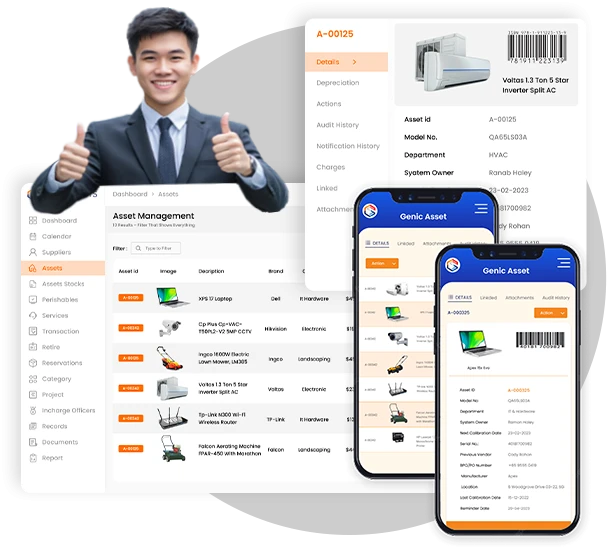
Instead of chasing tools across different locations or guessing if something is lost, modern systems use smart tracking methods. Barcodes, QR tags, and RFID chips now make it easy to scan and update asset movements.
These tools allow you to:
- Know where each item was last used
- Reduce the idle time spent looking for tools.
- Prevent theft or loss.
- Monitor usage levels for better planning.
This level of visibility increases team trust and reduces delays. And for any property, less delay means better output, which leads to higher perceived value.
When tracking becomes part of the daily workflow, reporting no longer feels like a burden. Each scan updates records in real-time. That means no need for backtracking at the end of a shift. This real-time insight keeps both supervisors and crew aligned with minimal effort.
Improve Efficiency with Real-Time Visibility
Modern landscape asset systems do more than store data; they offer real-time updates. This means managers get a live view of:
- Who is using what equipment
- Which areas are under maintenance
- When an asset might break down
- Where resources are being wasted
With this kind of control, decisions get made faster. Budgets stay tight. And the property continues to show value.
Whether teams work across one location or many, this live overview keeps everyone connected. Managers no longer rely on paper trails or phone calls. Instead, they view dashboards showing what's working and what needs attention.
Simple Software for Complex Needs
You don't need complicated systems to do all this. New solutions offer everything from mobile tracking to scheduled alerts, all in one place. These tools work well across industries, but they shine when used in landscaping.
From assigning a mower to a field team to ensuring a blower is returned on time, every action gets recorded. The result? No more guesswork, just clean, green, ready-to-show spaces.
Even with minimal training, teams catch on quickly. The system speaks the language of the field, no heavy data entry, no long instructions. Just clean design, simple buttons, and smart reminders. It fits right into the daily rhythm without slowing anyone down.
Key Benefits of Landscape Asset Management for Property Owners
If you own or manage property, these are the changes you can expect with a strong landscape asset management system:
- Increased Property Appeal: Clean, organised spaces attract visitors and tenants.
- Reduced Costs: No more buying duplicate tools or fixing things that could've been maintained
- Faster Workflows: Teams work smarter with clear schedules and fewer surprises.
- Better Decision-Making: Managers see what's working and fix what's not.
- Stronger Control: Tools and machines stay where they're needed.
When budgets are tight, the ability to plan based on actual usage reports helps avoid overspending. Whether it's reducing fuel use, ordering fewer tools, or rotating staff efficiently, each choice creates compound savings over time.
Integrate Seamlessly with Cleaning and Other Services
Don't treat landscape management as a separate world. Today's systems link with cleaning tools, inventory records, and even delivery logs. This way, you don't just keep outdoor areas green; you keep them spotless and ready.
With one platform, your property:
- Coordinates cleaning and landscaping without overlap
- Logs asset movement across departments
- Flags inefficiencies before they cause delays
- Saves effort through automation
This integrated view adds power to property teams. And properties with tight, smart operations always reflect a higher value.
Digital logs also support audits, safety reports, and asset history checks. The system builds trust, not just with the teams on the ground, but with stakeholders who expect visibility and performance from every square foot of space.
Avoid Common Mistakes in Asset Handling
Many property managers make small mistakes that lead to big losses. These often include:
- Leaving equipment untracked
- Skipping regular checks
- Storing machines in unsafe places
- Failing to rotate assets properly
- Misplacing tools during high-demand seasons
A strong management system prevents all of these. It nudges teams with alerts. It documents every move. And it ensures each tool returns home after use.
Missed steps turn into expenses. When tools go missing or maintenance gets skipped, operations suffer. Smart systems shield against this by laying down a process that repeats, records, and reinforces what's needed to maintain flow and order.
Set Your Property Apart
Every property competes for attention. The well-kept ones, the ones where grass gets trimmed on time, where no tool lies out in the open, always stand out.
Landscape asset management ensures that your outdoor appearance becomes a silent salesman. It tells people, "This place is cared for." And when that message comes through, value follows.
Conclusion
Your property's outdoor space speaks before anyone steps inside. A well-managed landscape tells visitors that every detail matters. That impression builds trust, enhances value, and makes properties more desirable. With landscape asset management and integrated cleaning asset management, you don't just organise tools; you shape how the entire property is seen. These systems simplify work, improve results, and reduce waste. They bring structure where there once was clutter. And above all, they help maintain a lasting standard of quality that drives property value higher over time.
Frequently Asked Questions
What is landscape asset management?
Landscape asset management is the process of organising, tracking, and maintaining tools, machines, and schedules used to care for outdoor spaces.
How does it help improve property value?
It keeps outdoor areas tidy, well-maintained, and ready at all times, which creates a strong first impression and boosts property appeal.
What's the role of cleaning asset management?
Cleaning asset system management organises how cleaning tools get used and maintained, helping to keep outdoor areas free of dirt, debris, or damage.
Can both systems work together?
Yes, combining landscape and cleaning asset system management allows teams to coordinate work better, avoid overlap, and maintain high outdoor standards.

























Sign in to leave a comment.