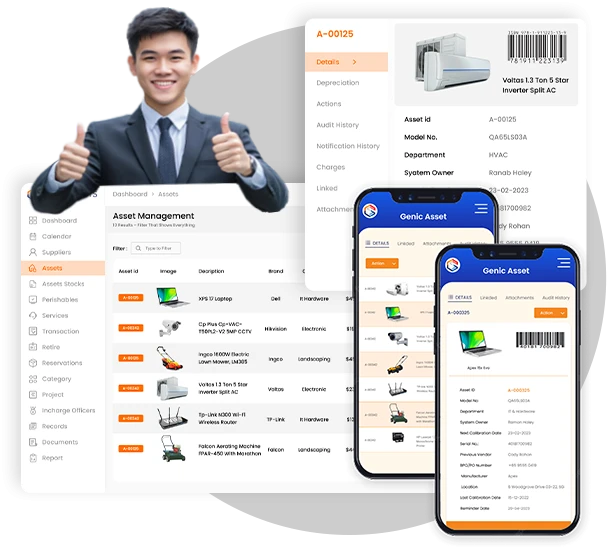

Healthcare facilities use a wide range of tools and equipment every day. These include beds, monitors, wheelchairs, cleaning machines, laptops, and more. Each item plays a part in delivering care, keeping the environment safe, and supporting staff. But when assets are lost, broken, or in the wrong place, it causes delays, stress, and added costs. This is why asset tracking is so important in healthcare today.
A strong asset tracking system helps teams know where items are, how they are used, and when they need service. It supports smoother care, better planning, and safer environments. Whether it’s medical gear, IT devices, or cleaning tools, healthcare asset management makes sure the right equipment is always ready for use. In this blog, we explore why tracking assets is now essential for every healthcare facility.
What Does Asset Tracking Mean?
Asset tracking is the process of keeping records of physical items—where they are, how they are used, and when they were last checked or serviced. In healthcare, this covers a wide range of items such as hospital beds, monitors, wheelchairs, IT devices, and cleaning tools
Why Asset Tracking Matters in Healthcare
Keeps Patients Safe
When the right tools are in the right place, patients receive better care. If a nurse needs a monitor or a pump, delays can harm the patient. Tracking helps prevent this.
It also supports safety checks. If an item is due for service or cleaning, the system sends an alert. This lowers the risk of infection or breakdown.
Saves Staff Time
Time matters in healthcare. Nurses, cleaners, and admin staff should not waste time looking for things. With proper tracking, they can check a system, find the asset, and carry on.
This is true for computers, tablets, and scanners too. With strong IT hardware asset management, staff get quick help with tech issues. Less time is lost, and patient care improves.
Cut Loss and Theft
Busy places lose things. Small items like tablets or chargers are easy to misplace. Others may get stolen.
An asset tracking system keeps records of where assets go. If something vanishes, the last user or location is easy to check. This discourages misuse and saves money.
Helps Save Money and Use Assets Better
Stops Unplanned Buying
Without good records, teams may order new items without knowing that spares are already in storage. This adds to costs and clutter.
Healthcare asset management shows what is on hand. Teams use what they have, spend less, and make smarter choices.
Extends Asset Life
Regular checks and updates keep things working longer. This applies to medical tools, tech devices, and cleaning machines.
If an item breaks down during use, it puts patients and staff at risk. With the right plan, items get fixed or replaced before problems occur. This is key for janitorial asset management, where working tools keep areas clean and safe.
Protects Technology and Patient Data
Supports IT Teams
Hospitals use a lot of tech. Systems for records, test results, and bookings all run on hardware. That hardware needs care and tracking.
With good IT hardware asset management, IT teams spot issues early. They track usage, update software, and keep systems safe. They also wipe data before disposal, which protects patient details.
Meets Rules and Quality Standards
Helps with Compliance
Healthcare follows strict rules. Equipment must be clean, safe, and up to date. Tracking systems help meet these rules by storing records and alerts.
If inspectors visit, the facility has proof that its assets are in good shape. This avoids fines and protects the hospital’s name.
Maintains Clean and Safe Areas
Cleaning matters. Without working vacuums, trolleys, or bins, staff cannot do their job. This raises infection risk and hurts patient trust.
janitorial asset management tracks these tools. If anything needs fixing, it gets done. That keeps rooms, halls, and theatres safe for all.
Makes Life Easier for Staff
Improves Daily Work
Staff who feel supported do better work. No one wants to search for items or work with broken gear. If assets are tracked, teams get what they need on time.
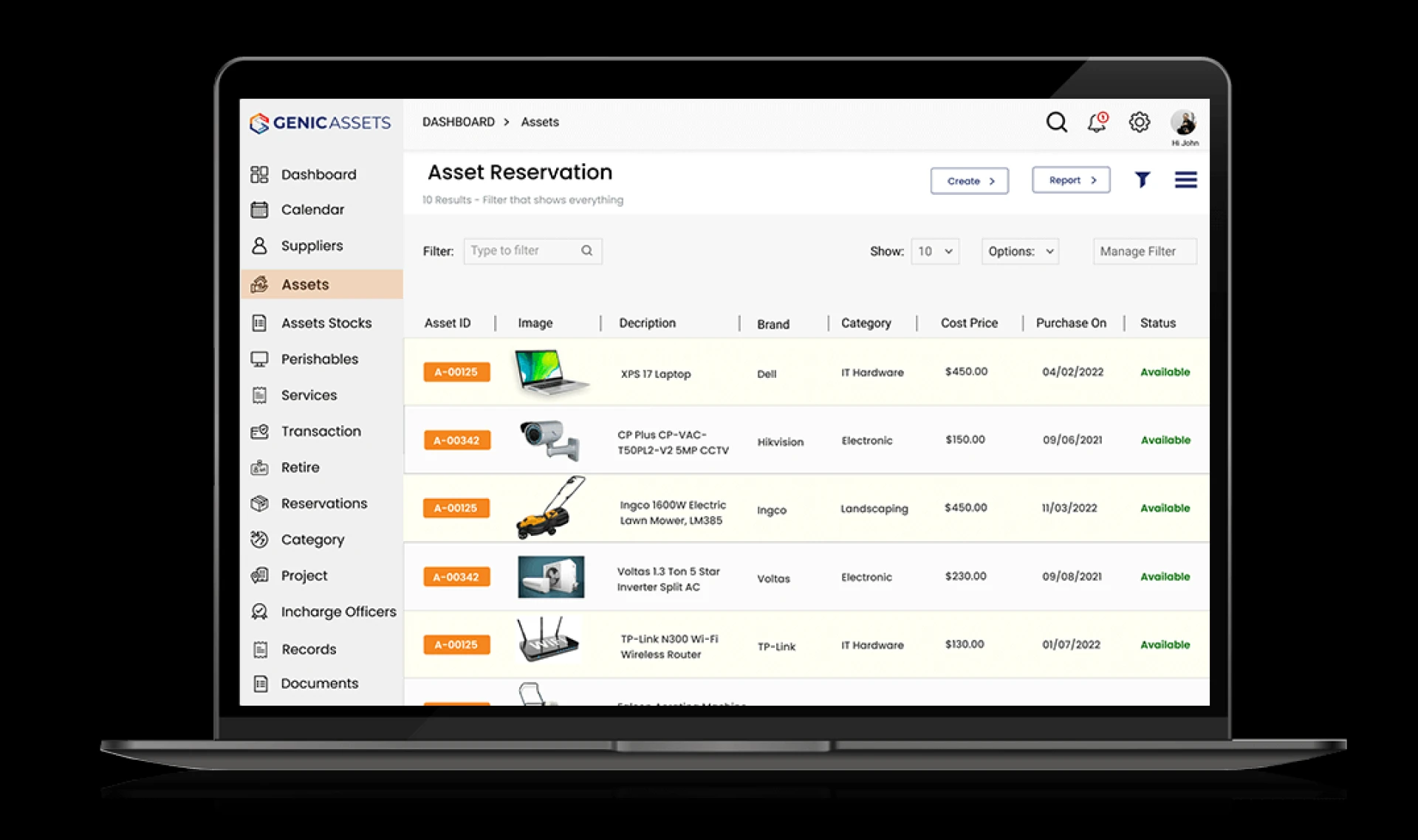
With asset management software, staff check what is available, book items if needed, and avoid overlap. This cuts stress and saves energy.
Reduces Workload
Healthcare teams are often stretched. Tracking helps ease that. Staff spend less time chasing lost gear or waiting for repairs.
In the case of IT hardware asset management, tracking means fast fixes. Computers stay up, records stay safe, and tasks move on without hold-ups.
Prepares for Future Needs
Plans Better Budgets
Good records support smart spending. If an item is used a lot, leaders can plan for upgrades. If something sits unused, it may be removed from stock.
This helps plan for the next year, the next hire, or the next health event.
Handles Emergencies
When demand rises fast—like during flu season or a local outbreak—teams need to act. With an asset tracking system, they see what they have and where it is.
They move faster, support more patients, and avoid panic.
Final Thoughts
Healthcare depends on many moving parts. When those parts are tracked and managed well, everything works better. From frontline care to cleaning and tech support, every role benefits from clear, organized asset tracking.
With strong healthcare asset management, teams avoid delays, reduce costs, and improve safety. Asset tracking systems help staff find equipment, fix issues early, and make smarter choices. This applies across the board—from janitorial asset management to IT hardware asset management.
In a busy hospital or clinic, knowing what you have, where it is, and how it’s working is no longer optional. It’s a must. By investing in clear asset tracking, healthcare facilities build a safer, more reliable service for both staff and patients. Everyone gains when assets are managed well.


























Sign in to leave a comment.