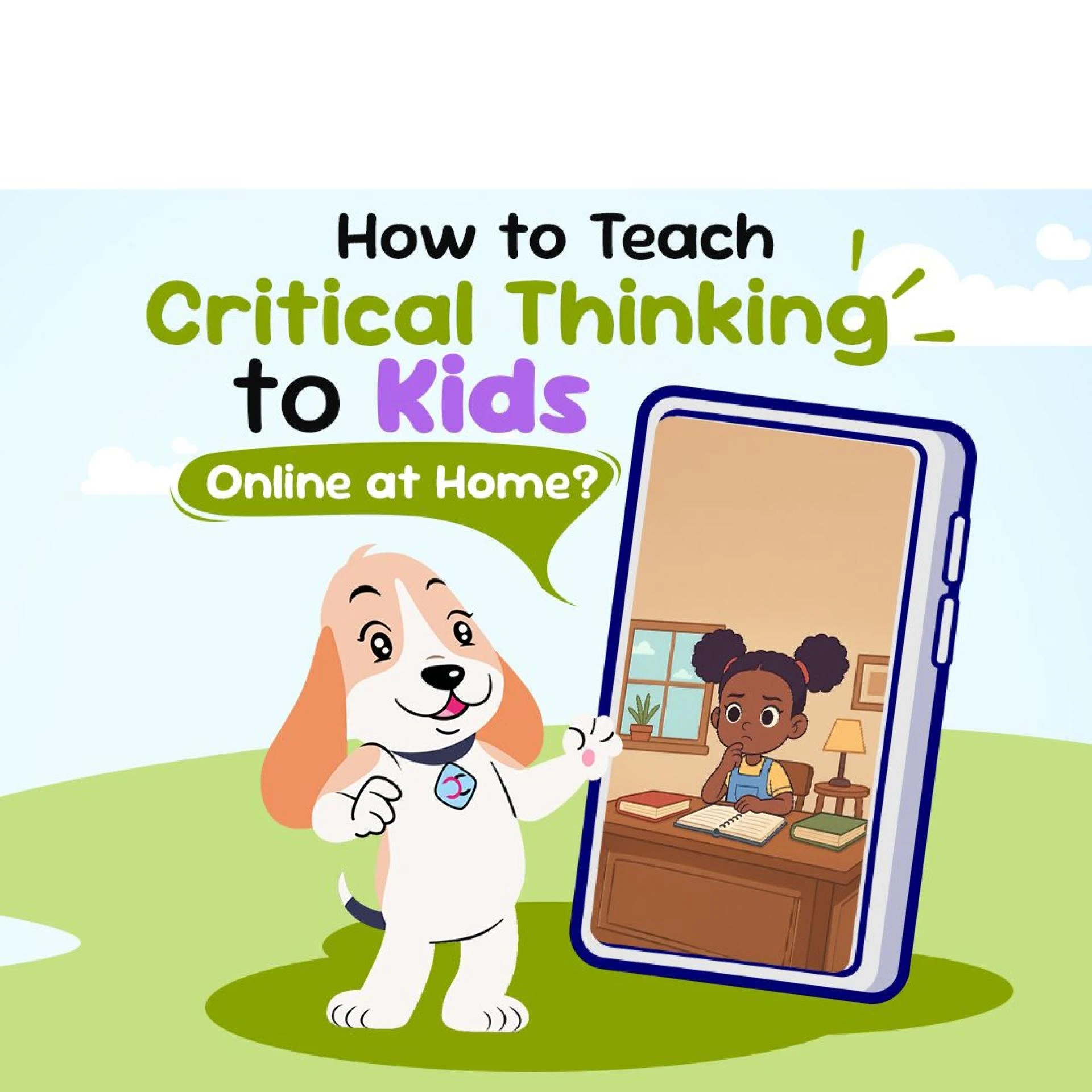

In today’s digital-first world, children are exposed to an abundance of information — but knowing how to think critically about that information is what truly matters. That’s why understanding How to Build Critical Thinking Skills in Kids Online has become a vital part of modern parenting and education. With the right tools and digital strategies, online learning can become a powerful platform for nurturing logical reasoning, creativity, and problem-solving in children.
Developing critical thinking is more than just answering questions — it’s about asking the right ones, evaluating evidence, and forming independent opinions. Through smart online learning, kids can become curious explorers instead of passive screen users.
Why Critical Thinking Matters in the Digital Era
In a world flooded with content, teaching kids how to think is more important than teaching them what to think. Critical thinking helps children:
- Distinguish facts from opinions.
- Make thoughtful, informed decisions.
- Solve problems creatively.
- Build confidence in their reasoning.
- Develop empathy by seeing multiple perspectives.
These are not just academic skills — they’re life skills essential for navigating school, social media, and the future workplace.
The Role of Smart Learning in Building Critical Thinking
Smart learning combines technology, interactivity, and personalised content to create deeper learning experiences. Instead of rote memorisation, it encourages analysis, evaluation, and application — the core elements of critical thinking.
When designed with purpose, online platforms can help children develop higher-order thinking through:
- Interactive games that reward problem-solving.
- Discussion-based platforms that promote reasoning and collaboration.
- Project-based learning that nurtures creativity and logical flow.
- AI-driven personalisation that adapts lessons to each child’s thinking style.
How to Build Critical Thinking Skills in Kids Online
Building critical thinking doesn’t require complicated tools — just intentional guidance and the right learning environments. Here’s how you can foster it effectively:
1. Encourage Curiosity Through Questioning
- Ask open-ended questions such as "What do you think?” or "Why do you believe that?”
- Use online quizzes and thought-provoking riddles that make children reflect before answering.
- Encourage them to research different viewpoints before forming conclusions.
2. Integrate Creative Problem-Solving Games
Games like puzzles, coding platforms, and virtual escape rooms promote logical reasoning and pattern recognition.
- STEM-based apps teach kids to analyse data and make predictions.
- Strategy games boost decision-making and adaptability.
3. Promote Reflection and Discussion
Critical thinking thrives on dialogue.
- Use digital classrooms or parent-child discussions after online sessions.
- Ask kids to explain how they reached their answers.
- Introduce forums where they can compare ideas with peers safely.
4. Encourage Digital Literacy and Responsible Use
Teach kids to evaluate online sources and identify misinformation.
- Show them how to check credibility, verify authors, and cross-reference facts.
- Make them aware of bias, tone, and persuasive intent in digital media.
5. Use AI-Powered Learning Platforms
Modern smart learning tools use AI and adaptive learning to match each child’s pace and cognitive style.
- Personalised tasks challenge kids just enough to keep them engaged.
- Real-time feedback helps them refine reasoning skills instantly.
Online Tools That Foster Critical Thinking
Here are some online resources that help children think more deeply and creatively:
- Khan Academy Kids – interactive challenges promoting reasoning.
- Scratch – encourages coding logic and creative problem-solving.
- Prodigy Math – combines fun with analytical thinking.
- National Geographic Kids – nurtures curiosity about science and the world.
- Google Arts & Culture – builds observational and interpretative skills.
The Role of Parents and Educators
Parents and teachers are crucial in helping children apply critical thinking lessons beyond the screen.
- Model critical thinking by analysing news or stories together.
- Celebrate questions instead of just correct answers.
- Guide reflection by asking what could be done differently next time.
- Encourage collaboration through online group projects.
By integrating these habits into everyday learning, adults help kids internalise curiosity and self-awareness.
Conclusion
Smart learning has transformed education into an interactive and inclusive experience. Knowing How to Build Critical Thinking Skills in Kids Online empowers both children and parents to use technology not just for consumption, but for creation and exploration.
When kids learn to question, reason, and reflect, they develop a mindset that transcends screens — one that shapes them into lifelong learners and responsible digital citizens.
Let’s move beyond rote learning and empower young minds to think critically, creatively, and compassionately — one click at a time.

























Sign in to leave a comment.