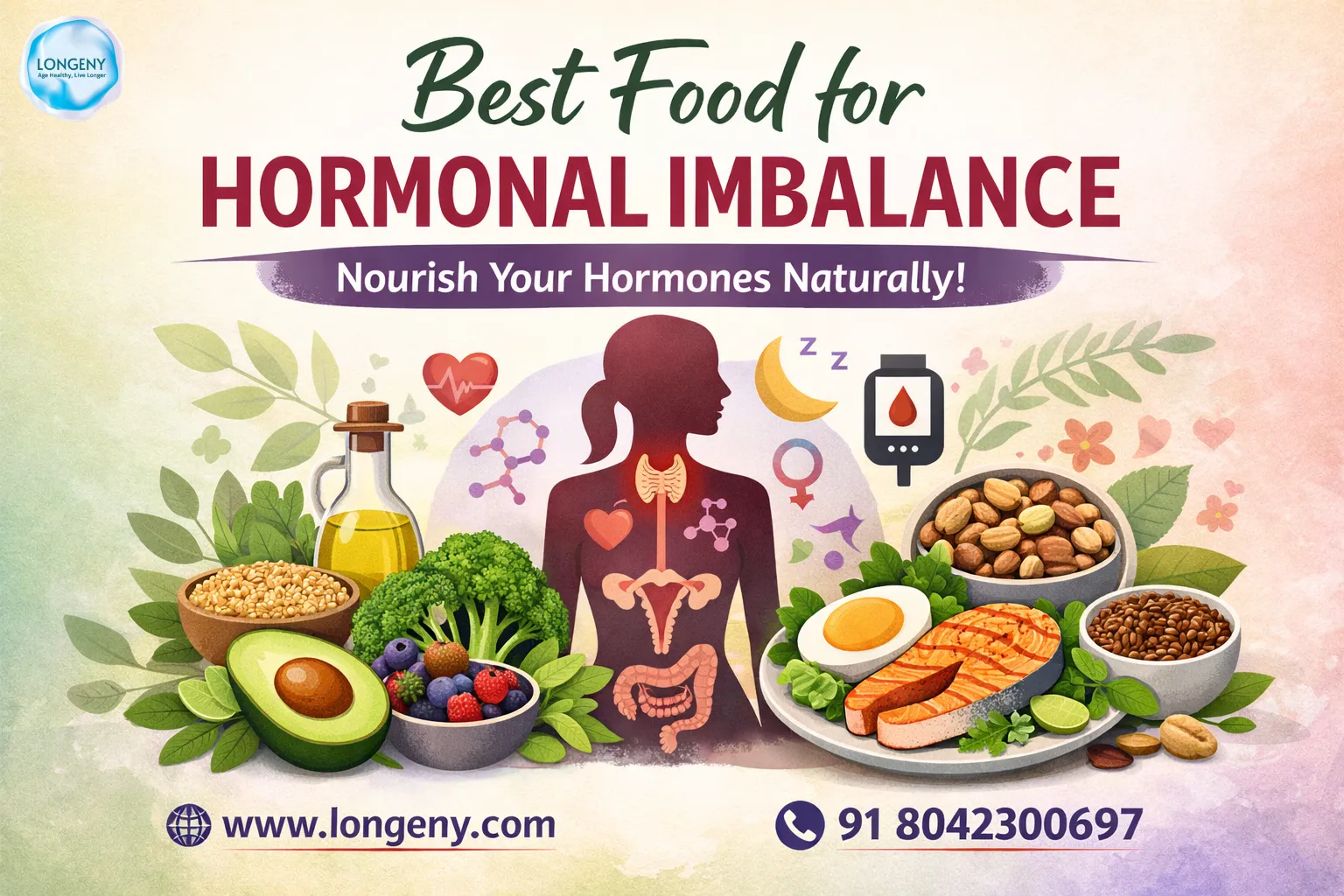

Hormonal health plays a crucial role in maintaining overall wellbeing, energy levels, mood stability, and metabolic balance. When hormones become imbalanced, the body often signals through symptoms like fatigue, weight gain, irregular cycles, acne, and sleep disturbances. Many lifestyle factors contribute to this imbalance, but diet is one of the most powerful tools to restore internal harmony. Understanding how food impacts hormone production can help individuals make smarter, long-term health decisions. A balanced nutritional approach supports the endocrine system and promotes better body function. Choosing the best food for hormonal imbalance can naturally improve your body's internal communication system.
A well-structured diet not only nourishes the body but also helps regulate insulin, cortisol, estrogen, and thyroid hormones. Instead of relying on quick fixes, focusing on sustainable dietary habits ensures long-term benefits. Incorporating whole foods, avoiding processed items, and maintaining consistent eating patterns are key elements. Many people overlook how small daily food choices can create a significant impact over time. With the right approach, nutrition becomes a powerful tool for prevention and recovery.
Understanding Hormonal Imbalance and Its Causes
Hormonal imbalance occurs when there is too much or too little of a hormone in the bloodstream. Even small fluctuations can lead to noticeable health issues. Common causes include stress, poor diet, lack of sleep, sedentary lifestyle, and underlying health conditions. Environmental toxins and processed foods also play a role in disrupting hormone function.
The body relies on nutrients to produce and regulate hormones effectively. Without proper nourishment, the endocrine system struggles to maintain balance. This is why dietary changes are often recommended as a first step toward improving hormonal health. Instead of focusing on restrictive diets, it is better to adopt a holistic eating pattern that supports overall wellbeing.
Role of Nutrition in Hormonal Health
Food acts as fuel and information for the body. It sends signals that influence hormone production and regulation. Certain nutrients, like healthy fats, proteins, vitamins, and minerals, are essential for hormone synthesis. At the same time, excess sugar and refined carbohydrates can disrupt insulin levels, leading to further imbalance.
A nutrient-rich diet supports gut health, which is closely linked to hormonal balance. The gut microbiome helps regulate estrogen levels and reduces inflammation. This connection highlights the importance of eating fiber-rich and probiotic foods regularly. Hydration is another critical factor that supports cellular function and detoxification.
Best Foods to Support Hormonal Balance
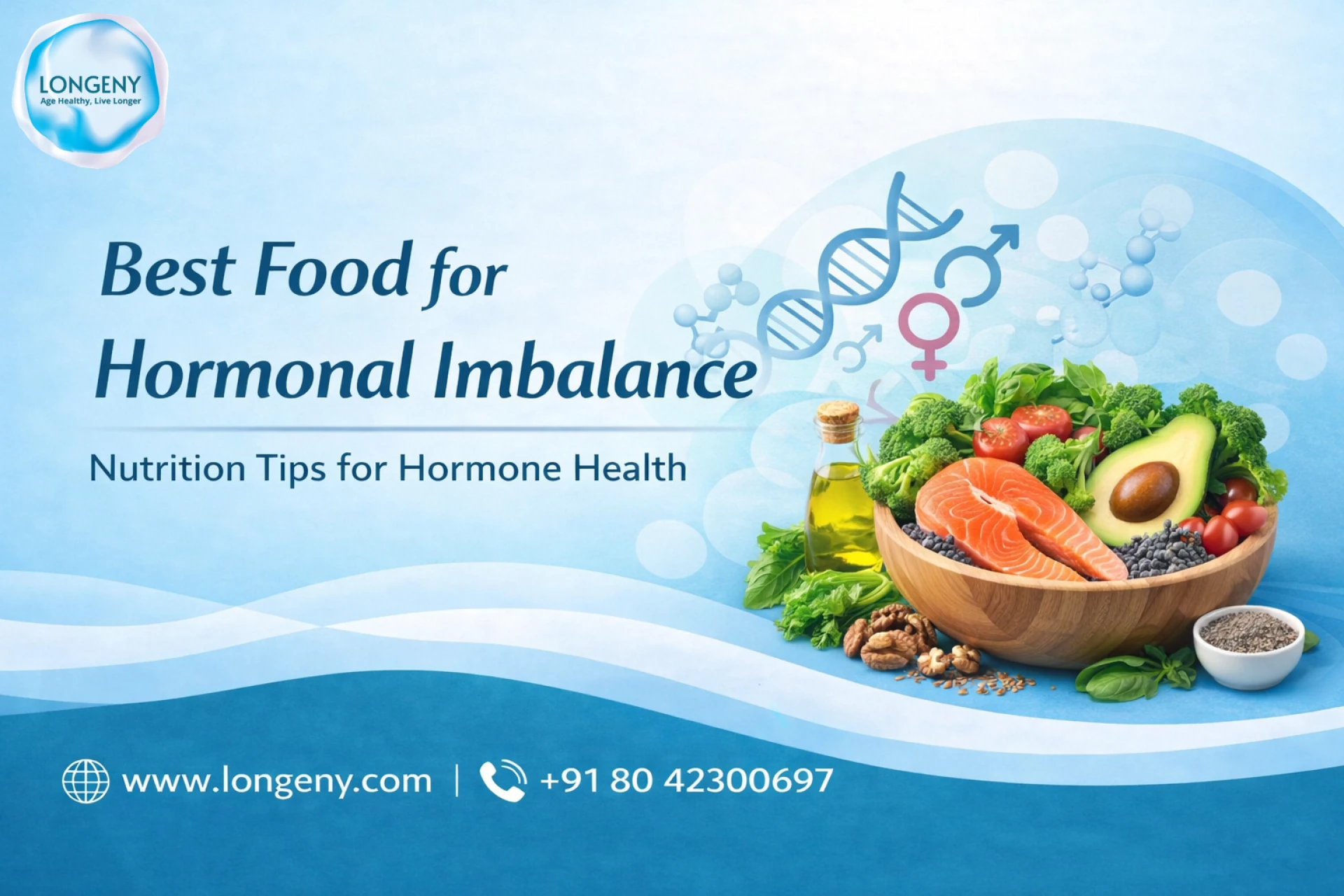
When it comes to restoring balance, certain foods stand out due to their nutrient profile and benefits:
1. Healthy Fats
Foods like avocados, nuts, seeds, and olive oil provide essential fatty acids that support hormone production. These fats also help reduce inflammation and improve brain function.
2. Leafy Green Vegetables
Spinach, kale, and broccoli are rich in fiber, vitamins, and antioxidants. They support liver detoxification, which is important for removing excess hormones from the body.
3. Whole Grains
Brown rice, quinoa, and oats help stabilize blood sugar levels. Balanced glucose levels are essential for preventing insulin spikes and maintaining hormonal stability.
4. Protein-Rich Foods
Eggs, legumes, and lean meats provide amino acids necessary for hormone synthesis. Protein also helps keep you full and supports muscle health.
5. Fruits with Low Glycemic Index
Berries, apples, and pears are excellent choices. They provide natural sweetness without causing sudden blood sugar spikes.
Including these options regularly can help individuals move toward a more balanced internal system. These foods form the foundation of the best food for hormonal strategy without requiring drastic lifestyle changes.
Foods to Avoid for Better Hormonal Health
Just as some foods help restore balance, others can worsen the condition. Processed foods, sugary snacks, and refined carbohydrates can lead to insulin resistance. Excess caffeine and alcohol may disrupt cortisol and sleep cycles.
Artificial additives and preservatives found in packaged foods can interfere with endocrine function. Reducing these items and replacing them with whole, natural foods can significantly improve overall health. Making mindful choices consistently is more effective than following temporary diet trends.
Importance of Gut Health in Hormone Regulation
The gut plays a vital role in maintaining hormonal balance. A healthy digestive system ensures proper nutrient absorption and elimination of toxins. Probiotic-rich foods like yogurt and fermented vegetables help maintain a balanced gut microbiome.
Fiber-rich foods support digestion and help regulate estrogen levels. Poor gut health can lead to inflammation, which further disrupts hormonal function. Therefore, maintaining digestive health is an essential part of any hormone-balancing plan.
Lifestyle Habits That Complement a Healthy Diet
Diet alone is not enough; lifestyle habits also play a key role. Regular exercise helps regulate insulin and cortisol levels. Quality sleep allows the body to repair and maintain hormonal cycles. Stress management techniques such as meditation and breathing exercises can reduce cortisol spikes.
Consistency is the key to long-term success. Small daily improvements in both diet and lifestyle can create a strong foundation for better health. When combined with proper nutrition, these habits enhance the body's ability to function optimally.
Personalized Approach to Hormonal Balance
Every individual is different, and hormonal needs may vary. Factors like age, gender, and medical history influence how the body responds to certain foods. This is why personalized health strategies are becoming more important.
Understanding your body through regular health monitoring can help identify specific deficiencies or imbalances. Tailored dietary plans based on individual needs are more effective than generalized approaches. This method ensures that the body receives the right nutrients in the right amounts.
The Science Behind Cellular Energy and Hormones
Hormones rely on cellular processes to function efficiently. Energy production at the cellular level plays a significant role in maintaining hormonal balance. This is where mitochondrial function becomes important, as it supports energy generation and overall metabolic health.
When cells produce energy efficiently, the body can regulate hormones more effectively. Poor cellular health can lead to fatigue, slow metabolism, and hormonal disruptions. Supporting cellular energy through proper nutrition enhances overall wellbeing and promotes internal balance.
Long-Term Benefits of a Hormone-Friendly Diet
Adopting a balanced diet focused on whole foods offers long-term benefits beyond hormone regulation. It improves immunity, enhances mental clarity, and supports metabolic health. Over time, individuals may notice better energy levels, improved mood, and reduced health risks.
Sustainable dietary habits create a strong foundation for lifelong wellness. Instead of focusing on quick fixes, it is important to build a consistent routine that supports the body's natural processes. This approach aligns with modern preventive health strategies and promotes overall quality of life.
FAQs
1. What are the symptoms of hormonal imbalance?
Common symptoms include fatigue, weight gain, mood swings, irregular periods, acne, and sleep issues. These signs may vary depending on the hormones affected.
2. Can diet really fix hormonal imbalance?
Diet plays a major role in managing hormonal health. While it may not completely cure underlying conditions, it significantly improves balance and reduces symptoms.
3. How long does it take to see results from dietary changes?
Results vary from person to person, but noticeable improvements can be seen within a few weeks of consistent healthy eating habits.
4. Are supplements necessary for hormonal balance?
Supplements may help in some cases, but it is best to focus on a nutrient-rich diet first. Consulting a healthcare professional is recommended before starting any supplements.
5. What is the most important food group for hormones?
Healthy fats and proteins are crucial as they support hormone production and regulation. However, a balanced diet including all food groups is essential.






























Sign in to leave a comment.