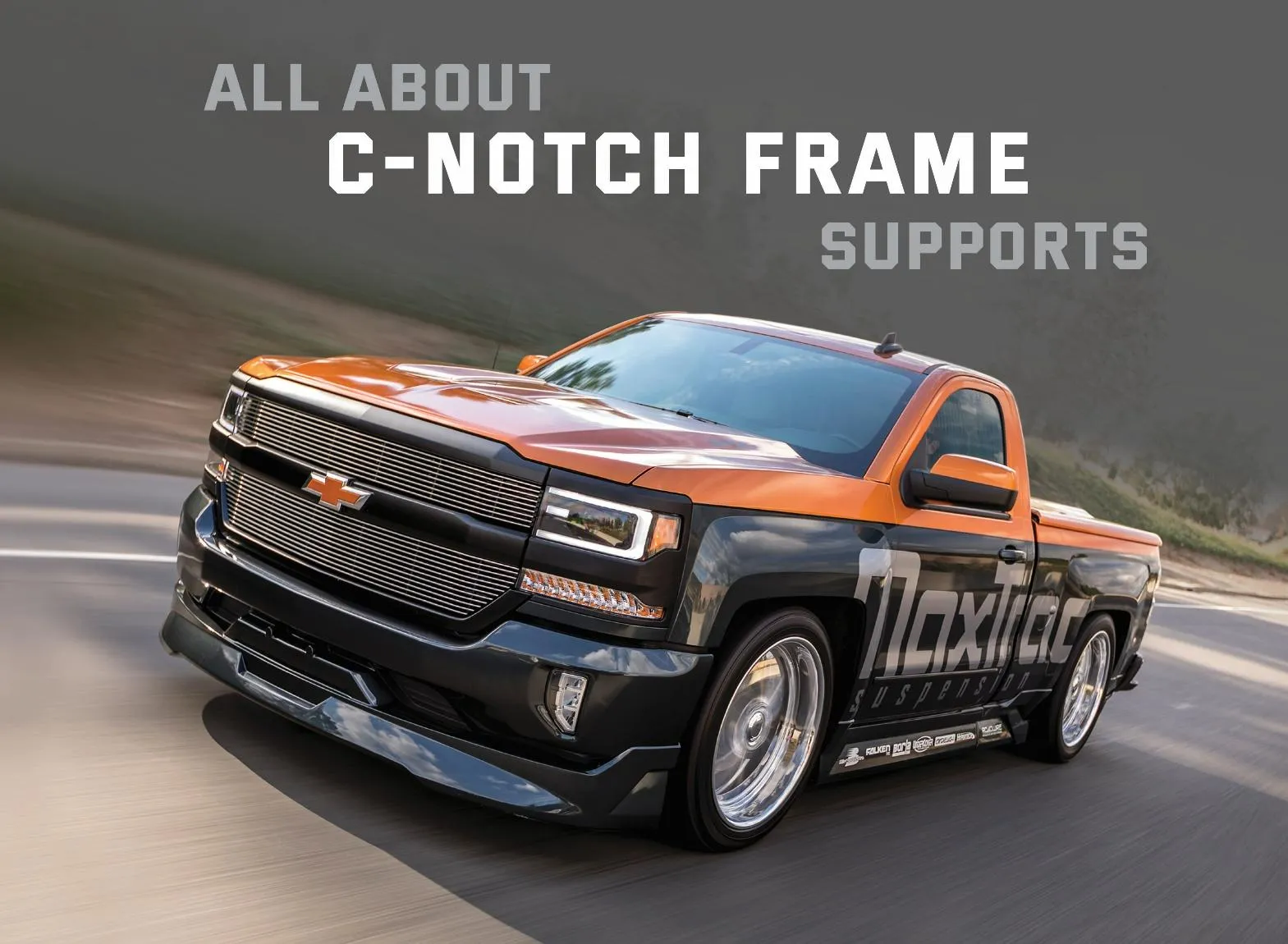

A truck’s suspension plays a major role in how the vehicle handles weight, road conditions, and changes in terrain. While many owners focus on wheels, tires, or exterior styling, improving the suspension can have an equally noticeable effect on the overall driving experience. The right combination of components can improve ride control, create a more balanced stance, and provide the support needed for different driving conditions.
A well-planned truck suspension upgrade should begin with understanding how the truck is currently used. A daily driver may need a different setup than a truck built for off-road adventures, towing, hauling, or performance applications. Choosing components based on the vehicle’s purpose helps ensure that each modification works together rather than creating unnecessary compromises.
Start With Your Truck’s Purpose
Before purchasing suspension components, consider how your truck spends most of its time. If it is primarily used for commuting, comfort and predictable handling may be the priorities. Trucks that regularly carry heavy loads may require additional support, while off-road vehicles can benefit from increased clearance and suspension travel.
Your driving habits also influence the type of setup you need. A suspension designed for occasional trail use may not be ideal for a truck that spends most of its time on highways. Defining your goals first makes it easier to select appropriate components.
Consider Ride Height Carefully
Changing ride height is one of the most common suspension modifications. A lift can create additional ground clearance and make room for larger tires, while a lowering setup can provide a more aggressive appearance and change the truck’s center of gravity.
However, ride height should not be selected based on appearance alone. Changes to suspension geometry can affect steering, alignment, and the way other components interact. A properly designed setup considers these factors to maintain predictable handling.
Pay Attention to Suspension Geometry
Every suspension component works as part of a larger system. When ride height changes, control arms, steering components, shocks, and other parts may operate at different angles.
This is why choosing compatible components is important. A properly engineered setup helps maintain appropriate suspension movement and reduces unnecessary stress on related parts. Alignment should also be checked after major suspension modifications to ensure that the vehicle is operating correctly.
Upgrade Components as a System
One common mistake is upgrading a single component without considering the rest of the suspension. For example, installing a lift component without evaluating shock length, suspension travel, or other supporting parts can create an incomplete setup.
Instead, look at the suspension as a complete system. Springs, shocks, brackets, control components, and frame supports should complement one another. This approach can help create a more consistent driving experience and improve the overall effectiveness of the modification.
Don't Overlook Frame Support
The frame provides the foundation for the suspension system. When a truck is modified significantly, frame support can become an important consideration.
C-notch frame supports, for example, can be useful in certain lowered applications where additional clearance is required. Creating room for suspension movement while maintaining appropriate frame strength requires careful planning and properly designed components.
Understanding the relationship between frame structure and suspension travel can help owners avoid modifications that restrict movement or create unnecessary stress.
Choose Quality Components
Suspension components experience substantial forces during everyday driving. Potholes, uneven surfaces, heavy loads, acceleration, braking, and cornering can all place demands on the system.
For that reason, quality should be a major consideration when selecting suspension parts. Look for components manufactured with appropriate materials, precise dimensions, and designs intended for the specific vehicle application.
Brands such as maxtracsuspension focus on suspension solutions for different truck applications, giving vehicle owners options for modifying ride height and overall suspension performance according to their needs.
Think About Tire Clearance
Suspension upgrades are often paired with larger wheels and tires. Increasing tire size can improve ground clearance and change the appearance of a truck, but available clearance must be considered carefully.
Before selecting a suspension setup, check how much room is available around the tires, wheel wells, steering components, and other nearby parts. The correct combination of wheel width, tire size, offset, and suspension height can help prevent unwanted rubbing during steering or suspension movement.
Get the Alignment Checked
After changing suspension height or replacing major suspension components, a professional alignment is an important final step. Changes in ride height can affect camber, caster, and toe angles.
Proper alignment can help maintain predictable steering and reduce uneven tire wear. It also ensures that the truck is operating as intended after the modification.
Plan for Long-Term Performance
A successful suspension modification should not only look good immediately after installation. It should continue performing properly as the truck is driven over time.
Regularly inspect suspension components for signs of wear, loose hardware, damaged bushings, or other issues. Pay attention to changes in ride quality, steering behavior, unusual noises, or uneven tire wear. Early inspection can help identify potential problems before they become more serious.
Final Thoughts
Upgrading a truck’s suspension is about more than simply changing its ride height. The best results come from understanding the vehicle’s purpose, selecting compatible components, maintaining suspension geometry, considering frame support, and paying attention to tire clearance.
A thoughtful approach can help create a truck that looks the way you want while providing the handling, clearance, and support required for your driving style. Whether the goal is improved road manners, a more capable off-road setup, or a customized stance, careful planning is the key to making every suspension component work together effectively.


























Sign in to leave a comment.