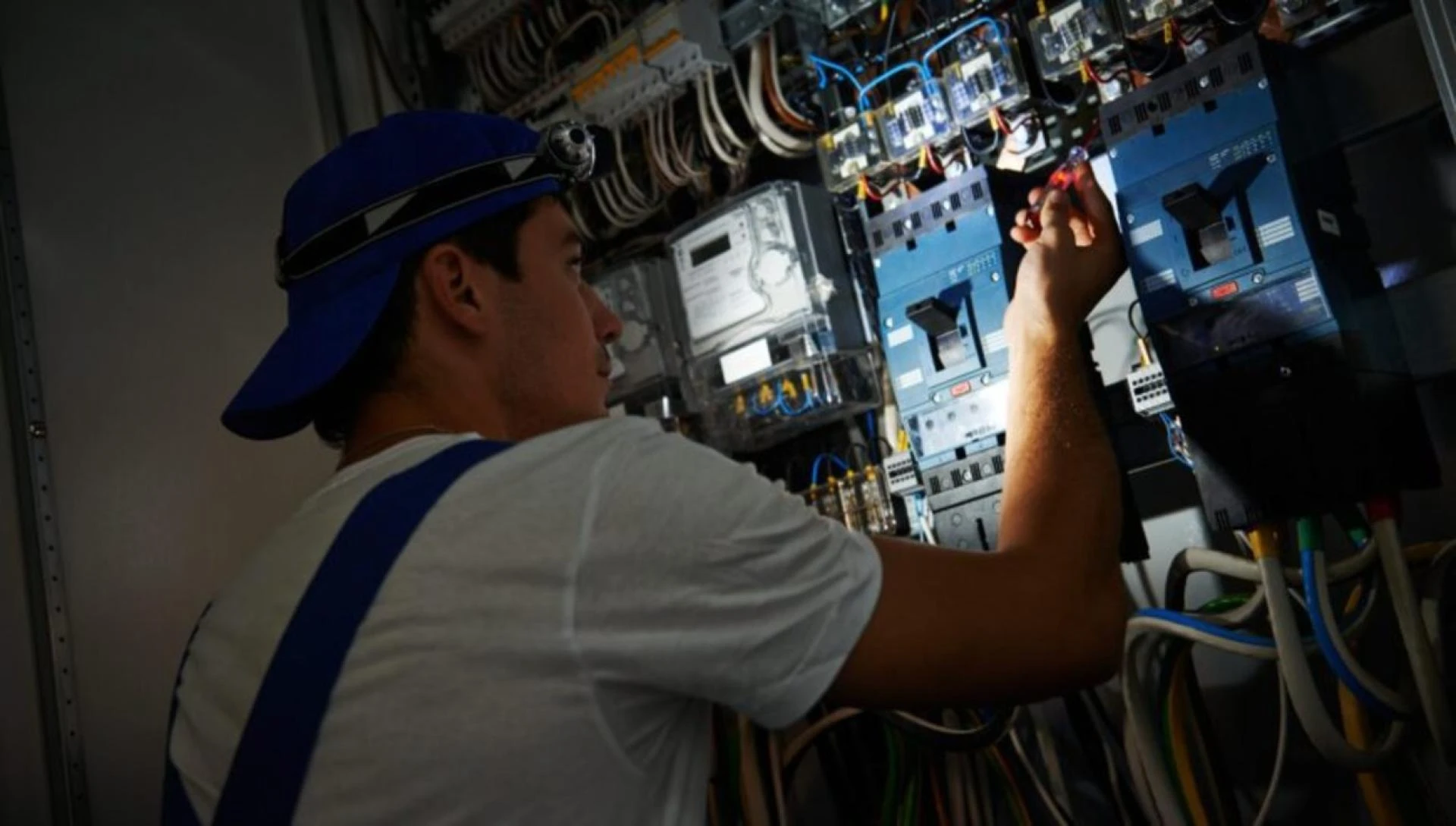

Fire safety is one of the most important responsibilities for homeowners and property managers. A properly installed smoke alarm can mean the difference between a minor incident and a life-threatening emergency. Professional smoke alarm installation ensures early fire detection, giving occupants enough time to react and evacuate safely.
Smoke alarms are designed to detect smoke quickly and alert people before a fire spreads. However, their effectiveness depends on proper installation, correct placement, and regular maintenance. Ensuring these devices are installed by professionals helps maximize safety and compliance with current regulations.
Why Smoke Alarm Installation Is Essential
Fires can spread rapidly and produce dangerous smoke within minutes. In many cases, smoke inhalation is more dangerous than flames. A reliable smoke alarm system acts as an early warning device that alerts occupants before conditions become critical.
Professional smoke alarm installation helps:
- Detect smoke early during fire incidents
- Provide enough time for safe evacuation
- Reduce the risk of serious injuries or fatalities
- Improve overall fire safety in homes and buildings
- Ensure compliance with safety regulations
Because of these benefits, smoke alarms are considered a vital safety feature in every residential property.
Types of Smoke Alarms for Residential Properties
Understanding the different types of smoke alarms can help homeowners choose the most effective solution for their property.
Photoelectric Smoke Alarms
Photoelectric alarms are highly recommended for residential use. They are especially effective at detecting slow, smouldering fires that produce large amounts of smoke before flames appear.
Ionisation Smoke Alarms
These alarms are better at detecting fast-flaming fires. However, they can sometimes be triggered by cooking smoke or steam.
Hardwired Smoke Alarms
Hardwired alarms are connected directly to the electrical system and often include battery backup. They are reliable and commonly used in modern homes.
Battery-Powered Smoke Alarms
These alarms are easier to install but require regular battery checks and replacements to remain effective.
A professional electrician can recommend the most suitable option based on your home’s layout and safety requirements.
Correct Placement of Smoke Alarms
Proper placement is critical for effective smoke alarm installation. Incorrect positioning can delay detection or cause frequent false alarms.
Key locations for installation include:
- Inside every bedroom
- Outside sleeping areas or hallways
- On every level of the home
- Near staircases and main escape routes
Smoke alarms should generally be installed on ceilings or high on walls where smoke naturally rises. Avoid installing alarms too close to kitchens, bathrooms, or air vents, as steam and airflow can affect performance.
Benefits of Professional Smoke Alarm Installation
Although some smoke alarms appear simple to install, professional installation ensures everything is done correctly and safely.
Improved Safety
Professionals ensure alarms are installed in the most effective locations for early detection.
Compliance with Regulations
Safety regulations often require specific types of smoke alarms and placement guidelines. Professional installation ensures full compliance.
Reliable Operation
Licensed electricians properly connect, test, and verify alarms to ensure dependable performance.
Reduced False Alarms
Correct positioning and suitable device selection minimise nuisance alarms caused by steam or cooking fumes.
Professional installation ensures your smoke alarm system functions when it matters most.
Importance of Smoke Alarm Maintenance
Installing smoke alarms is only the first step. Regular testing and maintenance are essential to ensure they continue to operate effectively.
Recommended maintenance practices include:
- Testing alarms monthly
- Replacing batteries when needed
- Cleaning alarms to remove dust or debris
- Scheduling professional inspections periodically
- Replacing alarms according to manufacturer guidelines
Over time, smoke alarms can become less sensitive or malfunction. Regular checks help ensure your system remains reliable.
Smoke Alarm Installation for New Homes and Renovations
During construction or renovation projects, smoke alarm installation should be carefully planned. Hardwired and interconnected smoke alarms are commonly installed in new homes to improve overall fire safety. When one alarm detects smoke, all connected alarms activate, providing a stronger warning throughout the property.
Professional electricians work with builders and homeowners to ensure alarms are placed strategically and integrated into the home’s electrical system.
Protecting Lives with Early Fire Detection
Smoke alarms are one of the most effective safety devices available for homes and buildings. They provide critical early warnings that help occupants escape safely and minimise property damage. However, their effectiveness relies on proper installation and ongoing maintenance.
Investing in professional smoke alarm installation ensures your home is equipped with reliable fire detection systems that protect your family and property.
Smoke alarm installation is an essential step in creating a safe living environment. Properly installed alarms detect smoke quickly, provide early warnings, and help prevent serious fire-related incidents. With professional installation, correct placement, and regular maintenance, smoke alarms offer dependable protection for every home.
Prioritising smoke alarm safety today can save lives tomorrow, making it one of the most important safety investments any homeowner can make.
Note:- This blog is originally from wordpress






















Sign in to leave a comment.