

Scalp Micropigmentation (SMP) is a highly precise cosmetic procedure designed to create the look of natural hair follicles on the scalp. The success of this technique depends not only on the artist’s skills but also on the tools used, particularly the SMP Needles for Scalp Micropigmentation. These needles are specially engineered to deposit pigment accurately, ensuring the most natural and lasting results.
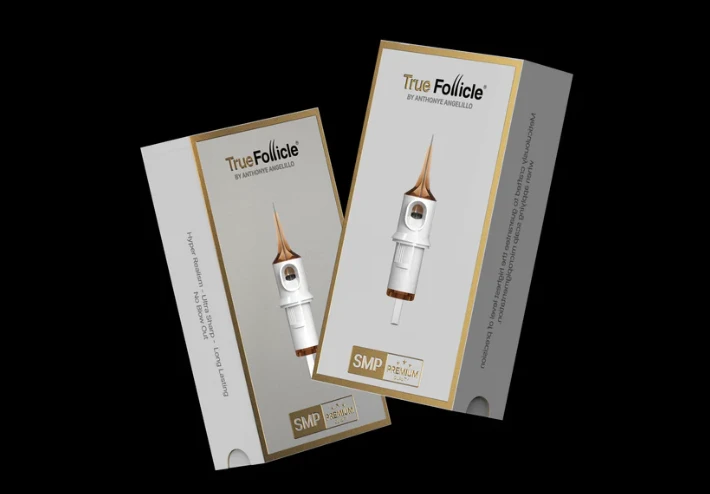
Role of SMP Needles in the Procedure
SMP needles play a critical role in replicating the appearance of tiny hair follicles. The right needle ensures:
- Consistent pigment deposit
- Minimal skin trauma
- Accurate follicle sizing
Using the correct type and size can dramatically improve the outcome, making the procedure look realistic and flawless.
Types of SMP Needles
SMP needles come in different configurations to suit various needs:
Single Needles
Ideal for creating the smallest, most precise follicle impressions, often used in detailed areas like the hairline.
Three-Round Needles
Designed for covering larger scalp areas efficiently while still maintaining accuracy.
Micro-Needles
Ultra-fine needles for delicate work, often chosen for lighter density treatments.
Each type serves a specific purpose, and professional artists often switch between needle types depending on the stage of treatment.
Choosing the Right Needle Size
Needle size impacts the density, realism, and overall look of SMP results.
Factors influencing needle choice include:
- Skin type and thickness
- Desired hair density
- Treatment area
For example, thinner skin may require finer needles, while areas with more coverage may need larger groupings.
How Needle Quality Affects Results?
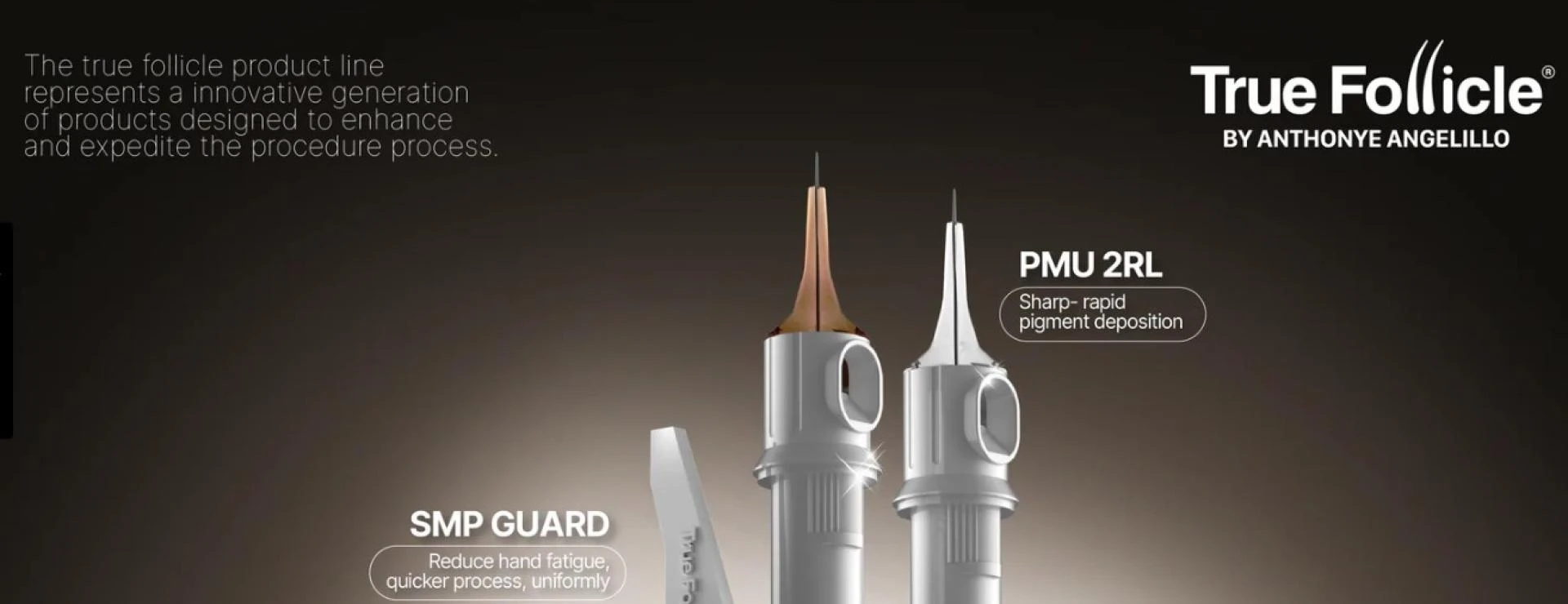
High-quality SMP needles ensure:
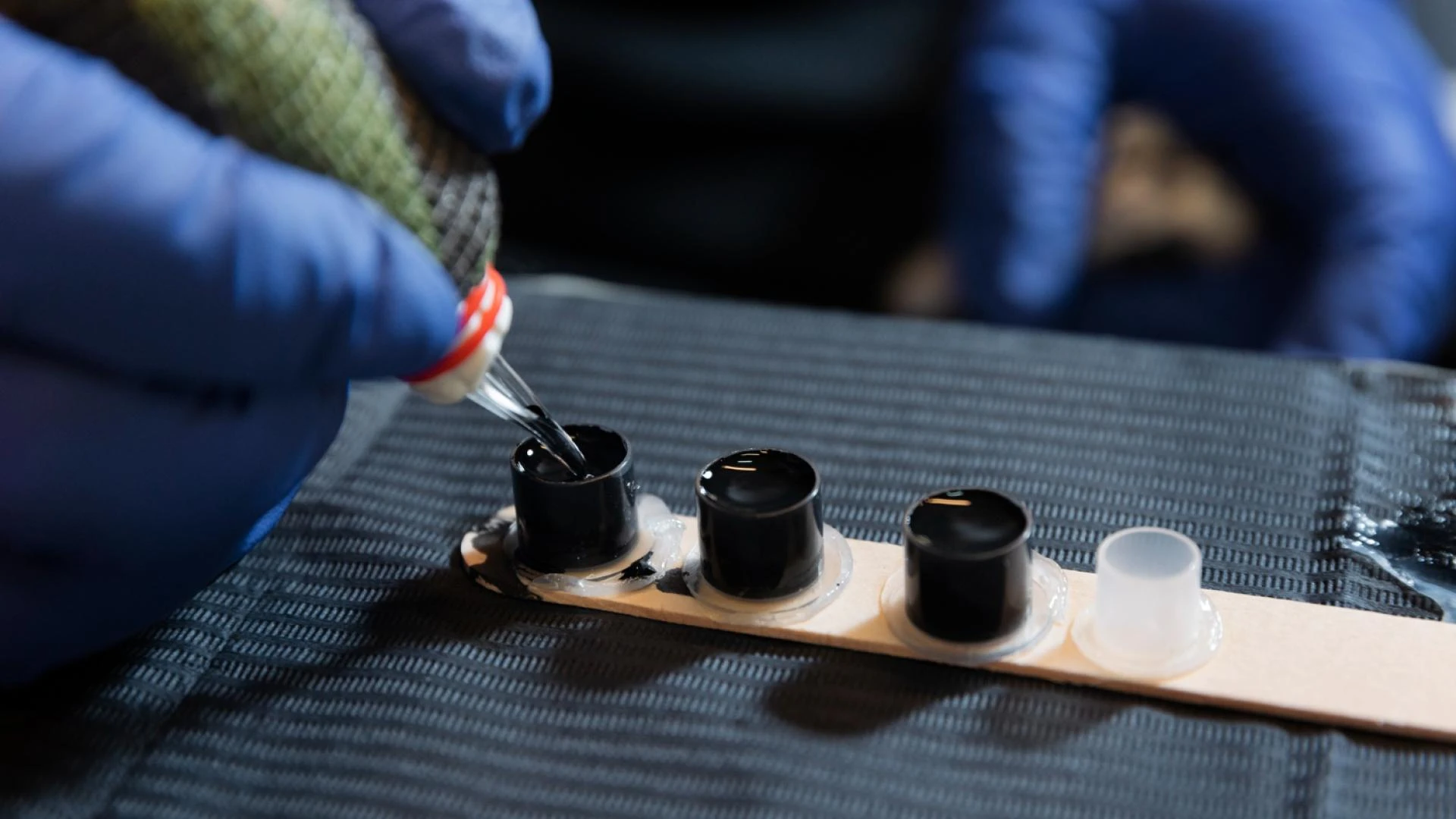
- Even pigment flow – Prevents blotches or fading
- Durability – Avoids bending or breaking mid-procedure
- Sharpness – Creates clean impressions for natural-looking follicles
Inferior needles may cause uneven results, faster fading, or even discomfort during the procedure. The right SMP Needles for Scalp Micropigmentation help artists deliver long-lasting, realistic outcomes.
Proper Handling and Hygiene Practices
Hygiene is non-negotiable in SMP. Professionals must:
- Always use sterile, single-use needles
- Wear gloves throughout the procedure
- Dispose of used needles safely in sharps containers
- Maintain clean equipment and workspaces
Following strict hygiene guidelines not only ensures client safety but also improves treatment results.
Common Mistakes to Avoid with SMP Needles
Even experienced practitioners can make mistakes, such as:
- Using the wrong needle size for the scalp area
- Applying too much pressure, causing excessive skin trauma
- Reusing needles (a major hygiene risk)
- Choosing low-quality needles to cut costs
Avoiding these errors helps maintain consistency, safety, and client satisfaction.

Final Thoughts on SMP Needles for Scalp Micropigmentation
The needle may seem like a small part of the process, but it’s one of the most important tools in SMP. Selecting the right type, size, and quality can make the difference between average and outstanding results. Professionals who invest in proper training and high-quality SMP Needles for Scalp Micropigmentation can deliver natural, lasting transformations for their clients.
FAQs
Q1: Can I use the same needle for the entire SMP procedure?
Not always. Different areas of the scalp may require different needle sizes for the best results.
Q2: How often should SMP needles be replaced?
They must be replaced after every single use to maintain hygiene and prevent infections.
Q3: Do thicker needles create darker results?
Yes, larger needles deposit more pigment, which can appear darker, but technique also plays a major role.
Q4: Can low-quality needles cause fading?
Yes, poor-quality needles can cause uneven pigment distribution, leading to premature fading.























Sign in to leave a comment.