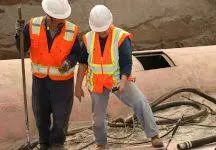

Soil vapor testing plays a critical role in identifying harmful gases and volatile organic compounds (VOCs) that may migrate from contaminated soil or groundwater into buildings. As environmental regulations continue to evolve, businesses, property owners, developers, and industrial facilities are increasingly relying on professional soil vapor testing services to protect human health, maintain regulatory compliance, and reduce environmental liabilities. Soil vapor testing is commonly used during environmental site assessments, redevelopment projects, vapor intrusion investigations, and remediation planning to determine whether contaminants beneath a property pose a risk to indoor air quality.
According to the United States Environmental Protection Agency (EPA), vapor intrusion occurs when hazardous vapors from contaminated soil or groundwater migrate into buildings through cracks in foundations, utility lines, or other structural openings. Common contaminants associated with vapor intrusion include petroleum hydrocarbons, chlorinated solvents, and other VOCs that may create long-term health risks for building occupants.
What Is Soil Vapor Testing? 🧪
Soil vapor testing is an environmental investigation method used to collect and analyze gases present within the soil. Environmental professionals use specialized equipment to sample vapors beneath or around buildings to determine whether contaminants are present at concentrations that could impact indoor air quality. Testing often includes sub-slab vapor sampling, soil gas analysis, indoor air sampling, and groundwater evaluations.
This process helps environmental consultants identify contamination pathways and determine whether mitigation or remediation systems are necessary. Soil vapor testing is especially important for commercial properties, industrial sites, gas stations, dry-cleaning facilities, manufacturing plants, and redevelopment projects where historical contamination may exist.
Professional vapor intrusion studies evaluate how gases move through soil and enter structures. Environmental experts often analyze factors such as soil composition, building pressure, weather conditions, and underground utilities to better understand contaminant migration pathways.
Why Soil Vapor Testing Matters ⚠️
Undetected soil vapors can create serious environmental and health concerns. Harmful chemicals may accumulate inside buildings over time, affecting air quality and potentially exposing occupants to unsafe conditions. Conducting soil vapor testing helps organizations detect contamination early and implement corrective actions before problems escalate.
Some of the major benefits of soil vapor testing include:
- Protecting indoor air quality 🏠
- Identifying hidden environmental contamination 🌱
- Supporting environmental compliance 📋
- Reducing legal and financial liabilities 💼
- Assisting with property transactions and redevelopment 🏗️
- Improving long-term environmental safety 🌎
Environmental investigations also support lenders, investors, and property buyers by providing accurate information about potential contamination risks before property acquisitions are completed.
Common Contaminants Found During Soil Vapor Testing 🧫
Several contaminants may be detected during vapor intrusion investigations and soil gas sampling. These often include:
- Benzene
- Toluene
- Ethylbenzene
- Xylene (BTEX compounds)
- Trichloroethylene (TCE)
- Perchloroethylene (PCE)
- Methane
- Petroleum hydrocarbons
- Chlorinated solvents
These contaminants may originate from leaking underground storage tanks, industrial spills, chemical storage areas, landfills, or historical industrial operations. EPA guidance highlights that VOCs and certain vapor-forming chemicals can migrate through soil and affect indoor environments if left unaddressed.
The Soil Vapor Testing Process 🔬
The soil vapor testing process typically begins with a site assessment and historical review of the property. Environmental consultants identify possible contamination sources and develop a sampling strategy tailored to site conditions.
The investigation may include:
1. Soil Gas Sampling
Specialized probes are installed into the ground to collect soil gas samples from beneath the surface. These samples are analyzed in certified laboratories to detect VOC concentrations.
2. Sub-Slab Sampling
For occupied buildings, environmental professionals may drill small access points through concrete slabs to collect vapor samples directly beneath the structure.
3. Indoor Air Testing
Indoor air quality testing helps determine whether contaminants have entered occupied spaces.
4. Data Evaluation
Environmental experts compare laboratory results with state and federal screening levels to evaluate risks and determine whether mitigation is necessary.
Studies have shown that soil vapor extraction systems can effectively reduce vapor intrusion risks and improve indoor air quality in contaminated areas.
Soil Vapor Testing for Redevelopment Projects 🏢
Brownfield redevelopment and commercial property transactions often require soil vapor testing before construction or redevelopment begins. Identifying contamination early helps developers avoid unexpected remediation costs and project delays. Environmental assessments also support regulatory approvals and financing requirements for redevelopment projects.
Professional environmental consultants provide detailed reports, risk evaluations, and mitigation recommendations that help clients move forward confidently with property development plans.
Andersen Integrated Services: Professional Soil Vapor Testing Solutions 🌟
Businesses seeking reliable soil vapor testing and vapor intrusion assessment services can benefit from experienced environmental consultants who understand regulatory requirements and contamination risks. Andersen Integrated Services provides comprehensive vapor intrusion studies, soil gas investigations, and environmental consulting solutions designed to protect indoor air quality and support environmental compliance.
Their experienced team works with commercial, industrial, and redevelopment clients to identify contamination concerns, conduct accurate testing, and recommend effective mitigation strategies. From site investigations and soil gas sampling to indoor air evaluations and remediation support, they deliver customized environmental solutions tailored to project-specific needs.
Learn more about professional vapor intrusion and soil vapor testing services at https://andersenint.com/services/vapor-intrusion-studies/ and explore additional environmental consulting solutions at https://andersenint.com/.
By investing in professional soil vapor testing, businesses and property owners can reduce environmental risks, protect building occupants, and support safer, healthier properties for the future. 🌎✨


























Sign in to leave a comment.