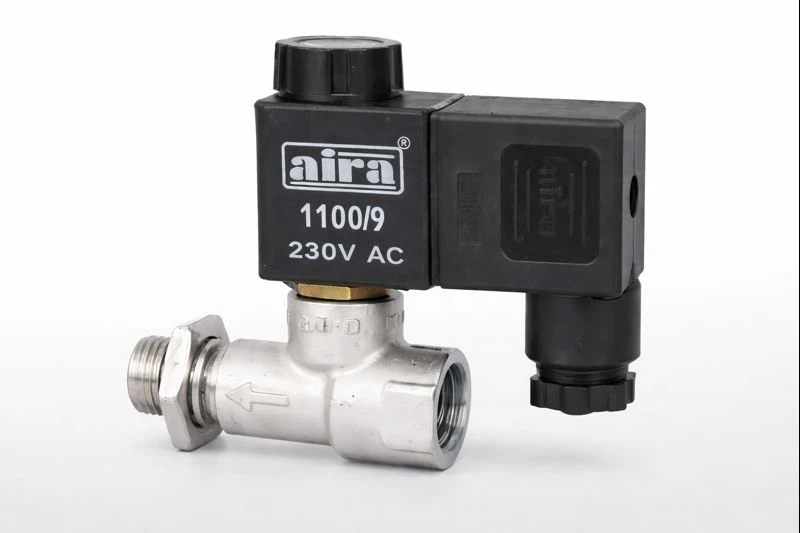
Finding a reliable Solenoid Valve Supplier in Dubai is often the first step for industries aiming to improve automation, accuracy, and operational efficiency. Solenoid valves play a vital role in controlling the flow of liquids and gases across countless applications, from manufacturing plants to HVAC systems and water treatment facilities.
In this guide, we’ll explore what solenoid valves are, how they work, their main types, key benefits, and why they have become essential components in modern industrial environments.
What Is a Solenoid Valve
A solenoid valve is an electromechanical device designed to regulate the flow of fluids or gases. It operates using an electric current that energizes a coil, creating a magnetic field. This magnetic force moves a plunger, opening or closing the valve to allow or stop flow.
Because of their fast response time and precise control, solenoid valves are widely used in automated systems where accuracy and reliability matter most.
How Solenoid Valves Work
The working principle is simple yet powerful:
- An electrical signal activates the solenoid coil.
- The coil generates a magnetic field.
- This magnetic field moves an internal plunger.
- The movement opens or closes the valve, controlling flow.
Once the electrical signal stops, a spring returns the plunger to its original position, restoring the valve to its default state. This on-off mechanism allows solenoid valves to operate efficiently even in demanding environments.
Common Types of Solenoid Valves
Different applications require different valve designs. Some of the most common types include:
Direct-Acting Solenoid Valves
These valves open and close directly through magnetic force. They are ideal for low-flow systems and applications requiring quick response.
Pilot-Operated Solenoid Valves
These use system pressure to assist valve operation, making them suitable for high-flow or high-pressure applications.
Normally Closed (NC) Valves
Remain closed when de-energized and open when powered—commonly used for safety-critical systems.
Normally Open (NO) Valves
Stay open when unpowered and close once electricity is applied.
Each type serves specific industrial needs, ensuring flexibility across multiple sectors.
Key Benefits of Solenoid Valves
Solenoid valves offer several advantages that make them a preferred choice for automation:
Fast Response Time
They open and close almost instantly, improving system efficiency and reducing delays.
High Accuracy
Precise control ensures consistent flow regulation, essential for sensitive processes.
Low Power Consumption
Modern solenoid valves are designed to operate efficiently, reducing energy costs.
Compact Design
Their small size allows easy integration into tight system layouts.
Reliable Operation
With minimal moving parts, solenoid valves require less maintenance and deliver long-term performance.
Industrial Applications
Solenoid valves are used in a wide range of industries, including:
- Water and wastewater treatment
- Oil and gas systems
- Food and beverage processing
- Medical equipment
- HVAC systems
- Chemical processing plants
- Automotive manufacturing
Their versatility makes them suitable for both simple on-off tasks and complex automated control systems.
Choosing the Right Solenoid Valve
Selecting the correct solenoid valve depends on several factors:
- Type of fluid or gas
- Operating pressure and temperature
- Required flow rate
- Voltage compatibility
- Valve material
- Environmental conditions
Understanding these parameters helps ensure optimal performance and prevents premature system failures.
Why Solenoid Valves Matter in Automation
Automation relies heavily on precise flow control. Solenoid valves provide this accuracy while maintaining durability under continuous operation. As industries shift toward smarter systems, solenoid valves act as critical components that support digital control, remote monitoring, and process optimization.
Their ability to integrate with sensors and control panels makes them indispensable in Industry 4.0 environments.
Final Thoughts
Solenoid valves continue to shape modern industrial processes by delivering reliable, efficient, and precise flow control. Whether used in manufacturing lines, fluid handling systems, or automated machinery, these valves provide unmatched performance and flexibility.
By understanding how solenoid valves work and selecting the right type for your application, businesses can improve productivity, reduce downtime, and achieve smoother operations across all levels of automation.






















Sign in to leave a comment.