

India and Pakistan are known for their rich culinary heritage, especially when it comes to traditional sweets. Among the countless delicacies that grace festive tables, Motichoor Ladoo and Boondi Ladoo hold a special place in the hearts of millions. These iconic sweets are not just desserts—they are symbols of joy, celebration, and togetherness. Whether it’s a wedding, religious festival, or family gathering, these ladoos are almost always present, adding sweetness to every special moment.
What Are Motichoor and Boondi Ladoo?
At first glance, Motichoor Ladoo and Boondi Ladoo may appear similar, but they have distinct characteristics that set them apart.
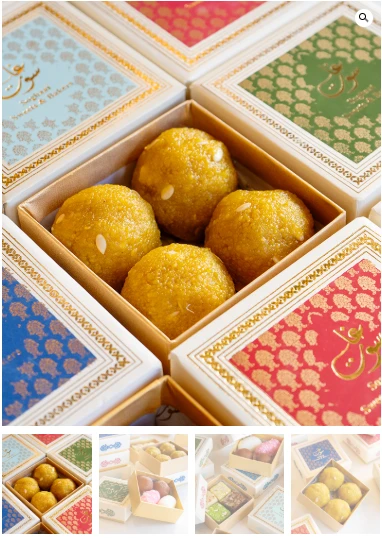
Boondi Ladoo is made from tiny, round fried droplets of gram flour (besan) batter called boondi. These droplets are soaked in sugar syrup and then shaped into round ladoos. The texture is slightly coarse, with each boondi grain visible and adding a delightful crunch.
Motichoor Ladoo, on the other hand, is made using much finer boondi, almost pearl-like in size (the word “motichoor” literally means “crushed pearls”). These tiny droplets are blended more smoothly, resulting in a softer, melt-in-the-mouth texture.
Ingredients That Create Magic
The beauty of both ladoos lies in their simplicity. The core ingredients include:
- Gram flour (besan)
- Sugar
- Water
- Ghee or oil for frying
- Cardamom (elaichi) for flavor
- Food coloring (usually orange or yellow)
- Optional additions like nuts (almonds, pistachios), raisins, and edible silver leaf (varak)
Despite the limited ingredients, the preparation requires skill and precision to achieve the perfect texture and taste.
The Art of Preparation
Making Motichoor and Boondi Ladoo is both a science and an art. It starts with preparing a smooth batter of gram flour and water. The consistency of this batter is crucial—it should neither be too thick nor too thin.
The batter is then poured through a perforated ladle into hot ghee or oil, creating small droplets (boondi). For Motichoor, a finer sieve is used to achieve tiny pearls.
Once fried, the boondi is soaked in warm sugar syrup flavored with cardamom. The syrup should be of the right consistency—sticky enough to bind the boondi, but not too thick.
For Boondi Ladoo, the soaked boondi is gently pressed together to form round balls. For Motichoor Ladoo, the mixture is slightly mashed before shaping, giving it a smoother texture.
Cultural and Festive Importance
Motichoor and Boondi Ladoo are deeply rooted in South Asian culture. They are an essential part of celebrations such as:
- Weddings
- Eid and Diwali
- Birth ceremonies
- Religious offerings (prasad)
In many traditions, offering ladoos symbolizes happiness and prosperity. They are also distributed as a gesture of goodwill and celebration.
In Pakistan, these sweets are commonly found at weddings and special events, often presented in beautifully decorated boxes. In India, Motichoor Ladoo is especially associated with temples and religious rituals.
Variations and Modern Twists
While the traditional recipes remain timeless, modern variations have added new flavors and styles to these classic sweets:
- Dry fruit ladoos: Loaded with almonds, cashews, and pistachios
- Chocolate ladoos: A fusion version with cocoa flavor
- Sugar-free ladoos: Made using alternatives like stevia or jaggery
- Saffron-infused ladoos: Adding richness and aroma
Some sweet shops even experiment with fillings like khoya (milk solids) or nuts inside the ladoo for an extra surprise.
Tips for Perfect Ladoos
To make perfect Motichoor or Boondi Ladoo at home, keep these tips in mind:
- Batter consistency matters – A smooth, lump-free batter ensures even boondi.
- Oil temperature control – Too hot, and the boondi will become hard; too cool, and it will absorb excess oil.
- Right syrup consistency – A one-string consistency works best for binding.
- Work quickly – Shape the ladoos while the mixture is still warm for better binding.
- Use ghee for flavor – Traditional recipes use ghee, which enhances taste and aroma.
Nutritional Insight
Motichoor and Boondi Ladoo are rich in carbohydrates and fats, making them energy-dense sweets. While they are delicious, they should be enjoyed in moderation, especially by those mindful of sugar intake.
However, the use of gram flour provides some protein, and the addition of nuts can add healthy fats and nutrients.
Why They Remain Timeless
Despite the availability of modern desserts like cakes, pastries, and chocolates, Motichoor and Boondi Ladoo continue to hold their charm. Their timeless appeal lies in:
- Their connection to tradition and culture
- Their unique texture and flavor
- The emotional value associated with celebrations
- Their ability to bring people together
These ladoos are more than just sweets—they are a part of heritage, passed down through generations.
Conclusion
Special Motichoor and Boondi Ladoo are not just desserts; they are a celebration of tradition, craftsmanship, and joy. From their humble ingredients to their rich cultural significance, these sweets have stood the test of time. Whether you enjoy them during festivals or as an occasional treat, their delightful taste and nostalgic value make them truly special.
For more information click here: Special Motichoor & Boondi Ladoo
























Sign in to leave a comment.