

Introduction
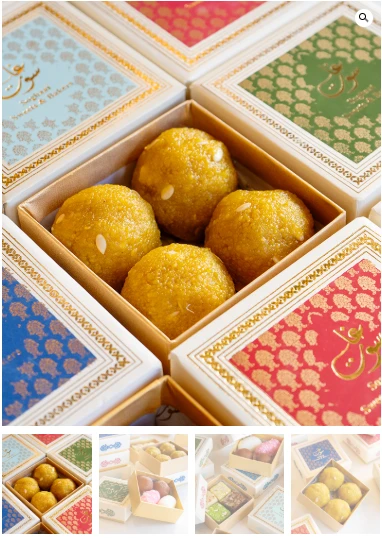
Besan Pattisa, also known as Besan Patti or Sohan Pattisa, is a popular traditional Indian sweet that originates from North India, particularly in states like Punjab, Uttar Pradesh, and Rajasthan. This delectable dessert is known for its flaky, layered texture and rich, melt-in-the-mouth taste, making it a favorite during festivals, weddings, and special occasions. Made primarily from gram flour (besan), ghee, and sugar, Besan Pattisa offers a perfect balance of sweetness and nuttiness, making it irresistible to sweet lovers.
1. Historical and Cultural Significance of Besan Pattisa
Origins of Besan Pattisa
The exact origin of Besan Pattisa is unclear, but it is believed to have been inspired by Persian and Mughal influences. The Mughals introduced many rich, ghee-laden sweets to India, and Besan Pattisa shares similarities with other layered desserts like Sohan Papdi and Pateesa. Over time, Indian sweet makers adapted the recipe, incorporating local ingredients such as besan (gram flour) and khoya (milk solids).
Role in Festivals and Celebrations
Besan Pattisa holds a special place in Indian culture, especially during festivals like Diwali, Raksha Bandhan, Holi, and weddings. Its long shelf life makes it an ideal sweet to prepare in large quantities and distribute among friends and family. In Punjab, it is often served as a prasad (religious offering) in temples.
Regional Variations
Different regions have their own versions of Besan Pattisa:
- Punjab: Thicker, richer, and often garnished with nuts.
- Rajasthan: Slightly harder texture due to the arid climate.
- Uttar Pradesh: Softer and more layered, similar to Sohan Papdi.
2. Ingredients and Their Importance
The traditional recipe for Besan Pattisa includes simple yet essential ingredients that contribute to its unique taste and texture.
Primary Ingredients:
- Besan (Gram Flour): The main ingredient, besan provides a nutty flavor and acts as the base for the sweet.
- Ghee (Clarified Butter): Adds richness and helps in achieving the flaky layers.
- Sugar: Used to make the sugar syrup that binds the sweet.
- Water: For dissolving sugar and forming syrup.
- Cardamom Powder: Enhances flavor with a fragrant aroma.
- Nuts (Almonds, Pistachios): Optional garnishing for added crunch and luxury.
Optional Ingredients:
- Khoya (Mawa): Some recipes include khoya for a creamier texture.
- Saffron: For a royal touch and golden color.
- Rose Water: Used in some variations for a floral note.
3. Step-by-Step Preparation of Besan Pattisa
Making Besan Pattisa requires patience and precision to achieve the perfect flaky texture. Below is a detailed step-by-step guide:
Step 1: Roasting the Besan
- Heat ghee in a heavy-bottomed pan.
- Add besan and roast on low flame until it turns golden brown and releases a nutty aroma.
- Stir continuously to avoid burning.
Step 2: Preparing Sugar Syrup
- In another pan, boil sugar and water to make a one-string consistency syrup.
- Add cardamom powder for flavor.
Step 3: Combining Besan and Sugar Syrup
- Slowly pour the sugar syrup into the roasted besan while stirring continuously.
- Cook until the mixture thickens and starts leaving the sides of the pan.
Step 4: Layering and Shaping
- Transfer the mixture onto a greased surface.
- Roll it out thinly and fold multiple times to create layers.
- Press gently and cut into squares or diamond shapes.
Step 5: Cooling and Garnishing
- Allow it to cool completely before separating the pieces.
- Garnish with chopped nuts if desired.
4. Variations of Besan Pattisa
While the traditional Besan Pattisa is widely loved, several variations exist to cater to different tastes:
1. Chocolate Besan Pattisa
- Cocoa powder is added to the besan mixture for a chocolatey twist.
2. Dry Fruit-Enriched Pattisa
- Loaded with cashews, almonds, and pistachios for extra richness.
3. Jaggery-Based Pattisa
- Replaces sugar with jaggery for a healthier alternative.
4. Coconut Besan Pattisa
- Desiccated coconut is mixed in for a tropical flavor.
5. Nutritional Value and Health Considerations
Nutritional Breakdown (Per 100g Approx.)
- Calories: 400-450 kcal
- Carbohydrates: 50-60g
- Fats: 20-25g (mostly from ghee)
- Proteins: 5-7g (from besan)
Health Benefits:
- Besan: Rich in protein, fiber, and essential minerals like iron and magnesium.
- Ghee: Contains healthy fats and aids digestion.
- Nuts: Provide healthy fats, vitamins, and antioxidants.
Drawbacks:
- High in calories and sugar, so moderation is key.
- Not suitable for people with gluten intolerance (unless besan is certified gluten-free).
6. Comparison with Similar Sweets
Besan Pattisa is often compared to other Indian sweets like:
Sweet NameKey IngredientsTextureFlavor ProfileBesan PattisaBesan, ghee, sugarFlaky, layeredNutty, sweetSohan PapdiBesan, sugar, milkCrumbly, melt-in-mouthMilky, sweetBesan LadooBesan, ghee, sugarSoft, granularRich, nuttyPateesaBesan, khoya, sugarDense, chewyCreamy, sweet
7. Tips for Making Perfect Besan Pattisa
- Roasting Besan: Ensure it is roasted well to avoid a raw taste.
- Sugar Syrup Consistency: One-string consistency is crucial for binding.
- Layering Technique: Fold multiple times for flakiness.
- Storage: Keep in an airtight container to maintain freshness.
8. Conclusion
Besan Pattisa is more than just a sweet—it is a cultural emblem of Indian tradition, enjoyed across generations. Its rich, flaky texture and aromatic sweetness make it a timeless delicacy. Whether prepared during festivals or relished as an everyday treat, Besan Pattisa continues to win hearts with its irresistible taste.
By understanding its history, preparation methods, and variations, one can truly appreciate the craftsmanship behind this beloved dessert. So, the next time you crave something sweet, try making Besan Pattisa and experience a slice of Indian culinary heritage!
for more information click here: Besan Pattisa





























Sign in to leave a comment.