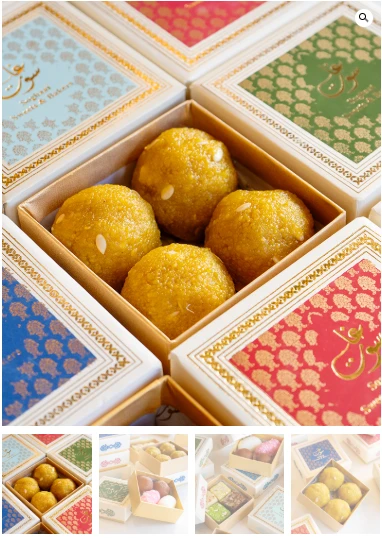

For the South Asian diaspora in the United States, the taste of a perfectly soft, syrupy gulab jamun or the rich, crumbly texture of a piece of besan barfi is more than just a culinary delight; it’s a profound connection to heritage, celebration, and home. For decades, accessing these authentic sweets meant a long drive to the nearest "Little India" or relying on the precious, suitcase-space-consuming boxes brought by visiting family and friends. Today, a sweet revolution is underway. The ability to buy mithai online in the USA has transformed this experience, offering unprecedented convenience, variety, and a direct link to tradition for a new generation.
The Digital Sweet Shop: Unlocking Unprecedented Convenience
The most immediate and powerful advantage of online mithai stores is convenience. Geographic limitations have evaporated. Whether you reside in a bustling metropolitan hub like New York or New Jersey with a strong South Asian presence, or in a smaller city in the Midwest or the South where Indian grocery stores are few and far between, a world of sweets is now just a few clicks away. This accessibility is a game-changer for last-minute party planning, spontaneous cravings, or when you need to send a thoughtful gift to a loved one in another state. The logistical burden of travel, parking, and store hours is replaced by the ease of browsing a digital catalog from the comfort of your home.
Furthermore, online platforms excel in the art of gifting. They have streamlined the process of sending sweetness across the miles. With features like pre-packaged gift boxes, personalized messages, and scheduled delivery, sending a box of mithai for a Diwali, Eid, wedding, or birthday has never been easier. It allows the diaspora to participate actively in the celebrations of friends and family back in India or elsewhere in the US, strengthening bonds through the universal language of food.
Beyond the Local Store: A Universe of Variety and Authenticity
While local Indian grocery stores are a lifeline, their mithai selection is often limited by shelf space and the production capacity of nearby sweet makers. The online marketplace shatters these constraints. It opens up a universe of variety that was previously unimaginable.
- Regional Specialties: Online, you are no longer limited to the most popular North Indian sweets. You can discover and order authentic specialties from across the subcontinent. Crave the chewy, milky goodness of Bengali Roshogolla? Or the flaky, layered perfection of Mumbai’s Mawa Cake? Perhaps the unique, carrot-shaped gajar halwa from Punjab? Specialist online vendors cater to these niche tastes, offering a culinary tour of India through its sweets.
- Artisanal and Gourmet Options: The online space has given rise to a new wave of artisanal mithai makers. These creators focus on high-quality, often organic ingredients, innovative flavors (think paan tiramisu or saffron-infused dark chocolate barfi), and beautiful, contemporary presentation. For those seeking a premium experience or a modern twist on a classic, these online artisans are a treasure trove.
- Diet-Specific Choices: The online market is also far more responsive to diverse dietary needs. It is significantly easier to find a wide array of sugar-free mithai, vegan options (made with plant-based milk and without ghee), gluten-free sweets (like many varieties of laddu), and nut-free products through specialized online filters than by scouring the shelves of a physical store.
Navigating the Digital Mithai Bazaar: A Buyer’s Guide
With great choice comes the need for informed decision-making. Buying perishable, delicate food items online requires a slightly different approach than buying a book or a gadget. Here are key factors to consider to ensure a satisfying experience:
- Research and Reputation: This is paramount. Before placing an order, invest time in reading customer reviews on the website itself, on social media, and on independent platforms. Look for consistent feedback on taste, freshness, and the condition of the products upon arrival. A vendor’s reputation is their most valuable asset.
- The Freshness and Shipping Conundrum: This is the heart of the online mithai purchase. Examine the vendor’s shipping policy meticulously. How do they pack the sweets? Do they use vacuum sealing, insulated boxes, or ice packs? What are their transit times? Reputable sellers are transparent about their processes and often use expedited shipping to ensure the mithai arrives fresh and in perfect condition. Be wary of vendors who are vague about their packaging or shipping methods.
- Ingredient Transparency: A high-quality online store will provide detailed ingredient lists for each product. This is crucial not only for allergy concerns but also for gauging the authenticity and quality of the mithai. Look for sellers who use traditional ingredients like pure khoya (reduced milk), real saffron, and pistachios, rather than synthetic substitutes and excessive food coloring.
- Understanding the "Mithai" in the Box: Online photos can be deceiving. Pay close attention to the description of the quantity and weight. Is a box of barfi described as containing 10 pieces or 500 grams? This will give you a much clearer idea of the value you are getting than a beautifully styled photograph alone.
The Future is Sweet
The trend of buying mithai online in the USA is more than a passing fad; it is a fundamental shift in how cultural foodways are maintained and evolved in a diaspora context. It empowers consumers with choice, convenience, and access to a level of authenticity and specialty that was once hard to come by. While the sensory experience of walking into a traditional sweet shop, smelling the simmering sugar syrup, and sampling a piece of hot jalebi is irreplaceable, the digital mithai bazaar offers its own unique magic. It ensures that no matter where life takes them, the taste of home, celebration, and tradition is always just a delivery away, perfectly preserved in a box of carefully crafted, heartfelt sweetness.




























Sign in to leave a comment.