

The Myth That Wouldn't Die
For over a decade, the gospel of home services sales was simple: call the lead within five minutes and you win the job. That advice wasn't wrong when it was coined. But the market has shifted, and businesses still sprinting toward a dead metric are losing ground to smarter, more conversational competitors every single day.
Speed-to-lead was never really about speed. It was about engagement, about being the first business to make a prospect feel heard. The problem is that the tactics built around it (robotic auto-dialers, scripted voicemails, back-to-back call attempts) actively destroy the very thing they were meant to create: a connection.
Today's homeowners are savvy, screen-first, and deeply skeptical of sales pressure; they don't want to be called. They want to be understood. And that distinction is the entire game.
"The contractor who responds fastest doesn't win anymore. The one who responds best with empathy, context, and a real answer does."
What "Speed-to-Conversation" Actually Means
Speed-to-conversation flips the priority from reaction time to interaction quality. It asks a different question: not "how fast did we respond?" but "how quickly did we make this person feel like we already understand their problem?"
This shift matters enormously in Home Services SEO, where the entire funnel from search intent to booked appointment has compressed. A homeowner Googling "emergency HVAC repair" at 11 pm isn't looking for a voicemail. They want an immediate, human-feeling interaction that signals you're the right choice before they've even spoken to you.
Speed-to-conversation activates across three channels simultaneously: your website's live chat or AI assistant, your SMS follow-up sequence, and your first phone or video call. Together, they form a conversation ecosystem, not a single-point response metric.
What Speed-to-Conversation Looks Like in Practice:
- An AI chat widget that greets the visitor by service type and gathers qualifying details before a human ever picks up the phone
- A personalized SMS sent within 90 seconds of form submission referencing the specific service, not a generic "we'll be in touch."
- A first call framed around the customer's situation, not a pitch script demonstrating that your team already knows what they need
- Follow-up emails sequenced by behavior (viewed pricing page but didn't book) rather than time since submission
- A post-visit text that opens a conversation about scheduling, not a survey form
Why Home Services Businesses Are Uniquely Positioned and Uniquely at Risk
No industry has more to gain from this shift than home services. You're selling high-consideration, high-trust purchases, such as roof replacements, HVAC installs, and bathroom remodels, where the emotional subtext of every interaction shapes whether a homeowner signs or walks away.
At the same time, no industry has been more reliant on the volume-over-quality lead-response model. Many businesses still measure success by how many calls their team makes in the first hour after a lead comes in. That model rewarded persistence, not relevance.
The businesses winning right now in Digital Marketing For Home Services are doing something fundamentally different: they're building systems that make every interaction automated or human feel like it was designed specifically for that one customer.
"In 2025, homeowners will tolerate a 30-minute response if it arrives with context. They'll hang up in 30 seconds on a call that treats them like a number."
The SEO Connection You're Missing
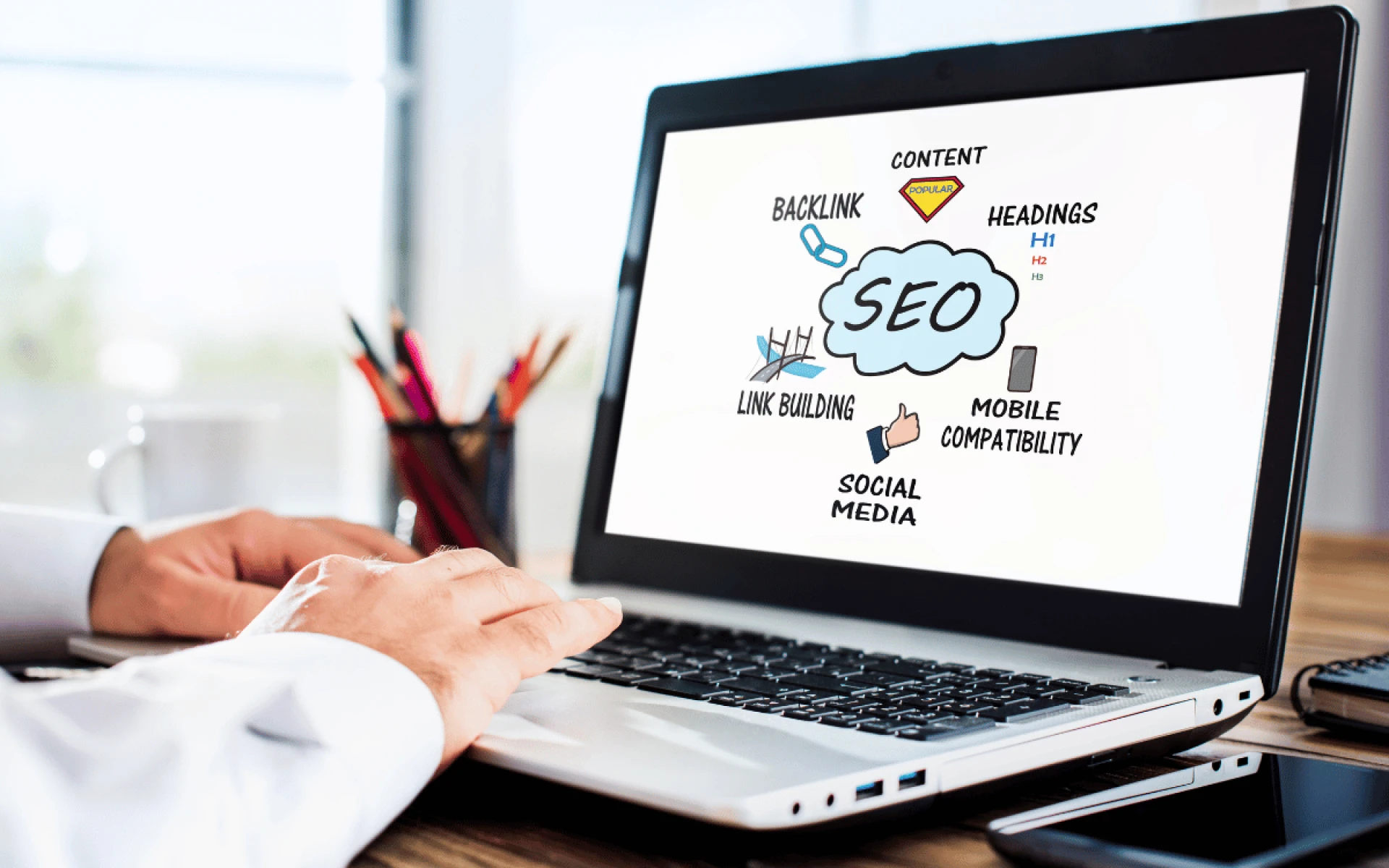
Here's where things get strategically interesting for any team running Home Services SEO: Google's ranking signals increasingly reward engagement quality, not just traffic volume. Bounce rates, time-on-site, and return visits all feed into your local rankings. A business that starts a meaningful conversation from its website keeps visitors engaged longer, signals relevance to Google, and converts organic traffic at a measurably higher rate.
This means your SEO strategy and your conversation strategy are no longer separate workstreams. They're one integrated system. Every piece of content you rank for is a conversation starter, and your ability to continue that conversation the moment someone lands on your site determines whether the SEO investment pays off.
The Role of Email in a Conversation-First Strategy
Email is the most underestimated conversation channel in the home services space. Most businesses use it for one-way blasts: seasonal promotions, service reminders, "we haven't heard from you" campaigns. That's not a conversation, it's a monologue.
Working with a skilled Home Services Email Marketing Agency changes this entirely. Behavior-triggered email sequences are ones that respond to what a prospect actually did, not just how long it's been, turning inbox touchpoints into genuine dialogue. Consider these scenarios:
- A homeowner visits your financing page twice but doesn't request a quote → trigger an email that addresses financing concerns directly and invites a question
- Someone opens your seasonal maintenance email but doesn't click → send a follow-up that offers a fast, frictionless way to ask a question via SMS
- A past customer's service is due for renewal → an email that references their specific previous job, written as if from the technician who did the work
- A prospect received a quote 8 days ago and hasn't responded → a single, brief email that simply asks "is there anything that didn't make sense in the estimate?"
Each of these is an invitation, not a push. And when a Home Services Email Marketing Agency maps these sequences to your CRM data, the effect compounds: your email list becomes an always-on conversation engine that warms leads, reactivates past customers, and builds the kind of familiarity that makes the eventual sales call feel like catching up with someone who already knows you.
Building Your Speed-to-Conversation Infrastructure
This isn't about technology for its own sake. It's about designing a system where no lead, regardless of when they come in, what channel they used, or how qualified they are, ever experiences a dead end. Every touchpoint either starts a conversation or deepens one.
Core Infrastructure Components:
- Conversational website, live chat, or AI assistant trained on your services, FAQs, and pricing, available 24/7, qualifying and engaging before business hours even start
- Contextual SMS First response via text, personalized to service type, sent within 60–90 seconds of any form submission
- Segmented email flows, built and managed with a Home Services Email Marketing Agency, triggered by behavior, not just time, written in a human voice
- CRM-connected calling When your team calls, they see the full conversation history: what the prospect viewed, what they asked, what was already communicated
- Reputation loop Post-job conversation (via text) that naturally guides happy customers toward a Google review, feeding back into Home Services SEO rankings
Measuring What Actually Matters
If you're still measuring lead response time as your primary KPI, you're optimizing for the wrong thing. The metrics that map to revenue in a conversation-first model look different:
Conversion Rate: What percentage of leads had at least one meaningful exchange (not just a received voicemail) within 24 hours?
Conversation-to-Estimate Rate: Of the leads you actually engaged in dialogue with, how many turned into booked estimates?
Reactivation Rate Of dormant leads in your CRM, what percentage re-engaged after a behavior-triggered email?
Review Velocity: Are your post-job conversation sequences generating Google reviews fast enough to improve your local SEO ranking month-over-month?
These metrics tell a story about trust, not just tempo. And in Digital Marketing For Home Services, trust is the only currency that actually converts.
The Competitive Window Is Still Open Barely
Most home services businesses are still playing the old game. They're dialing faster, buying more leads, and wondering why conversion rates keep slipping. The ones making the shift to speed-to-conversation are quietly taking market share not by spending more, but by being more relevant at every touchpoint.
The infrastructure isn't complex. The strategy isn't expensive. But it does require a deliberate decision to stop treating leads like data points and start treating them like people who are one good conversation away from becoming loyal customers.
Speed-to-conversation isn't a replacement for speed-to-lead; it's an upgrade. You still need to respond fast. But what you say in those first moments, how well it reflects an understanding of that specific homeowner's problem, determines everything that follows.
The businesses building this now will be very difficult to displace in 12 months. The ones waiting will be buying leads from the businesses that did.
























Sign in to leave a comment.