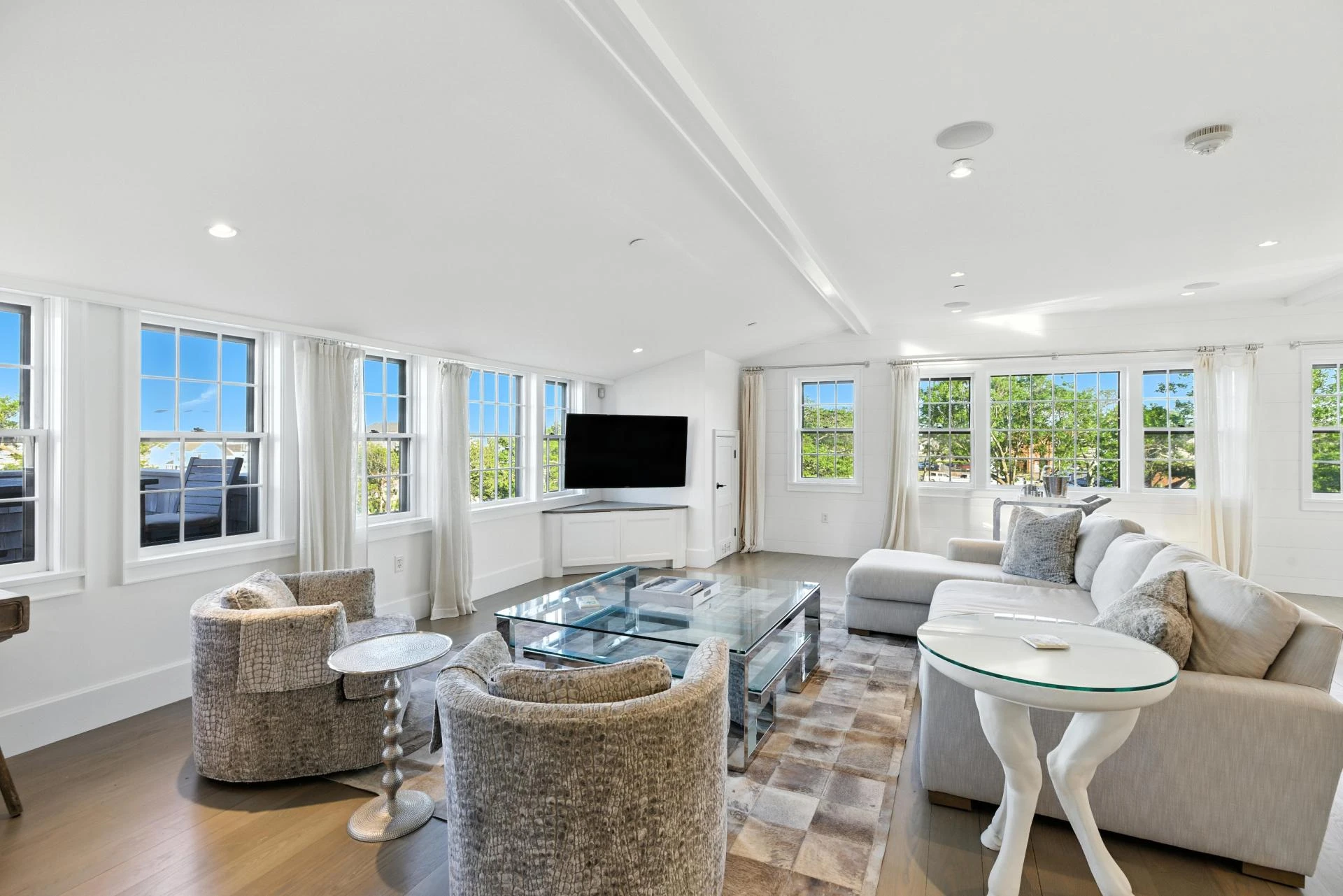

Real estate marketing depends on clear, accurate images that help buyers understand a property at a glance. As listing volumes grow and timelines tighten, speed has become just as important as quality. This has led many professionals to rely on an AI real estate photo editor to prepare large batches of photos quickly without sacrificing the clarity buyers expect.
But how do these tools balance fast processing with high-quality output? And what should agents or photographers consider when comparing different AI editors?
This article explores the key trade-offs and how modern AI systems are closing the gap between speed and quality.
Why Speed Matters in Real Estate Photo Editing
Real estate moves fast. When a new property becomes available, agents want to publish the listing as soon as possible, often within hours of receiving the photos. Slow editing cycles can delay:
- Listing publication
- Marketing campaigns
- Client communication
- Showing schedules
An AI real estate photo editor offers a significant advantage here. With instant or near-instant processing, teams can upload dozens of images and receive edited results within minutes. This speed helps agents stay competitive, especially in fast-paced markets where timing affects visibility.
However, speed alone isn’t enough. Buyers expect honest, polished visuals, which brings us to the other half of the equation: quality.
What High-Quality Editing Really Means
Quality does not mean dramatic enhancements or unrealistic adjustments. In real estate, high-quality editing reflects clarity, accuracy, and visual transparency. A strong AI editor produces images that feel natural and easy to interpret.
Key elements include:
1. Balanced Exposure
Rooms should be bright enough to view clearly but not washed out.
2. Accurate Color Representation
Walls, flooring, and finishes should reflect how the home appears in person.
3. Straight Lines and Corrected Perspectives
Verticals should be straight, and the geometry of the room should make sense.
4. Minimal Visual Distraction
Removing temporary clutter helps buyers focus on the true layout of a space.
A reliable AI real estate photo editor considers these factors automatically. The challenge is achieving this clarity at scale, without manual touch-ups.
Speed vs. Quality: Do You Have to Choose?
A few years ago, AI editors often struggled to deliver both fast and high-quality results. Quick edits sometimes looked flat, artificial, or inconsistent. Meanwhile, tools focused on quality tended to take longer to process.
But in 2026, that gap is narrower than ever.
Most leading AI platforms now combine:
- Instant processing
- Real-estate-specific corrections
- Smart detection of lighting and perspective issues
- Consistent application of visual standards
This means teams no longer have to choose one or the other. Instead, they evaluate how well each tool balances both goals.
How AI Tools Achieve Fast, High-Quality Results
Modern AI real estate editors have improved through:
1. Advanced Scene Recognition
AI can identify kitchens, bathrooms, exteriors, and living spaces, applying appropriate corrections automatically.
2. Multi-model Workflows
Separate AI models handle lighting, color, distortion, clutter, and clarity, then merge results for a realistic final image.
3. Data-Driven Enhancement
Tools learn from repeated patterns of buyer behavior, improving what matters most to viewers.
4. Automated Consistency Across Batches
Instead of processing each photo independently, the AI maintains similar tones and lighting across all photos in the set.
These advancements allow an AI real estate photo editor to deliver polished, uniform images in a fraction of the time manual editing requires.
Comparing Today’s AI Editors: What Teams Should Look For
When evaluating different AI photo editors, teams should focus on more than just sample images. A deeper look at processing logic, automation level, and output consistency helps determine which tool actually fits their workflow.
1. Processing Speed
How quickly can the tool handle a full listing batch? Instant or near-instant tools benefit fast-paced teams.
2. Quality of Natural Light Correction
Does the AI brighten rooms realistically, or does it create washed-out, artificial lighting?
3. Ability to Correct Perspective
Strong editors detect and fix leaning walls or skewed angles automatically.
4. Color Stability
Colors should remain believable and consistent across the entire batch.
5. Decluttering and Object Removal
Minor distractions should disappear without altering structural details.
6. Output Consistency Across Listings
This is crucial for multi-city agencies or teams with multiple photographers.
By reviewing these factors, teams can decide which AI real estate photo editor offers the best balance between speed and quality.
Why Consistency Matters as Much as Speed or Quality
Consistency often becomes a deciding factor when teams compare AI editing solutions. Buyers expect transparency, and inconsistent photos can weaken trust.
A reliable editor ensures:
- The lighting style remains similar across all rooms
- Color tones stay stable from the interior to the exterior
- Sharpness does not vary unpredictably
- Edits remain subtle and realistic
This level of long-term consistency is difficult for manual editing teams to match at scale, which is why AI solutions have become central to modern real estate workflows.
When to Prioritize Speed and When to Prioritize Quality
Not every situation has the same requirements.
Prioritize speed when:
- Market conditions favor rapid listing turnover
- Agents handle a high volume of homes weekly
- Photos need to be published across platforms immediately
Prioritize quality when:
- Marketing luxury or architecturally unique properties
- Preparing printed materials
- Working with older homes that need careful, realistic enhancements
Most AI real estate photo editor platforms balance both, but these distinctions help agents decide which tool fits specific types of listings.
Final Thoughts
The best modern tools are proving that speed and quality no longer have to be competing priorities. An AI real estate photo editor can produce fast, consistent, and natural-looking images that support both agent workflow and buyer expectations. As AI continues to evolve, the ability to deliver high-quality results instantly will only become more refined, making it easier for teams to maintain a transparent and efficient visual process across every listing.




























Sign in to leave a comment.