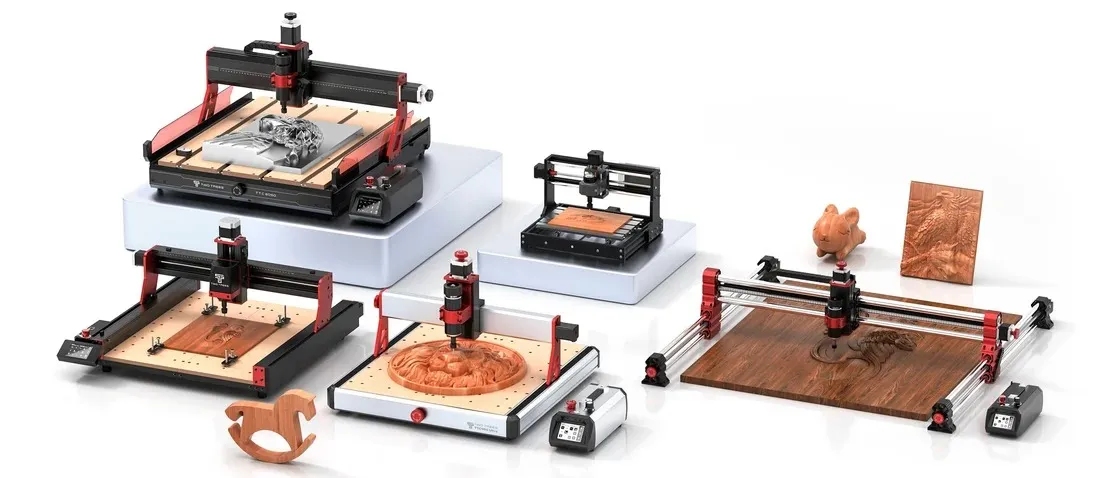


Cutting performance on a CNC router depends on more than just the design file and material — the spindle driving the bit plays a major role in how clean, fast, and consistent the results actually are. Exploring a spindle upgrade is one of the most common ways intermediate users push their existing machine beyond its factory-configured limits.
Power output is the most obvious factor. A higher-wattage spindle can maintain consistent RPM even when cutting denser materials or taking deeper passes, whereas an underpowered unit tends to slow down or stall under load, leaving rough or inconsistent edges on the finished part.
Runout — the amount of wobble in the spinning bit — is a less obvious but equally important factor. High runout translates directly into wider kerf, rougher surface finish, and premature bit wear. Precision-built replacement spindles typically offer tighter tolerances than stock units, which is especially noticeable on detailed engraving work where fine lines need to stay crisp.
Noise reduction is a practical benefit that matters for anyone running a machine indoors or in a shared space. Many stock spindles, particularly brushed router-style units, are notably loud. Upgraded spindles — especially water-cooled variable-speed models — tend to run significantly quieter, which can make a meaningful difference for home-based makers running long production sessions.
Speed control adds versatility that stock spindles often lack. Being able to dial RPM up or down for different materials — slower for dense hardwood, faster for softer plastics — gives users far more control over cut quality than a fixed-speed unit, and reduces the trial and error involved in dialing in new materials.
Before purchasing an upgrade, it's worth reviewing mount compatibility and power requirements carefully through the full accessories listing, since installation specifics vary meaningfully between machine models and spindle types.
FAQ
Q: Does a spindle upgrade require rewiring the machine? A: Often yes, particularly when switching spindle types — most upgrades involve at least some wiring or controller configuration, so it helps to review compatibility documentation beforehand.
Q: How much of a performance difference does a spindle upgrade actually make? A: For users cutting harder materials or fine detail work, the difference in cut quality and consistency is often substantial; for light engraving on soft materials, the gain may be less noticeable.
Q: Is a variable-speed spindle worth the extra cost? A: For anyone working across multiple material types, variable speed control generally pays off by reducing trial-and-error and improving results across a wider range of projects.























Sign in to leave a comment.