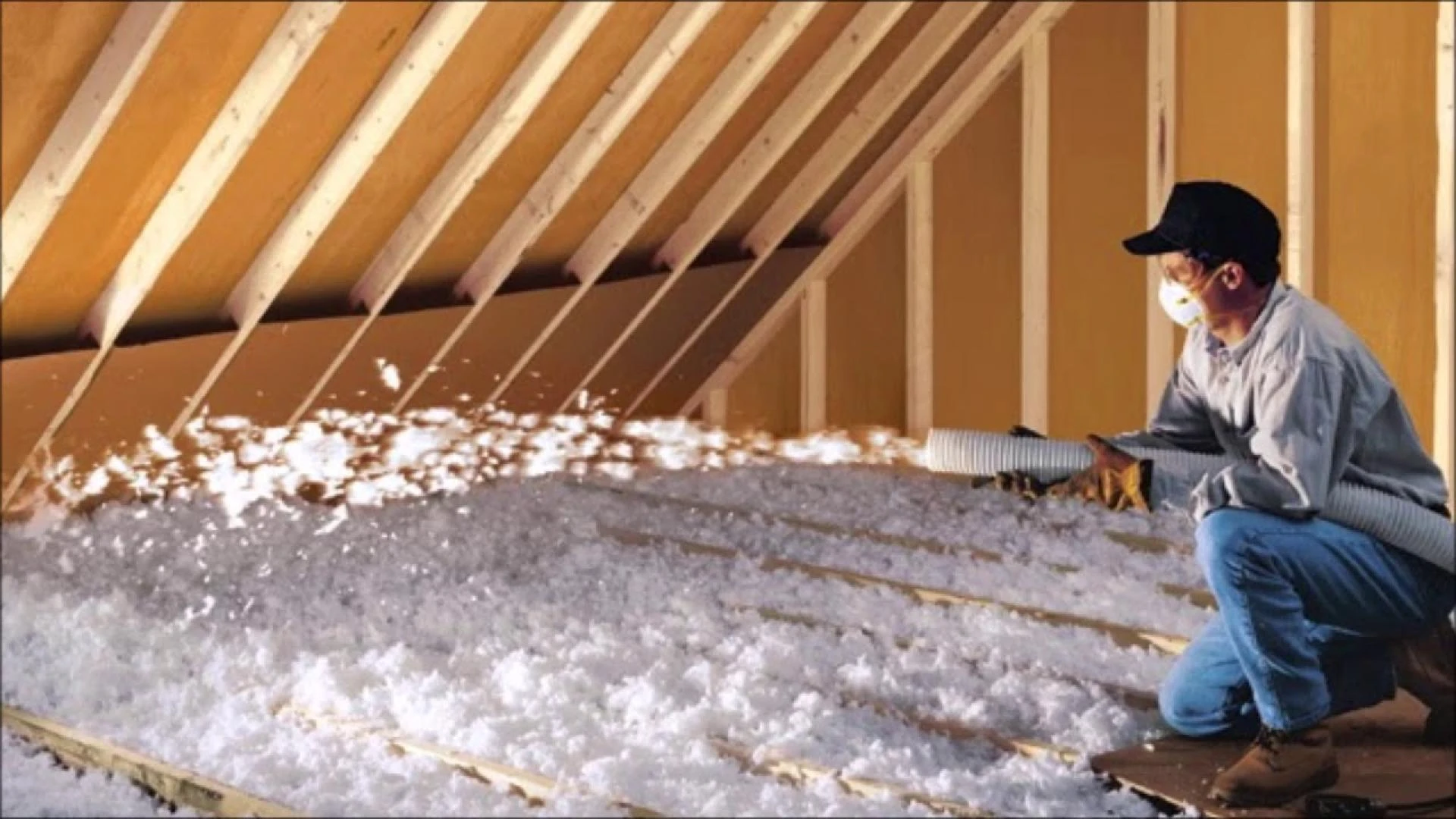

Finding spray foam experts in Apex, NC who make the process simple means looking for a company that prioritizes clear communication, provides transparent quotes, and manages the entire project with professionalism. A top-tier contractor will take the time to explain the technical differences between open-cell and closed-cell foam, recommend the right application for the North Carolina climate, and handle the job from preparation to cleanup without causing stress for the homeowner. They turn a complex building science upgrade into a straightforward, understandable investment.
While spray foam insulation is widely recognized for its superior performance, the installation can seem intimidating. This guide breaks down what a simplified, customer-focused process should look like, based on insights from industry professionals. It will help Apex homeowners identify contractors who not only deliver a high-quality product but also a hassle-free experience.

What a Simplified Process Looks Like
A truly professional spray foam installation is about more than just spraying foam. It’s a managed process designed to be as undisruptive as possible for the homeowner. Experts who make it simple follow a clear, predictable sequence of steps.
The Initial Consultation
The process should begin with an educational consultation, not a high-pressure sales pitch. An expert will visit the home, listen to the homeowner's concerns, whether they are high energy bills, uncomfortable rooms, or moisture issues in a crawl space. They will then conduct a thorough inspection of the areas to be insulated, like the attic or crawl space, to identify any underlying issues, measure the space, and determine the best course of action.
A Clear and Detailed Quote
After the assessment, a straightforward quote is provided. This document should be easy to understand and contain more than just a final price. A transparent quote typically includes:
- The specific type of foam recommended (open-cell or closed-cell).
- The planned depth of application in inches.
- The target R-value that will be achieved.
- A clear breakdown of costs for labor and materials.
- The total square footage being treated.
Bonus Tip: Be wary of quotes given over the phone without a site visit. An accurate price and proper recommendation can only be determined after a physical inspection of the home.
Thorough Site Preparation and Cleanup
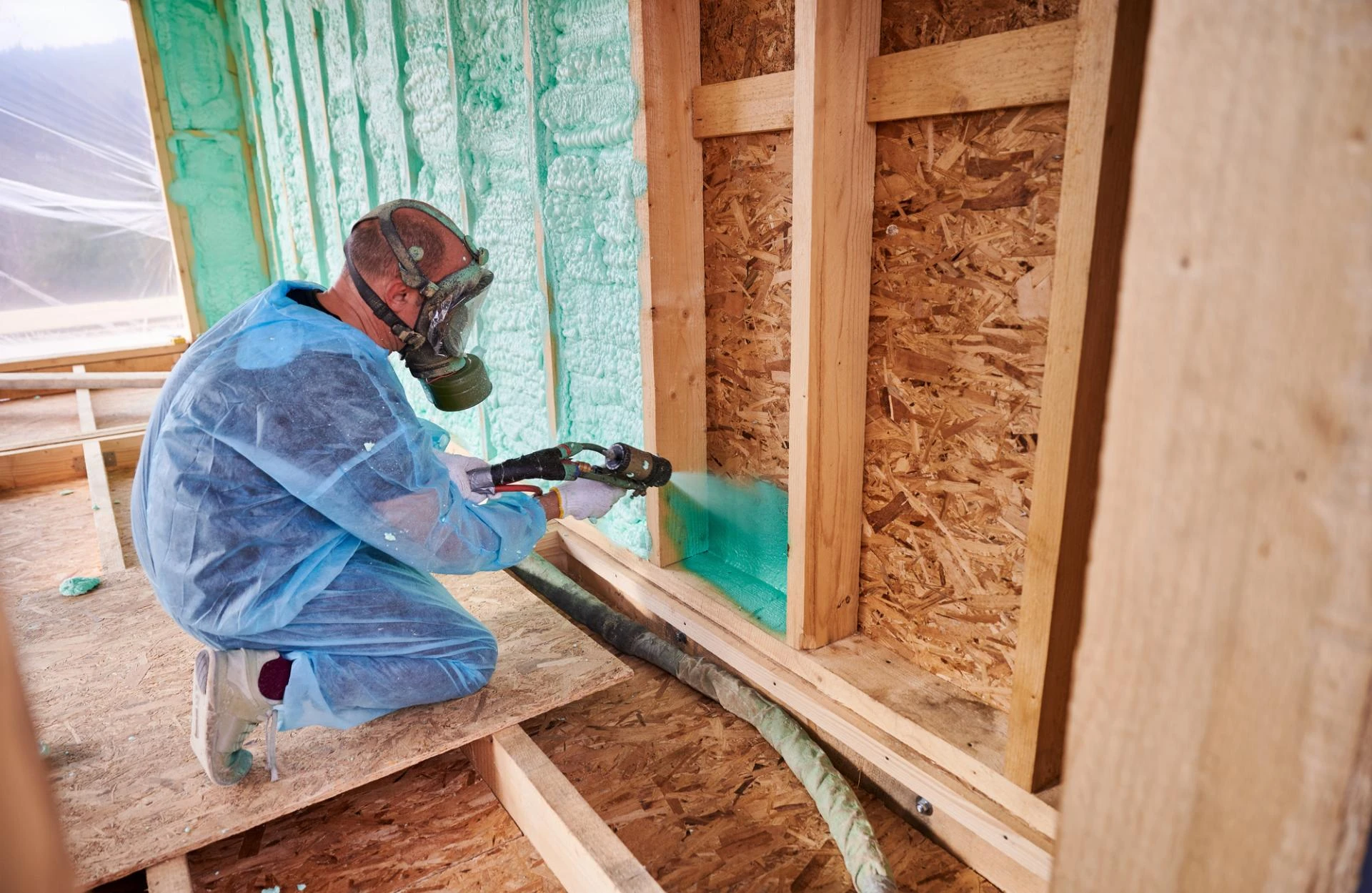
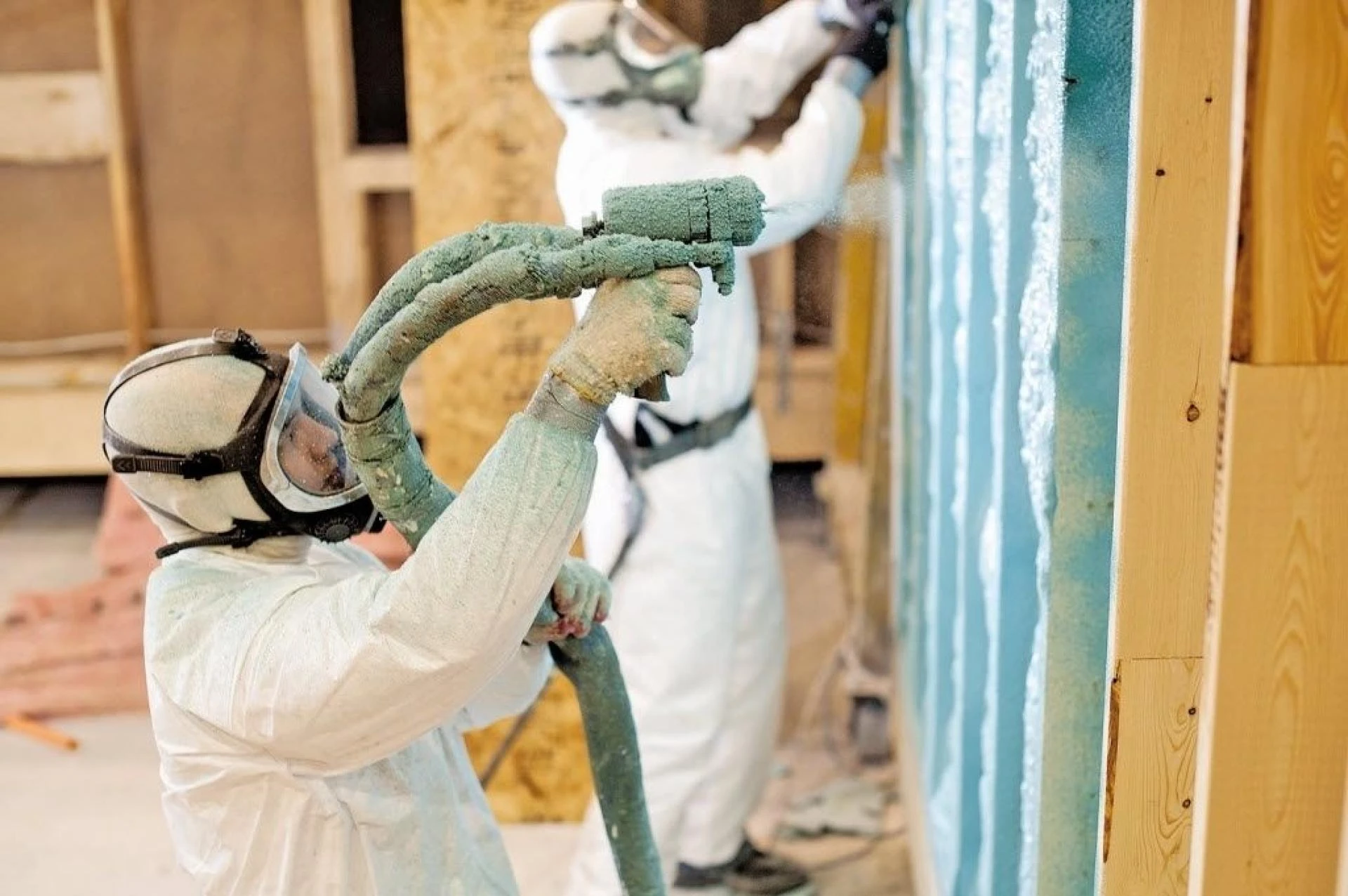
Before the crew arrives, the contractor should explain exactly what the homeowner needs to do, which is usually very little. The installation team is responsible for the heavy lifting of site prep. This involves cordoning off the work area, covering floors and personal belongings with plastic sheeting, and setting up powerful ventilation systems to manage fumes. A simple process means the homeowner shouldn't have to worry about their property. After the job is done, a professional crew cleans up thoroughly, removing all equipment and protective coverings and leaving the space tidy.
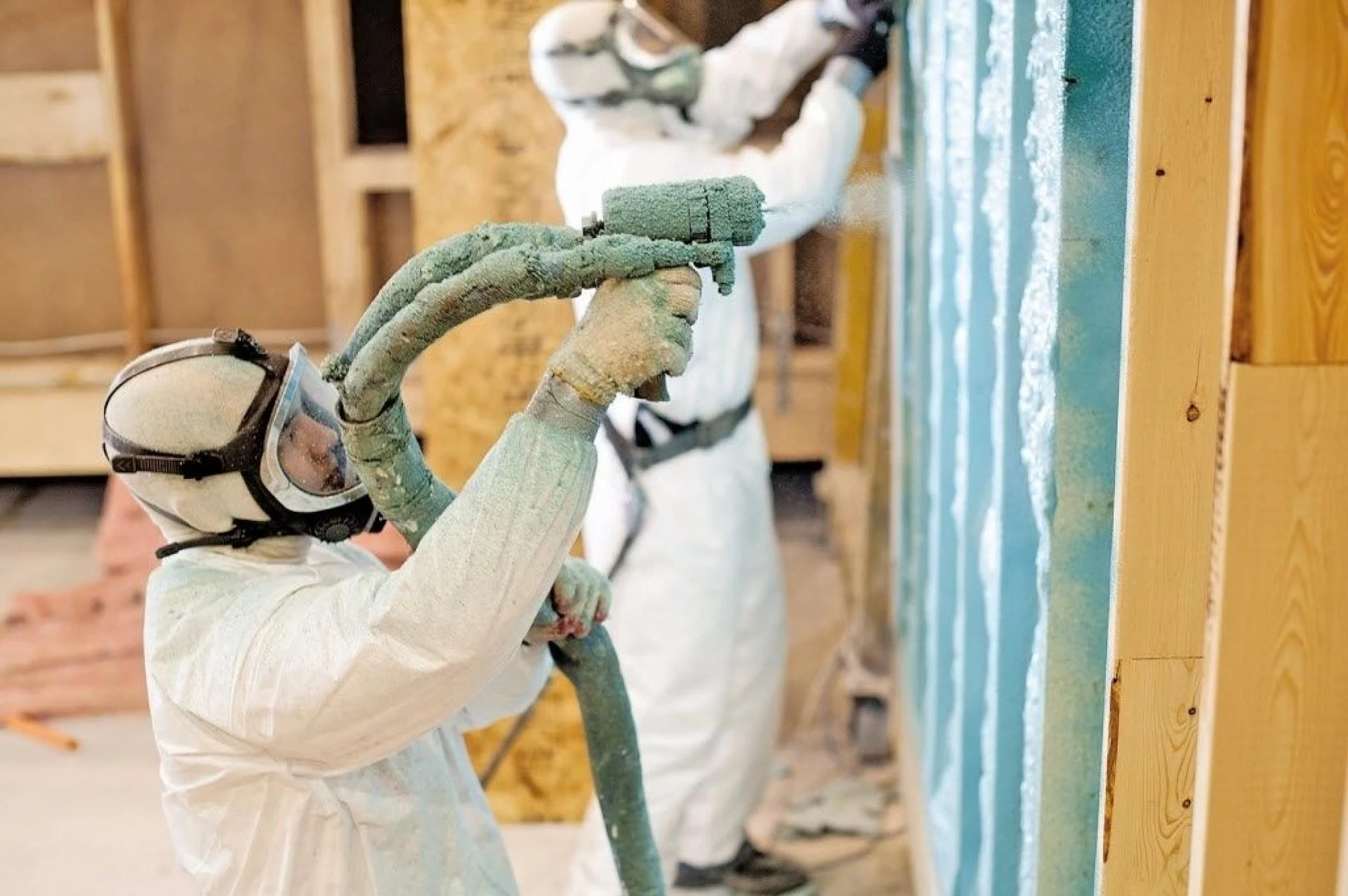
Choosing the Right Foam for Apex Homes
Apex is located in a mixed-humid climate zone, which presents unique challenges for insulation. Summers are hot and sticky, while winters can be damp and chilly. The right type of spray foam depends heavily on where in the home it’s being installed.
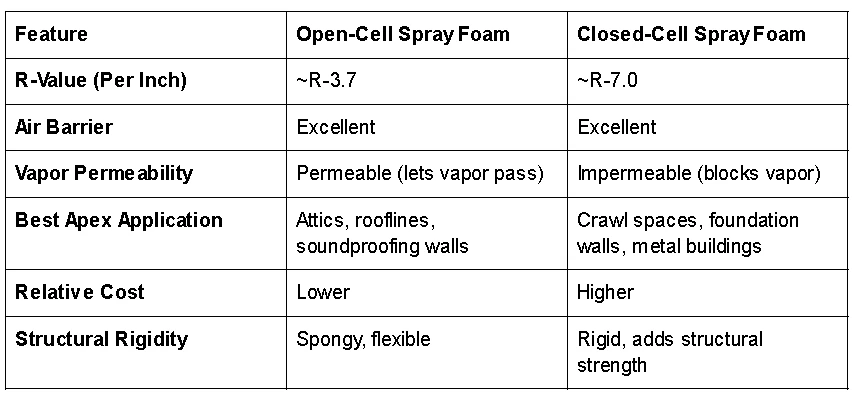
Open-Cell Foam in Attics
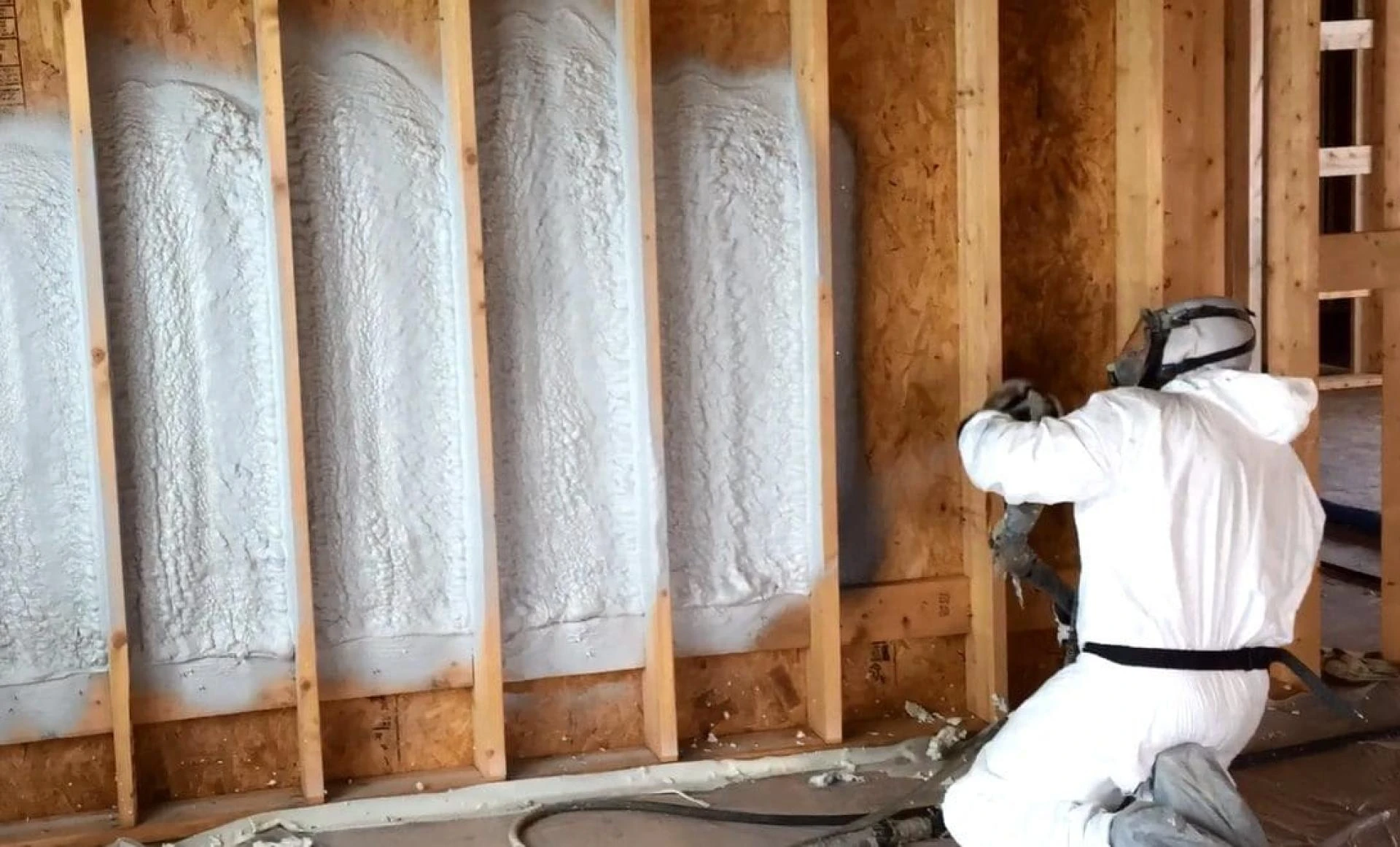
Open-cell spray foam is a popular choice for attics and rooflines in the Apex area. It’s applied directly to the underside of the roof deck, creating a conditioned or semi-conditioned attic space. This method brings the attic and any HVAC equipment located there inside the home's thermal envelope, helping the systems run more efficiently. Open-cell foam is also an excellent air barrier and sound dampener. Its structure allows water vapor to pass through it, which can be an advantage in this climate as it allows the roof deck to dry out if a leak ever occurs.
Closed-Cell Foam for Crawl Spaces
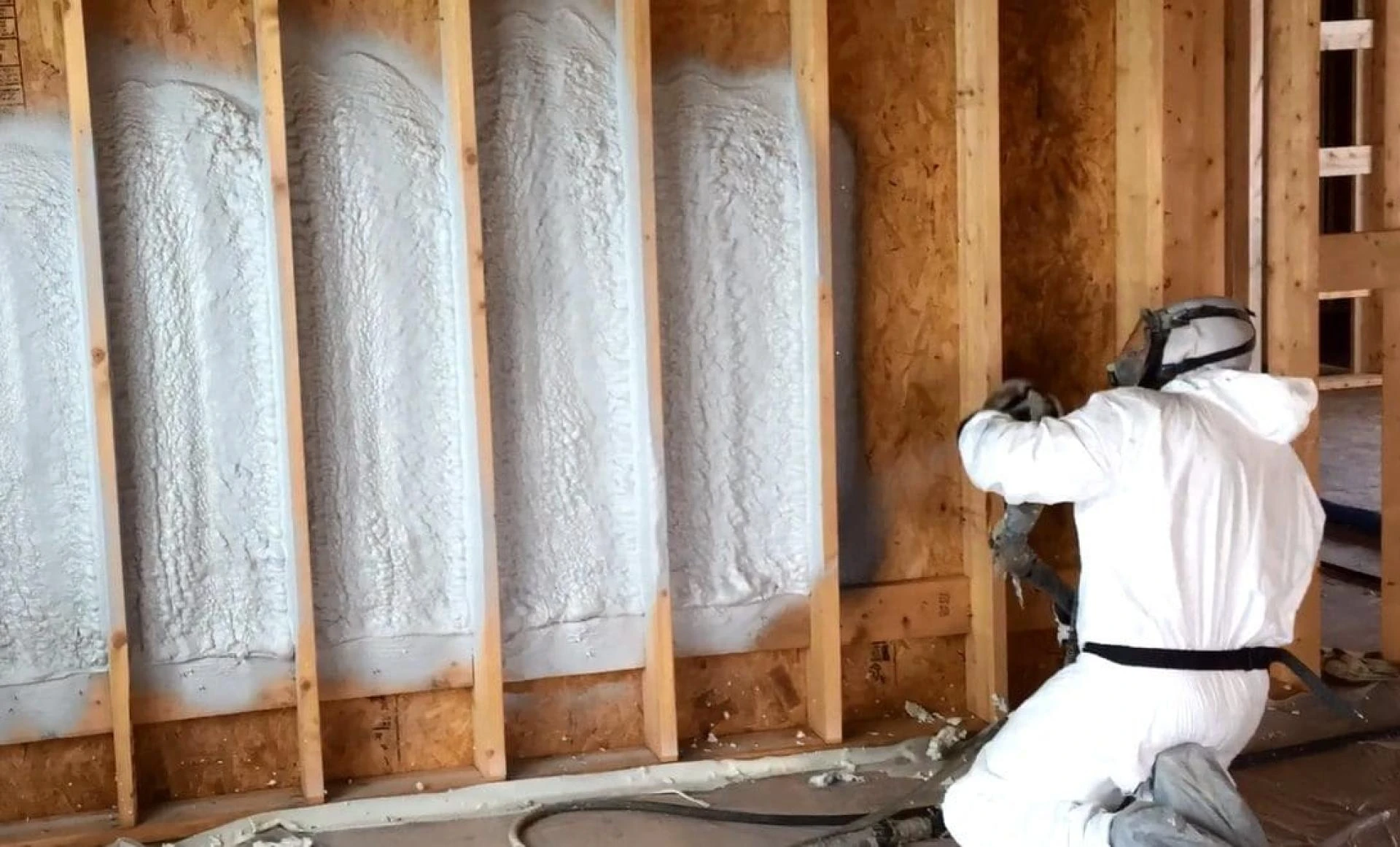
For crawl spaces and foundation walls, closed-cell foam is almost always the recommended choice in North Carolina. Its dense, rigid structure gives it a higher R-value per inch (around R-7) and makes it act as a vapor barrier. This is critical for preventing ground moisture from entering the crawl space, which helps control humidity levels throughout the entire house, prevent mold growth, and protect the home's wooden structure.
Bonus Tip: Encapsulating a crawl space with closed-cell foam and adding a dehumidifier can dramatically improve indoor air quality for the whole home, especially for residents with allergies or asthma.
A Quick Comparison for Local Homes
Things to Consider Before Hiring an Installer
The quality of the final product is directly tied to the skill of the installer. When vetting companies in the Apex area, homeowners should look for a few key indicators of expertise.
- Proper Licensing and Insurance: The company should carry both general liability and workers' compensation insurance. This protects the homeowner from any liability in case of an accident on their property.
- Installer Certifications: Look for contractors whose installers are certified through a program like the Spray Polyurethane Foam Alliance (SPFA). Certification demonstrates a commitment to industry best practices for safety and application quality.
- Local Experience: A contractor who has worked extensively in Apex and the greater Triangle area will be familiar with local building codes, climate considerations, and the common construction styles of homes in the region.
- Clear Communication: The best experts can explain technical concepts in simple terms. If a contractor can't answer your questions clearly and patiently, it may be a red flag.
Common Questions About Spray Foam Installation
How long does a typical installation take?
For most residential projects, like an attic or a crawl space, the installation can be completed in one to two days. The first day often involves site preparation, with the foam application and cleanup happening on the second day.
Are there strong odors during the application?
Yes, there is a distinct odor during the spraying process. Professional crews manage this with powerful ventilation fans that exhaust the fumes outside. The smell typically dissipates within 24 hours of the job's completion, once the foam has fully cured.
Do I need to leave my house during the installation?
It is standard safety protocol for homeowners, children, and pets to vacate the premises during the foam application and for a recommended period afterward, usually 24 hours. The contractor will provide clear instructions on when it is safe to return.
How is the cost of spray foam insulation calculated?
The cost is usually calculated by the "board foot," which is a one-foot by one-foot square at one inch thick. The final price depends on the type of foam used, the total number of board feet needed to achieve the target R-value, and the complexity of the job.
Will spray foam harm my home’s wiring or plumbing?
When installed by a trained professional, spray foam will not harm electrical wiring, plumbing pipes, or other mechanical systems. Installers are taught to work carefully around these components to ensure they remain accessible and undamaged.
Finding the Right Partner for Your Home
Upgrading to spray foam insulation is a significant investment in a home's comfort, efficiency, and health. The key to a successful project is finding an expert who not only masters the technical application but also simplifies the entire experience. Homeowners in Apex should seek out contractors who are transparent, educational, and committed to professional project management from start to finish.
Find an Expert in the Apex Area
For homeowners in Apex, NC, and the surrounding communities looking for a team that makes the spray foam process straightforward, Raleigh Excel Spray Foam Insulation is a highly-regarded local provider. They are known for their focus on clear communication and meticulous installations. They offer no-obligation home assessments to explain the best insulation options for a specific property. To schedule a consultation, they can be reached at (919) 301-9435 or via email at [email protected].
Reviewer: With nearly a decade in the spray foam insulation field, William Harris reviewed this post and provided guidance that reflects both technical understanding and real-world marketing experience.

























Sign in to leave a comment.