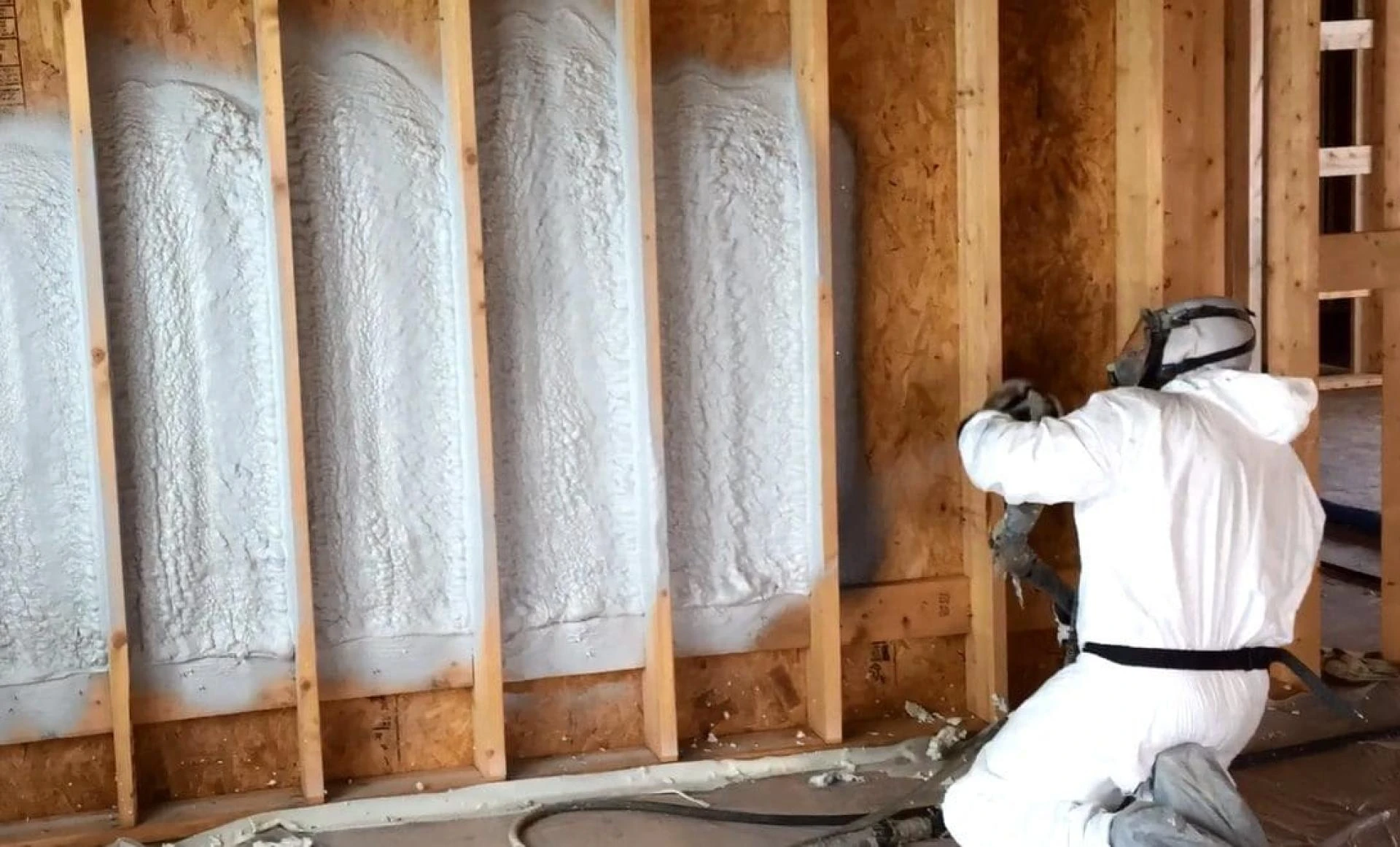

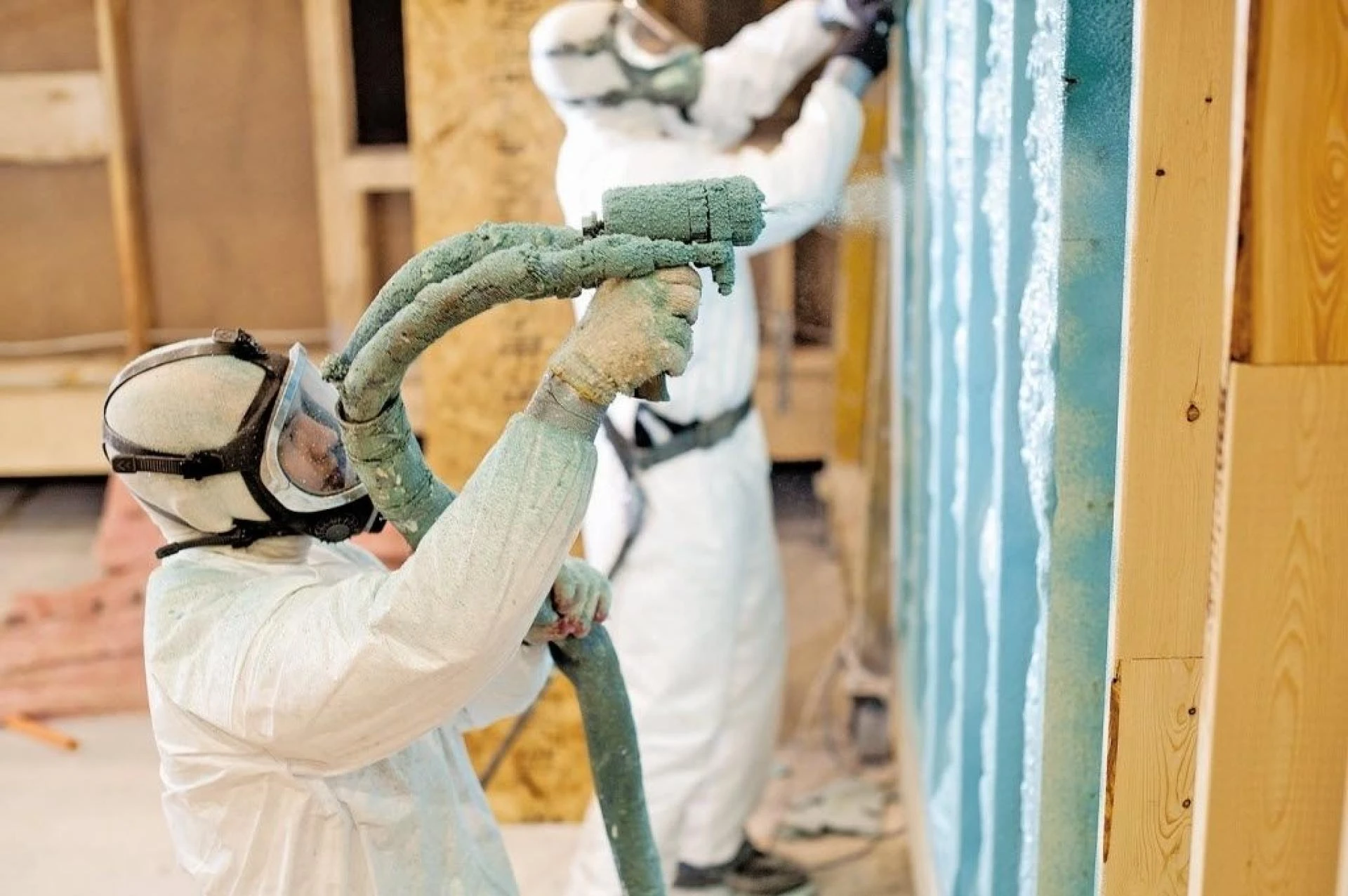
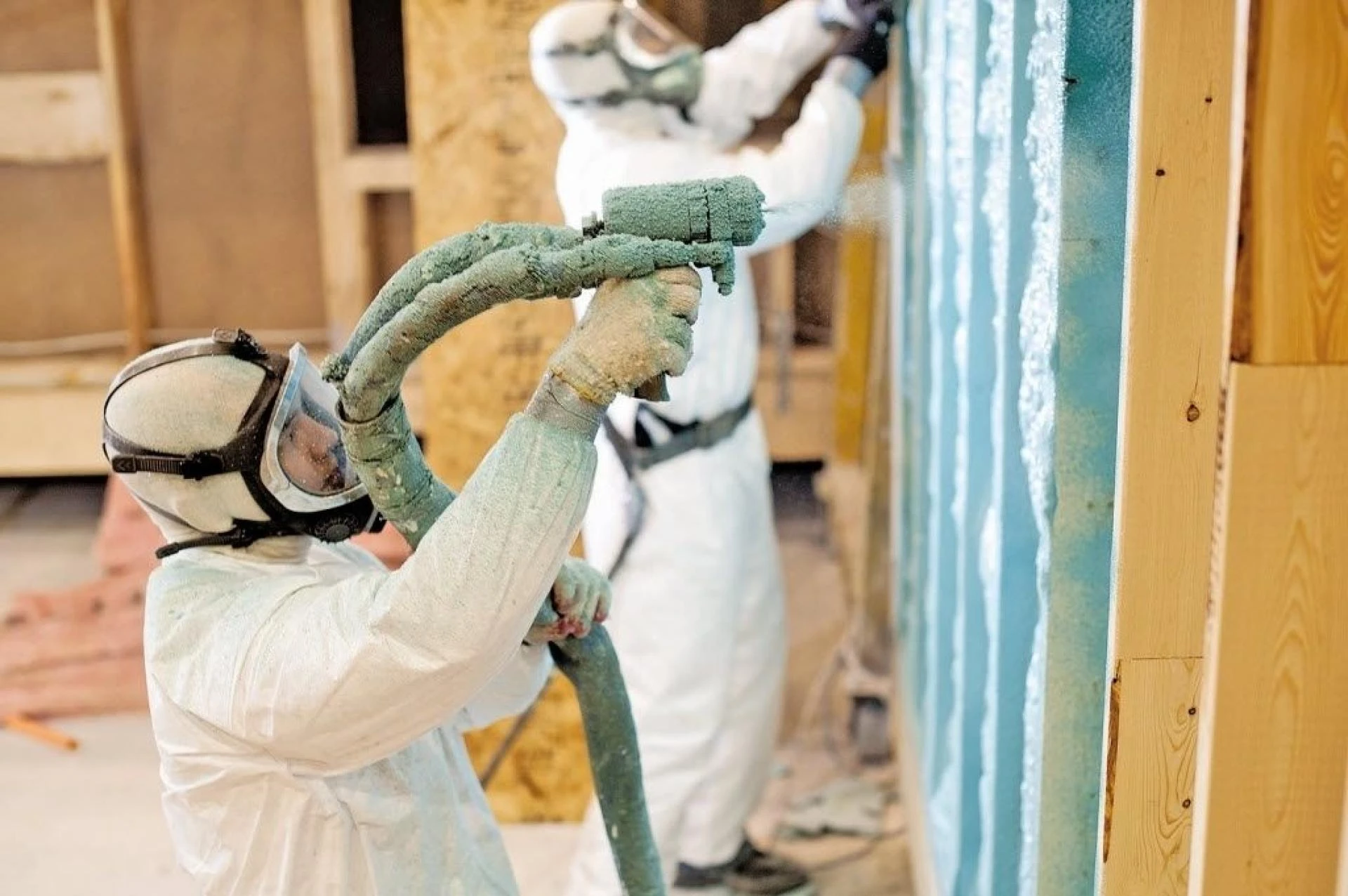
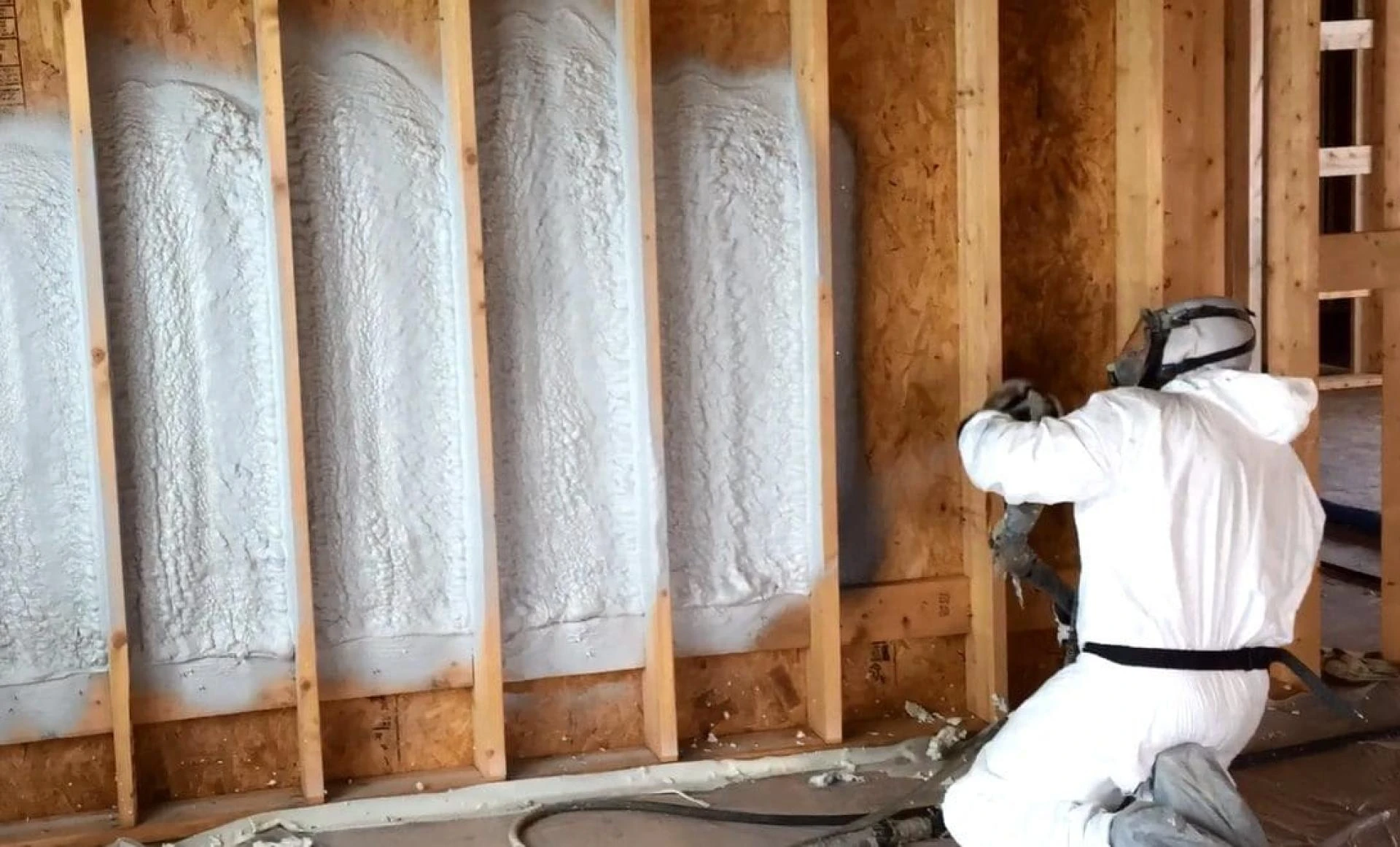
Open-cell spray foam delivers better results in specific applications because of its unique physical properties. Its soft, flexible, and vapor-permeable structure makes it a superior air barrier and an exceptional sound-dampening material for interior walls, floors, and unvented attic assemblies. While it has a lower R-value per inch than its closed-cell counterpart, its ability to expand dramatically allows it to perfectly seal complex and irregular cavities, stopping the air leakage that is a primary source of energy loss in buildings. For projects where sound control and creating a complete air seal are the main goals, open-cell foam is often the more effective and cost-efficient choice.
This article explores the specific advantages of open-cell spray foam and the situations where it outperforms other insulation types. The information comes from insulation professionals who understand that the "best" product is always the one that is best suited for the job at hand. By looking at its structure, performance characteristics, and ideal applications, property owners can make a more informed decision about their insulation needs.
The Unique Structure of Open-Cell Foam
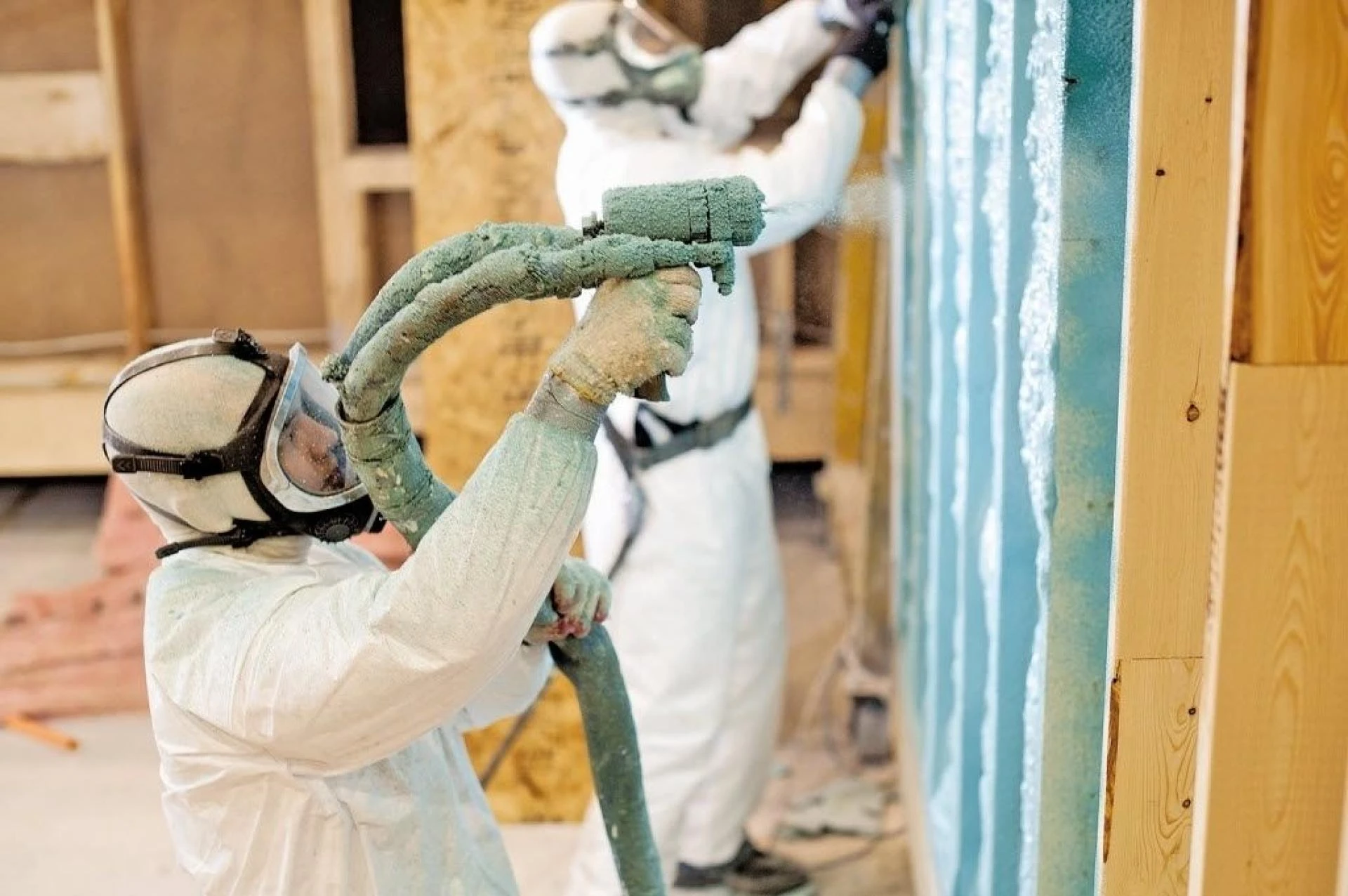
The name "open-cell" describes the material's internal structure. During the application process, the foam expands rapidly, and the tiny bubbles, or cells, that form are not fully sealed off from one another. They are intentionally left open, creating a soft, flexible, and sponge-like texture. This is in direct contrast to closed-cell foam, where the cells are completely encapsulated, making it rigid and dense.
Open-cell foam typically has a density of around 0.5 pounds per cubic foot, which is significantly less than the 2.0 pounds per cubic foot density of closed-cell foam. This lower density means less material is required to fill a given space, which is a major factor in its cost-effectiveness. Its soft consistency also allows it to flex and move with a building as it settles or expands and contracts with temperature changes, maintaining its air seal over time.
Key Performance Advantages
The true benefits of open-cell foam lie not just in its thermal resistance but in how it manages air and sound transfer within a building envelope. Homes and buildings lose a surprising amount of conditioned air through small cracks and gaps, and open-cell foam is designed to stop this.
Superior Air Sealing Capability
Because open-cell foam expands so extensively after being sprayed, it can fill every tiny crack, crevice, and awkward angle within a wall cavity or attic space. This creates an exceptionally effective air barrier. Industry studies have shown that air leakage can account for up to 40% of a building's energy loss for heating and cooling. By creating a near-perfect seal, open-cell foam helps to drastically reduce this loss, leading to lower energy bills and a much more comfortable indoor environment.
Excellent Sound Attenuation
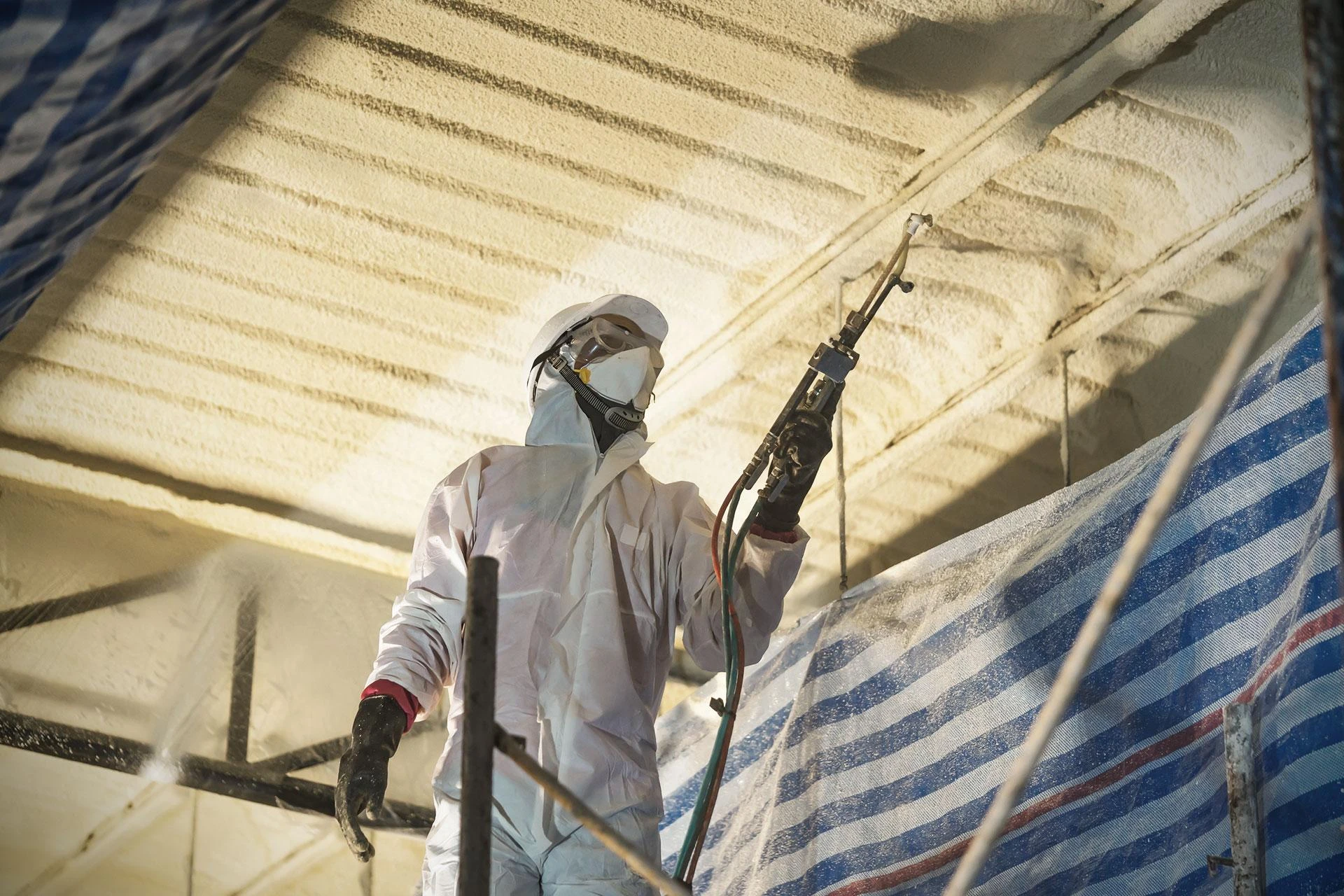
One of the most noticeable benefits of open-cell foam is its ability to deaden sound. The soft, porous structure is incredibly effective at absorbing and reducing the transmission of airborne noise. This makes it an ideal choice for:
- Interior walls between bedrooms, bathrooms, and laundry rooms.
- Floors between stories to reduce footfall noise.
- Walls of home theaters or offices where quiet is essential.
While not designed as a dedicated soundproofing product, its acoustic properties are a significant added benefit that traditional fiberglass or cellulose insulation cannot match.
Bonus Tip: When building a new home, using open-cell foam in the walls around a master suite or a nursery can create a quiet retreat that greatly improves quality of life, adding value for a relatively small upfront cost.
The Role of Vapor Permeability
Open-cell foam is vapor permeable, which means it allows water vapor to pass through it. In some situations, this is a major advantage. In hot and humid climates, like that of Raleigh, North Carolina, building materials need to be able to dry out when they get wet to prevent mold, mildew, and rot.
If a roof leak were to occur above an attic insulated with open-cell foam, the water would pass through the foam and reveal the leak on the ceiling below. This allows for quick detection and repair. A closed-cell foam, which acts as a vapor barrier, could trap that moisture between the roof deck and the insulation, potentially hiding the leak for years while causing significant structural damage. For this reason, many building science experts recommend vapor-permeable insulation for roof assemblies in the Southeast.
Ideal Applications for Open-Cell Foam
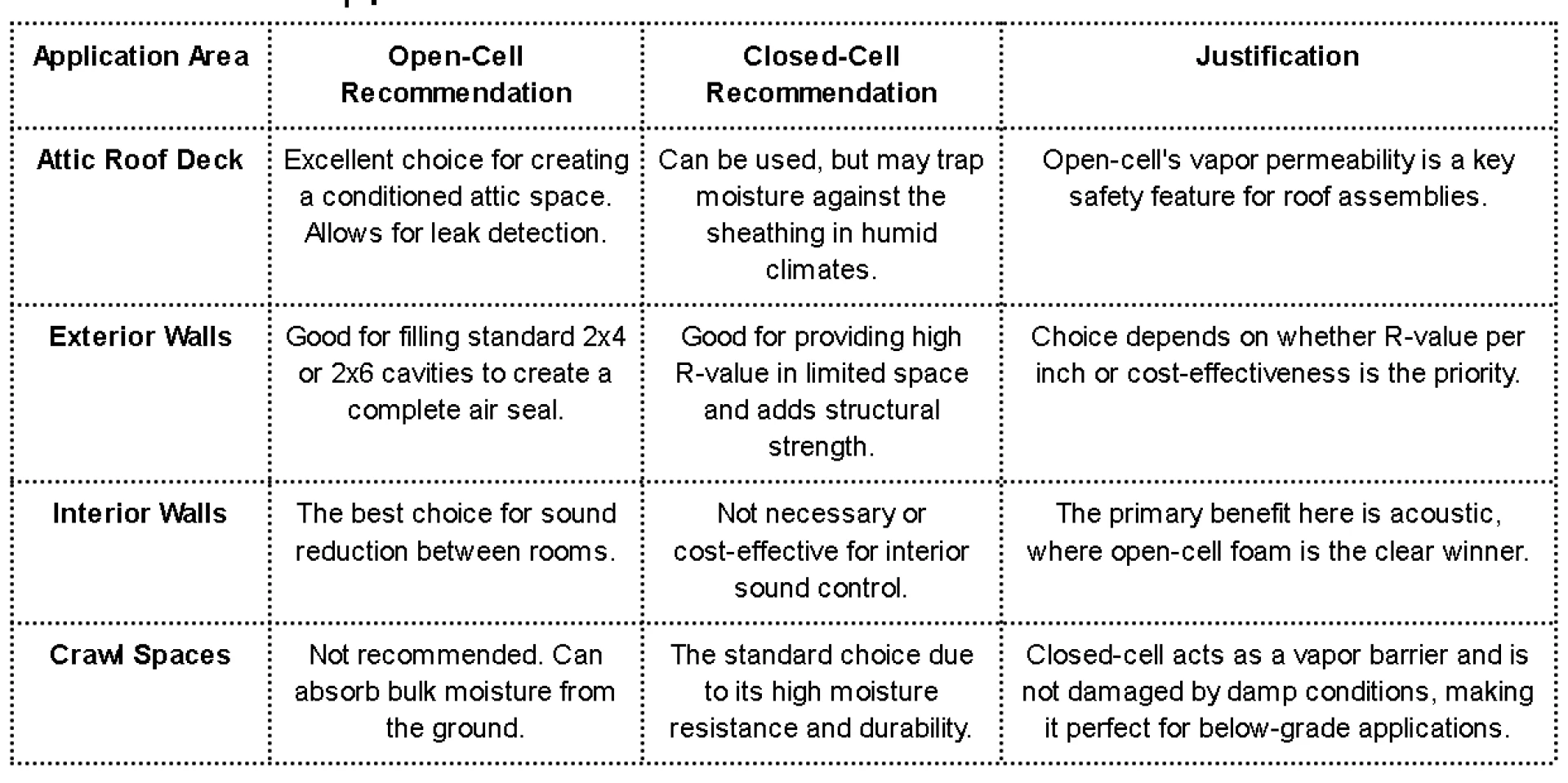
Knowing where to use open-cell foam is key to getting the best results. It is not the right choice for every situation, but it excels in specific areas of a building.
Where to Use Open-Cell vs Closed-Cell
Things to Consider Before Making a Decision
Before selecting open-cell foam, it's important to understand its limitations. Its R-value is approximately R-3.7 per inch. In situations where space is limited and a high R-value is required by building codes, closed-cell foam (at R-6 to R-7 per inch) might be the only viable option.
Additionally, open-cell foam does not add any structural rigidity to a wall assembly. While this is not a problem for most standard construction, closed-cell foam's ability to "glue" a structure together can be an advantage in high-wind zones or for buildings that need extra reinforcement. Finally, it should never be used in areas where it could come into direct contact with water, such as in basement walls or flood-prone locations.
Questions People Ask About Open-Cell Foam
Is open-cell foam waterproof?
No. It is water-resistant in that it will not be damaged by incidental moisture, but it will absorb bulk water like a sponge. It is designed to allow water vapor to pass through it, and it will dry out, but it should not be used in applications where it is likely to get wet.
Can open-cell foam be installed in an existing home?
Yes, it can be installed in existing walls, a process often called "drill and fill," where small holes are drilled to inject the foam. However, it is most commonly and easily installed in new construction or during a major renovation where the wall cavities are open.
How thick does open-cell foam need to be?
The required thickness depends on the local building codes and the desired R-value for that part of the building. For example, to achieve an R-38 in an attic, you would need approximately 10 inches of open-cell foam. A professional contractor can calculate the correct depth for any application.
Does open-cell foam support mold growth?
No. Spray foam insulation is an inert polymer and does not provide a food source for mold or bacteria. By creating an air seal, it also helps to reduce the amount of moisture-laden air that can enter a wall cavity, which further reduces the risk of mold.
What is the blowing agent used for open-cell foam?
Most modern open-cell foams use water as the blowing agent. The chemical reaction creates carbon dioxide, which causes the foam to expand. This is considered environmentally friendly as it has a very low impact on global warming potential compared to some of the chemical blowing agents used in the past.
Final Thoughts on Choosing the Right Insulation
Open-cell spray foam services deliver better results when applied in the right context. For homeowners looking to create a quiet, comfortable, and airtight home, it is often the superior choice for walls and attics. Its ability to stop air leakage is its greatest strength, directly leading to lower energy consumption and better indoor air quality. While closed-cell foam has its own set of advantages, particularly in terms of R-value and moisture impermeability, open-cell foam provides a unique combination of benefits that make it the best solution for many common insulation challenges.
Get a Professional Insulation Assessment
Deciding between open-cell and closed-cell insulation requires a clear understanding of a building's specific needs, climate, and construction. Consulting with an experienced insulation professional is the best way to ensure the right product is chosen and installed correctly. For those in the Raleigh area, the team at Raleigh Excel Spray Foam Insulation offers expert guidance and detailed project assessments to help clients achieve their energy efficiency and comfort goals. They can be reached by calling (919) 301-9435 or by sending an email to [email protected].
Reviewer: With nearly a decade in the spray foam insulation field, William Harris reviewed this post and provided guidance that reflects both technical understanding and real-world marketing experience.


























Sign in to leave a comment.