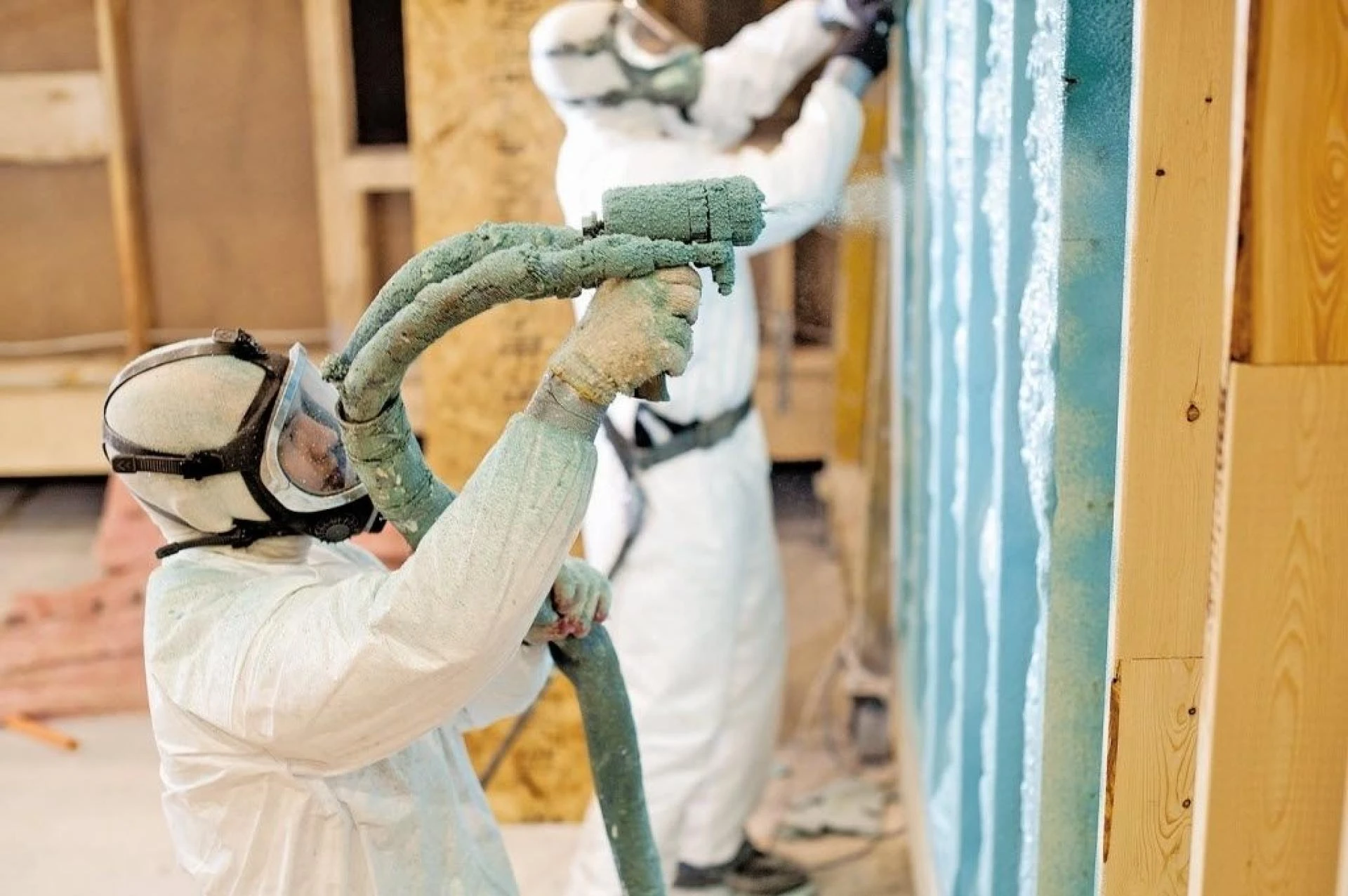

In commercial spray foam insulation projects, the local advantage comes down to a deep understanding of regional building codes, climate-specific performance needs, and the ability to provide responsive, on-the-ground support. While national firms may offer scale, local contractors provide a level of agility and specialized knowledge that is critical for keeping complex commercial projects on schedule and on budget. Their familiarity with local inspectors, suppliers, and the nuances of regional construction practices allows them to anticipate challenges and coordinate more effectively with other trades on a busy job site.
For general contractors and property owners, a smooth insulation phase is essential for the entire project's timeline. This article, drawing on insights from experienced commercial insulation applicators, will detail the specific benefits of partnering with a local expert and explain why proximity and regional expertise are so valuable in a commercial setting.
Deep Knowledge of Local Codes and Climate
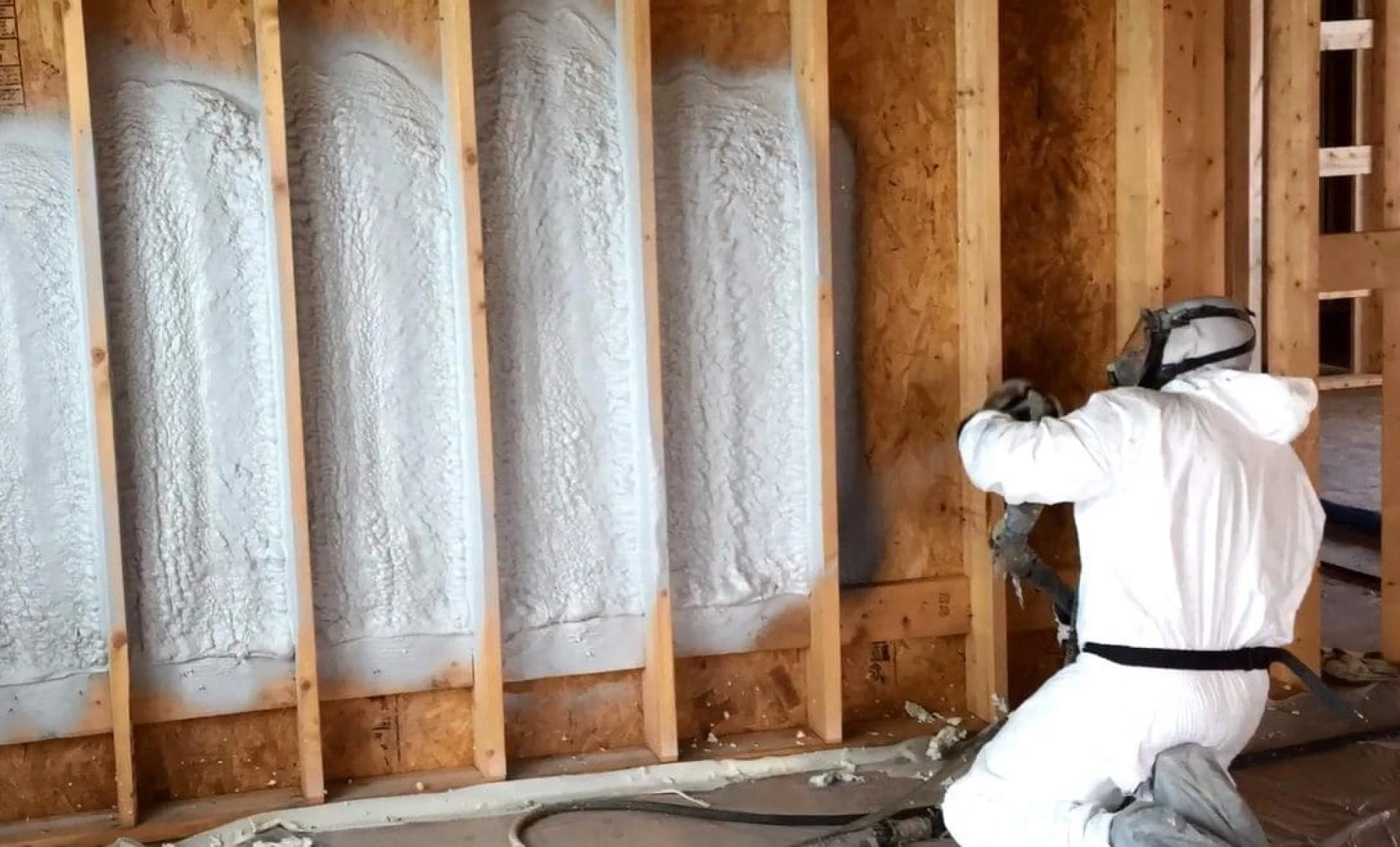
Commercial building codes are far more stringent than residential ones, with specific requirements for fire ratings, thermal barriers, and energy efficiency that can vary significantly from one jurisdiction to another. A local insulation contractor works with these specific codes every day. They know what local inspectors look for and can ensure the application meets or exceeds all requirements from the outset, preventing costly delays and rework orders.
Beyond codes, a local team possesses an ingrained understanding of the regional climate. They know firsthand the challenges of high humidity in the summer or specific wind patterns that can affect a large structure. This practical knowledge informs their recommendations for the type and thickness of spray foam. For example, they can advise on whether a Class A fire-rated foam is needed for an exposed application in a warehouse or if a specific density of closed-cell foam is required to create a durable air and vapor barrier on a large metal building to prevent condensation. This climate-specific expertise ensures the building performs as designed for decades to come.
Streamlined Project Coordination and Communication
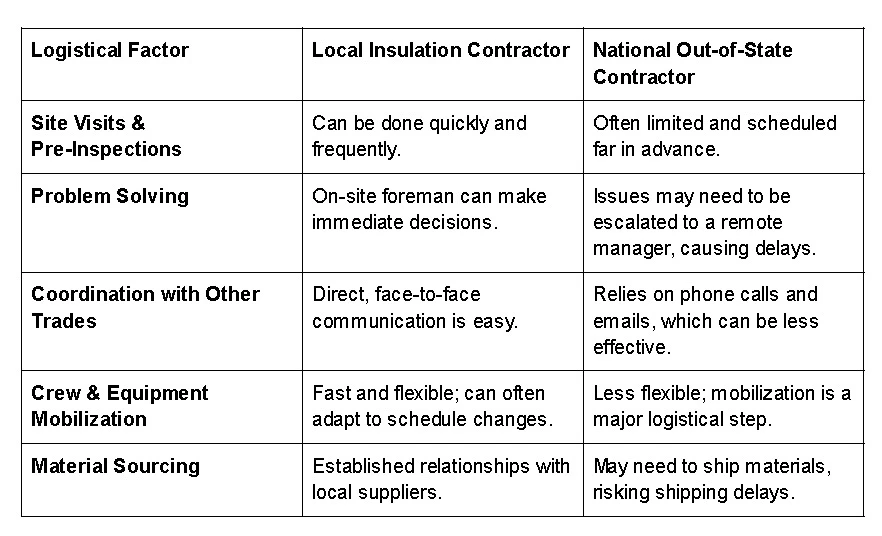
On a commercial construction site, timing is everything. The insulation contractor must work in tight coordination with electricians, plumbers, and HVAC technicians. A local team offers a significant logistical advantage in this environment. Project managers and foremen are physically present in the area, allowing for quick site visits to verify readiness, solve unexpected problems, and adjust schedules in real-time.
This on-the-ground presence fosters better communication and a more collaborative relationship with the general contractor and other trades. An issue can be addressed with a face-to-face meeting on-site within hours, rather than a series of emails and phone calls with a distant corporate office. This agility is crucial for avoiding the kind of small delays that can have a cascading effect on a commercial project's timeline and budget.
Here’s a look at how logistics compare:
Bonus Tip: When evaluating a local contractor, ask how they handle project management. A dedicated local project manager who serves as a single point of contact for the general contractor is a sign of a well-organized and professional operation.
Responsiveness and Long-Term Accountability
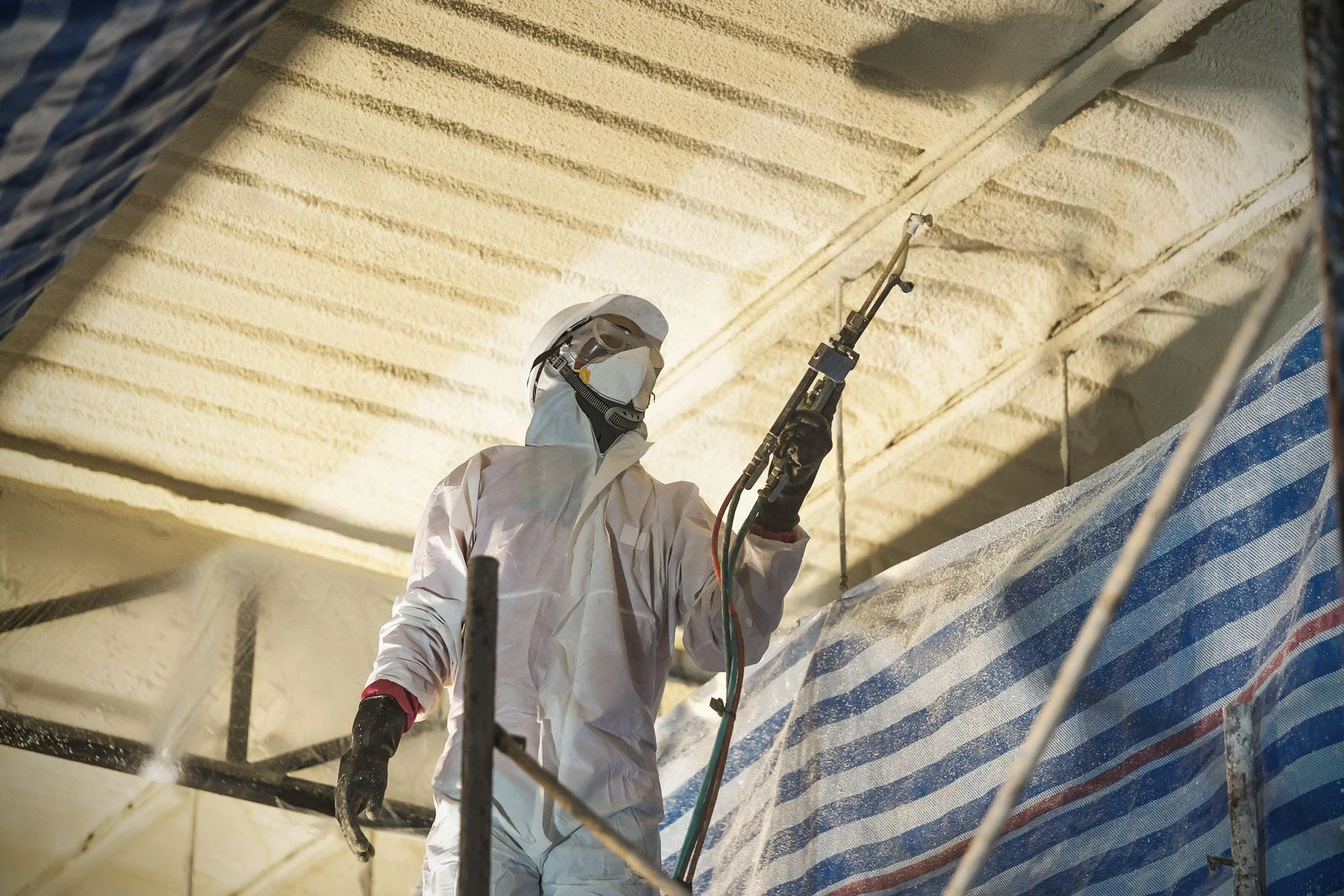
A local company's reputation is built on the quality of their work within the community they serve. They have a vested interest in the long-term performance of their projects because their next job often depends on a referral from the last one. This creates a powerful incentive for quality craftsmanship and accountability.
This long-term accountability becomes particularly important after the project is completed. If a minor issue is discovered during a final inspection, or if a small area needs a touch-up after another trade does their work, a local crew can typically be back on-site quickly to resolve it. With a national firm, the crew that performed the work may have already moved on to a job several states away, making follow-up service much more difficult to arrange. This reliability provides peace of mind for both the builder and the building owner.
Things to Consider Before Hiring a Contractor
Choosing the right insulation partner for a commercial project involves more than just comparing bids. Here are some key factors to evaluate.
- Commercial Experience and Portfolio: Don't just look for a spray foam company; look for one with a strong portfolio of commercial projects. Ask to see examples of jobs similar in scale and type to yours, whether it's a retail space, an office building, or an industrial warehouse.
- Safety Record and Training: Commercial job sites have strict safety standards. Inquire about the contractor's safety program, their crew's training certifications (e.g., OSHA training), and their procedures for handling the specific safety requirements of your site.
- Equipment and Crew Capacity: Does the contractor have the right equipment and a large enough crew to handle your project efficiently? A large commercial job requires high-output spray foam rigs and multiple certified applicators to stay on schedule.
- Understanding of Building Science: A top-tier commercial contractor should be able to discuss more than just insulation. They should understand how their work impacts the building's HVAC design, moisture management, and overall energy performance as a complete system.
Bonus Tip: Ask a potential contractor how they protect the job site. A professional commercial crew will have a detailed plan for containing overspray, protecting finished surfaces like concrete floors and windows, and ensuring proper ventilation.
Questions People Ask About Commercial Spray Foam
Can spray foam be applied to the underside of a metal roof?
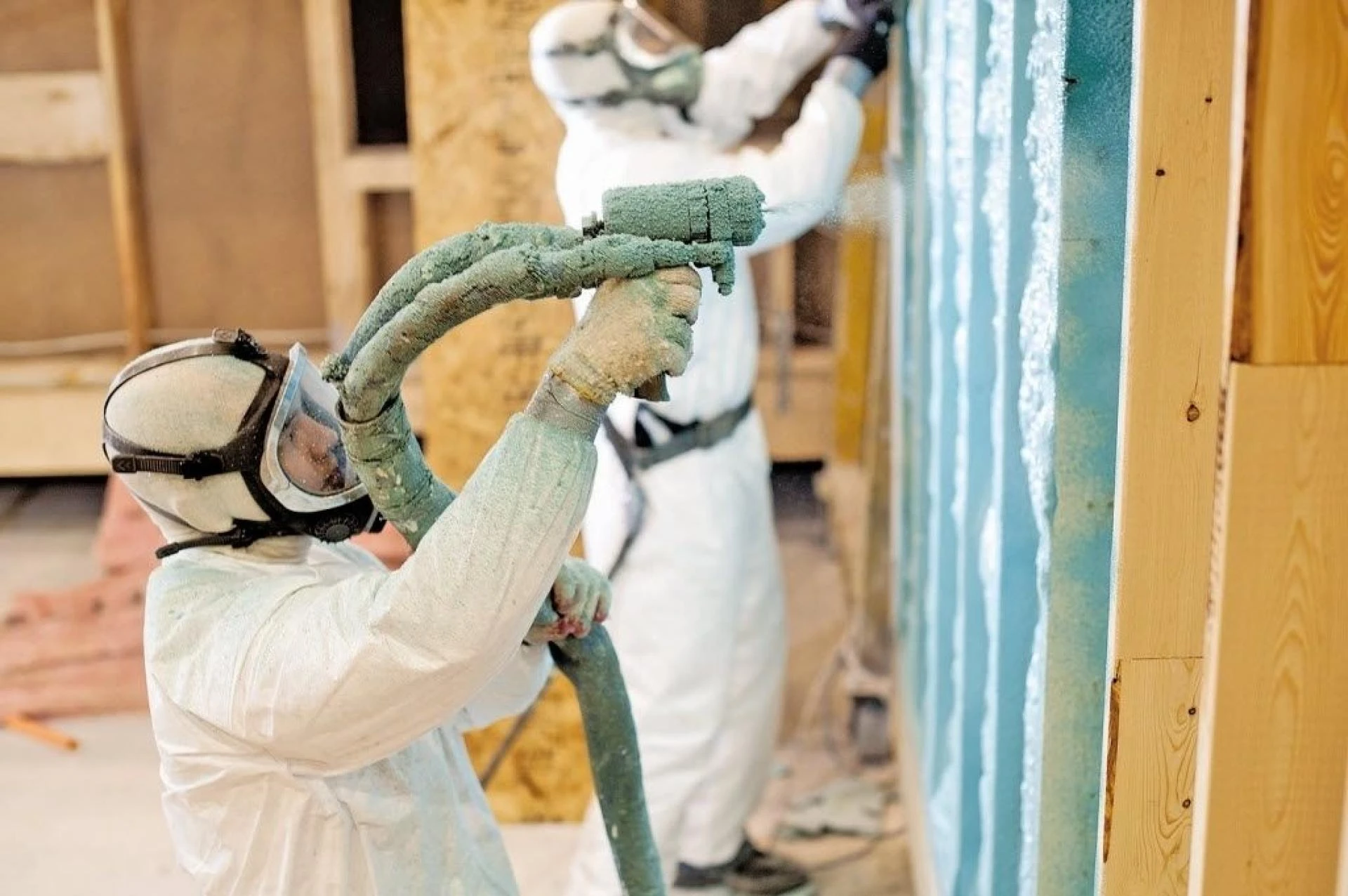
Yes, this is one of the most common and effective applications for spray foam in commercial buildings. Closed-cell spray foam is typically used because it adheres strongly to the metal, stops air and moisture infiltration, and prevents condensation from forming on the cold metal surface and dripping onto the contents below.
How does spray foam help meet commercial energy codes?
Spray foam is a key tool for meeting modern, stringent commercial energy codes like ASHRAE 90.1 or the IECC. Its ability to provide a continuous layer of insulation and a complete air barrier in one step makes it one of the most effective ways to create a high-performance building envelope that minimizes energy loss.
What is the typical timeline for a large commercial project?
The timeline depends on the size of the building and the complexity of the job. However, a professional crew with the right equipment can often apply thousands of square feet of foam per day. A local contractor can provide a more accurate and reliable schedule based on their direct assessment of the site.
What kind of fire ratings does commercial spray foam have?
Many spray foam products have been tested and approved for various fire-rated wall and ceiling assemblies. There are also specialized foams with a Class A fire rating, which means they have a low flame spread. Additionally, spray foam is often covered by a thermal or ignition barrier, such as drywall or a specialized coating, to meet commercial fire codes.
How does the insulation process affect other trades on the site?
During the spraying process, the immediate area must be cleared of all other personnel for safety reasons. A professional insulation contractor will coordinate closely with the general contractor to schedule their work in sections, often during off-hours or weekends, to minimize disruption to other trades and keep the overall project moving forward.
The Clear Choice for Commercial Projects
While the material specifications of a spray foam project are critical, the choice of the contractor who installs it is just as important. For commercial construction, the advantages of a local partner are clear. Their regional expertise, logistical agility, and inherent accountability provide a level of service and reliability that is essential for the success of complex, time-sensitive projects.
Connect with a Local Commercial Insulation Specialist
For general contractors and business owners planning a commercial project, consulting with a local insulation expert early in the process can save time and prevent problems. A specialist can review blueprints and provide recommendations that align with your budget and performance goals. For those in the region, the team at Raleigh Excel Spray Foam Insulation has experience with a wide range of commercial applications. They can be contacted for a detailed project assessment at (919) 301-9435 or via email at [email protected].
Reviewer: With nearly a decade in the spray foam insulation field, William Harris reviewed this post and provided guidance that reflects both technical understanding and real-world marketing experience.

























Sign in to leave a comment.