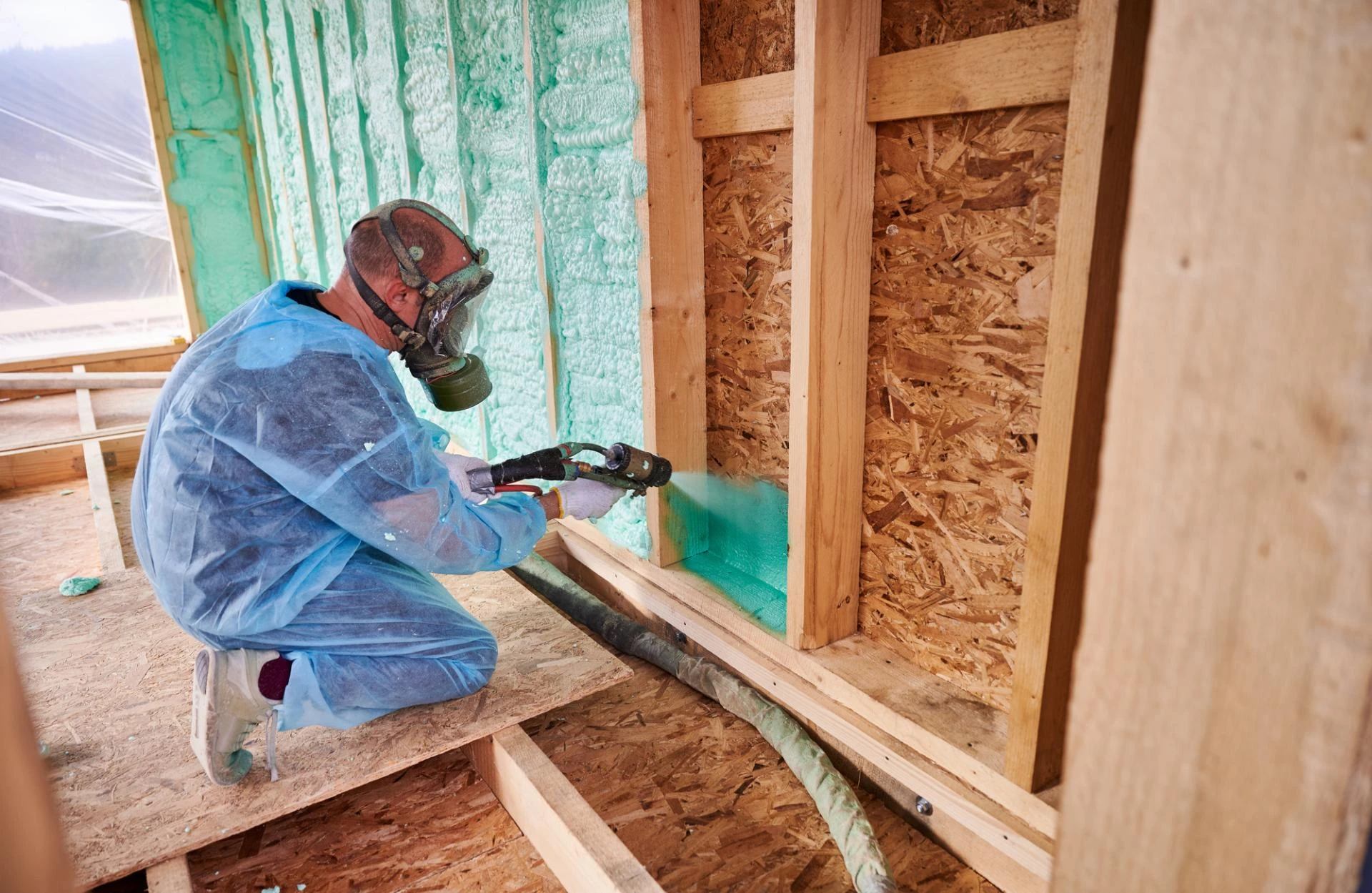

Residential spray foam insulation improves a home's longevity by actively protecting its structure from the three biggest threats to its durability: moisture, structural stress, and pests. While often chosen for its energy-saving benefits, spray foam’s most valuable long-term feature is its ability to create a solid, stable, and protective barrier. Closed-cell spray foam, in particular, acts as a moisture and air barrier, adds significant structural strength to the building frame, and doesn’t degrade over time, preventing the slow decay that affects many homes.
Unlike traditional insulation that simply sits in a wall cavity, spray foam becomes a fully integrated part of the building. This article, based on building science principles and the field experience of insulation experts, explains how this modern material contributes to a stronger, healthier, and longer-lasting home. Let's examine how it accomplishes this, starting with its role in moisture management.
The Critical Role of Moisture Management
Water is the number one enemy of a house. Uncontrolled moisture, whether from leaks, ground vapor, or condensation, is the root cause of rot, mold, and the eventual decay of wood framing. Many common insulation materials, like fiberglass batts, can absorb and hold moisture, which reduces their effectiveness and can hide serious problems within the walls.
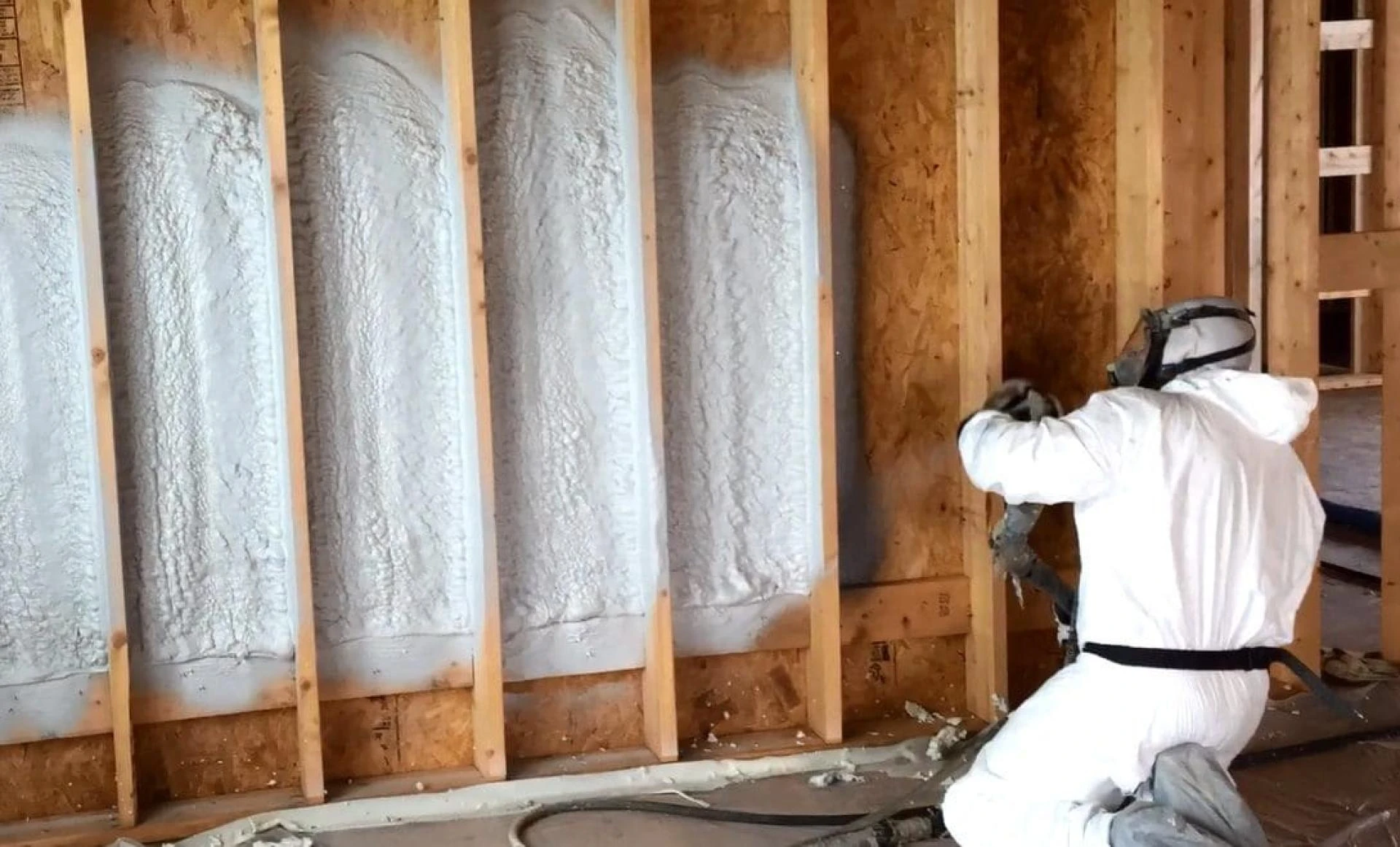
Spray foam insulation, specifically the closed-cell variety, addresses this head-on. Its dense structure makes it impermeable to water. When applied to foundation walls, it acts as a continuous vapor barrier, stopping moisture from the ground from entering a basement or crawl space. This is a huge benefit in humid climates, where damp crawl spaces are a common source of mold and poor indoor air quality.
Within walls and roof decks, spray foam's air-sealing quality prevents condensation. Condensation occurs when warm, moist indoor air comes into contact with a cold surface, like the back of the exterior sheathing in the winter. By stopping air movement within the wall cavity, spray foam keeps the warm air and the cold surface separate, preventing the moisture buildup that can lead to hidden rot and structural damage over many years.
Adding Structural Strength to the Building Frame
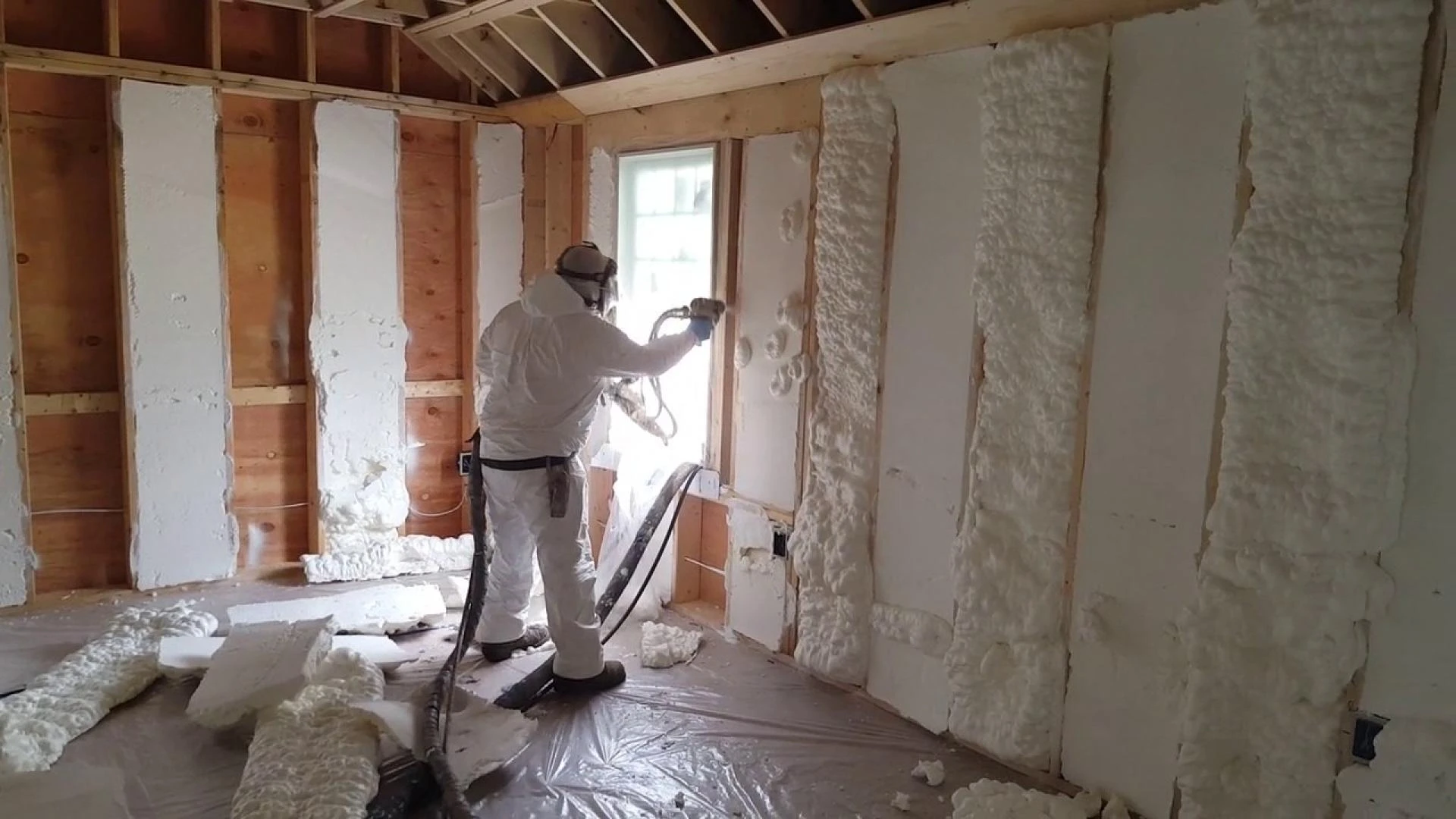
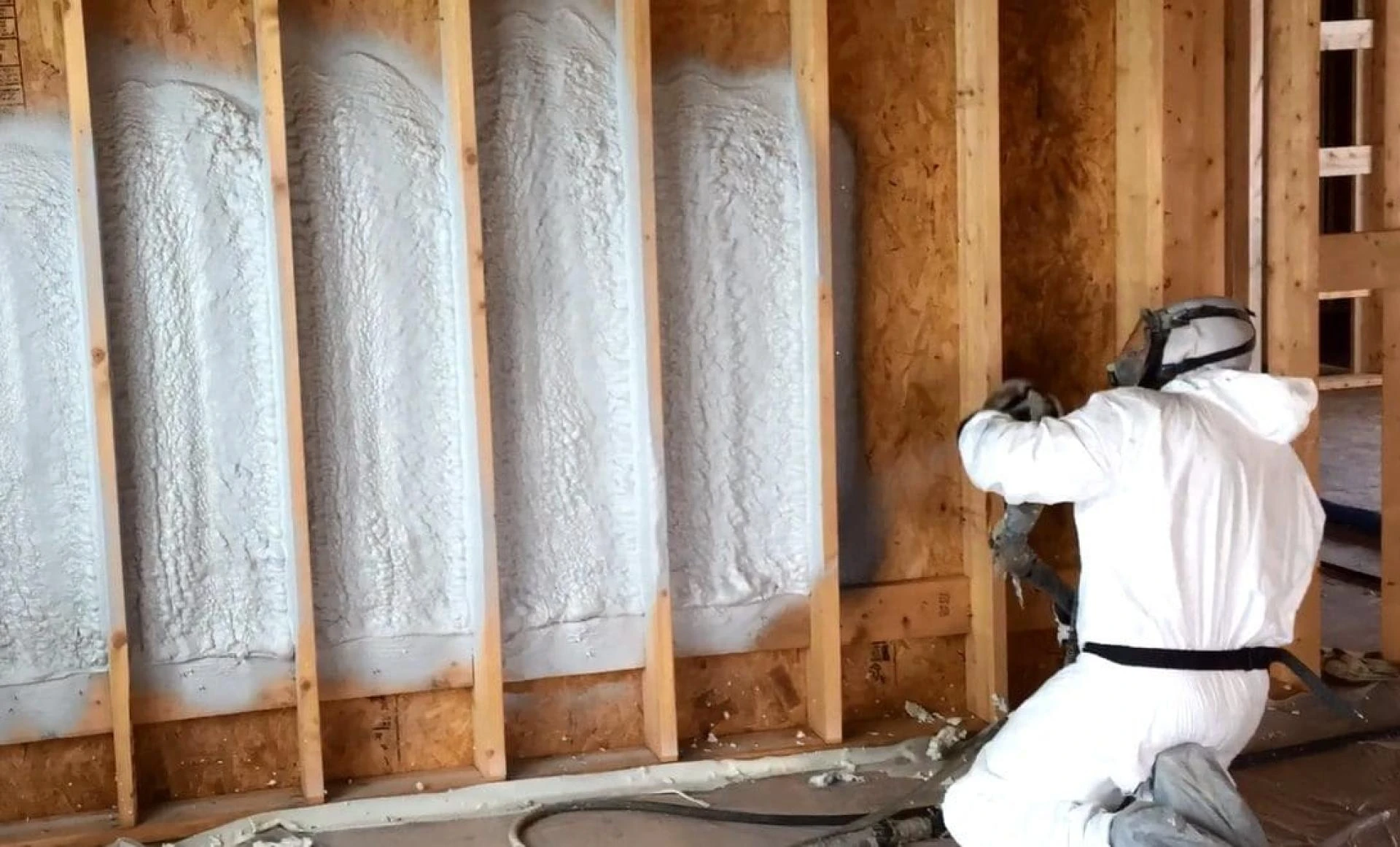
One of the most surprising benefits of closed-cell spray foam is its ability to make a home stronger. When sprayed into a wall cavity, the dense foam expands and hardens, adhering tightly to the studs, joists, and sheathing. This process effectively glues the entire building assembly together, making it much more rigid.
Independent laboratory testing has shown that applying closed-cell spray foam can increase the racking strength of a wall by as much as 200% to 300%. Racking strength is a measure of a wall's ability to resist the lateral forces from high winds or seismic events. By making the entire structure stiffer and more resistant to shifting and flexing, spray foam helps the home better withstand severe weather, reducing the risk of damage and contributing to its overall longevity. It turns a standard wall into a stronger, more solid structural panel.
A Permanent and Inert Material
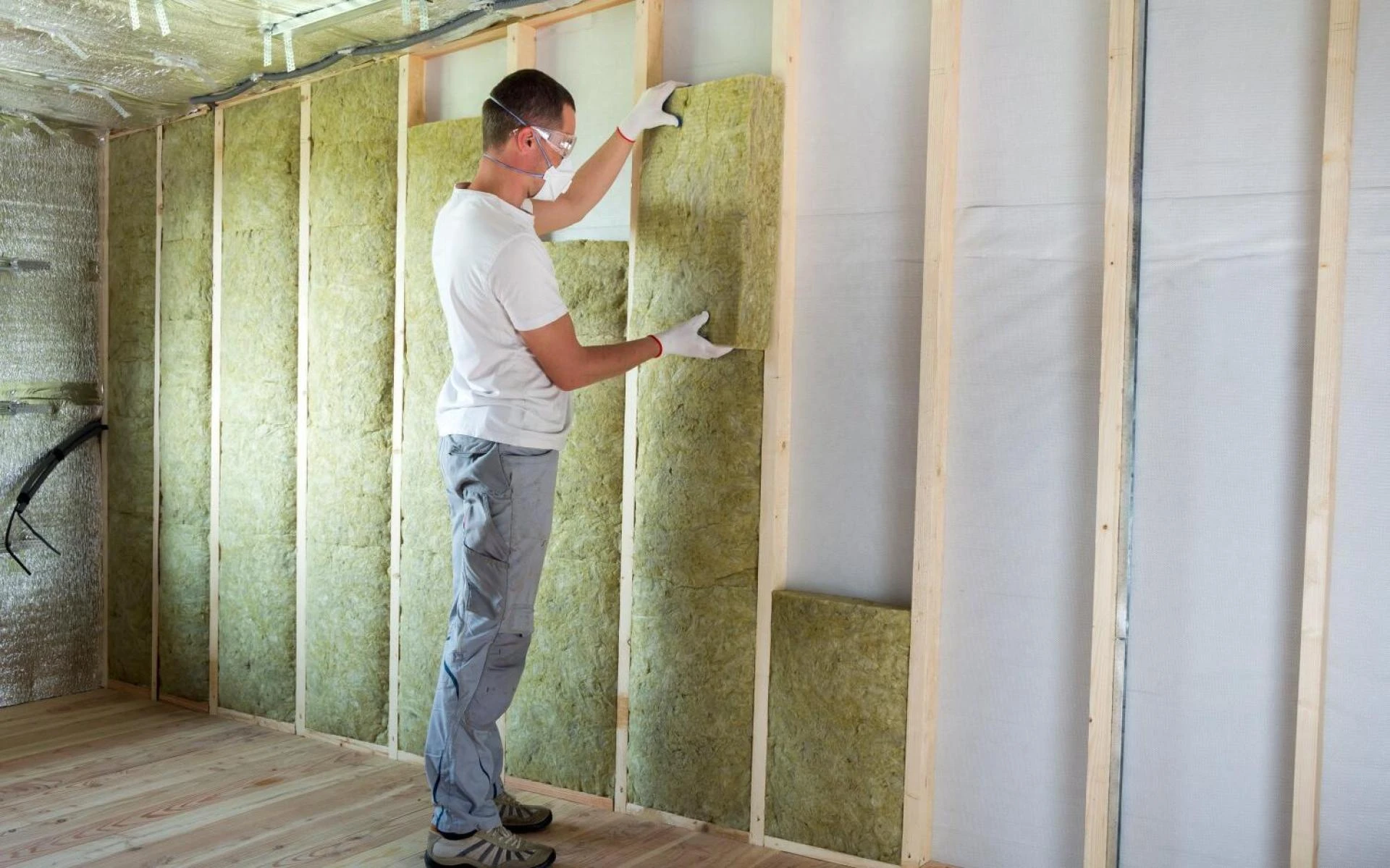
A home is only as durable as the materials it's made from. Many traditional insulation products can degrade over time. Batts can sag, leaving uninsulated gaps at the top of walls. Blown-in materials can settle, reducing their overall R-value.
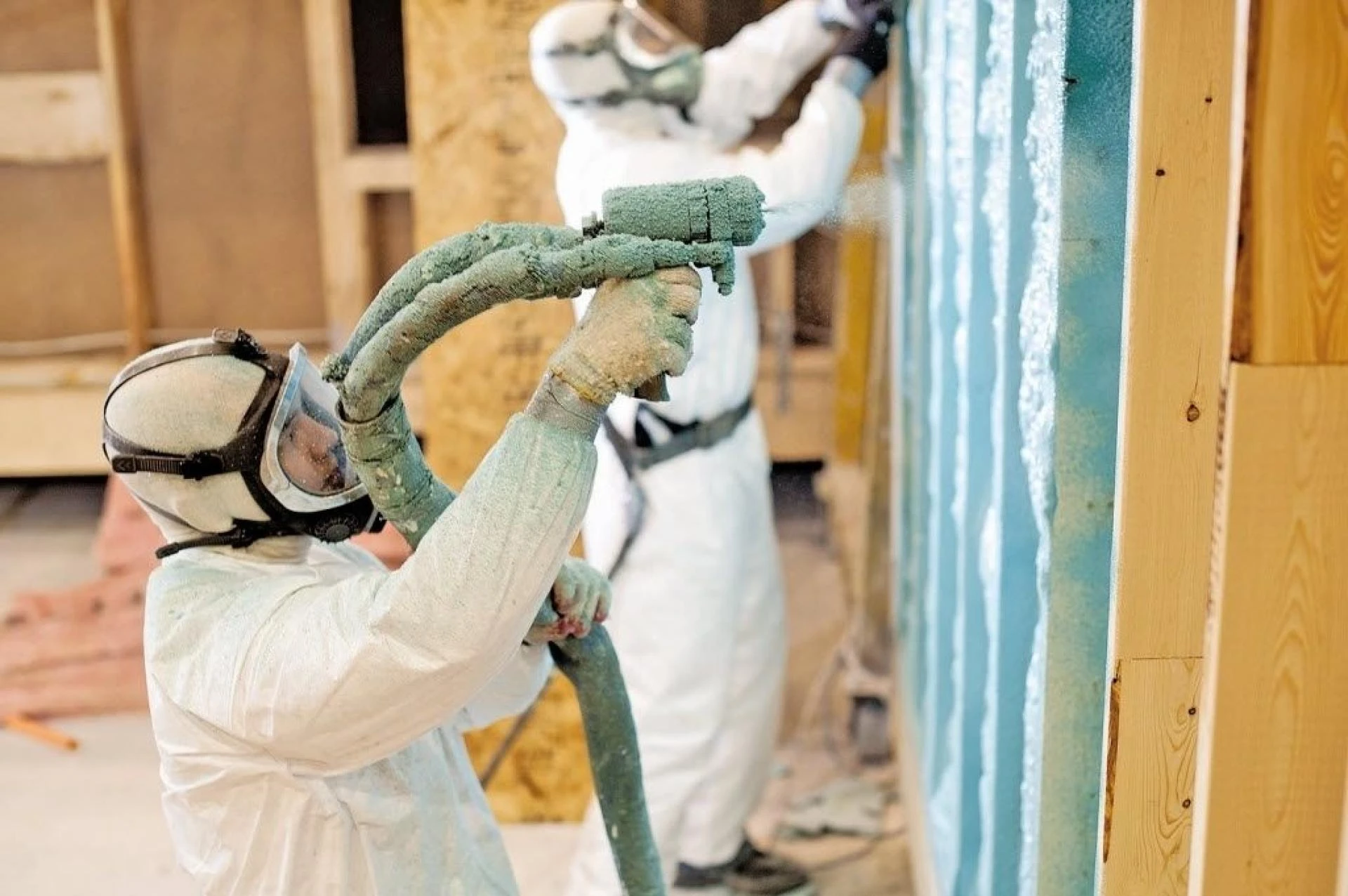
Spray foam, once cured, is a completely inert and dimensionally stable plastic. It will not sag, settle, shrink, or break down. The insulation that is installed on day one will perform the same way 50 years later. This permanence means the home's thermal protection remains consistent for its entire lifespan.
This inert nature also makes it an effective pest deterrent. While it is not a pesticide, spray foam creates a solid barrier that is difficult for insects and rodents to chew through. It also seals the small cracks and holes they typically use for entry. Critically, it provides no food source for termites, carpenter ants, or rodents, unlike some other insulation materials. By helping to keep pests out, it protects the wood structure from the damage they can cause.
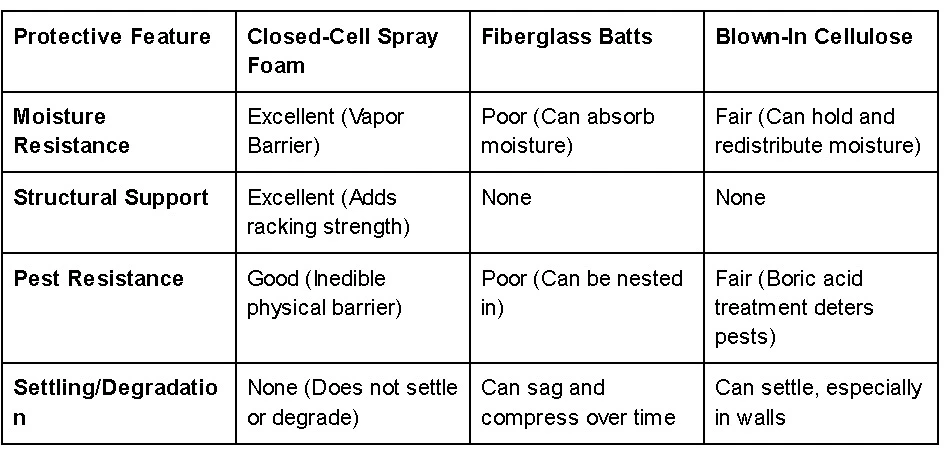
Comparing Insulation for Longevity
To see how these benefits stack up against other options, here’s a direct comparison of common materials.
Things to Consider Before Making a Decision
To get the full longevity benefits of spray foam, a few factors are critically important.
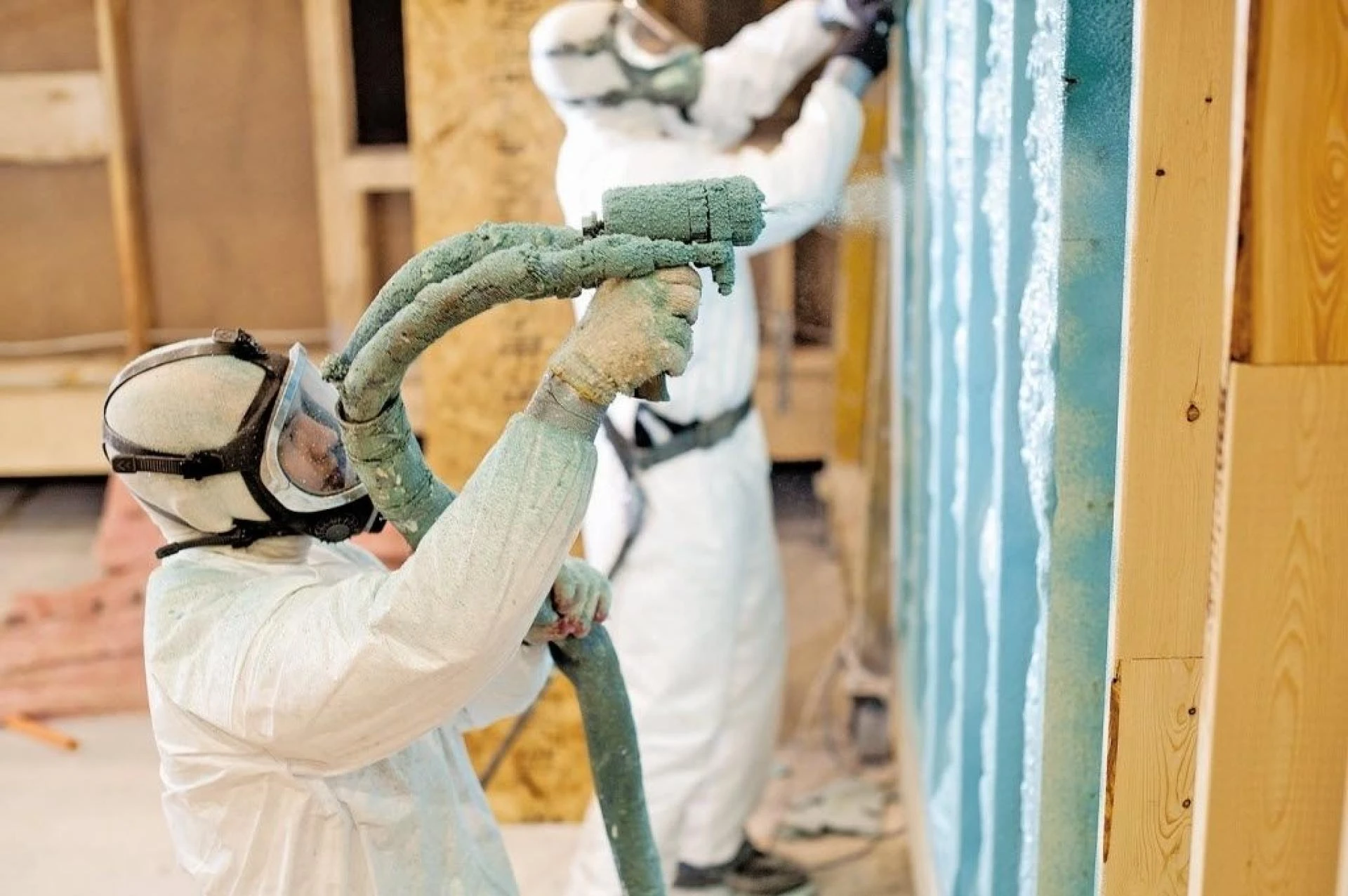
- The Installer is Everything: The quality of the installation is paramount. An improper application, with the wrong chemical mix or temperature, can result in foam that shrinks, has a bad odor, or doesn't perform as expected. It is essential to choose a certified, experienced, and reputable contractor.
- Fix Leaks First: Spray foam is not a solution for a leaky roof or a cracked foundation. Any active water leaks must be fully repaired before insulation is installed. For attic applications, it's wise to have a roofer inspect the roof first, as it's much easier to make repairs before the underside is covered in foam. Applying spray foam over a leak will trap moisture, which is far worse than the original problem.
- The Right Foam for the Right Job: The structural and moisture-blocking benefits described here are specific to closed-cell spray foam. Open-cell foam is a great air barrier and soundproofer, but it is vapor permeable and does not add the same structural rigidity.
Common Questions About Spray Foam and Durability
Can spray foam trap moisture and rot my roof?
This is a common myth. In a properly installed unvented attic system, the spray foam applied to the underside of the roof deck keeps the warm, moist air from the living space from ever touching the cold roof sheathing. This prevents condensation and keeps the sheathing dry. The key is a sound, leak-free roof and a professional installation.
Is spray foam a food source for termites or other pests?
No. Spray polyurethane foam is an inert plastic and has no nutritional value for pests. Termites will not eat it, although they can tunnel through it if they find a path from the ground to a wood source.
Does spray foam make future electrical or plumbing work harder?
It can make it more challenging than working with an empty wall cavity. However, the foam is rigid but can be cut with a handsaw or serrated knife to access wiring or plumbing. Once the work is done, the cavity can be refilled with a two-part foam kit.
Will spray foam damage my electrical wiring?
No. Standard residential wiring (like Romex) is not affected by spray foam insulation. The foam has been tested extensively and is approved for use in wall cavities containing electrical wiring.
How does spray foam protect a home in a hurricane-prone area?
The added racking strength is a major benefit in areas with high winds. By "gluing" the roof deck to the rafters and the wall sheathing to the studs, closed-cell spray foam can help keep the roof on and the walls intact during a severe storm, significantly improving the home's resilience.
A Long-Term Investment in Your Home's Health
Ultimately, choosing residential spray foam insulation is an investment in the long-term health and durability of the home. It moves beyond just managing temperature to actively protecting the structure from its biggest threats. By controlling moisture, strengthening the frame, and providing a permanent barrier, it helps ensure that a house can stand strong for generations.
Get a Professional Durability Assessment
To understand how spray foam could improve the longevity of a specific property, a professional evaluation is the best starting point. A qualified contractor can assess the home's condition and explain where an application would be most beneficial. For homeowners in the area, the team at Raleigh Excel Spray Foam Insulation has the expertise to provide such an assessment. They can be reached by phone at (919) 301-9435 or by email at [email protected] to schedule a consultation.
Reviewer: With nearly a decade in the spray foam insulation field, William Harris reviewed this post and provided guidance that reflects both technical understanding and real-world marketing experience.
























Sign in to leave a comment.