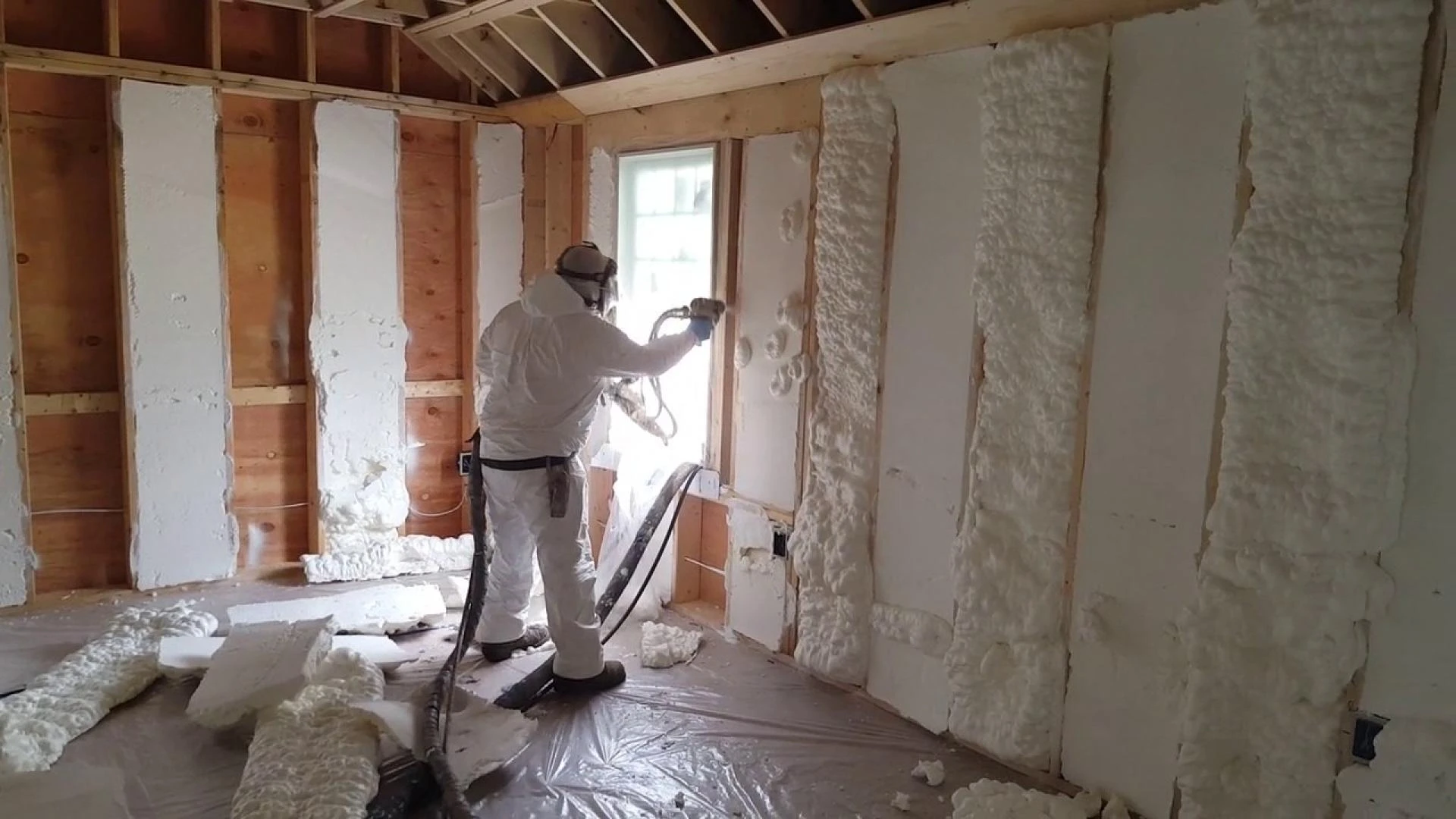

What makes open-cell spray foam a smart long-term choice is its unique combination of high-performance air sealing, superior sound dampening, and its ability to let a building assembly dry out if it ever gets wet. While closed-cell foam is known for its high R-value and rigidity, Professional open-cell foam insulation offers a more flexible solution that provides lasting comfort and durability, often at a lower initial cost. It creates an exceptionally airtight home, which is the foundation of energy efficiency, but its vapor-permeable nature also adds a layer of protection against the kind of trapped moisture that can cause problems over decades.
For homeowners and builders looking beyond just the initial R-value, open-cell foam presents a sophisticated approach to creating a quiet, comfortable, and resilient home. This guide, informed by the practical knowledge of building science experts, explains the specific properties that contribute to its excellent long-term performance.
The Lasting Power of a Superior Air Seal
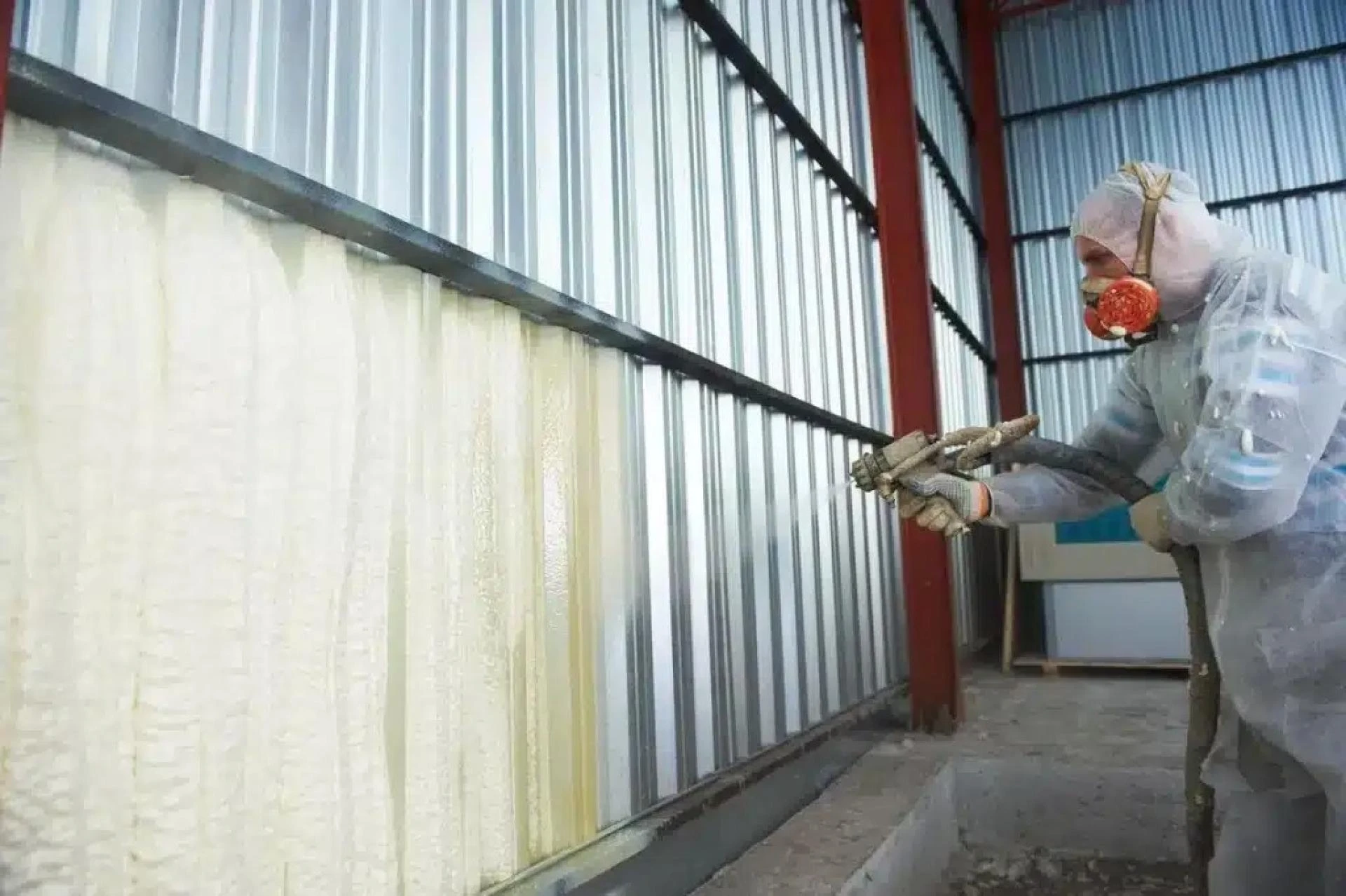
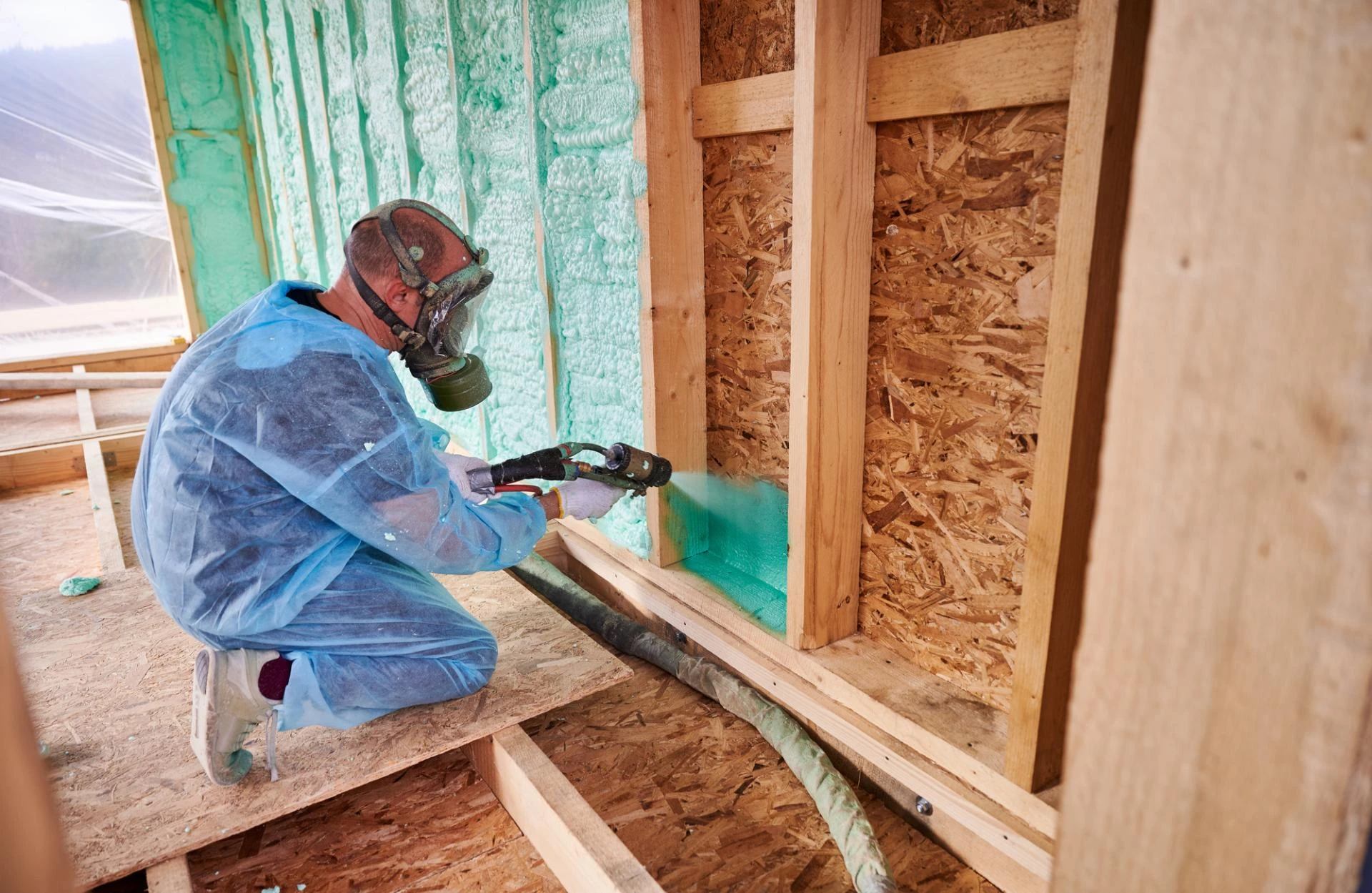
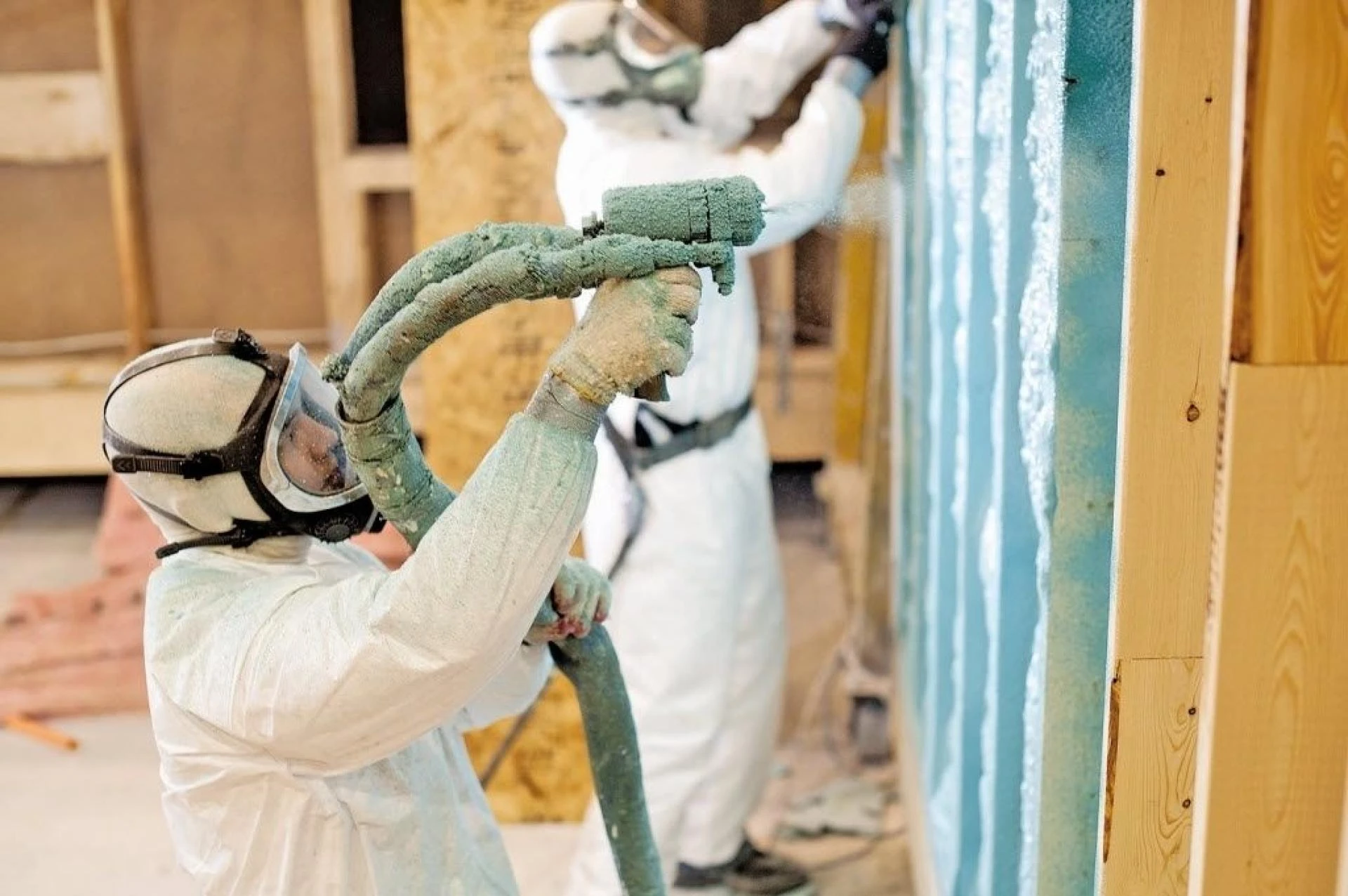
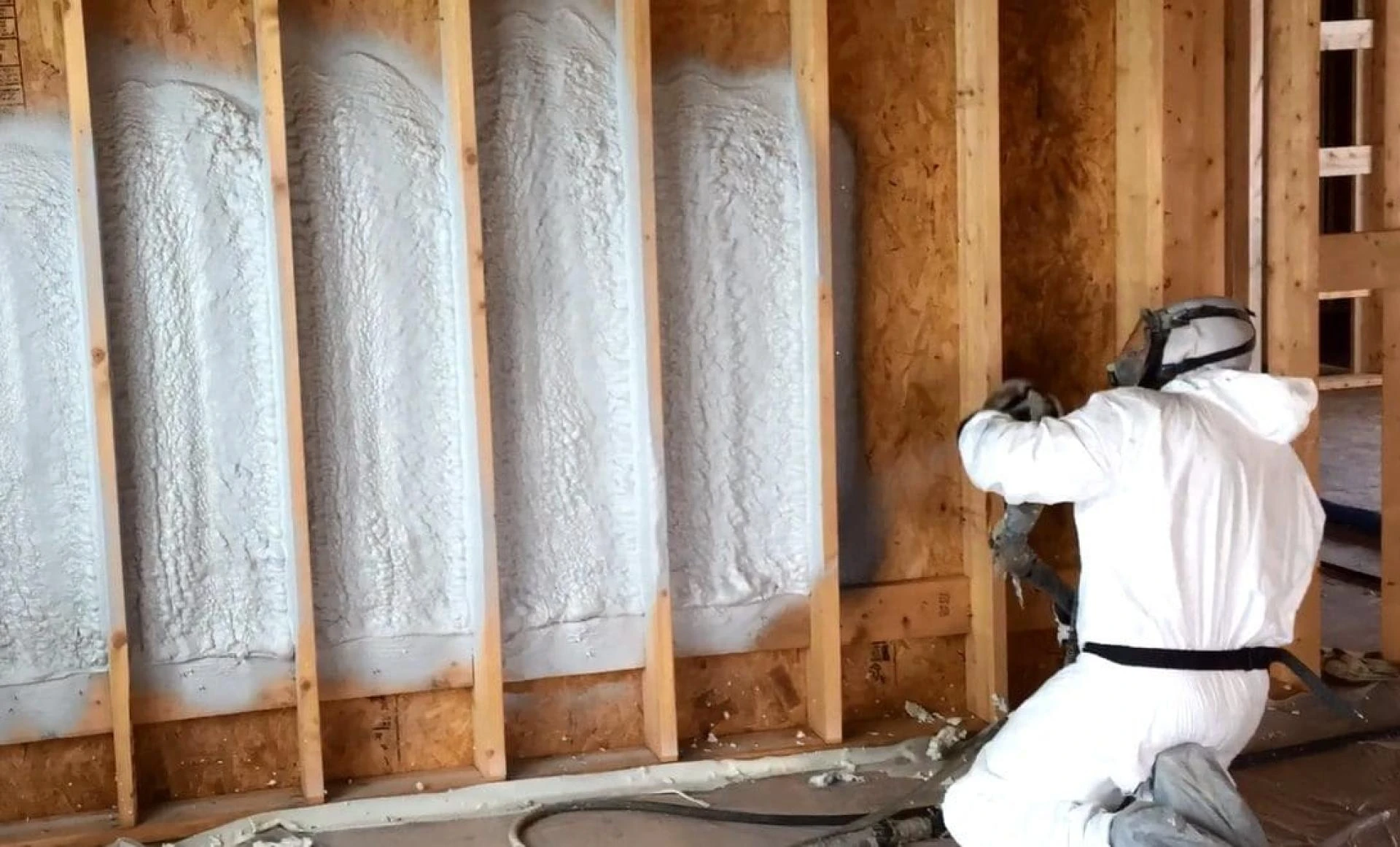
The single biggest source of energy loss in most homes isn't a lack of insulation, but uncontrolled air leakage. Small gaps in a building's shell can add up to the equivalent of leaving a window open 24/7. Open-cell spray foam directly addresses this by expanding up to 100 times its liquid size upon application. This tremendous expansion allows it to fill every crack, crevice, and odd-shaped cavity, creating a continuous, flexible air barrier.
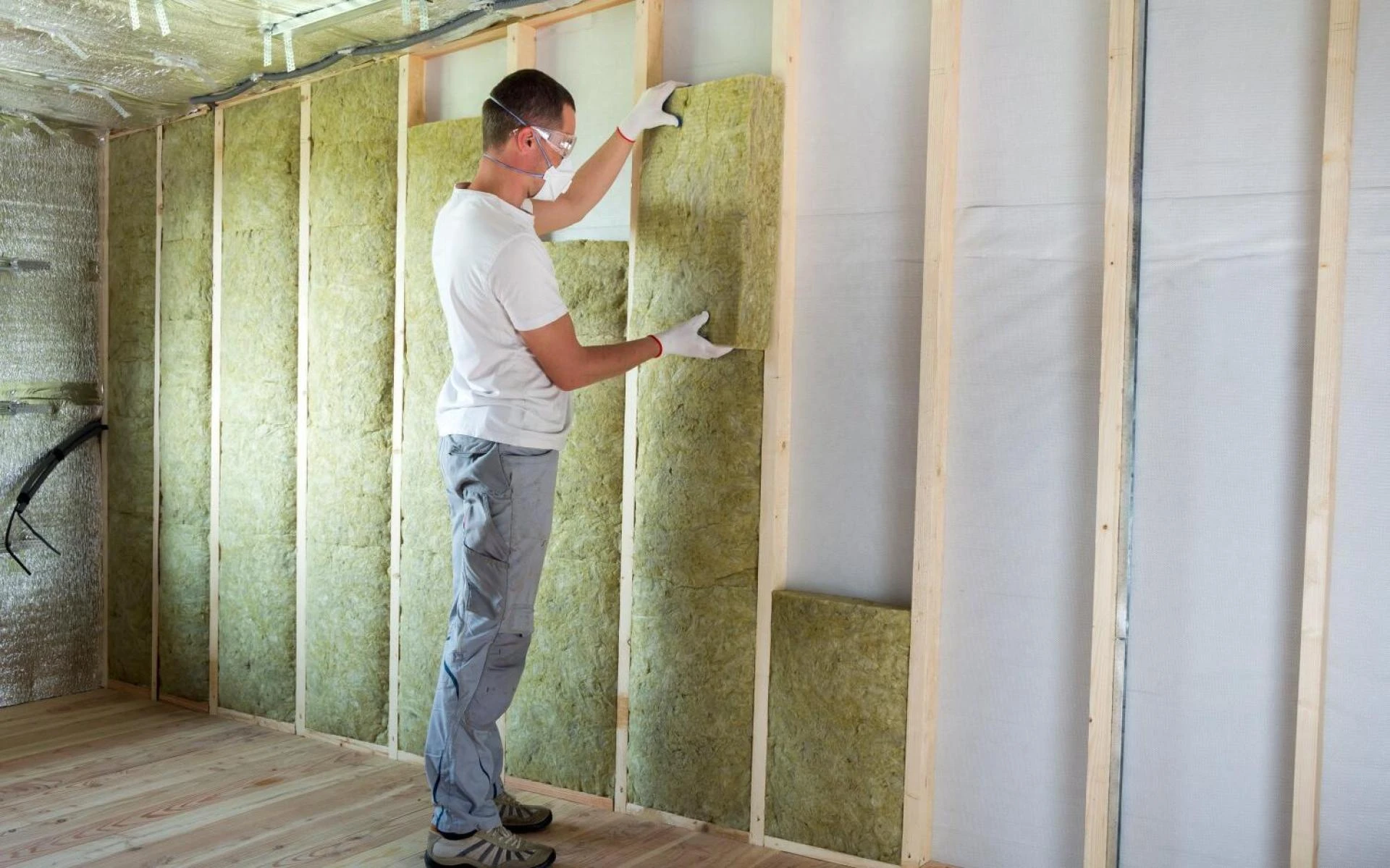
This air seal doesn't degrade over time. Unlike traditional insulation batts that can sag or be installed with gaps, open-cell foam adheres permanently to the surfaces it's applied to. It moves with the building as it settles and shifts seasonally, maintaining its airtightness for the life of the structure. This permanent air seal means the energy savings it provides in the first year will continue for decades, making it a reliable and predictable long-term investment.
More Than Just Thermal: A Quieter Home for Life
One of the most immediate and lasting benefits of open-cell foam is acoustic insulation. Its soft, pliable, sponge-like structure is incredibly effective at absorbing and dampening sound waves. This is a quality-of-life improvement that homeowners appreciate for as long as they live in the house.
- Blocking Outside Noise: When used in exterior walls, it helps to muffle the sounds of traffic, neighbors, and weather.
- Quieting Interior Spaces: It is an ideal choice for interior walls around home offices, bedrooms, laundry rooms, and bathrooms. It significantly reduces noise transfer between rooms and can silence the sound of plumbing pipes within walls.
This sound control is a permanent feature. The foam's structure doesn't break down, so the peace and quiet it creates is a benefit that never fades.
A Smart Approach to Moisture Management
This is a technical but critical long-term advantage. Open-cell foam is vapor permeable, which means water vapor can pass through it. This might sound like a weakness, but in many building science applications, it's a significant strength. It allows the building assembly, like a wall or a vented attic, to "breathe."
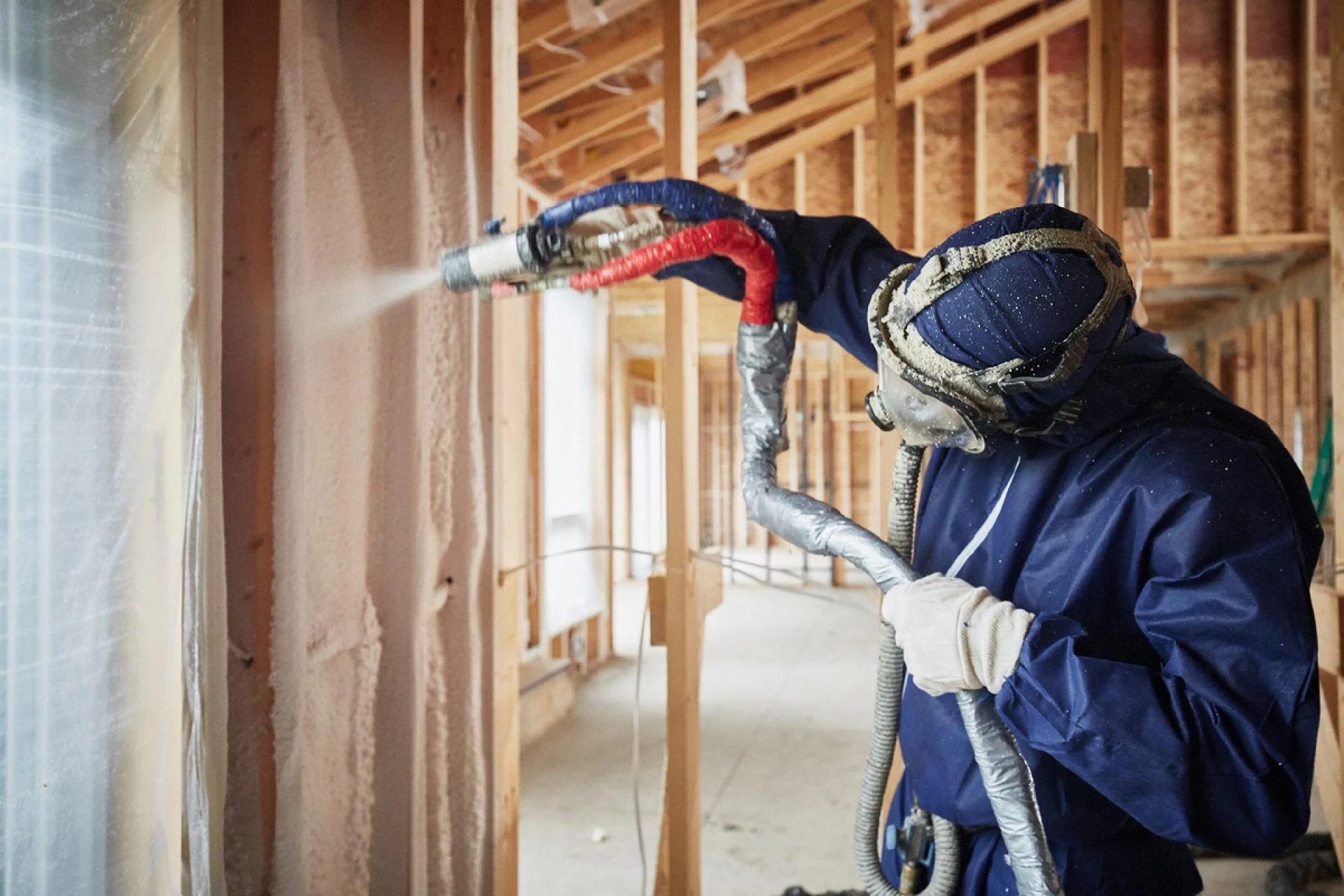
If a small leak were to occur in the roof or a wall, the water would be able to pass through the open-cell foam and reveal itself on the interior drywall. The foam itself does not absorb and hold the water like a sponge; it allows the water to pass through and, once the leak is fixed, it can dry out completely without losing any of its insulating properties. In contrast, a closed-cell foam would trap that leak behind it, potentially hiding the moisture until it causes significant rot in the sheathing and studs. This "fail-safe" quality is a huge long-term benefit for the durability of the home's structure.
Bonus Tip: This vapor permeability makes open-cell an excellent choice for insulating the floor of a vented attic. It stops air leakage but still allows the attic to manage moisture through its ventilation system as designed.
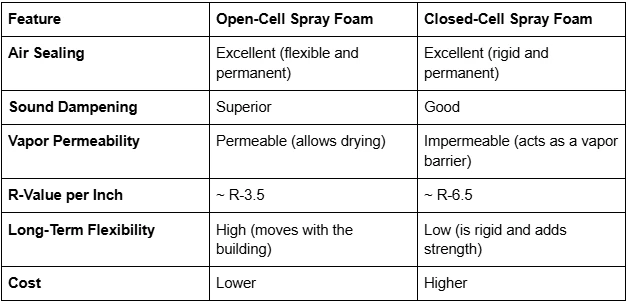
To put these differences into perspective, here’s a direct comparison of the long-term performance characteristics of open-cell and closed-cell foam.
Key Long-Term Performance Characteristics
Things to Consider Before Making a Decision
Of course, no single material is perfect for every job. While open-cell foam is a great choice for many applications, it’s not right for every situation, and making a smart long-term decision means understanding its limitations.
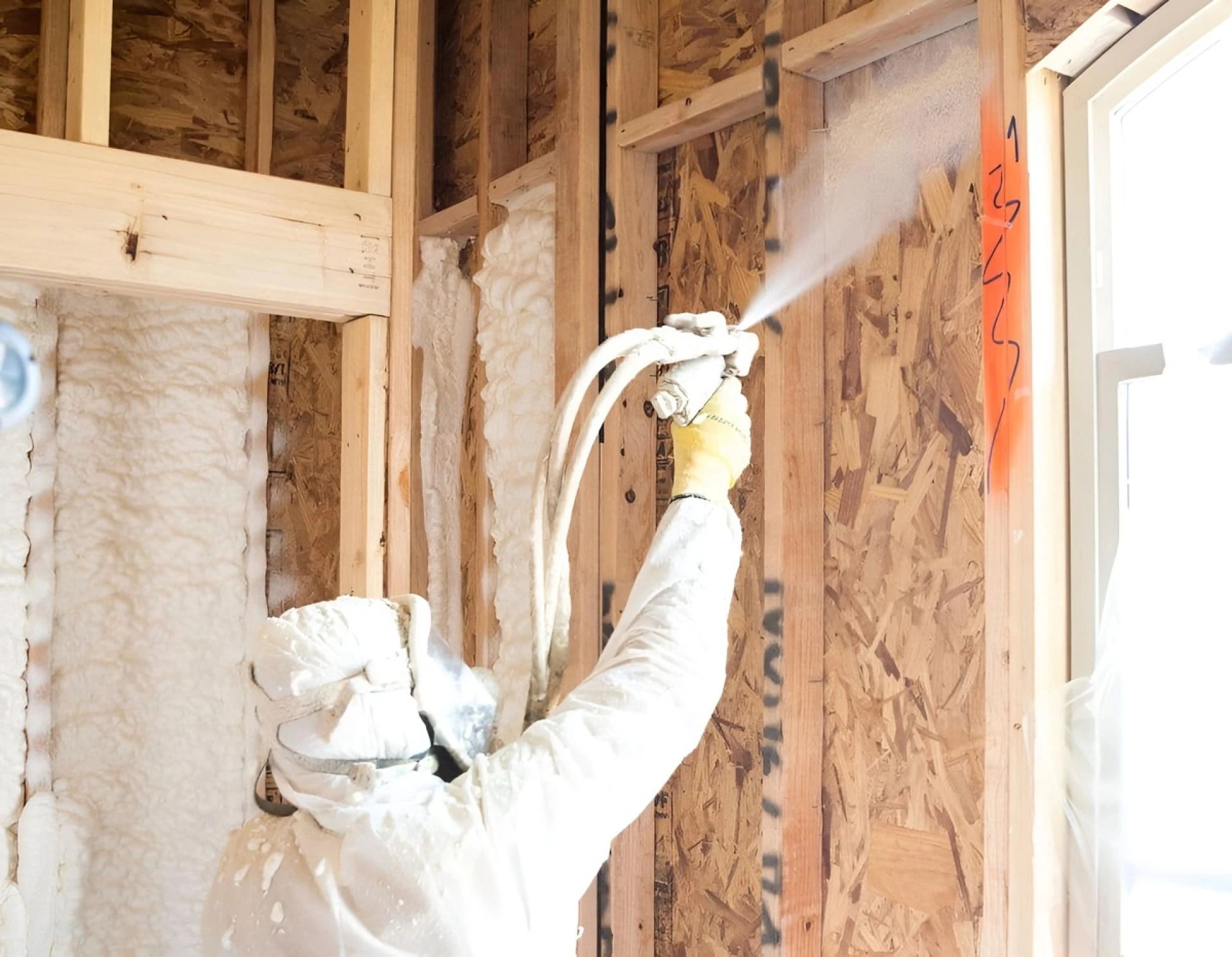
- Application Location: Because it is vapor permeable and can absorb bulk water, open-cell foam should never be used in below-grade applications like basement walls or in any area that might be subject to flooding. Closed-cell is the correct choice for these scenarios.
- Climate Considerations: In very cold climates, using open-cell foam in an exterior wall assembly may require the addition of a separate vapor barrier on the interior side to prevent condensation issues within the wall during winter. A qualified contractor can advise on local building code requirements.
- Installer Skill: The long-term performance of any spray foam is entirely dependent on the quality of the installation. The chemical mixture has to be perfectly on-ratio and applied at the correct temperature. An experienced, certified installer is non-negotiable for a successful project.
Questions People Ask About Open-Cell Foam
Does open-cell foam shrink over time?
No. When properly installed, open-cell spray foam adheres permanently to the substrate and remains dimensionally stable for the life of the building. It will not shrink, sag, or pull away from the studs.
Does it provide any structural support?
No. Unlike its rigid closed-cell counterpart, open-cell foam is soft and flexible and does not add any structural strength to the building assembly.
How is the extra foam trimmed from the wall studs?
After the foam expands past the face of the studs, the excess is trimmed off with a special saw or blade. This leaves a flat surface that is ready for drywall to be installed directly over it.
Is open-cell foam a good choice for insulating a roofline?
It can be, but it depends on the climate. In a hot or mixed-humid climate, creating an unvented attic with open-cell foam on the roof deck can be very effective, but the strategy must include careful management of indoor humidity levels. In most cases, closed-cell foam is the more common choice for roof deck applications because it is also a vapor barrier.
What is the blowing agent used in open-cell foam?
Most modern open-cell foams use water as the blowing agent. The reaction between the two chemical components creates carbon dioxide, and the heat from the reaction turns the water into steam. This steam is what causes the foam to expand. This process is environmentally friendly and avoids the use of synthetic blowing agents.
The Verdict on Open-Cell Foam's Long-Term Value
Open-cell spray foam offers a durable, high-performance insulation solution that provides value far beyond its R-value. Its ability to create a permanent air seal delivers consistent energy savings for decades. At the same time, its superior sound control and smart moisture management contribute to a more comfortable, quiet, and resilient home environment for the long haul.
Getting an Expert Recommendation
Deciding if open-cell spray foam is the right long-term choice for your project requires a professional evaluation of your home's specific needs and your local climate. A consultation with an experienced insulation contractor is the best way to get a clear recommendation. The team at Raleigh Excel Spray Foam Insulation is known for its deep product knowledge and commitment to quality installation. They can be reached for a project assessment at (919) 301-9435 or via email at [email protected].
Technical Review: This article was reviewed for accuracy by William Harris, an insulation expert with nearly a decade of experience in the spray foam industry.























Sign in to leave a comment.