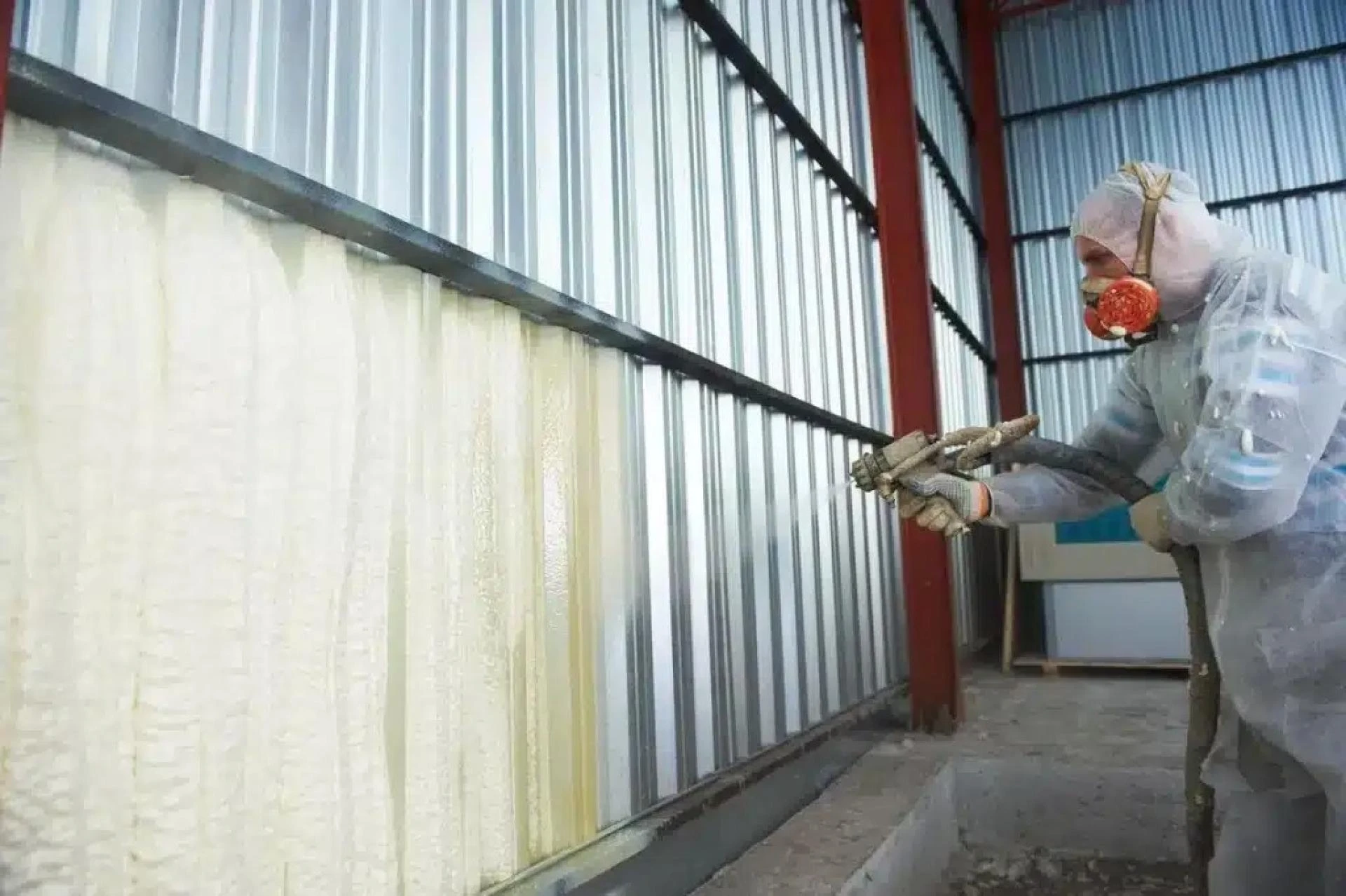

Business owners are switching to commercial spray foam insulation because it offers a clear and rapid return on investment by aggressively targeting their largest operational expense: energy costs. Unlike traditional insulation methods, spray foam acts as a complete, multi-functional system. In a single application, it provides high-level thermal resistance, a seamless air barrier that stops costly leaks, and a monolithic moisture barrier that protects the building and its contents. This integrated approach simplifies construction, drastically lowers long-term heating and cooling expenses, and improves the durability of the commercial property.
For any business, decisions come down to the bottom line. The move toward spray foam isn't just about a better building material; it's a strategic financial decision. This article will break down the specific performance advantages driving this switch, based on established building science and the practical experience of commercial insulation contractors who work with facility managers every day.
A Three-in-One System for a Better Bottom Line
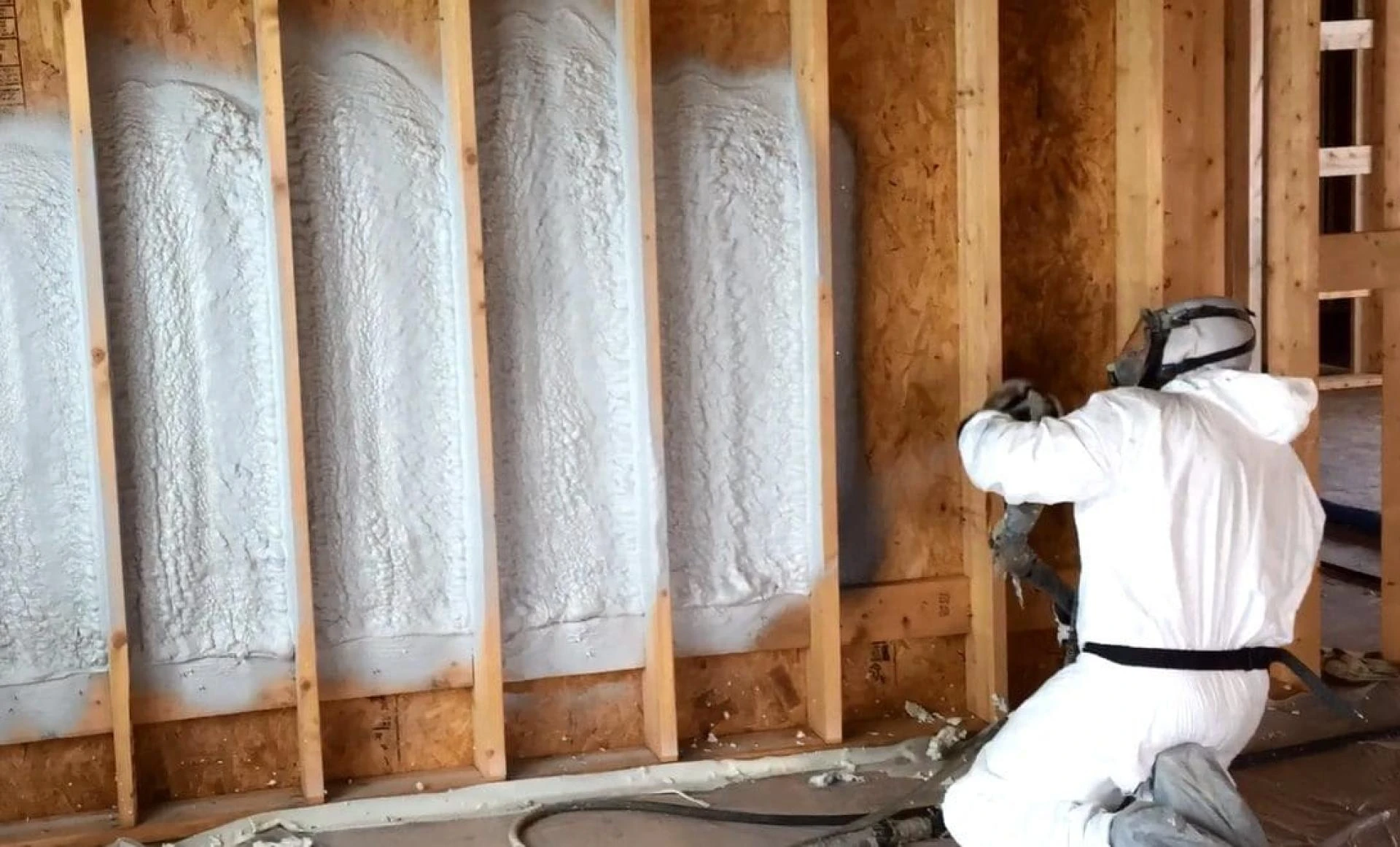
The primary reason for the switch is efficiency, not just in energy but in application and performance. Spray foam delivers three essential building envelope functions at once, a major advantage in large-scale commercial projects.
1. An Airtight Seal That Stops Wasted Dollars
In a commercial building, particularly large structures like warehouses, manufacturing plants, or retail spaces, air leakage is the number one source of energy waste. Some studies show it can account for 30-50% of a building's heating and cooling costs. The countless joints, seams, and structural penetrations in a commercial building are all potential leaks.
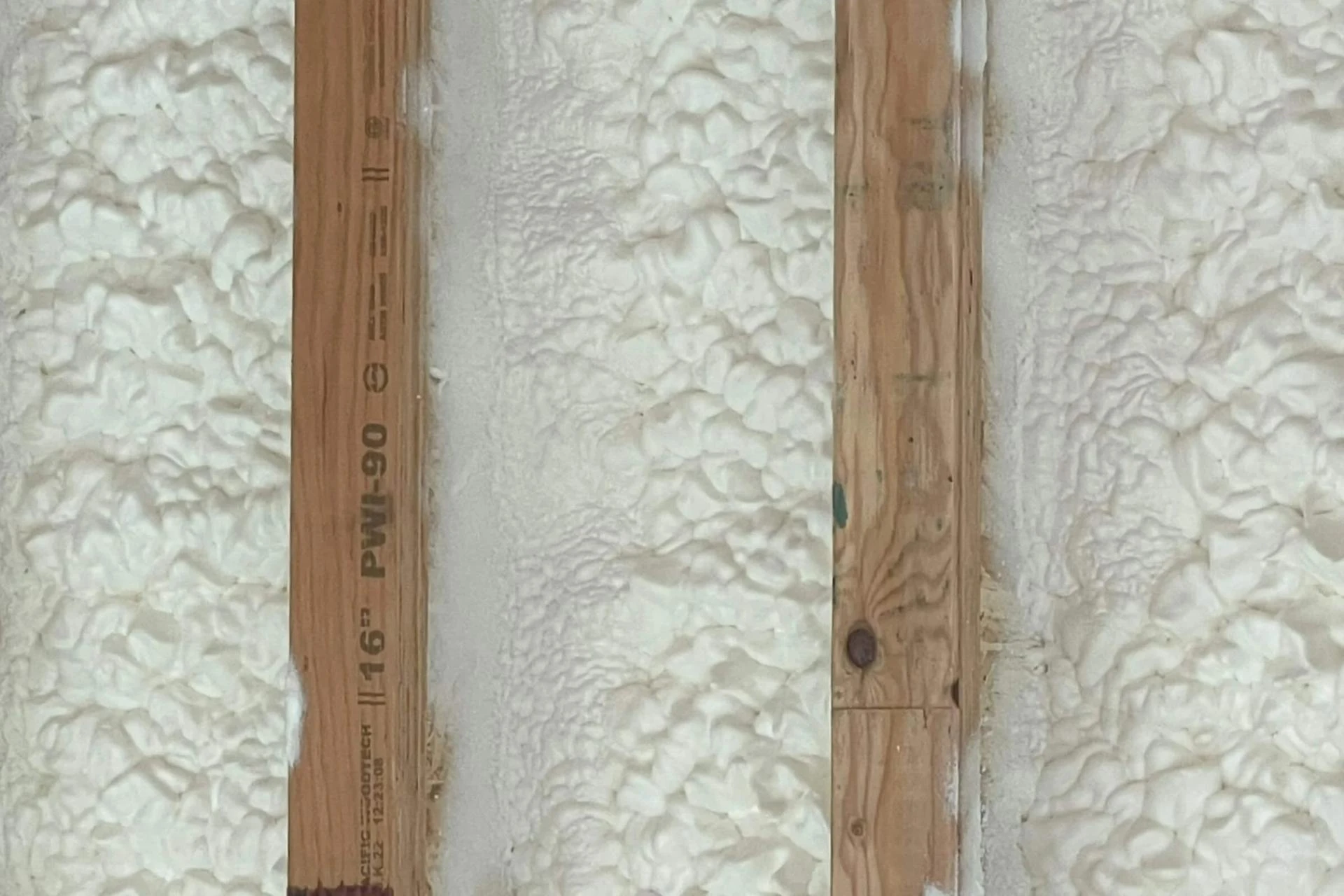
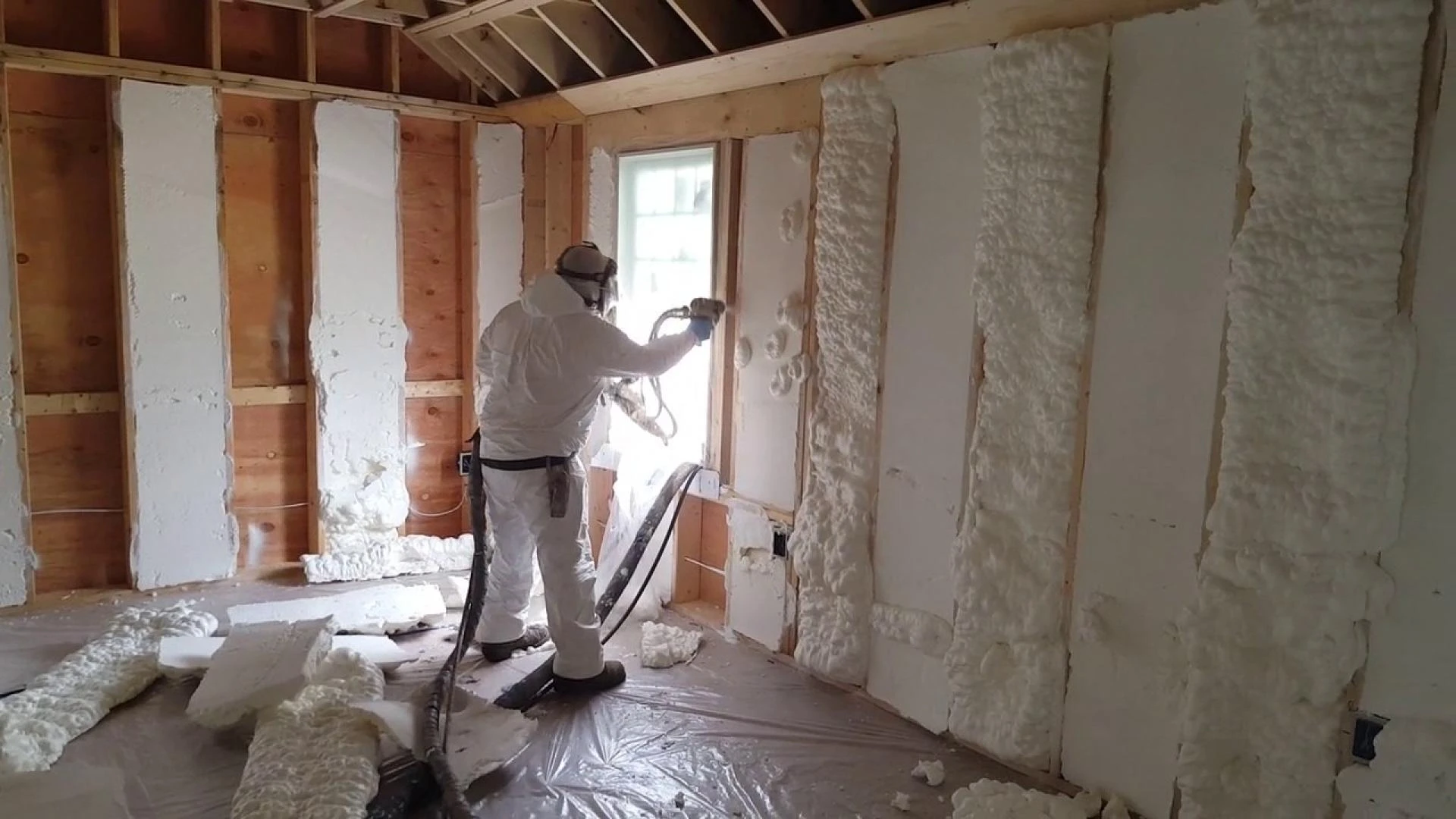
Spray foam is applied as a liquid that expands to fill every single one of those gaps, creating a continuous, joint-free air barrier. This stops the conditioned air that the business is paying to heat or cool from pouring outside. This immediately and dramatically reduces the run-time of the massive HVAC systems that are required to keep these large spaces comfortable, leading to a direct reduction in monthly utility bills.
2. A Powerful Moisture and Condensation Barrier
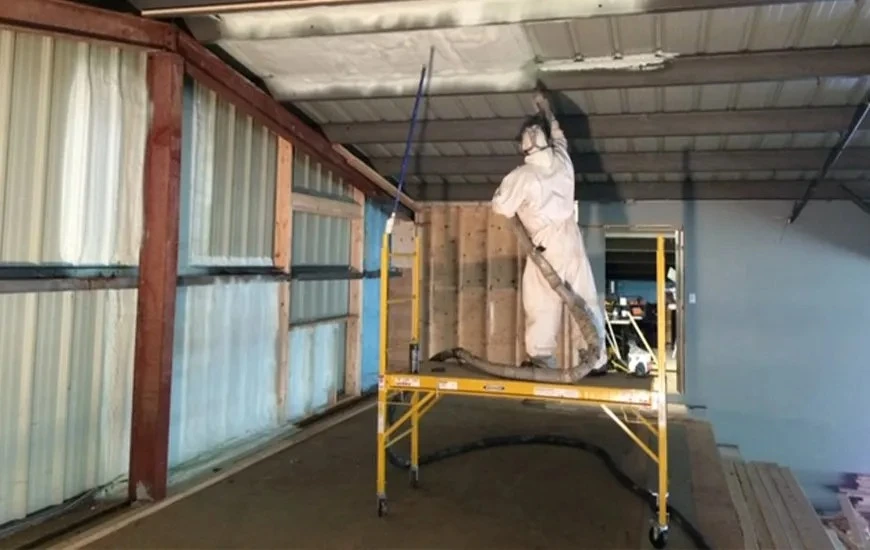
For a business, moisture is a major liability. It can damage inventory, corrode equipment, and lead to mold growth that can create health issues for employees and require expensive remediation. This is a huge problem in metal buildings, which are very common in commercial construction. When warm, humid indoor air makes contact with the cold metal skin of the building, condensation forms.
Closed-cell spray foam insulation is waterproof and acts as a vapor barrier. When applied to the interior of metal walls and roofs, it keeps the warm interior air from ever touching the cold metal, completely preventing condensation. This protects the building's steel structure from rust and its contents from water damage.
3. High-Performance Thermal Resistance
On top of its air and moisture control, spray foam is an excellent insulator. Closed-cell spray foam provides a very high R-value (typically R-6 to R-7 per inch). This high thermal resistance means that buildings can meet modern, stringent energy codes without requiring excessively thick walls or complex assemblies, which can save on construction costs.
A Seamless Solution for Commercial Roofs
One of the most compelling reasons for the switch is the advent of spray polyurethane foam (SPF) roofing systems. An SPF roof offers a seamless, durable, and highly insulated solution that stands apart from traditional roofing methods.
The system is created by spraying a layer of high-density closed-cell foam directly onto the roof deck. This layer is then protected with a tough, UV-resistant elastomeric coating. The result is a monolithic roof with no seams, joints, or fasteners, which are the failure points for 90% of all roof leaks. The foam is self-flashing, meaning it can be sprayed directly up and over parapet walls and around vents and pipes, creating a perfect seal.
The high insulation value is applied directly to the exterior of the building, where it is most effective at blocking solar heat gain. This, combined with a reflective white top coat, can reduce a building's cooling costs by 30% or more.
Bonus Tip: A major advantage for businesses with an aging flat or low-slope roof is that an SPF system can often be applied directly over the existing surface. This approach saves the enormous cost and business disruption of a full tear-off and disposal.
A Clear Comparison for Commercial Applications
When you compare the common options for insulating a commercial building, the advantages of a spray foam system become clear.
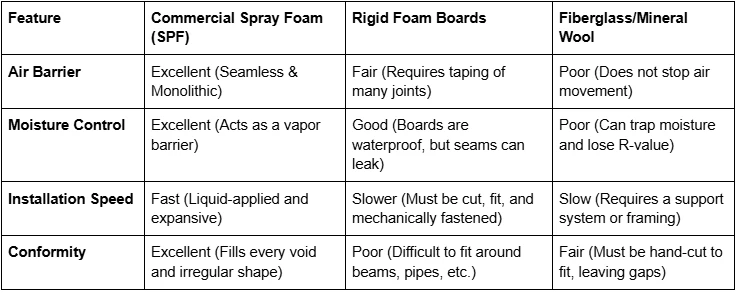
While the comparison highlights clear benefits, a successful commercial project requires careful planning.
Things for a Business Owner to Consider
Making the switch to spray foam on a commercial scale involves some high-level planning.
The Contractor Is the Most Critical Decision
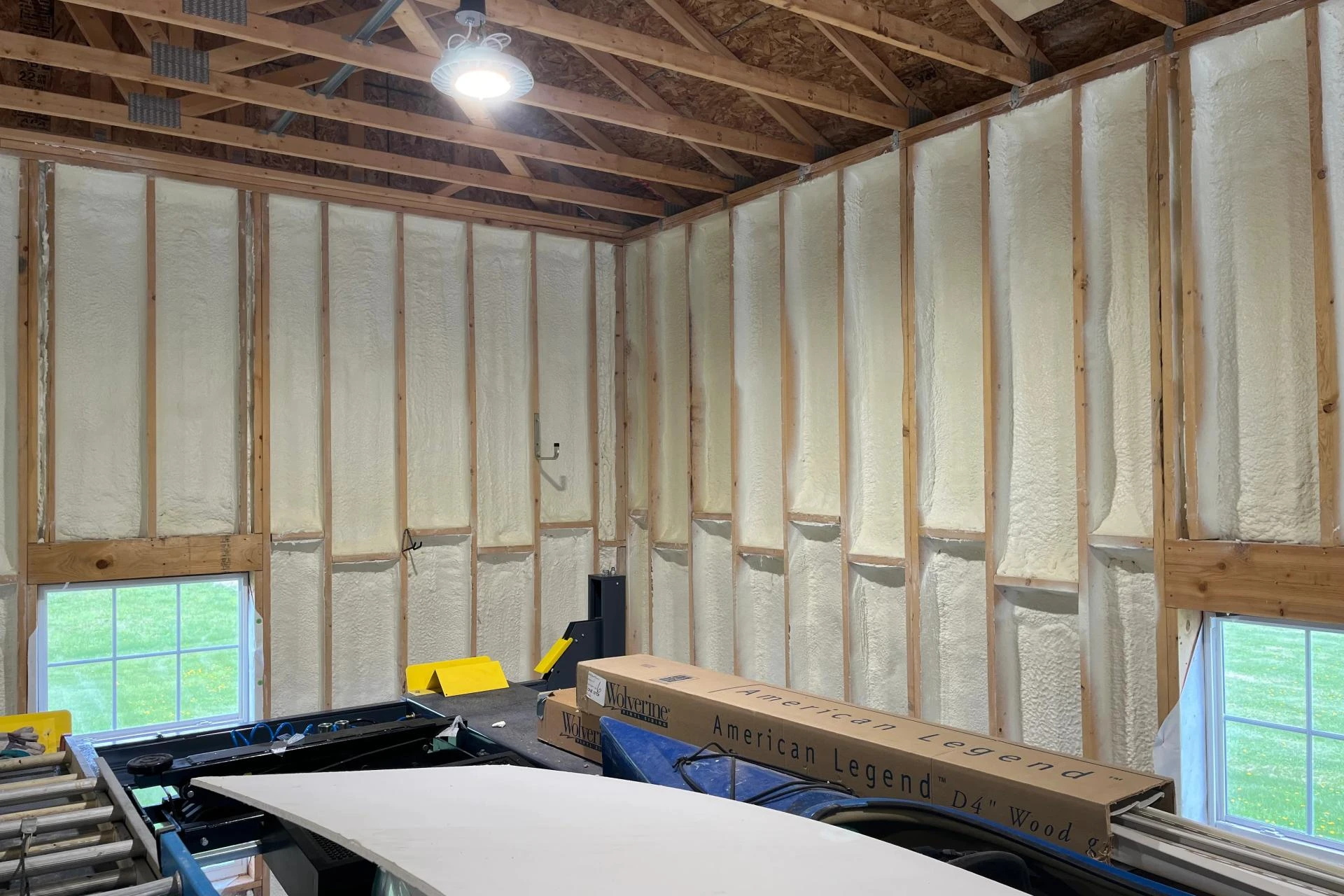
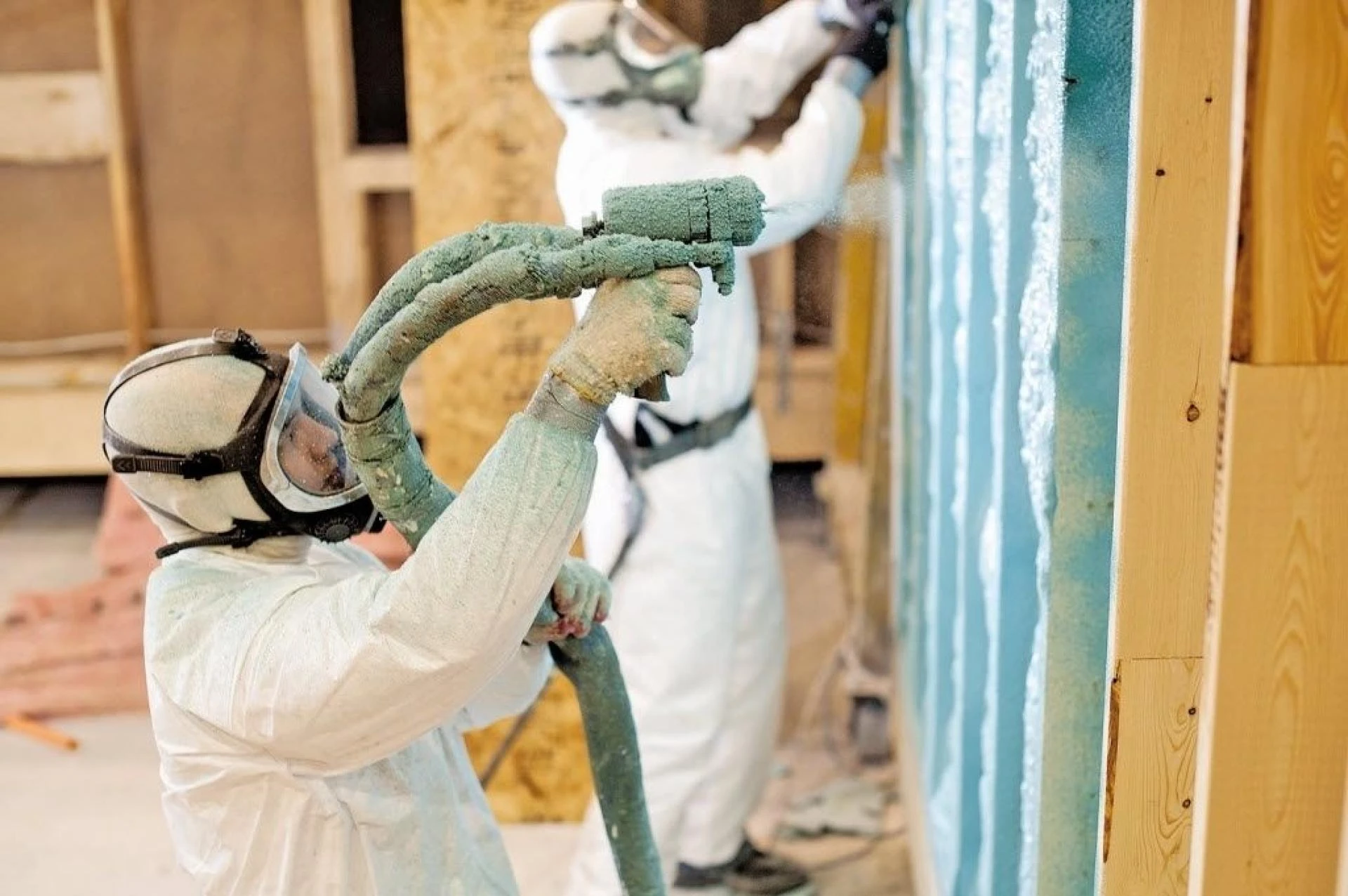
On a large commercial project, the insulation contractor's experience, equipment, and professionalism are paramount. This is not a job for a residential crew. Commercial-grade spray foam rigs are complex, powerful machines, and the crews must be highly trained in safety and large-scale application techniques. A business owner or general contractor should perform extensive due diligence on any potential installer.
Bonus Tip: Ask for a contractor's specific commercial experience, including project size and type. Request references from other facility managers or business owners and ensure they have the proper insurance and certifications (like from the SPFA) for commercial work.
Minimizing Business Disruption
Spray foam application is a process that requires a clear and protected work area. All personnel, sensitive equipment, and inventory must be moved or thoroughly covered to protect from overspray. This requires careful planning and coordination with the business's operational schedule. Experienced commercial contractors are skilled at working in phases, after hours, or during planned shutdowns to minimize disruption.
Code Compliance Is Non-Negotiable
Spray foam is a foam plastic and, like all such materials, has strict fire code requirements. In most commercial buildings, it must be separated from the interior space by a thermal barrier like drywall or, if left exposed in a space like a warehouse, it must be covered with a special fire-retardant paint known as an intumescent coating. A qualified commercial contractor will be an expert on these codes and will include this in their scope of work.
Questions People Ask About Commercial Spray Foam
Here are some common questions from business owners and property managers.
Is the investment in spray foam really worth it?
For most commercial properties, the investment is absolutely worth it. The energy savings alone typically provide a return on investment in just a few years. When you factor in the added benefits of moisture control and building durability, the long-term value is extremely compelling.
How does spray foam affect employee comfort?
By eliminating drafts and creating a consistent temperature throughout the workspace, it can significantly improve employee comfort. This can have a positive, if indirect, impact on productivity.
We have a food processing/storage facility. Is it safe?
Yes, specific types of spray foam and coatings are approved by the USDA for use in food-safe environments. It's an excellent choice for these facilities because the seamless, non-porous surface is easy to clean and does not support mold growth.
Our building is old. Can spray foam be used as a retrofit?
Spray foam is an excellent choice for retrofits. It's one of the most effective ways to upgrade the performance of an older, leaky commercial building. Its ability to conform to irregular surfaces and seal cracks makes it ideal for retrofits.
Does it help reduce outside noise?
Yes, its dense, airtight nature is very effective at dampening sound transmission from the outside, which can be a great benefit for offices or commercial spaces located near busy roads or industrial areas.
A Smart Decision for a Modern Business
Business owners are switching to commercial spray foam because it is a smart, forward-thinking investment. It moves a building from being a simple structure to being a high-performance asset. By drastically cutting a major operational cost, protecting the building and its contents, and improving the working environment, it provides a clear competitive advantage that starts with a professional evaluation.
Getting a Professional Commercial Building Assessment
The first step in understanding the potential ROI for your property is a professional evaluation. An experienced commercial insulation contractor can conduct a thorough assessment, analyze your building's specific needs, and provide a detailed proposal that outlines the costs and projected savings. For business owners seeking this type of analysis, companies such as Raleigh Excel Spray Foam Insulation specialize in commercial projects. They can be reached at (919) 301-9435 or via email at [email protected] to schedule a consultation.
Reviewer: With nearly a decade in the spray foam insulation field, William Harris reviewed this post and provided guidance that reflects both technical understanding and real-world marketing experience.

























Sign in to leave a comment.