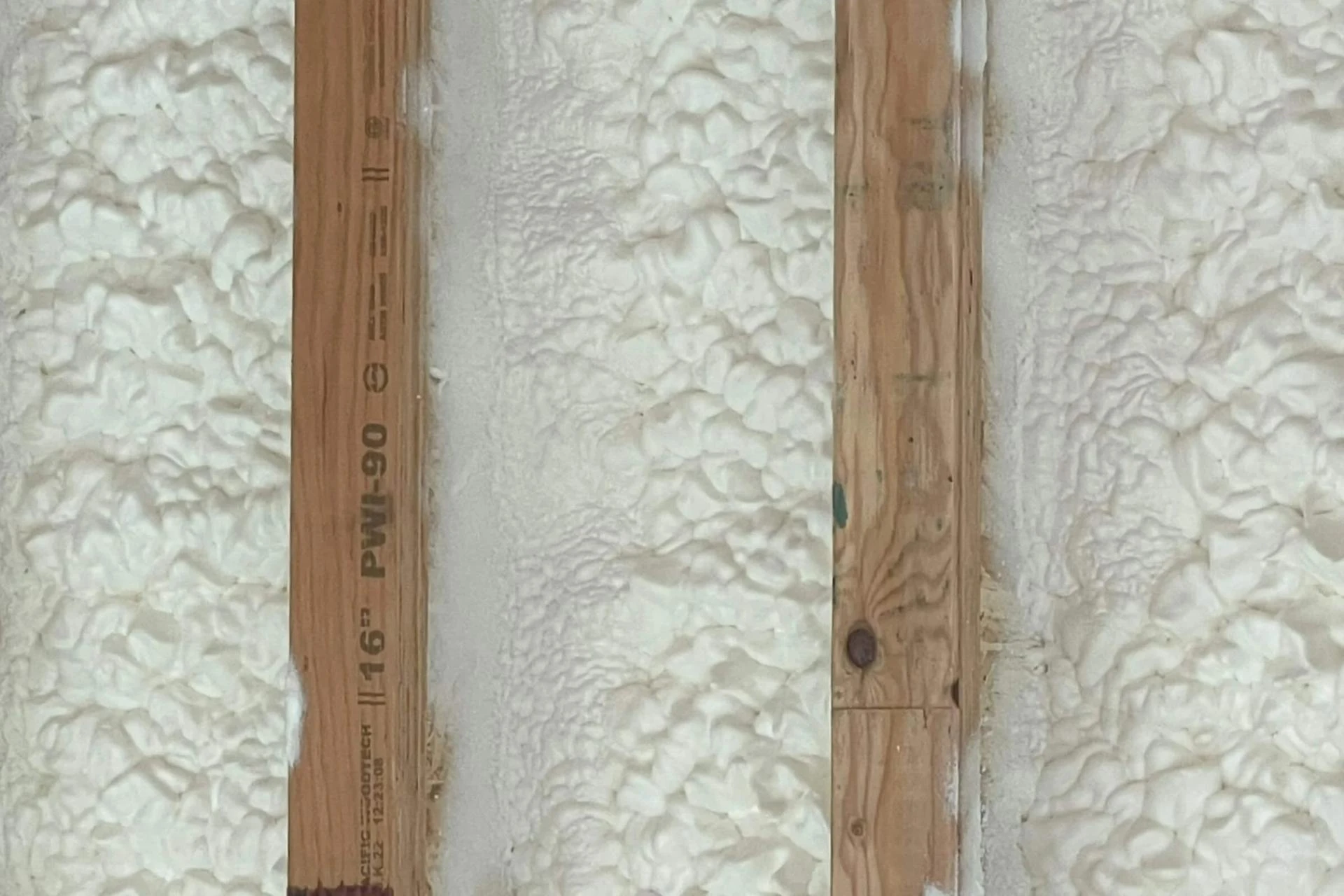

The future looks bright for open-cell spray foam insulation because it delivers two of the most sought-after features in modern home construction, energy efficiency and acoustic comfort, in an increasingly eco-friendly and cost-effective package. As building science evolves, open-cell foam is being recognized not just as a cheaper alternative to closed-cell foam, but as a specialized product with unique advantages. Its ability to create a superior air seal, combined with its exceptional sound-dampening qualities and the use of water as a blowing agent, positions it as a forward-thinking choice for builders and homeowners alike.
This article will explore the specific characteristics that make open-cell spray foam a standout performer for the homes of tomorrow. Drawing on the experience of building science professionals, we'll look at where it excels, how it has evolved, and why its future in residential construction is so promising.
An Eco-Conscious Evolution
One of the biggest reasons for open-cell foam's bright future is its environmental profile. Modern open-cell spray foams are "water-blown." This means that the chemical reaction that causes the foam to expand uses water as the blowing agent. This is a significant step forward from older chemical blowing agents that had higher impacts on the atmosphere. The result is a product with a very low Global Warming Potential (GWP) and zero Ozone Depletion Potential (ODP).
As homeowners and builders become more environmentally conscious, the demand for materials that perform well without a heavy ecological footprint will only increase. Open-cell foam's ability to dramatically reduce a home's energy consumption over its lifetime, combined with its gentle manufacturing process, makes it a very attractive option for sustainable building.
The Power of a Perfect Air Seal
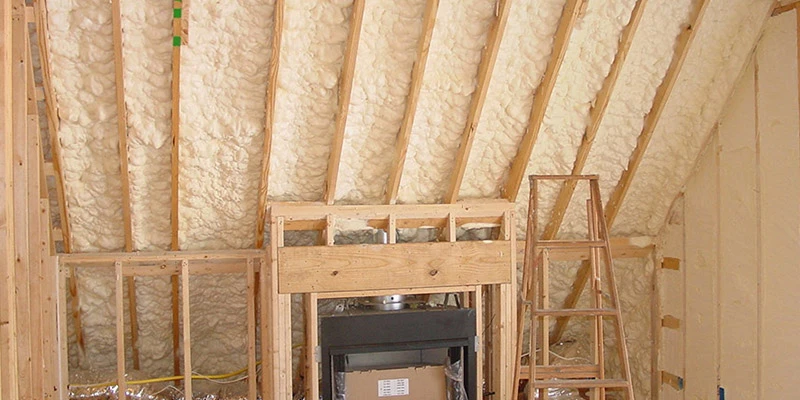
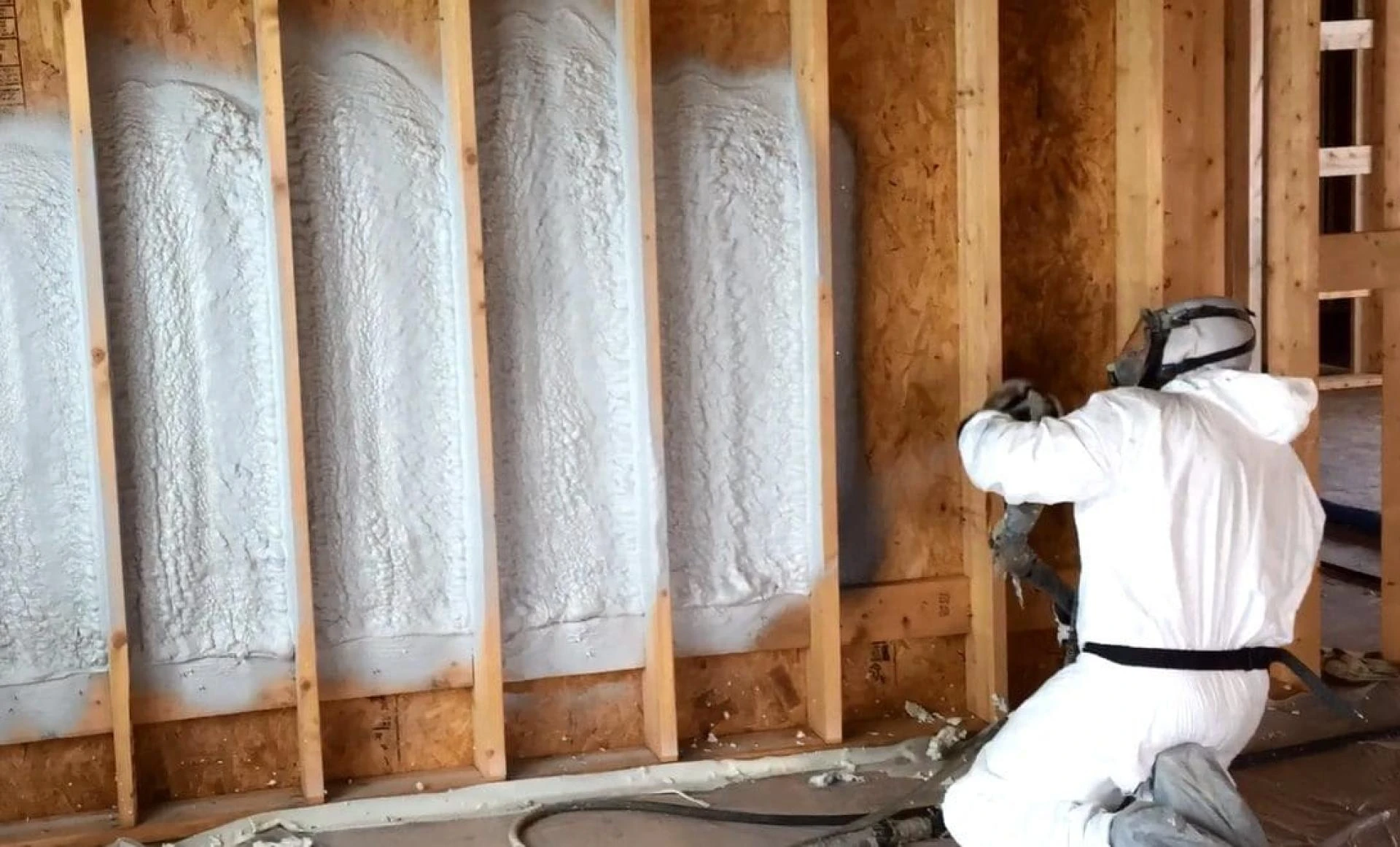
While its R-value is lower than closed-cell foam (typically around R-3.8 per inch), open-cell foam's greatest strength is its ability to create a near-perfect air barrier. When applied, it expands up to 100 times its liquid size, flowing into every crack, crevice, and odd-shaped cavity before it cures. This creates a monolithic seal that stops air leakage, which is the primary source of energy loss and discomfort in a home.
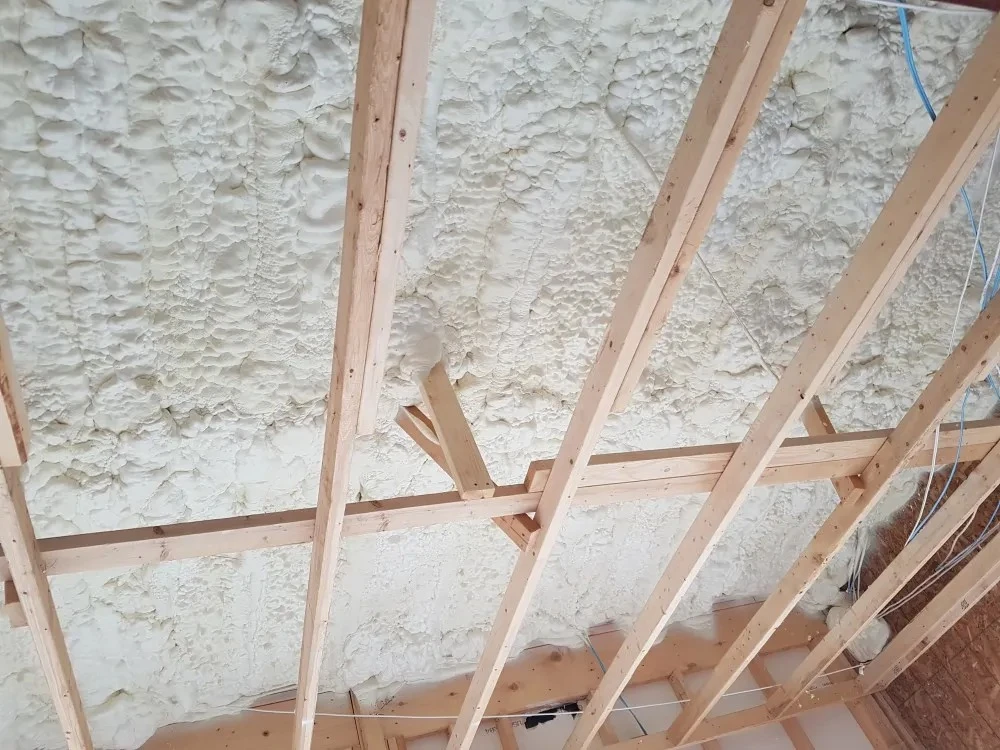
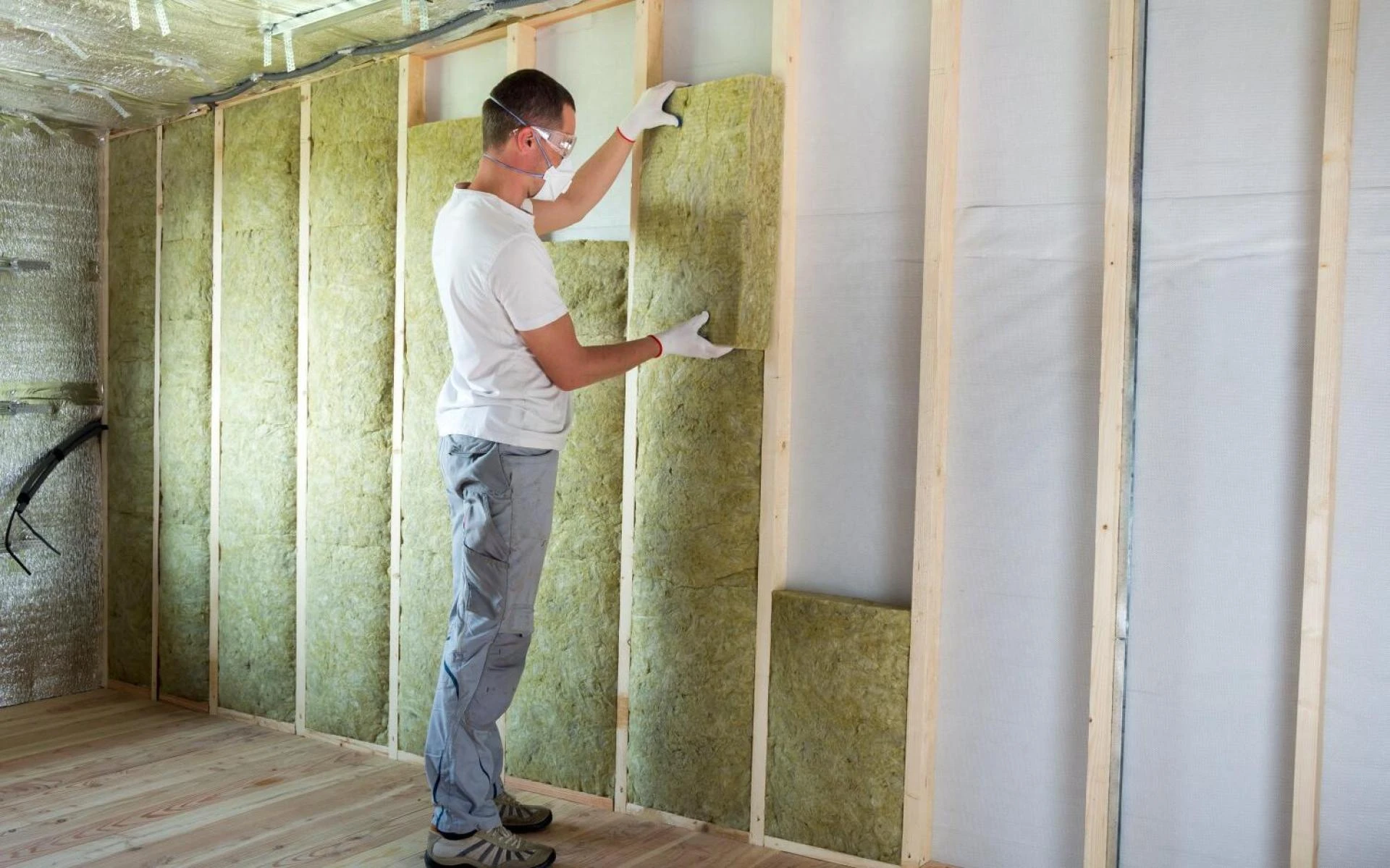
This air-sealing quality of professional open-cell spray foam insulation is what sets it apart from traditional insulation like fiberglass or cellulose, which can't stop air movement on their own. By eliminating drafts and uncontrolled air exchange, open-cell foam allows a home's HVAC system to operate far more efficiently. This performance, often at a lower price point than closed-cell foam, makes high-efficiency homes accessible to a wider range of budgets.
The Unmatched Champion of Sound Control
A quiet, peaceful home is a core part of modern living, and this is where open-cell foam truly shines. Its soft, flexible, and porous structure makes it an exceptional sound absorber. Think of it like the acoustic panels in a recording studio. The "open" cells trap sound waves and dissipate their energy, effectively deadening noise.
This makes it an ideal choice for:
- Media rooms and home theaters: It creates an immersive audio experience and prevents sound from bothering the rest of the house.
- Interior walls: It insulates between bedrooms, bathrooms, and laundry rooms for added privacy.
- Floors: It reduces the sound of footsteps and conversations between stories.
While closed-cell foam is dense and good at blocking sound, open-cell's ability to absorb it is superior. For homeowners who prioritize a quiet environment, open-cell foam is often the best choice.
Bonus Tip: During a new build or major renovation, adding open-cell foam to interior walls around noisy areas like laundry rooms or plumbing stacks is a relatively low-cost upgrade that provides a massive improvement in daily comfort.
A Strategic Approach to Moisture
Unlike its rigid counterpart, open-cell foam is vapor-permeable, meaning water vapor can pass through it. While this makes it unsuitable for certain applications (like basements or flood-prone areas), it can be a strategic advantage in others. If a small roof leak were to occur in a sealed attic insulated with open-cell foam, the water would likely pass through the foam and reveal itself as a wet spot on the ceiling below. This allows the homeowner to identify and fix the leak quickly. In contrast, closed-cell foam, being a vapor barrier, could potentially trap that water between the foam and the roof deck, hiding the leak for a longer period and possibly leading to rot.
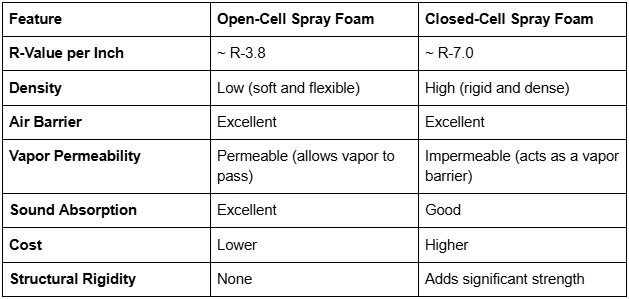
Open-Cell vs Closed-Cell at a Glance
This table provides a clear comparison of the two main types of spray foam, highlighting where open-cell's unique properties make it the right choice.
Things to Consider Before Making a Decision
Open-cell foam's future is bright, but it's not a universal solution. It's a specialized product, and choosing it requires understanding where it fits best.
Application and Climate are Key
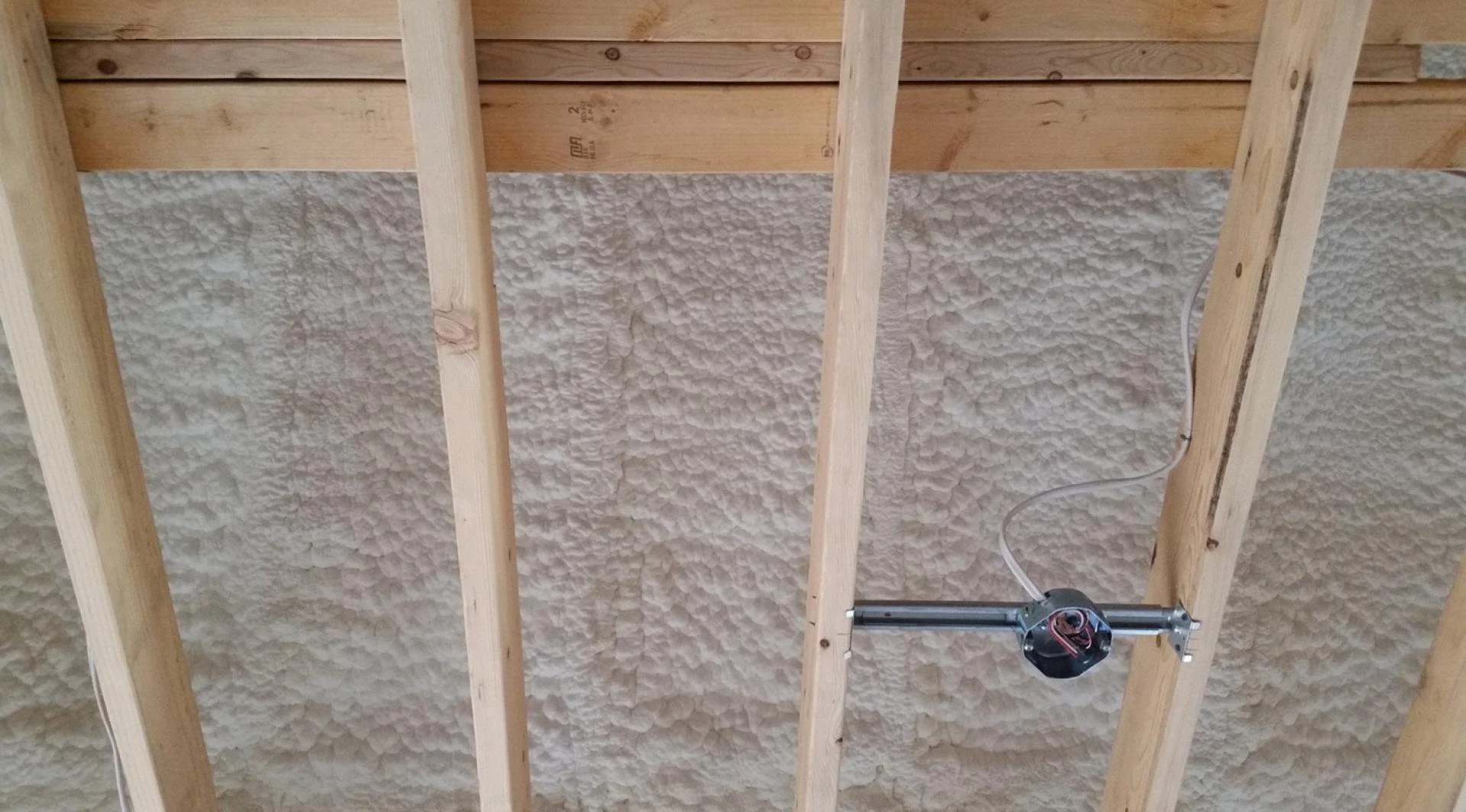
Open-cell foam should not be used in any application where it might come into direct contact with water, such as below-grade in a basement or in a flood zone. Because it can hold water like a sponge, it's the wrong choice for these areas. It performs best in above-ground applications like exterior walls and sealed attic rooflines, especially in mixed or dry climates.
The Installer is the Manufacturer
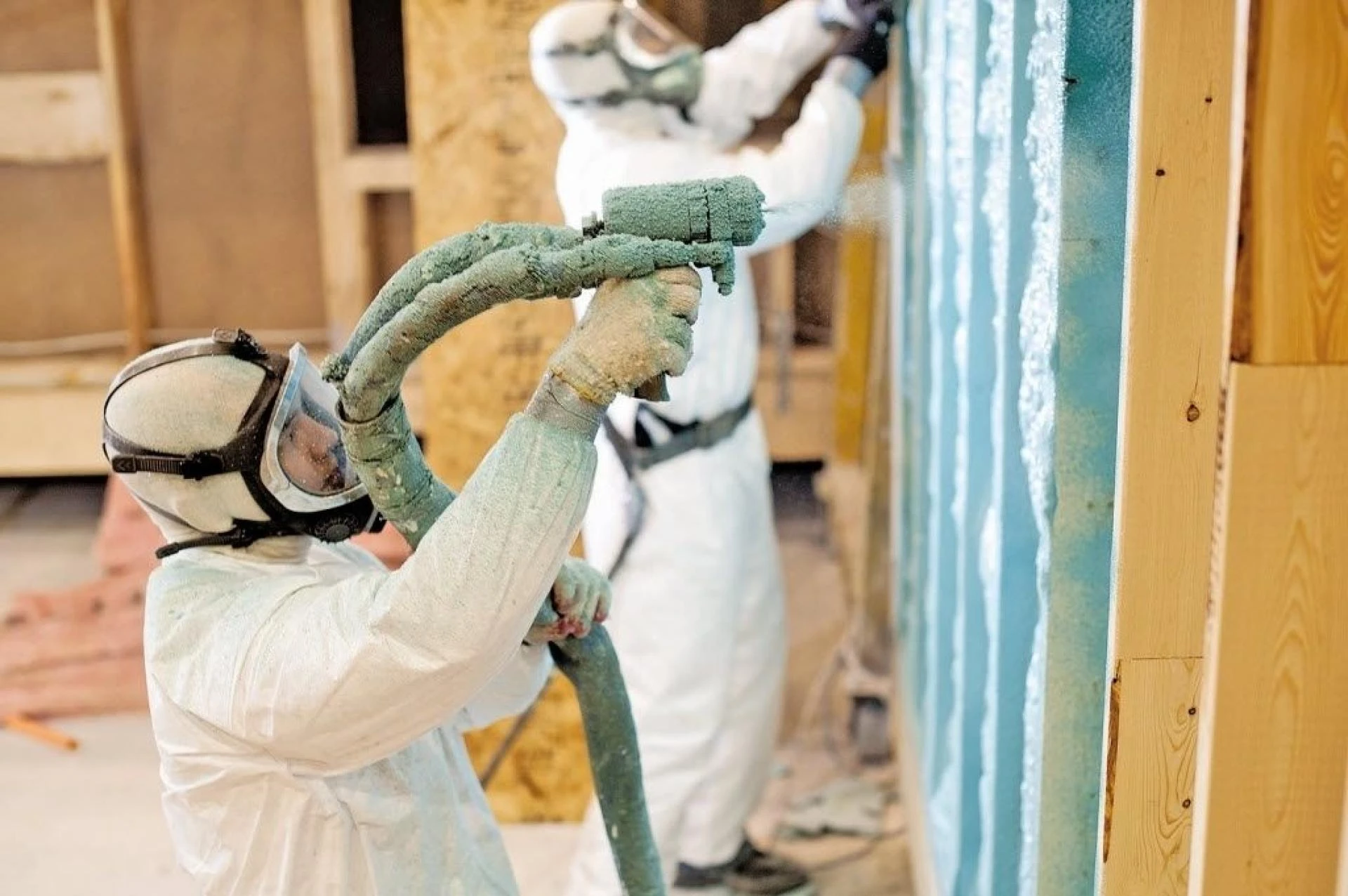
A critical point to understand about any spray foam product is that the material is manufactured on site, in your home. The final quality is entirely in the hands of the installation crew. A professional spray foam contractor is non-negotiable. They will ensure the chemical ratio is correct, the substrate is properly prepared, and all safety protocols are followed.
Bonus Tip: A great strategy for many homes is a hybrid approach. Use the more robust, waterproof closed-cell foam on the foundation walls of the crawl space to handle ground moisture, and use the more cost-effective and sound-dampening open-cell foam on the roof deck to create a sealed attic.
It's Part of a Larger System
Because open-cell foam creates such a tight air seal, the home's ventilation strategy becomes very important. A well-sealed home may need mechanical ventilation to ensure a steady supply of fresh, healthy air for its occupants. A professional insulation contractor can help evaluate if this is necessary.
Questions People Ask About Open-Cell Foam
Here are answers to some of the common questions homeowners have about this specific type of insulation.
Does open-cell foam smell?
Like all spray foams, there is an odor during the application and curing process, which is why the area must be well-ventilated and unoccupied. Once fully cured (typically within 24 hours), the foam is inert and should have no odor.
Can open-cell foam be used on metal buildings?
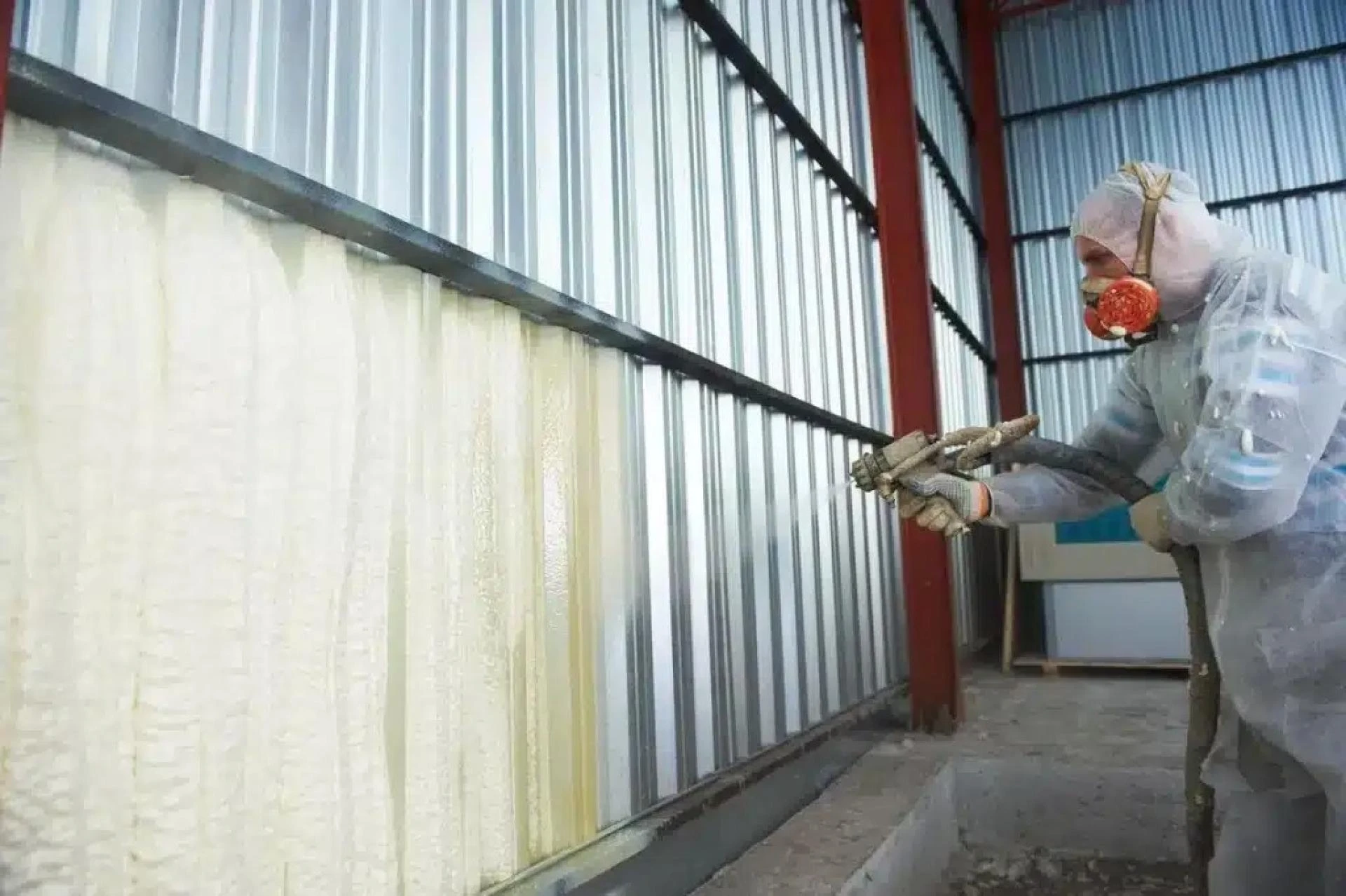
Yes, it is often used in metal structures like barndominiums or workshops. Its ability to adhere to the metal panels and stop condensation makes it a very effective solution for these buildings.
Is it a good choice for retrofitting an older home?
Absolutely. Its ability to expand and fill irregular cavities makes it ideal for older homes that have settled and are full of drafts. It's a great way to air seal an old, leaky attic.
Will it support the growth of mold?
The foam itself is an inert plastic and does not provide a food source for mold. However, because it can hold water if it gets wet, any moisture source (like a leak) must be fixed to prevent mold growth on the surrounding organic materials like wood.
How thick does it need to be?
The required thickness depends on the local building codes and the desired R-value. For example, to meet a common code requirement of R-38 in an attic, you would need about 10 inches of open-cell spray foam.
A Bright and Quiet Future
The future of open-cell spray foam is bright because it perfectly aligns with the priorities of the modern homeowner: energy efficiency, acoustic comfort, and environmental responsibility. As a high-performance air barrier that also provides exceptional sound dampening, all at an accessible price point, it offers a combination of benefits that few other insulation materials can match. For anyone building a new home or planning a major renovation, it represents a smart, forward-thinking investment in long-term comfort and performance.
Getting a Professional Consultation
While the benefits are clear, deciding if open-cell spray foam is the right choice for a specific project requires a professional evaluation. An expert can assess the home's design, climate, and the homeowner's specific goals to recommend the best solution. For those seeking this kind of guidance, a company like Raleigh Excel Spray Foam Insulation can provide a detailed consultation. They can be reached by phone at (919) 301-9435 or by email at [email protected] to discuss project details and help plan for a more efficient and quieter future.
Reviewer: With nearly a decade in the spray foam insulation field, William Harris reviewed this post and provided guidance that reflects both technical understanding and real-world marketing experience.























Sign in to leave a comment.