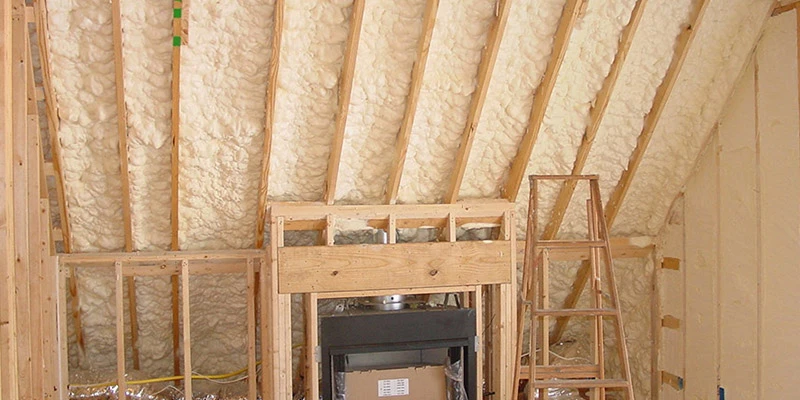

Yes, open-cell spray foam is a highly effective tool for keeping pests out of homes, but it works by sealing their entry points, not by acting as an impenetrable physical barrier. It’s important to understand that spray foam is not a pesticide and offers no chemical repellency. Its power comes from its ability to expand and create a complete air seal, closing off the countless tiny cracks and gaps that insects and small rodents use as their highways into a house. By eliminating these pathways, open-cell foam forms a powerful first line of defense in a comprehensive pest management strategy.
Understanding the science behind this "pest exclusion" method reveals why open-cell spray foam insulation is a superior choice compared to traditional insulation for keeping unwanted guests out. The information is based on established principles of integrated pest management (IPM) and the real-world experience of home performance professionals.
The Strategy of Pest Exclusion
The most effective and sustainable way to control pests is not to deal with them once they are inside, but to prevent them from getting in in the first place. This is the core principle of pest exclusion. Most pests, from tiny ants to resourceful mice, get into homes through existing openings in the building's exterior shell. A mouse can squeeze through a hole the size of a dime, and many common insects can get through even smaller gaps.
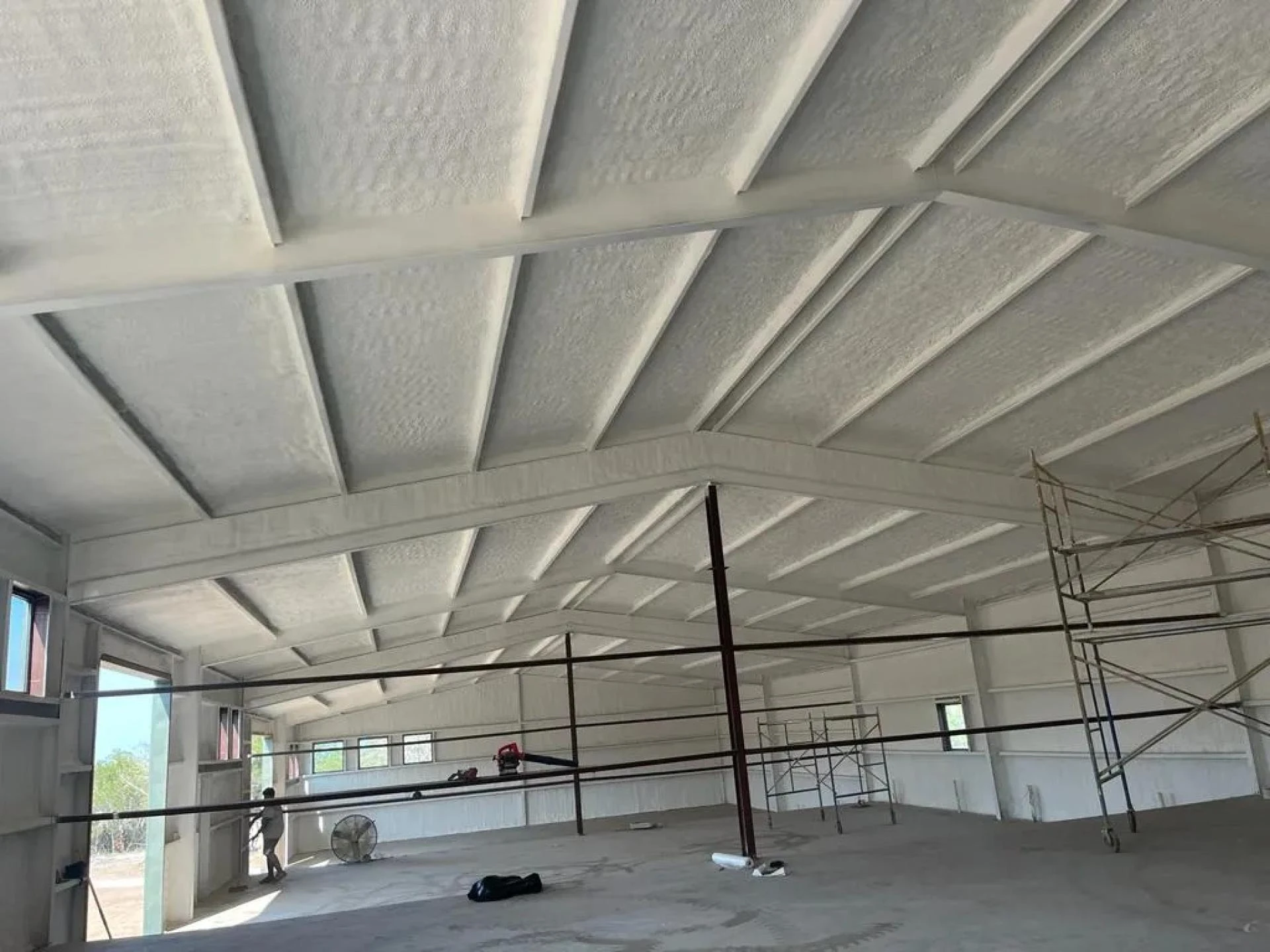
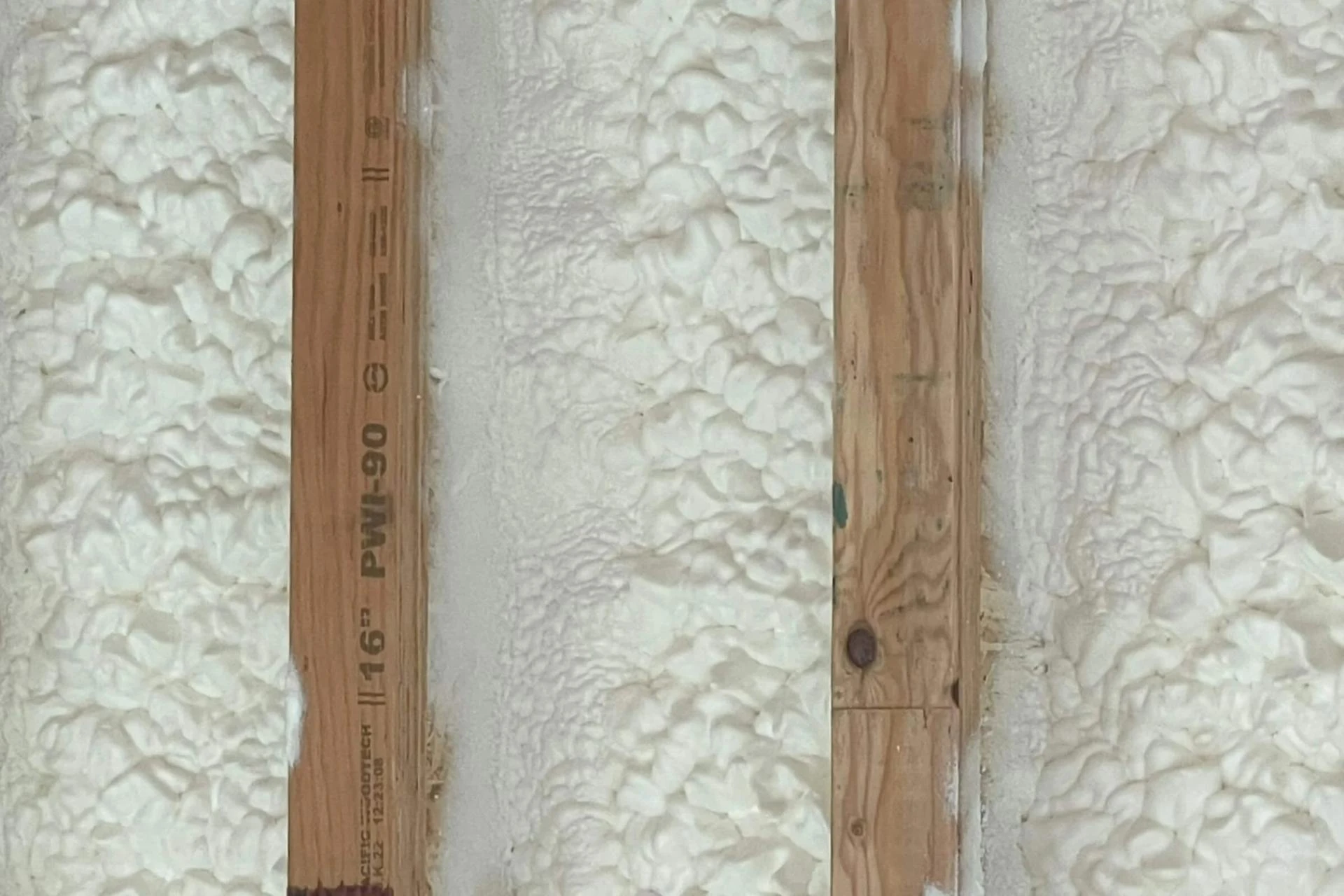
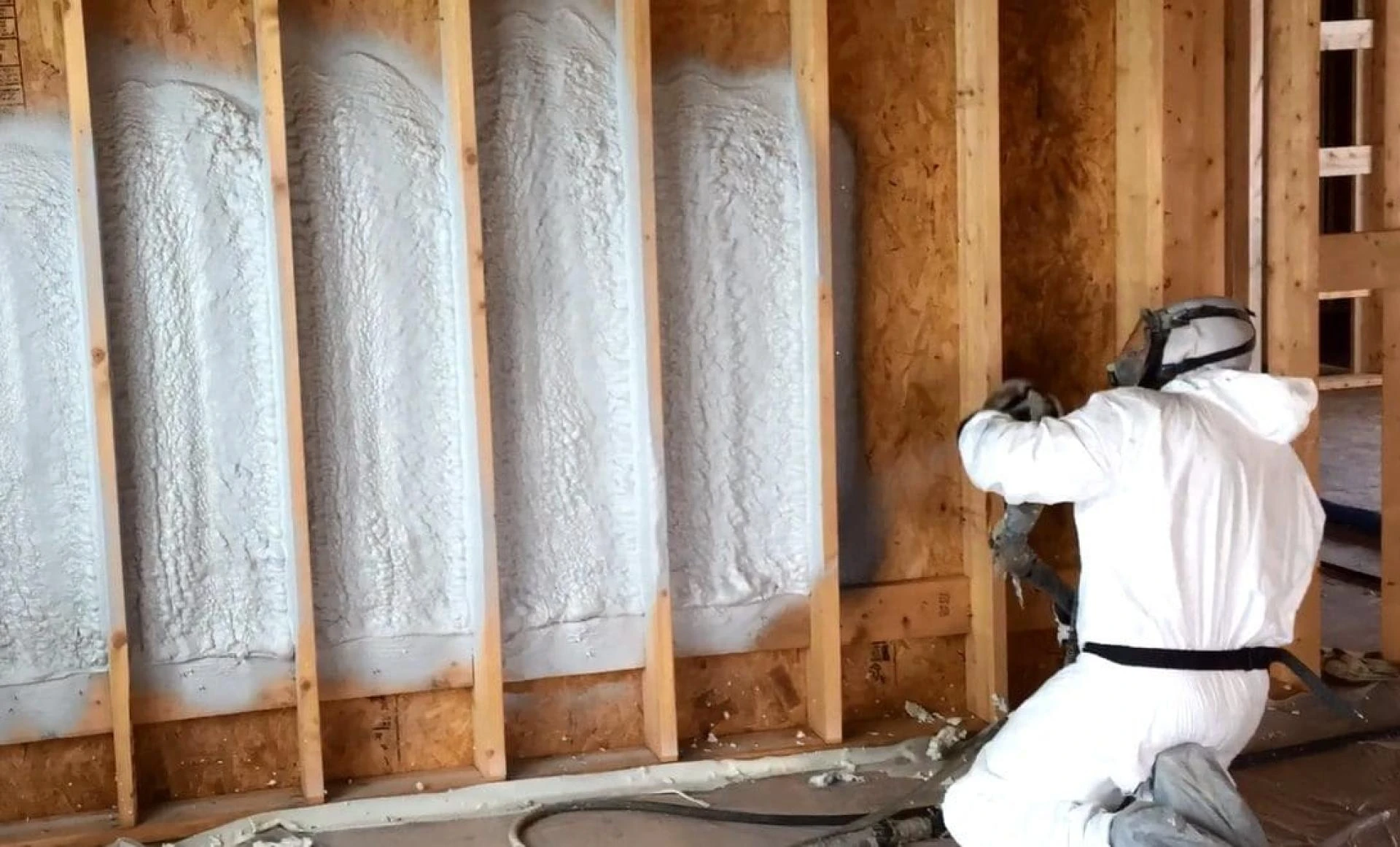
A home is full of these potential entry points, particularly at the foundation level, where the wood framing meets the concrete, and around any penetrations for pipes, wires, and vents. Open-cell spray foam is uniquely suited to solve this problem. It is applied as a liquid that expands up to 100 times its volume, flowing into every nook and cranny before it cures. This creates a continuous, custom-fit seal that permanently closes off these pest pathways.
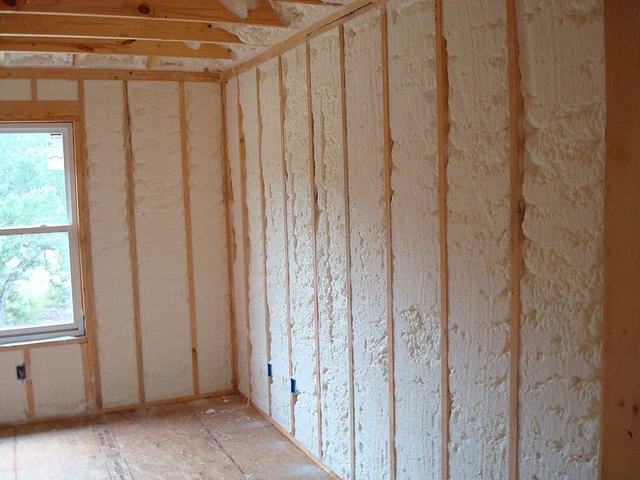
Why Open-Cell Foam Outperforms Traditional Insulation
When it comes to pest control, not all insulation materials are created equal. The key differences lie in their ability to stop air movement and their desirability as a nesting material.
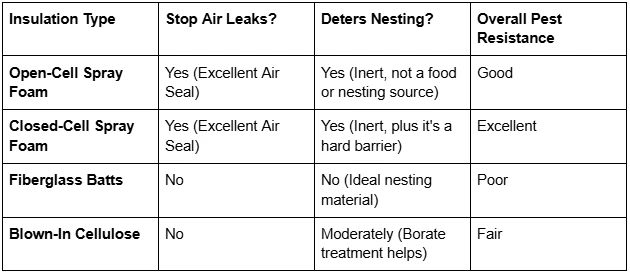
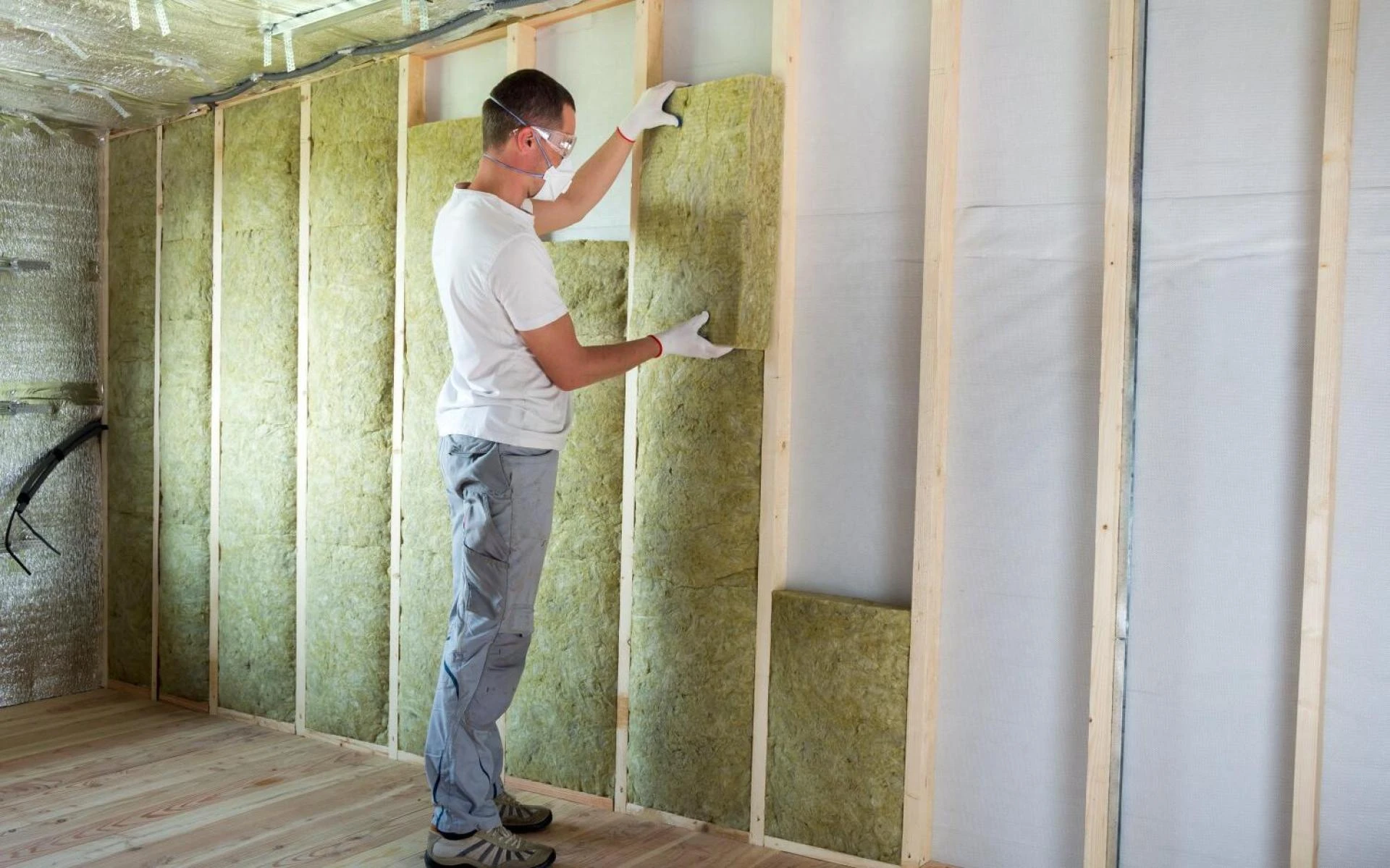
Traditional insulation like fiberglass is a major liability when it comes to pests. Rodents and insects can move through it with ease, and its soft, fibrous nature makes it an ideal material for them to build nests in. Open-cell spray foam, on the other hand, is an inert plastic. It offers no food value, and its structure is not something pests recognize as a suitable home. While it is soft enough that a trapped and determined rodent could theoretically tear through it, its primary benefit is that it seals the easy entry points, so the rodent never gets that far in the first place.
The Added Benefits of an Air-Sealed Home
The excellent air seal provided by open-cell foam does more than just keep pests out. It is also the key to a more comfortable and energy-efficient home. By stopping uncontrolled air leakage, it keeps your conditioned air inside and the extreme North Carolina weather outside. This can dramatically reduce the workload on your HVAC system, leading to significant savings on your monthly energy bills.
Open-cell foam is also an exceptional sound-dampening material. Its soft, porous structure is great at absorbing airborne noise. This means a home insulated with open-cell foam is not only better protected from pests and more energy-efficient, but it's also a much quieter and more peaceful place to live.
Bonus Tip: In the Raleigh area, a damp, vented crawl space is a major entry point for both pests and moisture. Encapsulating a crawl space, which often involves insulating the foundation walls with spray foam, is one of the most effective ways to make an entire home healthier and more pest-resistant.
Things to Consider Before Using Foam for Pest Control
While the benefits are clear, getting the best results from an open-cell foam installation means homeowners should keep a few important points in mind.
- You Must Address Existing Infestations First: Spray foam is a preventative measure, not a pest removal service. If you have an active infestation of termites, rodents, or other pests, you must have a professional pest control company resolve the issue completely before you insulate. Sealing pests inside your walls is a recipe for much bigger problems.
- Know Your Target Pest: Open-cell foam's air-sealing quality is extremely effective against the vast majority of common household pests that crawl in through small gaps. For larger, more destructive pests like rats, which can chew through a wide range of materials, the harder, more rigid closed-cell foam may be a better choice as it provides a tougher physical barrier.
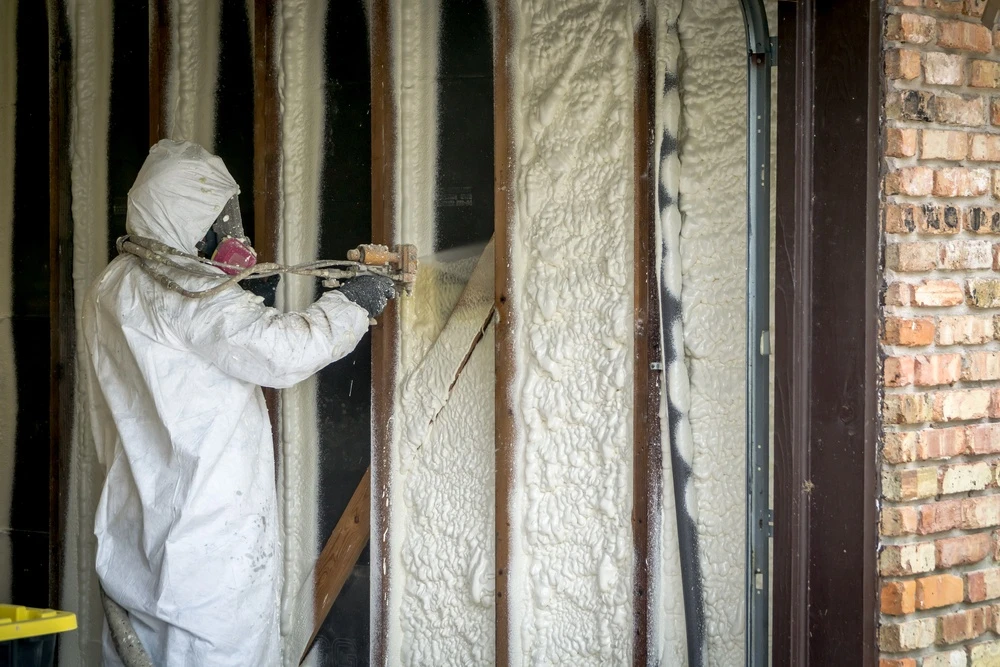
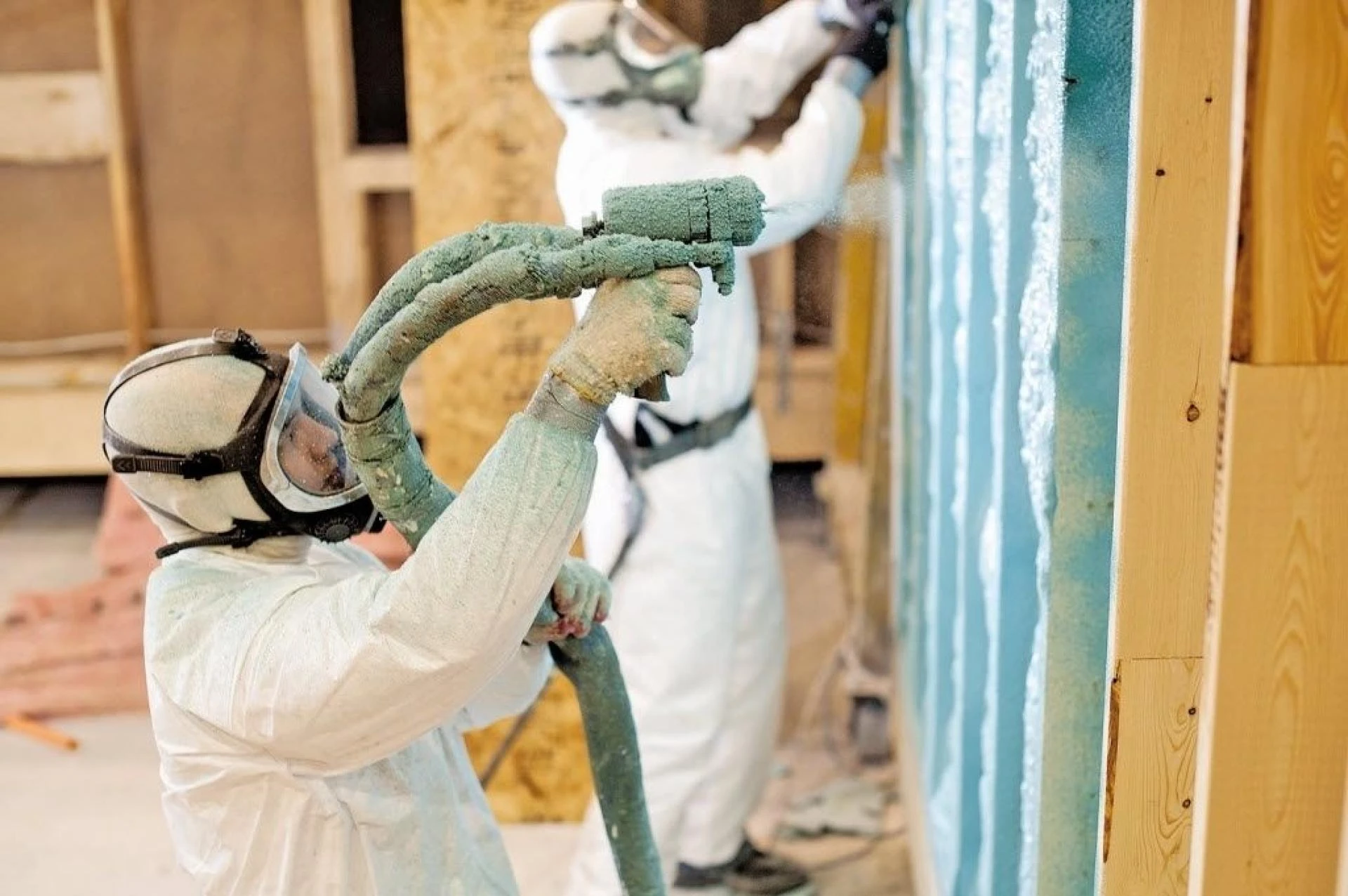
- Professional Installation is Essential: The pest-blocking benefit of the foam is entirely dependent on achieving a perfect, 100% air seal. This is not a DIY job. A certified professional is trained to identify all the common and hidden areas of air leakage and has the specialized equipment to apply the foam correctly, ensuring a complete and effective seal.
Questions Homeowners Ask About Open-Cell Foam and Pests
Do termites eat open-cell spray foam?
No. Termites do not eat plastic. Spray foam has no food value for them. However, they can tunnel through it to get to the wood of your home. This is why building codes in termite-prone areas require a small "inspection gap" to be left near the foundation, so their tunnels remain visible.
Is open-cell foam better than closed-cell foam for keeping pests out?
Closed-cell foam is generally considered the superior product for pest exclusion because it is both an excellent air seal and a hard, rigid physical barrier. However, open-cell foam is still a very good deterrent and is far superior to traditional insulation.
I have mice in my attic. Will insulating with open-cell foam get rid of them?
No. You must have the mice professionally removed and their entry points identified and sealed first. Then, the new insulation will help prevent them from ever coming back.
What if I need to run a new cable through a wall with open-cell foam?
This is one of the advantages of open-cell foam. Because it is soft and flexible, an electrician or cable installer can easily fish a new wire through it. This is much more difficult with the dense, hard structure of closed-cell foam.
How does sealing my house affect my indoor air quality?
It improves it. By stopping the uncontrolled infiltration of dusty, pollen-filled air from your attic and crawl space, you are breathing cleaner air. A modern, airtight home should have a controlled mechanical ventilation system to provide a steady supply of fresh, filtered air.
A Key Part of a Modern Pest Control Plan
Open-cell spray foam insulation professionals is a powerful and permanent tool in the fight against household pests. By addressing the root of the problem, the entry points, it creates a home that is fundamentally more resistant to invasion. While it should be part of a larger integrated pest management strategy, it provides a built-in, passive defense system that also happens to make the home more comfortable, quiet, and energy-efficient.
Get a Professional Pest Exclusion Assessment
For homeowners in the Raleigh area who are tired of the constant battle with pests, a professional insulation assessment can be an eye-opening experience. An expert can identify the hidden pathways that pests are using to enter your home and explain how a modern insulation system can seal them off for good. The team at Raleigh Excel Spray Foam Insulation specializes in creating sealed, high-performance homes. They can be reached for a detailed evaluation by email at [email protected] or by phone at (919) 301-9435.
Reviewer: With nearly a decade in the spray foam insulation field, William Harris reviewed this post and provided guidance that reflects both technical understanding and real-world marketing experience.

























Sign in to leave a comment.