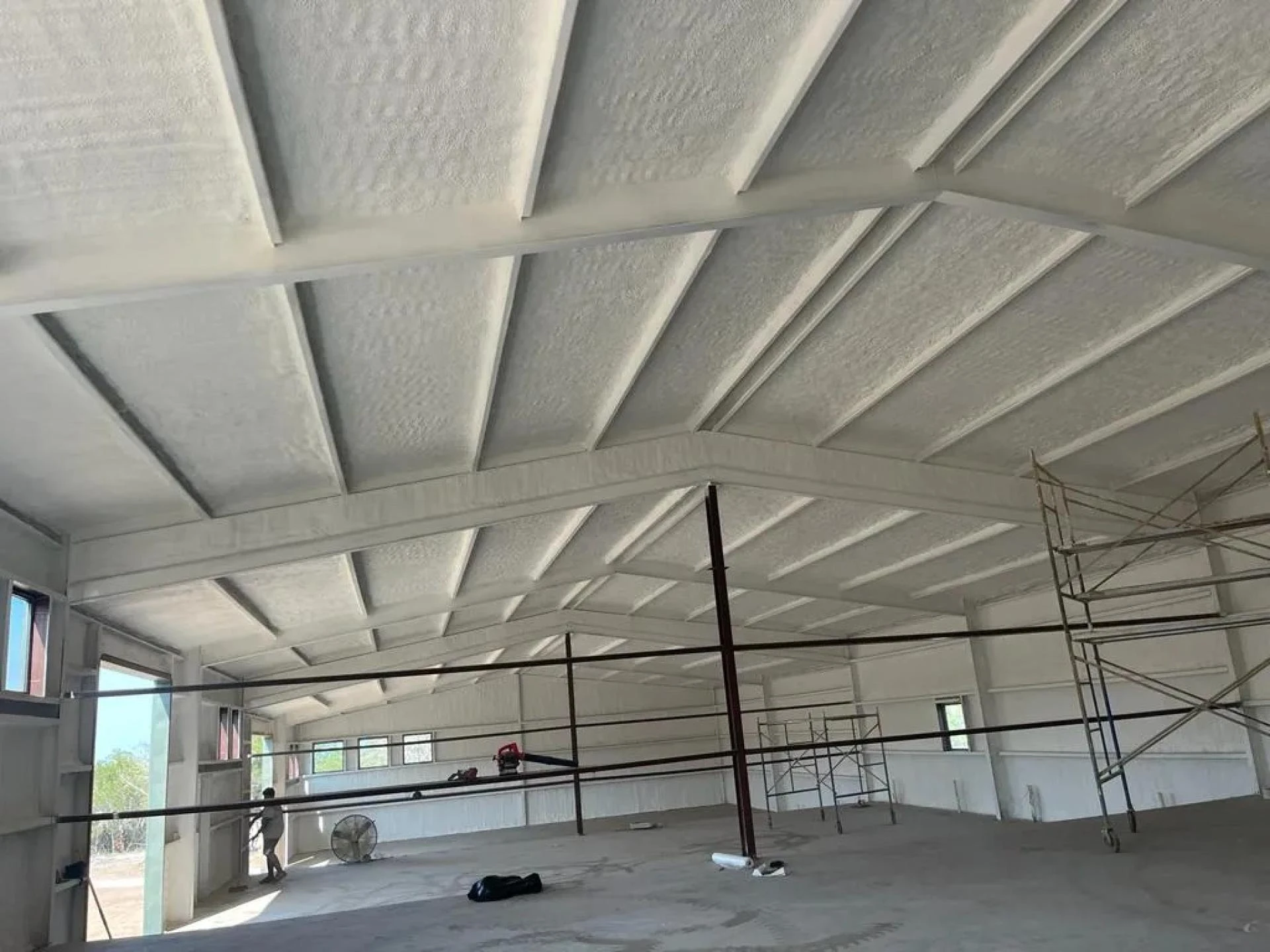

Commercial insulation, particularly closed-cell spray foam, creates a powerful moisture and air barrier. It achieves this by forming a completely seamless, monolithic layer that adheres directly to the building's structure. This is a critical function for commercial buildings insulation, as uncontrolled air leakage and moisture intrusion are two of the biggest threats to a building's energy efficiency, durability, and indoor air quality. By stopping the movement of air, the foam prevents the infiltration of hot, humid air that drives up cooling costs. At the same time, its waterproof and vapor-impermeable structure stops the moisture that can lead to condensation, rust, and mold. This integrated, all-in-one approach is what makes it such an effective and popular solution for modern commercial construction.
Understanding the science behind how this powerful barrier works reveals why it is so essential for the long-term performance of a commercial property. This information comes from the practical, hands-on experience of building science professionals who specialize in creating high-performance commercial spaces.
The Critical Need for an Air Barrier in Commercial Buildings
Most commercial buildings, especially large structures made of steel or concrete block, are inherently full of air leaks. Gaps and cracks at the joints between wall panels, where the walls meet the roof deck, and around loading dock doors can add up to a massive amount of uncontrolled air exchange.
The Financial Cost of Air Leakage
This constant air leakage is a major financial drain. In a hot, humid climate, it means the building is constantly being flooded with hot, moisture-laden air. This puts an enormous load on the air conditioning system, forcing it to run almost continuously. The HVAC unit has to work overtime not only to cool the air but also to remove the massive amount of humidity that is coming in. This is a primary driver of the high utility bills that are one of the largest operating expenses for many businesses.
The Destructive Threat of Moisture
Beyond the direct financial costs, moisture is the single biggest enemy of a commercial building's long-term durability. It can lead to a host of expensive and dangerous problems.
The Science of Condensation
In a commercial building, condensation is a major and often hidden threat. It occurs when warm, moist air comes into contact with a surface that is cold enough to be at or below the "dew point." In the winter, this can happen when the warm, humid air inside a heated warehouse hits the cold interior surface of the metal roof. In the summer, it can happen when hot, humid outside air leaks into the wall and hits a cooler, air-conditioned surface.
This condensation can lead to:
- Corrosion: In steel buildings, this is a major problem. The constant moisture can cause the structural steel purlins and girts to rust and corrode, which can compromise the building's integrity over time.
- Mold and Mildew: Condensation creates the perfect environment for mold growth, which can damage inventory, create an unhealthy environment for employees, and require expensive remediation.
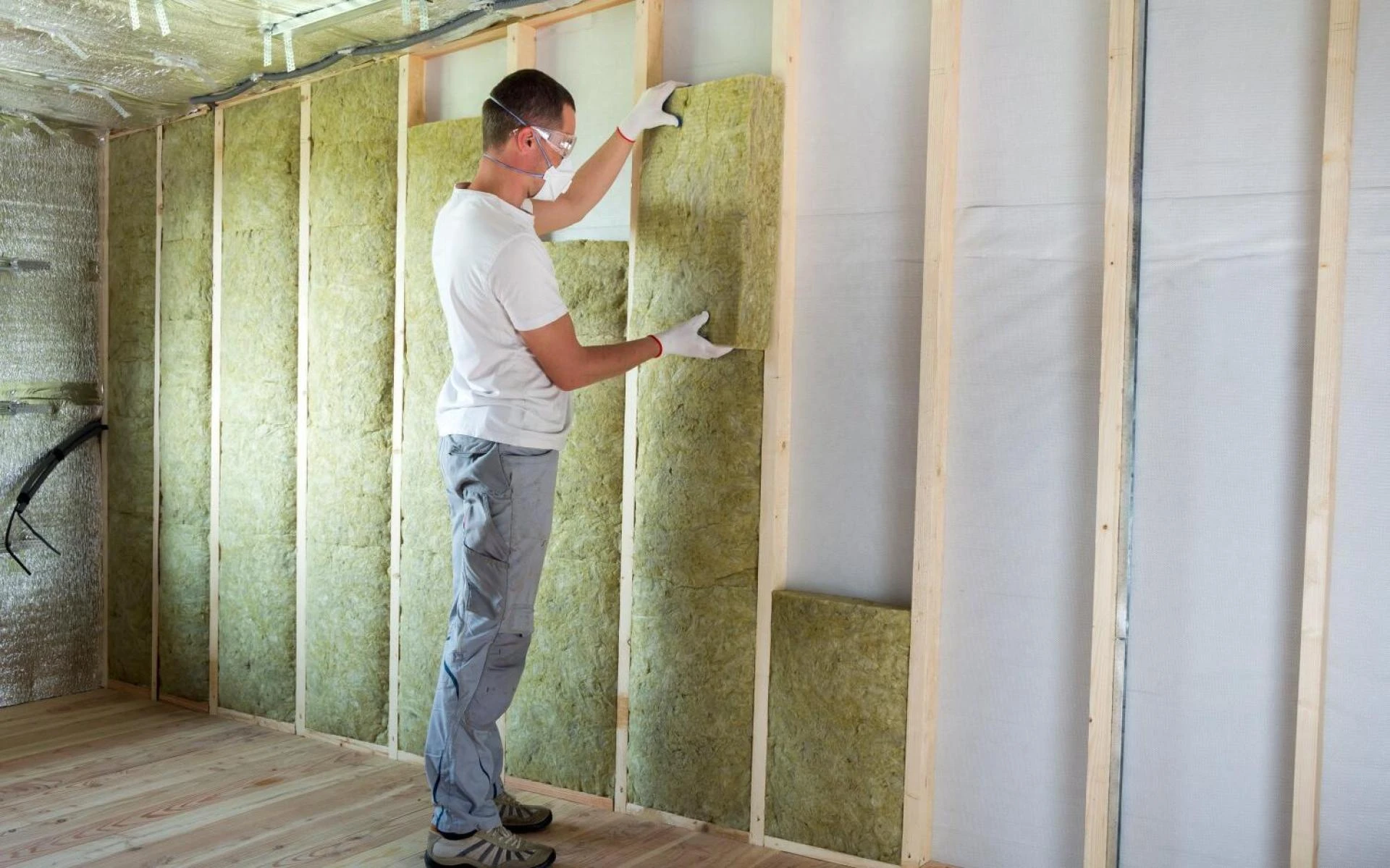
- Reduced Insulation Performance: Traditional insulation like fiberglass blankets can become damp from condensation, which causes them to lose their insulating value and become ineffective.
How Commercial Spray Foam Provides a Complete Solution
Commercial-grade closed-cell spray foam is unique in that it is a single product that can solve all of these problems at once.
A Monolithic and Permanent Air Barrier
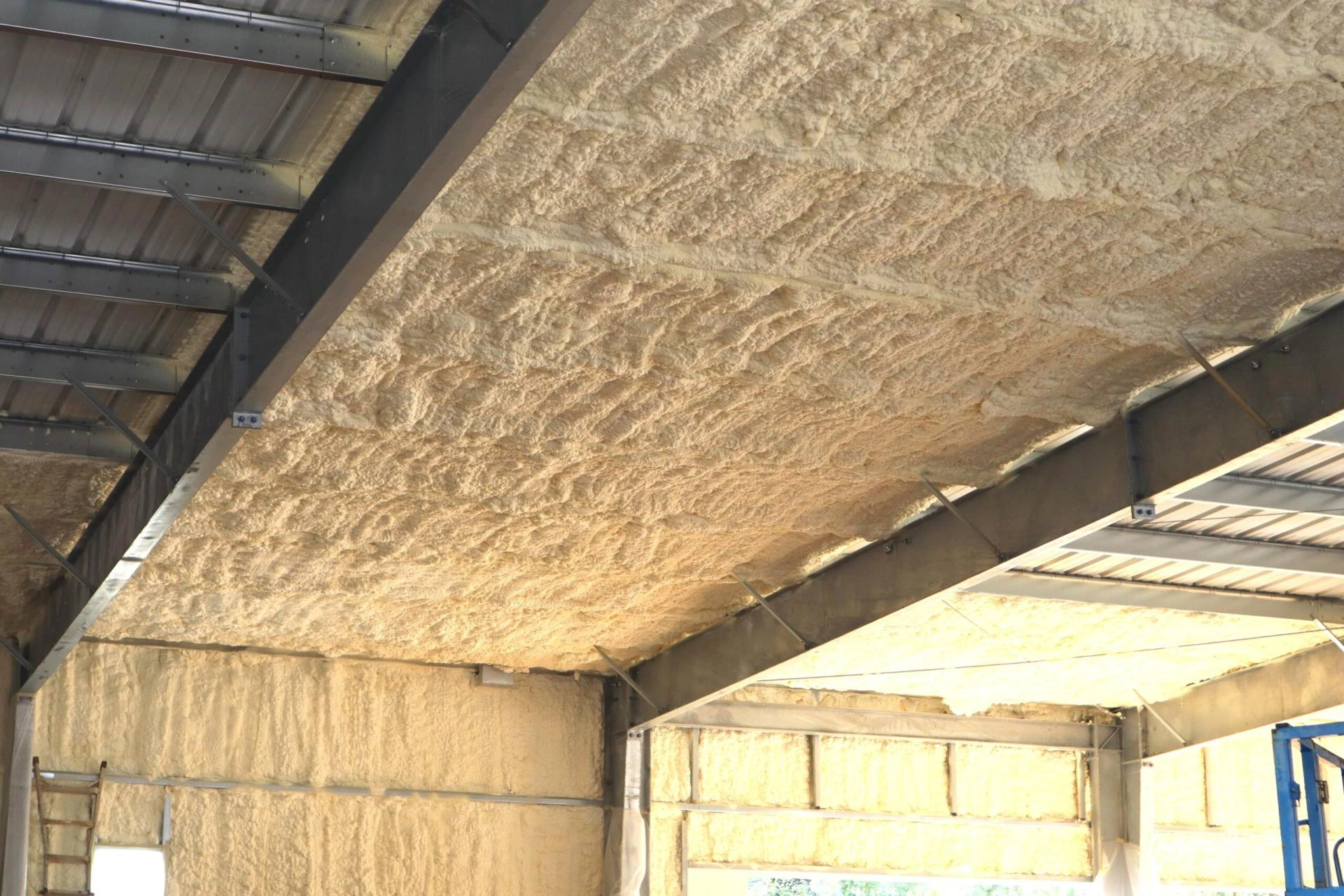
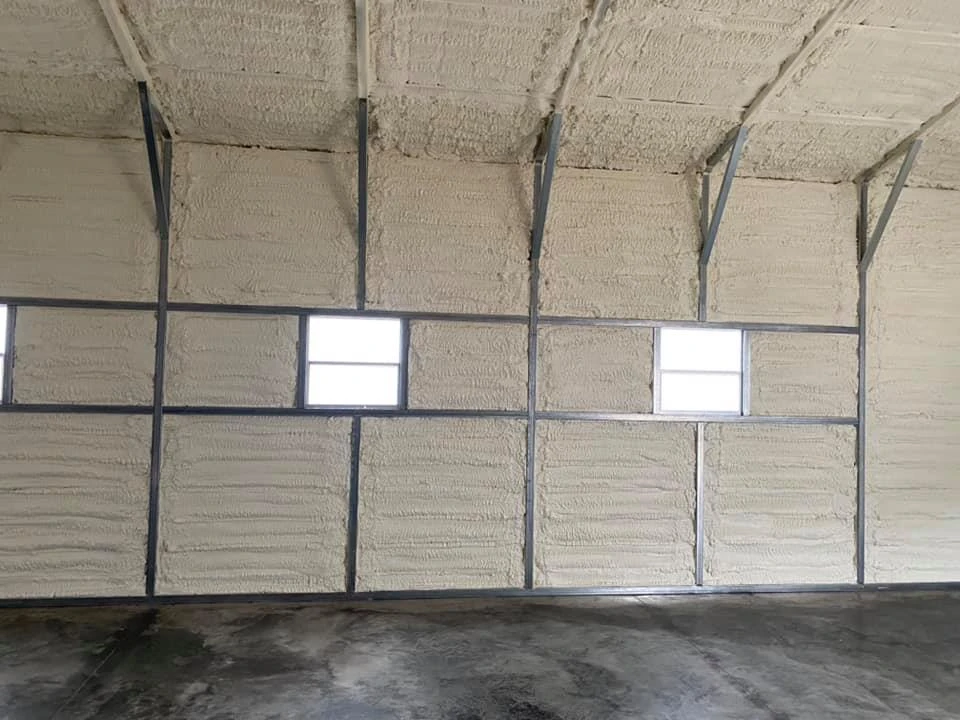
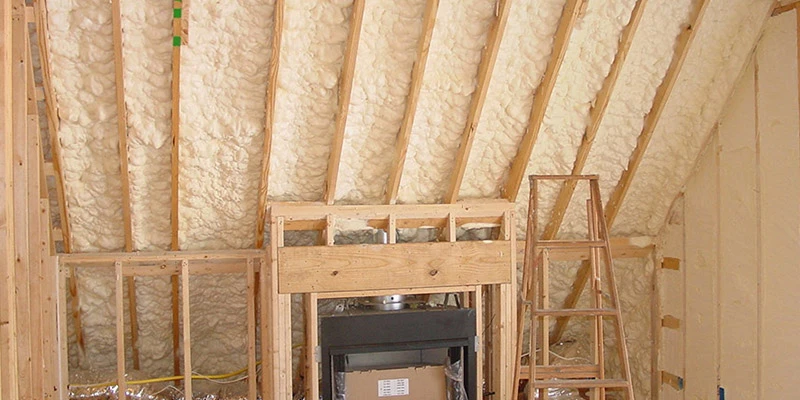
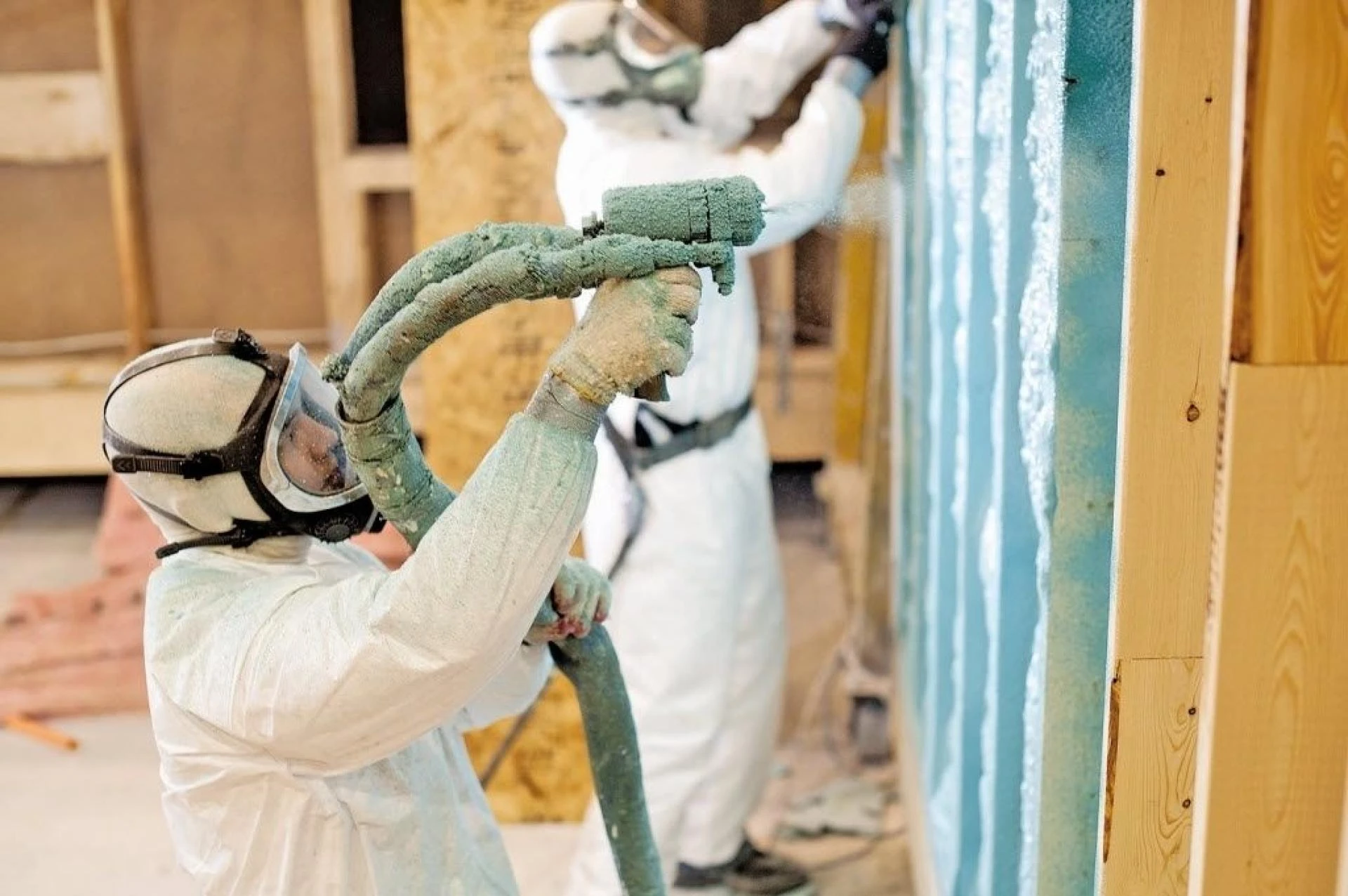
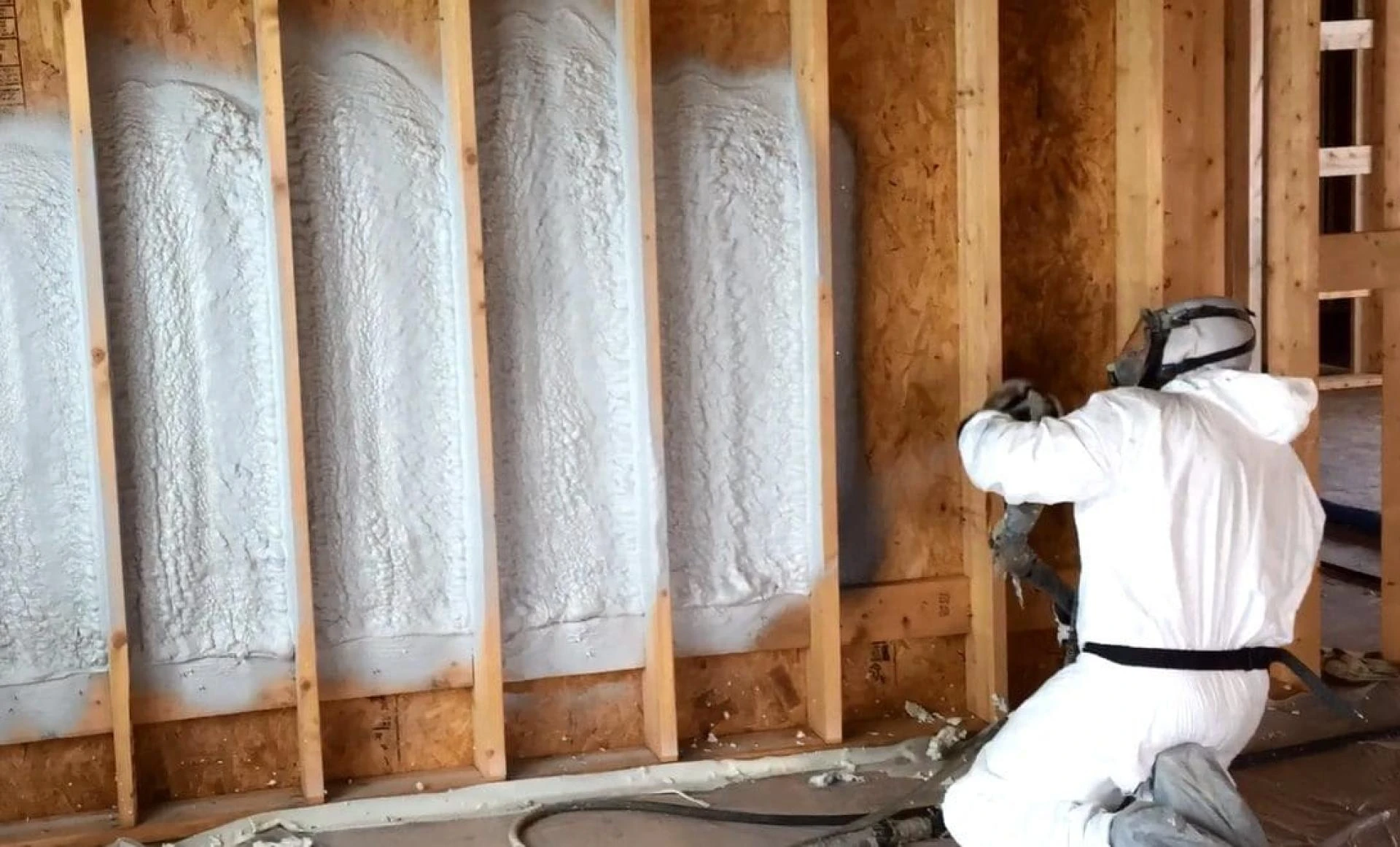
The key to spray foam’s effectiveness is its application method. It is applied as a liquid that expands to fill every crack, seam, and void. It adheres directly and powerfully to almost any substrate, including steel, concrete, and wood, creating a single, continuous, and seamless air barrier. This monolithic seal stops air leakage completely. By preventing the infiltration of hot, humid air, it immediately and dramatically reduces the load on the HVAC system, leading to significant energy savings.
A Built-in and Failsafe Vapor Barrier
Closed-cell spray foam has a dense, plastic cell structure that makes it impermeable to water vapor. This means it acts as a built-in vapor barrier. When applied to the interior of the building's shell, it keeps warm, moisture-laden air from ever reaching a colder condensing surface. This completely eliminates the risk of hidden condensation inside the walls or roof assembly, protecting the building's structure and its contents from moisture damage.
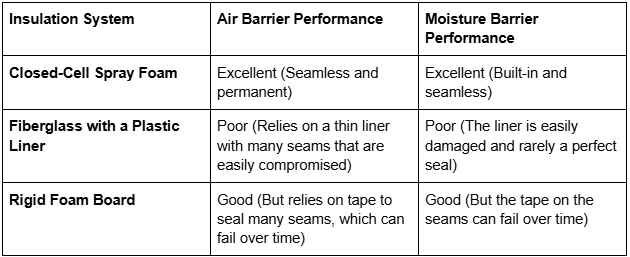
Here is a look at how different commercial insulation systems perform as barriers:
The Broader Benefits of a Sealed Building Envelope
The advantages of creating a complete air and moisture barrier go beyond just energy savings and durability.
A Healthier Indoor Environment
By stopping the infiltration of outdoor air, you are also stopping the dust, pollen, and other pollutants that the air carries. By preventing mold growth, you are eliminating a major source of indoor air contamination. This results in a much healthier indoor environment for employees, customers, and tenants.
Improved HVAC Performance and Longevity
With the building envelope now doing its job, the HVAC system has a much lighter workload. This means that for a new building, a smaller and less expensive unit can be installed. For an existing building, it means the current system will run less often, which reduces wear and tear and can significantly extend its operational lifespan.
Bonus Tip: In addition to improving HVAC performance, the rigid nature of closed-cell spray foam and its powerful adhesive properties can add significant racking strength to a building's walls and roof. This makes the entire structure more resistant to high winds, which is a major benefit in areas prone to severe weather.
Things for Business Owners to Consider
- A Professional Installation is Not Optional: The performance of spray foam as an air and moisture barrier is 100% dependent on the quality of the installation. This is a large-scale, technical job that requires a certified, experienced commercial contractor with the right equipment and safety protocols.
- A Systems-Based Approach is Key: A high-performance building is a system. When you create a very airtight building, you must also have a plan for providing fresh, filtered air through a controlled, mechanical ventilation system.
- The Upfront Investment vs. the Long-Term ROI: Commercial spray foam is a premium product with a higher initial cost. However, a smart business owner will evaluate it based on the long-term return on investment. The energy savings alone often result in a payback period of just a few years. When the savings from reduced maintenance and longer building and HVAC life are included, the ROI becomes even more compelling.
Final Thoughts on a High-Performance Building
For a business owner or facility manager, the integrity of the building's envelope is a critical factor in the long-term profitability of their operation. A powerful, integrated air and moisture barrier is not a luxury; it is a fundamental component of a modern, high-performance commercial building. By choosing a commercial insulation system that can provide this complete, seamless protection, they are making a strategic investment that will pay for itself for decades to come.
Get a Professional Building Envelope Assessment
To get a clear understanding of how a high-performance air and moisture barrier could benefit your commercial property, the first step is a professional evaluation. An experienced commercial insulation contractor can provide a detailed assessment and a data-driven proposal. For business owners in the Raleigh area, the team at Raleigh Excel Spray Foam Insulation has extensive experience with commercial and industrial applications. They can be reached for a consultation by email at [email protected] or by phone at (919) 301-9435.
Reviewer: With nearly a decade in the spray foam insulation field, William Harris reviewed this post and provided guidance that reflects both technical understanding and real-world marketing experience.


























Sign in to leave a comment.