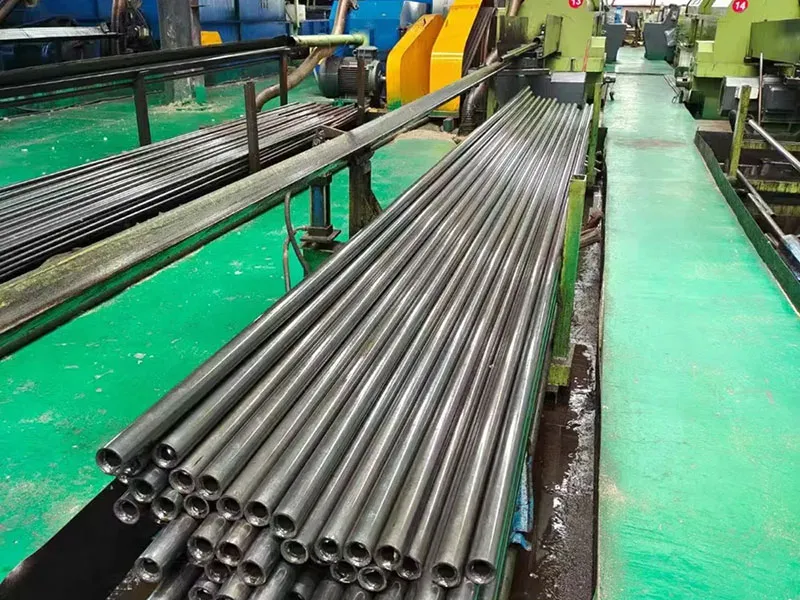
In the world of hydraulic engineering, every component plays a crucial role in determining the efficiency, reliability, and longevity of a system. Among these components, the SRB Tube—short for Skived and Roller Burnished Tube—has emerged as a game-changer for hydraulic cylinder performance. As industries demand higher precision, smoother operation, and longer service life from their hydraulic systems, the choice of tube material and finishing process becomes more important than ever.
At Shandong Baokun Metal Material Co. Ltd, we understand that the foundation of a high-performing hydraulic cylinder lies in the quality of its core components. The SRB Tube, with its advanced manufacturing process and exceptional surface finish, is engineered to meet the rigorous demands of modern hydraulic applications.
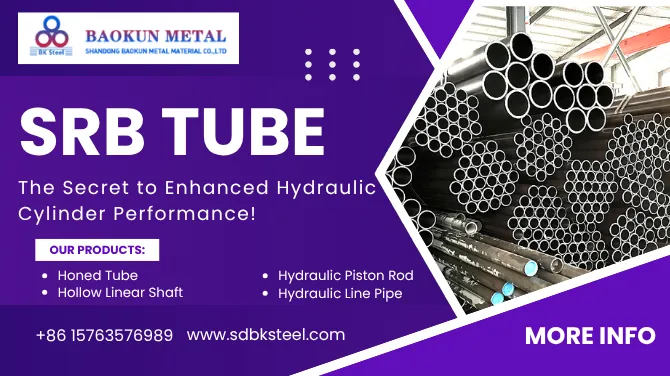
What is an SRB Tube?
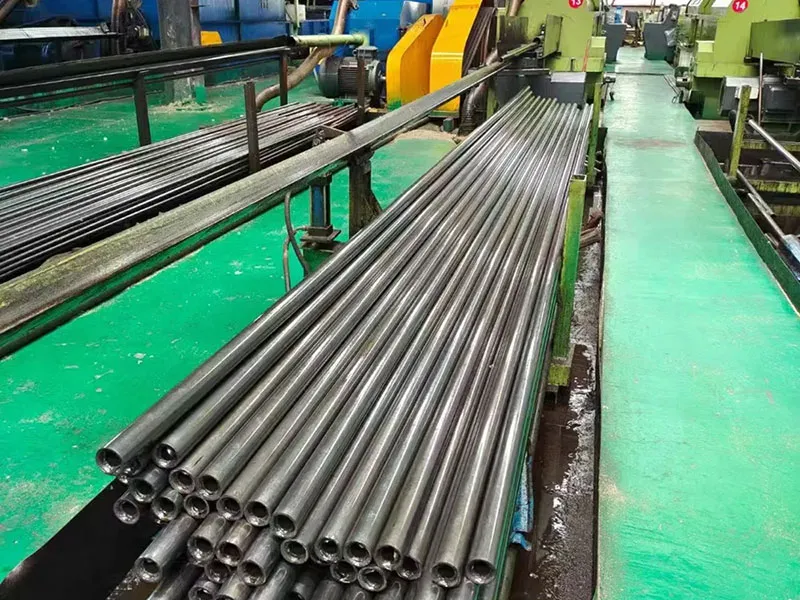
An SRB Tube is a seamless steel tube that has undergone a specialized internal finishing process known as skiving and roller burnishing. This process is designed to achieve a highly precise internal diameter, exceptional surface smoothness, and improved mechanical properties. The result is a tube that is perfectly suited for use as the cylinder body in hydraulic and pneumatic systems.
Why SRB Tube Matters?
The internal surface quality of a hydraulic cylinder tube directly affects the performance of the entire system. A smoother, more precise surface reduces friction, minimizes wear on seals, and ensures consistent movement of the piston. The SRB Tube, with its advanced finishing, delivers these benefits and more.
The SRB Process: Skiving and Roller Burnishing Explained
Skiving
Skiving is a machining process that removes a thin layer of material from the internal surface of the tube using specialized cutting tools. This step corrects any dimensional inaccuracies and prepares the surface for the next stage.
Roller Burnishing
Roller burnishing follows skiving and involves pressing hard rollers against the internal surface of the tube. This action plastically deforms the surface, closing micro-pores and creating a mirror-like finish. The process also increases surface hardness and improves fatigue resistance.
Combined Benefits
The combination of skiving and roller burnishing results in:
- Tight dimensional tolerances
- Superior surface finish (Ra ≤ 0.2 μm)
- Enhanced mechanical properties
- Improved roundness and straightness
Key Properties and Specifications of SRB Tube
Chemical Composition
SRB Tubes are typically made from high-quality carbon or alloy steels, such as ST52, E355, or SAE 1020, depending on application requirements.
Mechanical Properties
- Yield Strength: ≥ 355 MPa (for ST52/E355)
- Tensile Strength: 490–630 MPa
- Elongation: ≥ 21%
- Surface Hardness: Increased due to roller burnishing
Dimensional Tolerances
- Internal Diameter (ID): ±0.02 mm or better
- Roundness: ≤ 0.03 mm
- Straightness: ≤ 1 mm per meter
Surface Finish
- Roughness (Ra): ≤ 0.2 μm, ensuring minimal friction and optimal seal performance
Advantages of SRB Tube in Hydraulic Cylinder Applications
1. Exceptional Surface Quality
The SRB Tube’s mirror-like internal finish reduces friction between the piston and the cylinder wall, leading to smoother operation and less energy loss.
2. Extended Seal Life
A smoother surface means less abrasion on seals, resulting in longer seal life and reduced maintenance costs.
3. Improved Cylinder Performance
Tighter tolerances and better roundness ensure consistent piston movement, higher efficiency, and improved load-bearing capacity.
4. Enhanced Fatigue Resistance
The roller burnishing process increases surface hardness and fatigue resistance, making SRB Tubes ideal for high-pressure and high-cycle applications.
5. Cost-Effectiveness
While the initial investment in SRB Tubes may be higher than standard tubes, the extended service life, reduced maintenance, and improved performance translate to significant cost savings over time.
SRB Tube vs. Honed Tube: A Comparative Analysis
Manufacturing Process
- SRB Tube: Skiving and roller burnishing
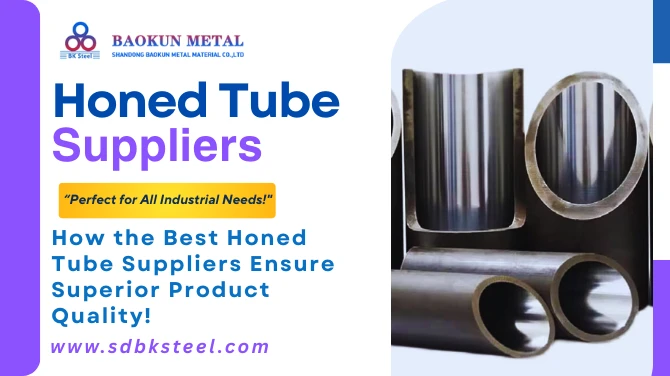
- Honed Tube: Abrasive honing
Surface Finish
- SRB Tube: Ra ≤ 0.2 μm, mirror-like finish
- Honed Tube: Ra ≤ 0.4 μm, smooth but not as fine as SRB
Tolerances
- SRB Tube: Tighter tolerances, better roundness and straightness
- Honed Tube: Good tolerances, but may require additional processing for critical applications
Mechanical Properties
- SRB Tube: Enhanced surface hardness and fatigue resistance
- Honed Tube: Standard mechanical properties
Application Suitability
- SRB Tube: Preferred for high-performance, high-pressure, and high-cycle hydraulic cylinders
- Honed Tube: Suitable for general hydraulic and pneumatic applications
Applications of SRB Tube Across Industries
The versatility and performance of the SRB Tube make it a preferred choice in a wide range of industries:
- Hydraulic and Pneumatic Cylinders
SRB Tubes are the standard for high-performance hydraulic and pneumatic cylinders, where precision and durability are paramount. - Construction and Mining Equipment
Used in heavy-duty machinery such as excavators, loaders, and cranes, where reliability under extreme conditions is essential. - Industrial Automation
Ideal for robotic arms, presses, and automated systems that require precise and repeatable motion. - Marine and Offshore
With appropriate coatings, SRB Tubes are used in hydraulic systems exposed to harsh marine environments. - Automotive and Transportation
Employed in shock absorbers, steering systems, and other components that demand high strength and smooth operation.
Selecting the Right SRB Tube for Your Project
1. Assessing Application Requirements
Consider the following factors:
- Operating pressure and load
- Required dimensions and tolerances
- Environmental conditions (corrosive, high/low temperature)
- Compatibility with seals and hydraulic fluids
2. Customization Options
At Shandong Baokun Metal Material Co. Ltd, we offer a wide range of SRB Tubes in various sizes and materials, with options for custom lengths, coatings, and special tolerances.
3. Expert Consultation
Our technical team is available to help you select the optimal SRB Tube for your specific application, ensuring maximum performance and reliability.
Maintenance and Longevity of SRB Tube
1. Routine Inspection
Regularly inspect SRB Tubes for signs of wear, corrosion, or damage. Early detection can prevent costly failures and downtime.
2. Cleaning and Lubrication
Keep the internal surface clean and properly lubricated to minimize friction and wear on seals.
3. Protective Coatings
For applications in corrosive environments, consider applying protective coatings to extend the lifespan of your SRB Tubes.
4. Replacement Guidelines
Replace tubes that show significant wear, pitting, or deformation to maintain system integrity and safety.
The SRB Tube is more than just a component—it is the secret to achieving enhanced hydraulic cylinder performance. With its advanced manufacturing process, superior surface finish, and exceptional mechanical properties, the SRB Tube sets the standard for reliability, efficiency, and longevity in hydraulic systems.
Frequently Asked Questions (FAQ)
Q1: What is the main advantage of using an SRB Tube in hydraulic cylinders?
A: The SRB Tube offers a superior internal surface finish, tighter tolerances, and enhanced mechanical properties, all of which contribute to smoother operation, longer seal life, and improved cylinder performance.
Q2: How does the SRB process differ from honing?
A: The SRB process combines skiving (material removal) with roller burnishing (surface smoothing and hardening), resulting in a finer surface finish and better mechanical properties compared to traditional honing.
Q3: Can SRB Tubes be used in corrosive environments?
A: Yes, with the application of appropriate protective coatings or by using compatible hydraulic fluids, SRB Tubes can perform well in corrosive environments.
Q4: Are custom sizes available for SRB Tubes?
A: Absolutely. At Shandong Baokun Metal Material Co., Ltd., we offer a wide range of sizes and can provide custom dimensions to meet your project requirements.
Q5: How should SRB Tubes be maintained?
A: Regular inspection, cleaning, lubrication, and the use of protective coatings are recommended to ensure optimal performance and longevity.
Q6: What is the typical lifespan of an SRB Tube?
A: With proper maintenance and under normal operating conditions, SRB Tubes can last for many years, often outlasting other types of tubes in similar applications.
Q7: How do I know if my application requires an SRB Tube?
A: If your application involves high-performance hydraulic or pneumatic cylinders or requires precise movement and minimal friction, an SRB Tube is likely necessary.
Q8: What are the delivery options for SRB Tubes?
A: We offer flexible delivery options, including cut-to-length services and bulk shipments, to accommodate projects of all sizes.

























Sign in to leave a comment.