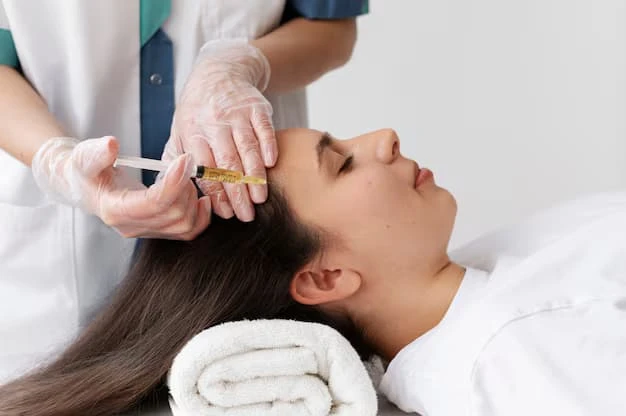
Hair loss is a widespread concern that affects millions of people across the world. It can influence confidence, self perception, and overall emotional well being. While traditional hair restoration methods have offered solutions for decades, advances in medical science have introduced innovative approaches that focus on regeneration rather than replacement. One of the most promising developments is stem cell hair restoration, a technique designed to stimulate natural hair growth by revitalizing weakened and dormant hair follicles. Understanding how these techniques work and what benefits they offer can help individuals make informed decisions about modern hair restoration.
Understanding Hair Loss and Follicle Health
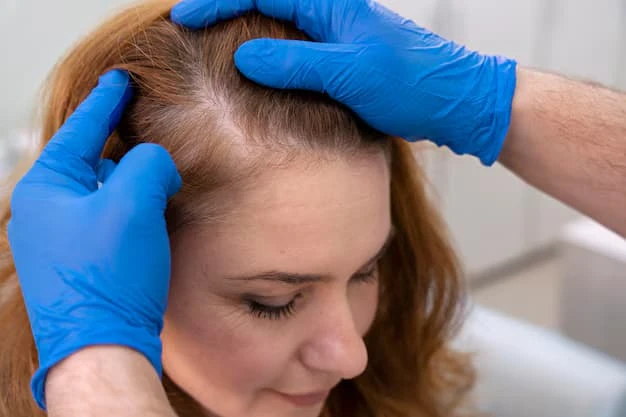
Hair growth depends on healthy hair follicles and a supportive scalp environment. When follicles become weak or dormant, hair growth slows or stops altogether.
Common Causes of Hair Loss
Hair loss can result from a combination of genetic, hormonal, and environmental factors.
- Genetic predisposition leading to pattern hair loss
- Hormonal changes related to aging or medical conditions
- Autoimmune disorders affecting hair follicles
- Nutritional deficiencies and poor diet
- Chronic stress and lifestyle factors
Recognizing the cause of hair loss is essential when determining whether stem cell hair restoration is a suitable option.
The Role of Hair Follicles in Regrowth
Hair follicles operate in growth cycles. When follicles are damaged or deprived of nutrients, they may enter a resting phase. Restoring follicle health is key to encouraging new hair growth, which is the core principle behind stem cell based techniques.
What Is Stem Cell Hair Restoration
Stem cell hair restoration is a non surgical or minimally invasive treatment that focuses on repairing and regenerating hair follicles using the body’s own regenerative cells. These cells have the ability to stimulate tissue repair and promote cellular renewal.
How Stem Cell Hair Restoration Works
The procedure typically involves collecting a small sample of tissue from the patient. This sample contains regenerative cells that are processed and then reintroduced into areas of the scalp experiencing hair thinning or loss.
The goal of the treatment is to:
- Reactivate dormant hair follicles
- Improve blood supply to the scalp
- Strengthen existing hair strands
- Encourage natural and gradual regrowth
Because the treatment uses the patient’s own cells, it supports a natural regenerative process.
Why Stem Cells Are Effective for Hair Growth
Stem cells release growth factors that help repair damaged tissues. When applied to the scalp, these growth factors stimulate follicle activity and support the hair growth cycle. This makes stem cell hair restoration a regenerative solution rather than a cosmetic cover.
Popular Stem Cell Hair Restoration Techniques
Several techniques are used within stem cell based hair restoration. Each method focuses on regeneration and follicle stimulation.
Scalp Tissue Based Stem Cell Therapy
This technique involves harvesting a small amount of scalp tissue that contains regenerative cells. The tissue is processed to isolate growth promoting components, which are then injected into thinning areas.
This approach helps improve scalp health and activate weakened follicles.
Micro Graft Stem Cell Therapy
Micro graft techniques use tiny grafts that contain stem cells and growth factors. These grafts are introduced into targeted areas of hair loss to stimulate follicle regeneration and improve density.
This method is particularly beneficial for individuals with diffuse thinning rather than complete baldness.
Stem Cell Enriched Injections
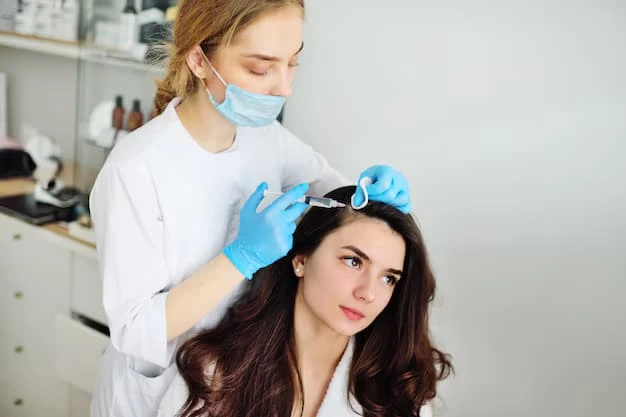
In some cases, stem cell enriched solutions are injected directly into the scalp. These injections aim to nourish follicles and promote a healthier environment for hair growth.
This technique supports gradual improvement in thickness and hair quality.
Benefits of Stem Cell Hair Restoration
Stem cell hair restoration offers several advantages compared to traditional hair loss treatments.
Non Surgical or Minimally Invasive
Most stem cell techniques do not require major surgery. This reduces discomfort, scarring, and recovery time, making it an appealing option for many individuals.
Natural Hair Regrowth
The treatment works with existing hair follicles, allowing new hair to grow naturally. This results in hair that blends seamlessly with surrounding strands.
Suitable for Men and Women
Stem cell based treatments can be tailored to address hair loss patterns in both men and women, including diffuse thinning and early stage hair loss.
Improves Overall Hair Quality
In addition to promoting regrowth, stem cell hair restoration often improves hair texture, strength, and thickness by enhancing follicle health.
Minimal Downtime
Most patients can return to daily activities shortly after treatment. Temporary redness or sensitivity typically resolves quickly.
Ideal Candidates for Stem Cell Hair Restoration
Not everyone experiences the same results, and suitability depends on individual factors.
Early to Moderate Hair Loss
Individuals with early or moderate hair thinning often respond best, as active follicles are still present and capable of regeneration.
Diffuse Thinning Patterns
Those with thinning across the scalp rather than complete bald areas are usually ideal candidates for stem cell hair restoration.
Individuals Seeking Non Surgical Options
Patients who prefer regenerative treatments without surgery often choose stem cell based solutions.
Supporting Results Through Lifestyle and Care
Professional treatments are most effective when combined with supportive lifestyle habits.
Nutrition and Hair Health
A balanced diet rich in protein, vitamins, and minerals supports healthy hair growth. Nutrients such as biotin, iron, and zinc are particularly important for follicle strength.
Stress Management
Stress can disrupt the hair growth cycle. Managing stress through relaxation techniques and physical activity can enhance treatment outcomes.
Gentle Hair Care Practices
Using mild hair care products and avoiding excessive heat or chemical treatments helps protect new and existing hair.
What Results to Expect
Results from stem cell hair restoration develop gradually. Most individuals begin noticing improved hair texture and reduced shedding within a few months. Increased density and thickness continue to develop as hair follicles progress through natural growth cycles.
Setting Realistic Expectations
While the treatment offers significant benefits, results vary based on genetics, age, and the extent of hair loss. Maintenance treatments may be recommended to sustain long term results.
Conclusion
Stem cell hair restoration represents a major advancement in the field of hair loss treatment, offering a regenerative approach that focuses on restoring follicle health rather than simply replacing hair. With its natural results, minimal downtime, and suitability for both men and women, it has become an appealing option for those seeking modern hair restoration solutions. When combined with healthy lifestyle habits and professional guidance, stem cell based treatments can lead to stronger, fuller, and healthier looking hair. For individuals seeking expert care and advanced regenerative hair restoration solutions, Este Medical Group Cosmetic Surgery provides personalized treatment plans designed to support long term hair health and confidence.
Sign in to leave a comment.