

Substations operate in an environment where high-voltage equipment must perform flawlessly for years at a time. Insulation testing is one of the simplest and most reliable ways engineers verify that cables, transformers, and switchgear remain safe to operate. This guide walks through the practical steps involved in conducting substation insulation testing while keeping both equipment and technicians protected.
Understanding the Importance of Substation Insulation Testing
Insulation is essential to the operation of every piece of high-voltage equipment. Without it, electrical current would wander wherever physics allows, often with destructive consequences. In substations, insulation separates energized conductors from grounded structures and from one another. Age, moisture, contamination, and repeated electrical stress slowly degrade these protective materials. The changes often happen quietly. There is rarely a dramatic warning before insulation begins to fail. That is why technicians rely on tools such as an Insulation Substation Tester to measure resistance and confirm the integrity of the insulation system. The numbers produced by these tests are not just technical data. These early warning signs indicate whether the equipment is aging normally or whether it is heading in the direction of potential problems.
Preparing the Substation for Testing
Preparation is not the glamorous part of the job, but it determines whether the test results mean anything at all. The first rule is simple: the equipment must be completely isolated from the grid. Lockout and tagout procedures are applied so no one accidentally energizes the circuit while testing is underway. Grounding connections follow immediately after isolation because electrical equipment can store energy even when disconnected. A technician who skips that step is taking a risk that seasoned engineers rarely tolerate. Visual inspection also matters more than many people assume. Oil residue, cracked bushings, moisture buildup, or dust deposits on insulation surfaces can distort measurements and mislead the person interpreting them. A few minutes of careful inspection often saves hours of confusion later.
Selecting Appropriate Testing Instruments
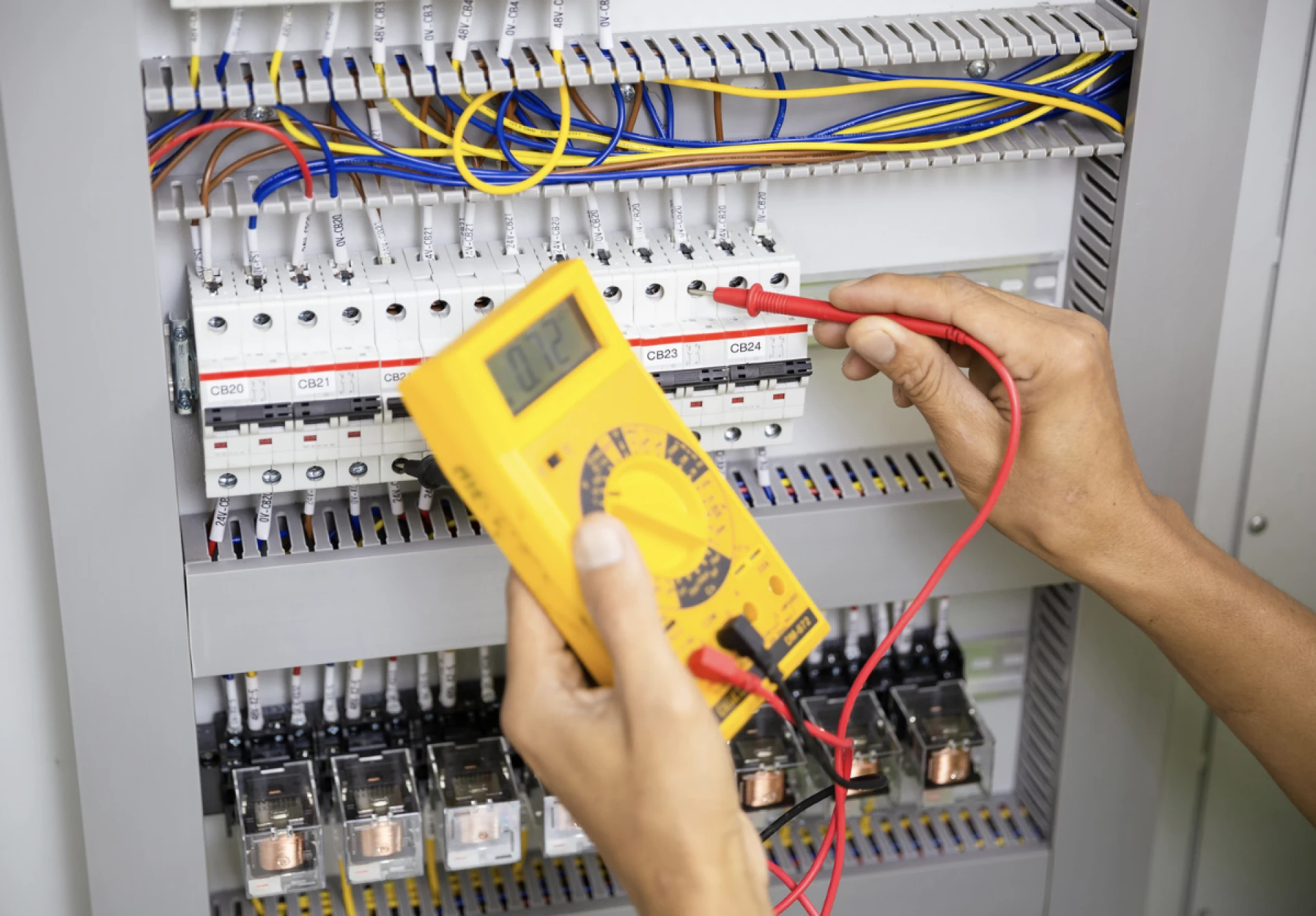
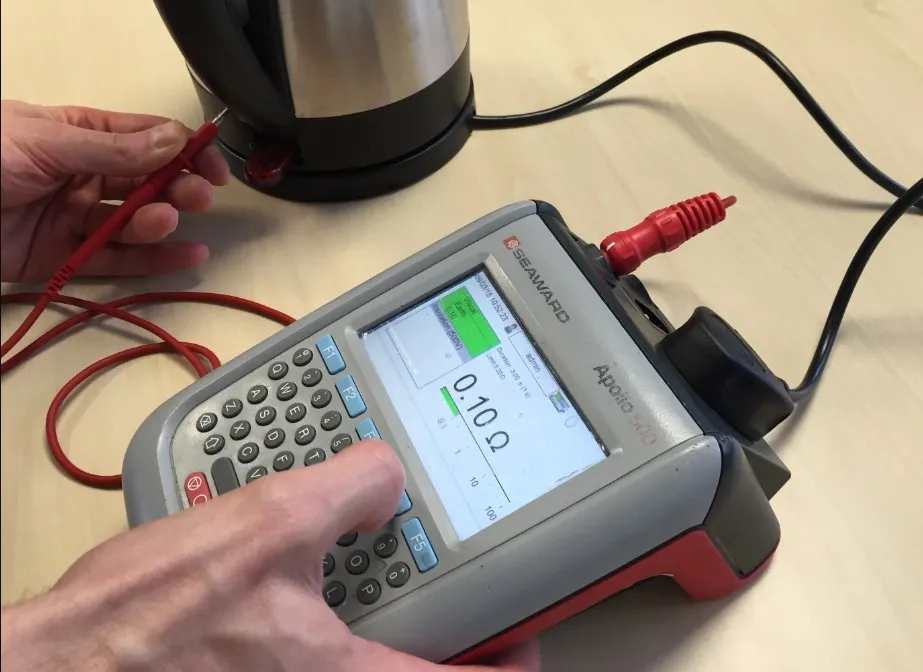
Insulation resistance testing demands equipment that can generate controlled voltage and measure leakage current with accuracy. Not every electrical meter can do that. The instrument used for this task must apply a known test voltage and detect even tiny amounts of current passing through insulation. That capability allows engineers to determine how well the material resists electrical flow. An Insulation Substation Tester performs exactly this function by stressing the insulation slightly and measuring how much current leaks through the barrier. Strong insulation resists that current almost completely. Weak insulation allows more leakage. Industrial suppliers such as Apfelbaum Industrial provide testing equipment and technical components designed for the demanding conditions found in power generation and transmission facilities.
Performing the Insulation Testing Procedure
The process of testing is conducted in a systematic order that seasoned technicians hardly ever leave. It is not the speed but the clarity. All the steps are necessary to be sure that the measurement reflects the actual state of the insulation and not an error in the installation. An inspection of a normal insulation resistance test within a substation proceeds as follows:
- Ensure that all equipment is offline and isolated.
- Use lockout and tag out procedures before any instrument has been connected.
- Disconnect electronic control devices likely affected by the test voltage.
- Connect the testing leads between the conductor and ground, or phases.
- Connect the recommended test voltage to the equipment rating.
- Wait before recording the value of resistance.
- Record the finding and compare it with the past maintenance records.
These steps may look routine on paper, yet every experienced field technician knows how important they are. Skip one detail and the reading can be misleading.
Understanding and Evaluating Test Results
Interpreting insulation resistance readings requires judgment as much as mathematics. A high resistance value usually indicates healthy insulation, but numbers by themselves do not tell the whole story. Engineers care about trends. If the resistance value drops gradually over several years, something inside the insulation system is changing. Moisture intrusion is common in outdoor equipment. Thermal aging also plays a role in heavily loaded systems. Temperature and humidity influence readings as well, which is why technicians try to perform tests under similar conditions each time. Equipment connected to large transformers deserves particular attention because insulation problems in these locations can cascade through the network. Many of those systems include monitoring and protection devices classified as Power Transformers Accessories, which are often inspected alongside the main equipment.
Safety Practices During Substation Testing
Anyone who works around high-voltage equipment develops a healthy respect for stored electrical energy. Even after a test is finished, insulation materials can hold a charge for a surprising amount of time. That charge must be discharged safely before the equipment is touched or returned to service. Protective clothing and insulated gloves are standard practice during testing because the environment leaves little room for mistakes. Experienced technicians also develop habits that are difficult to teach in a manual. They double-check connections. They keep their work area organized. They pause for a moment before applying voltage. Those small habits prevent accidents more effectively than any warning label.
Maintaining a Reliable Testing Schedule
One insulation test provides a picture of equipment status. A story is presented through a testing program. In order to assess the aging of equipment, utilities, and industrial plants, set insulation resistance tests to periodically occur. The trend of outcomes usually gives issues a long time before a failure is experienced. The gradual changes in the values of resistance could lead to cleaning, drying, or replacement of insulation. The expenditure of these preventive measures will be minor in comparison to the expenditure of an unexpected outage or transformer failure.
Conclusion
Insulation tests in substations are not difficult; however, a lot of patience, concentration, and attention to detail are needed. The isolation of the insulating medium, recording of electrical measurement values using accurate measuring devices, and understanding the results enable engineers to detect problems with the insulation of substations before technical failure. Testing on insulation also enables engineers to detect minute changes in the electrical components over the years. Due to these problems, insulation testing should be part of the reliability plan of substation operators. To test your electrical infrastructure, or to purchase industrial electrical parts, purchase them through a supplier whom you trust and who has knowledge of their equipment and can be used to maintain your staff.



















Sign in to leave a comment.