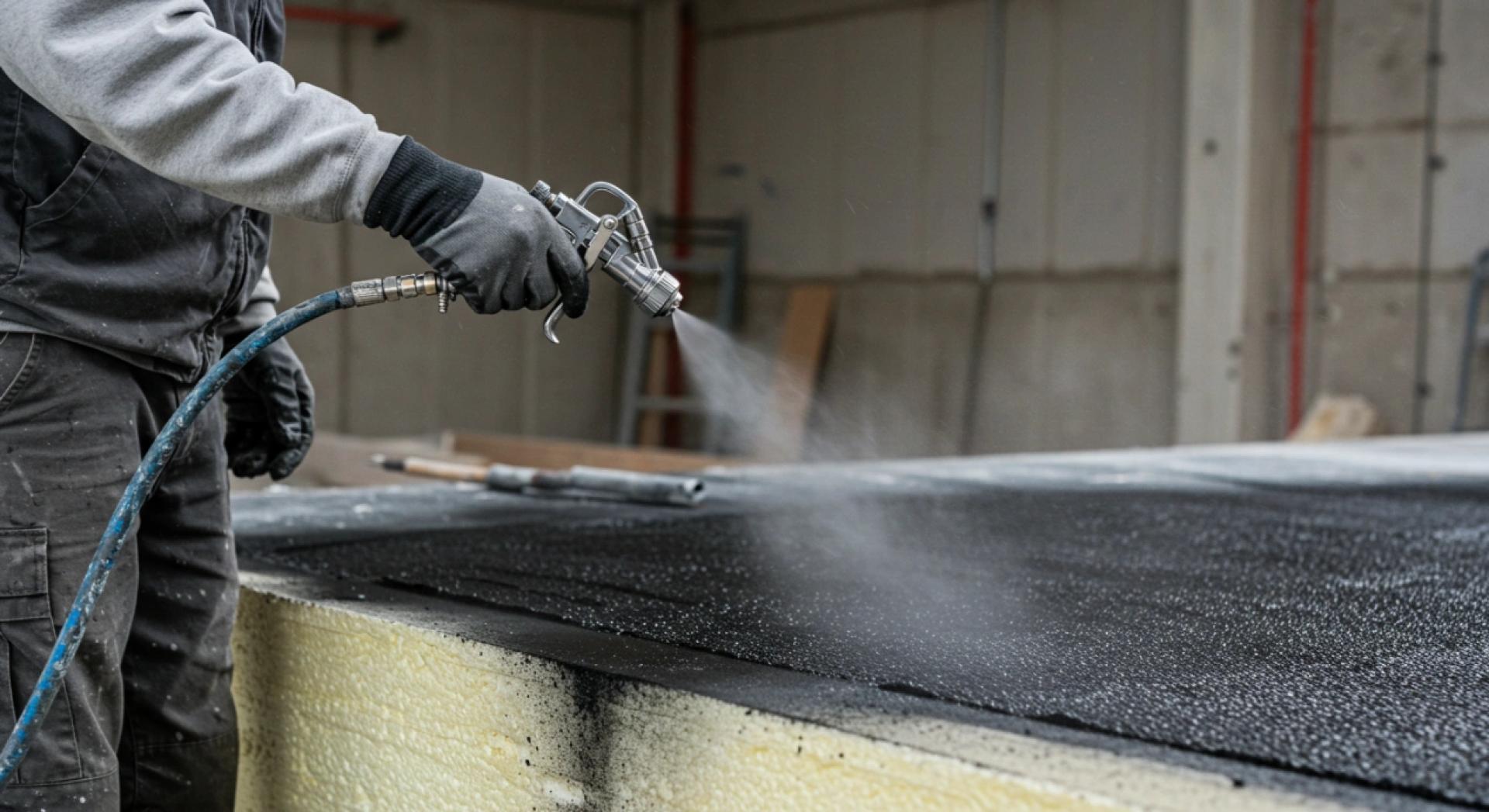

Installing a thermal barrier system over spray foam insulation is a critical step for fire safety and code compliance in many buildings. This process involves applying a protective layer that slows down heat transfer, providing occupants with more time to evacuate in case of a fire. Without proper installation, spray foam, especially open-cell types, can ignite rapidly, releasing smoke and toxic fumes. Understanding the precise steps ensures the system performs as intended, protecting both property and lives. This guide details the installation process, offering practical insights from experienced professionals in the field.
Thermal barrier systems are not merely an extra step but a fundamental part of a complete insulation strategy, especially given that spray foam use has grown significantly in recent decades due to its superior insulating properties. Experts in the insulation industry emphasize that ignoring this crucial layer can lead to severe consequences, making proper application essential for any project involving spray foam.
Understanding Thermal Barriers and Their Purpose
A thermal barrier serves as a protective shield, designed to separate the combustible spray foam insulation from occupied spaces. Its primary role is to delay the temperature rise of the foam when exposed to fire. By doing this, it extends the time available for emergency services to respond and for occupants to safely exit the building. Common materials used for thermal barriers include drywall, mineral fiber insulation, and certain specialized coatings. Each material has specific fire resistance ratings and application requirements.
The International Building Code (IBC) and local regulations often dictate where and when thermal barriers are necessary. Typically, they are required when spray foam is applied in interior spaces like basements, attics, and crawl spaces that are used for storage or accessed frequently. Spaces like attics with limited access might allow for alternative protective materials, but the general rule is to assume a thermal barrier is needed unless local codes specifically state otherwise.
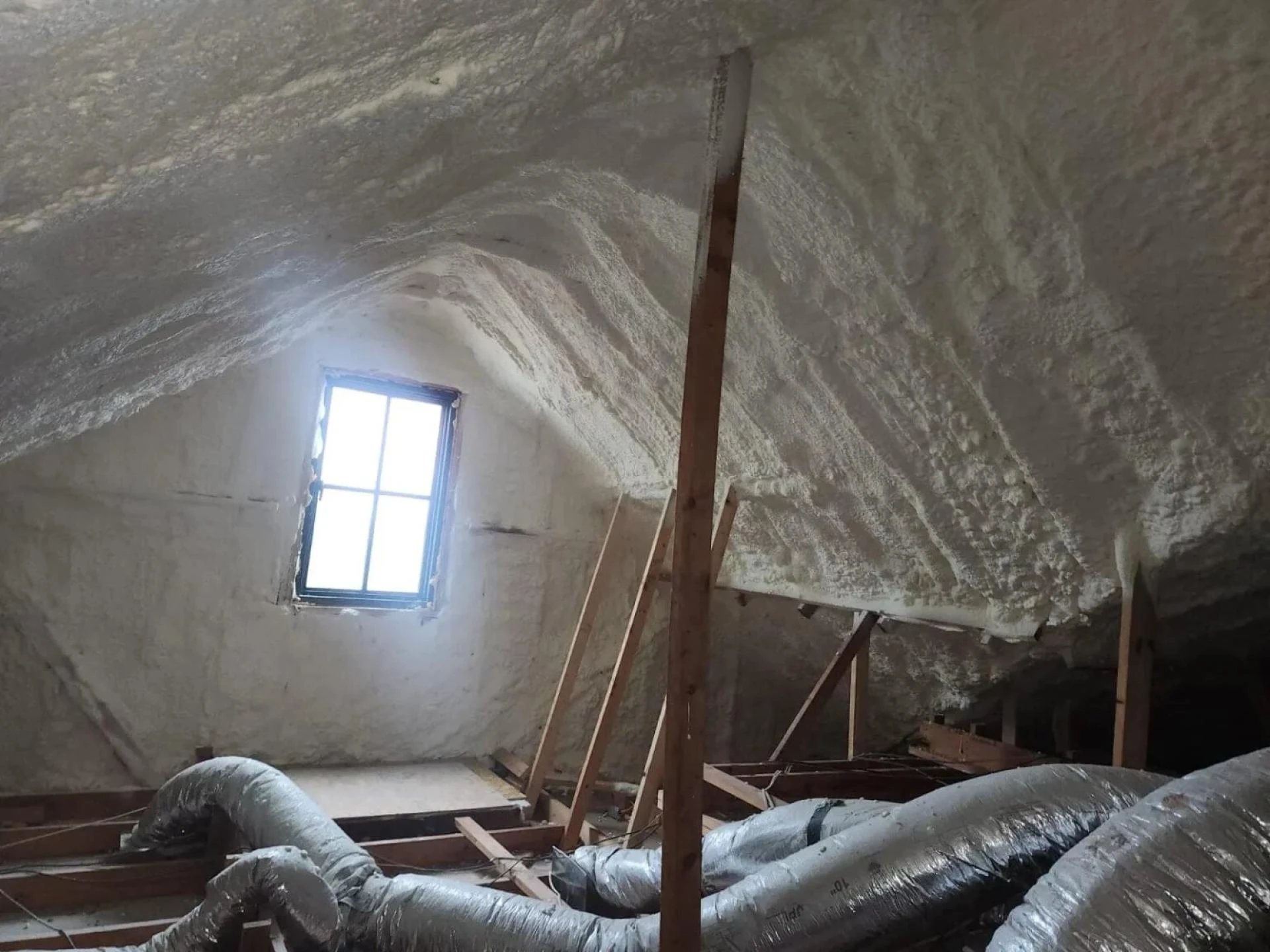
Pre-Installation Planning and Preparation
Before any material is applied, thorough planning and preparation are essential for a successful thermal barrier installation. This initial phase helps prevent issues later and ensures compliance with all safety standards.
Site Assessment and Code Compliance
Begin with a detailed assessment of the job site. This involves identifying the specific areas where spray foam has been or will be applied and determining the required type of thermal barrier based on local building codes. Different jurisdictions can have varying requirements for fire ratings and acceptable materials. For example, some areas might permit a thinner thermal barrier in an unoccupied attic space compared to a finished basement.
It is wise to consult with local building officials early in the planning process. They can provide clarification on specific code interpretations and help avoid costly rework. Document all discussions and approvals to maintain a clear record for inspections.
Material Selection and Procurement
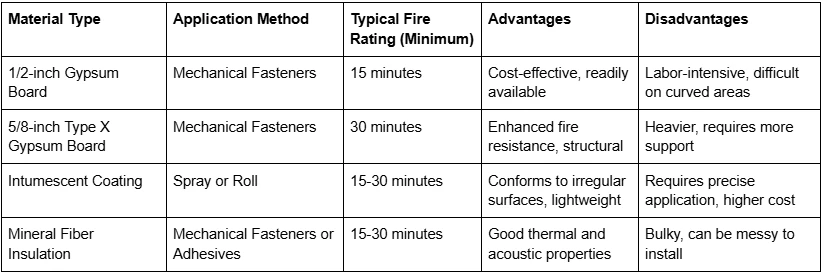
Choosing the right thermal barrier material depends on several factors, including the type of spray foam used, the fire rating required, and the specific application area. Drywall, typically 1/2-inch or 5/8-inch thick, is a common choice for its affordability and ease of installation. However, specialized coatings, like intumescent paint, offer a less intrusive option for irregularly shaped surfaces.
Table: Common Thermal Barrier Materials
When procuring materials, ensure they meet the specific fire ratings and quality standards. Verify that coatings have been tested and approved for use as thermal barriers over spray foam by recognized testing agencies.
Surface Preparation
Proper surface preparation is crucial for the adhesion and effectiveness of any thermal barrier system. The spray foam surface must be clean, dry, and free from any dust, debris, or oil. If the foam has been recently applied, allow adequate cure time as specified by the manufacturer to ensure it has fully expanded and off-gassed.
Any uneven or excessively rough areas of the spray foam should be trimmed or smoothed to provide a suitable substrate for the barrier material. For coatings, this means creating a consistent surface that allows for even application. For rigid boards, a relatively flat surface prevents gaps and ensures secure attachment.
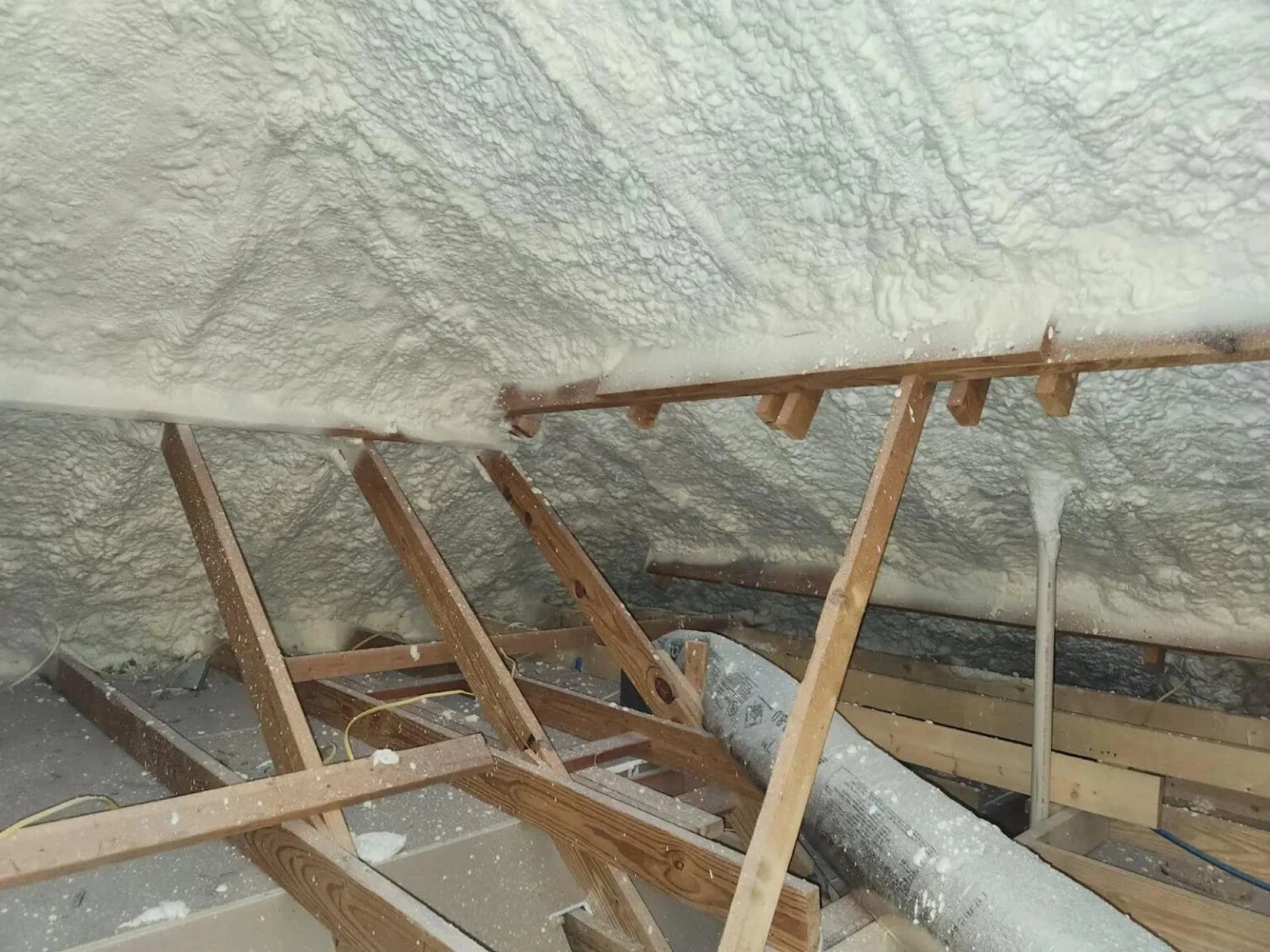
Step-by-Step Installation Process
Once the planning and preparation are complete, the actual installation can begin. Each step requires precision and attention to detail to ensure the thermal barrier functions correctly.
Step 1: Safety Precautions
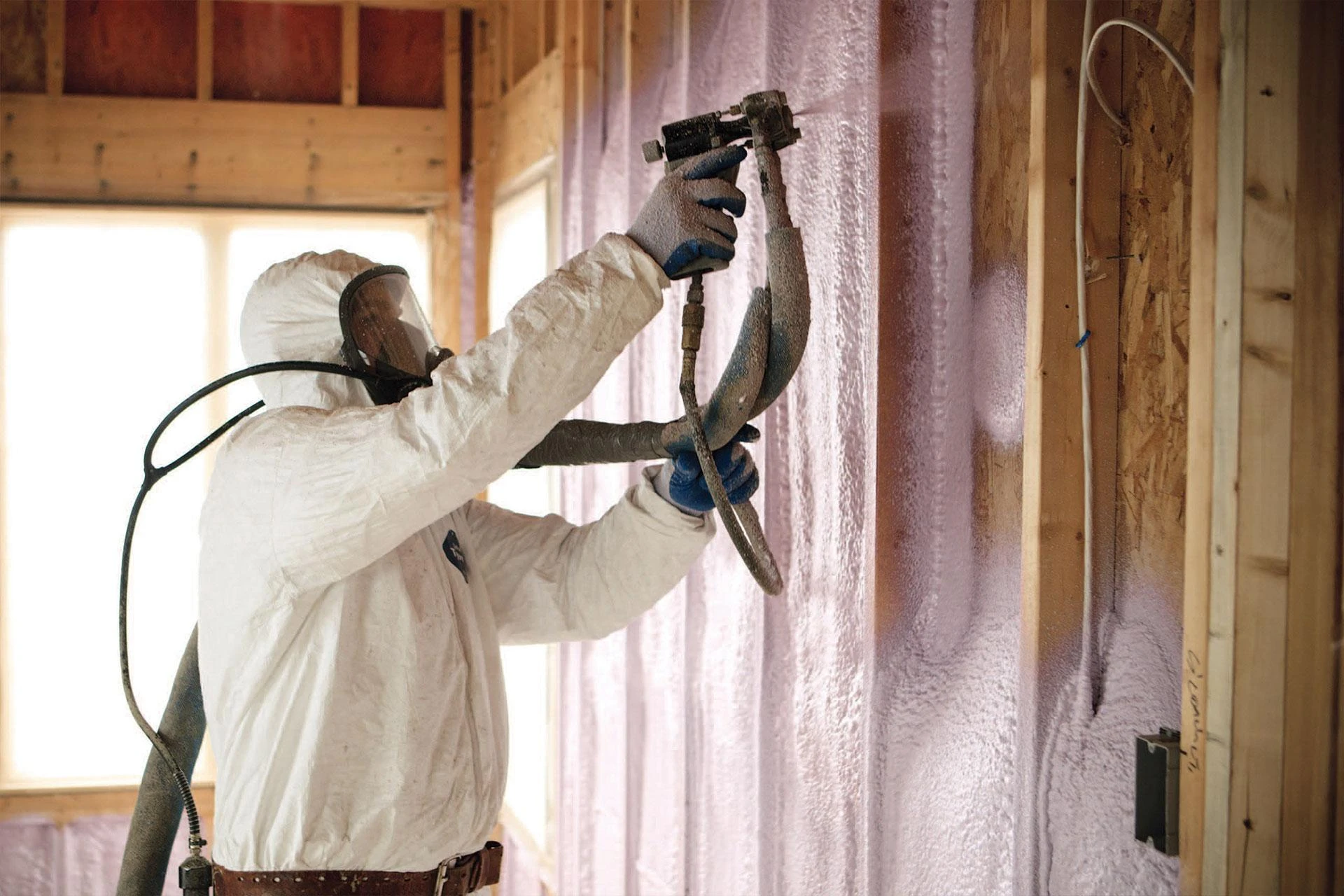
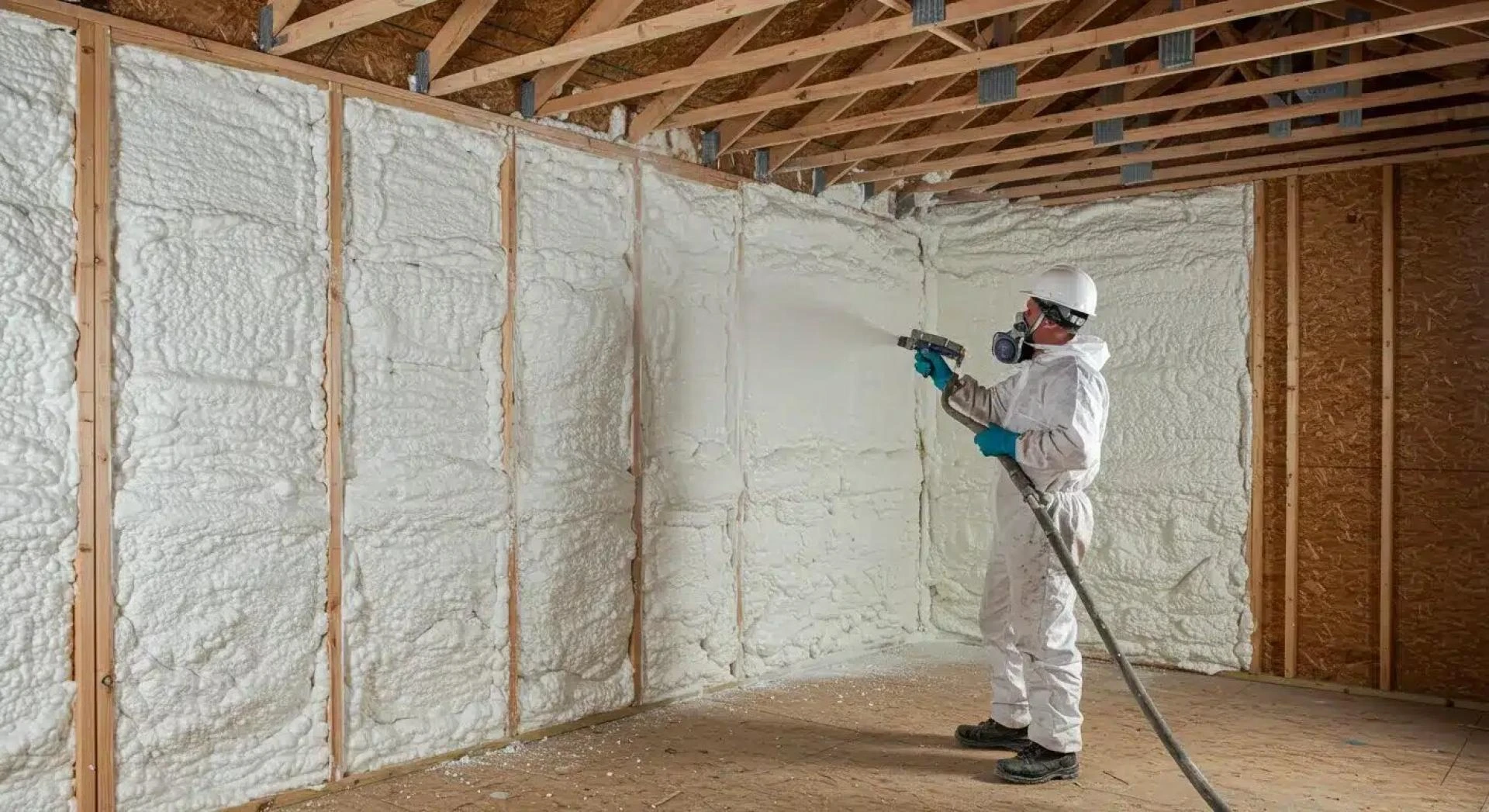
Before starting, prioritize safety. This includes wearing appropriate personal protective equipment (PPE), such as respirators, gloves, eye protection, and protective clothing. Ensure the work area is well-ventilated, especially when applying coatings, which can emit fumes. Set up clear safety zones and keep non-essential personnel away from the immediate work area. Have fire extinguishers readily available.
- Bonus Tip: Even if the spray foam has cured, dust and small particles can become airborne during thermal barrier installation, especially with drywall cutting. Good ventilation and proper masks are non-negotiable.
Step 2: Applying Rigid Board Thermal Barriers (e.g., Gypsum Board)
For rigid materials like gypsum board, the installation process is similar to standard drywall application but with specific considerations for fire resistance.
- Measurement and Cutting: Measure the dimensions of the area to be covered and cut the gypsum board to size. Precision is important to minimize gaps, which can compromise the barrier's integrity.
- Fastening: Attach the gypsum board directly to the structural framing (studs, joists) using appropriate fire-rated fasteners. Screws are generally preferred over nails for stronger, more secure attachment. Follow the manufacturer's recommendations for fastener spacing, which is often tighter than for standard drywall to ensure adequate fire resistance.
- Sealing Gaps: All joints and gaps between boards, as well as around penetrations (pipes, wires), must be sealed with fire-rated caulk or tape. This prevents fire from bypassing the barrier through small openings.
- Finishing: For finished spaces, apply joint compound and tape over seams and fastener heads, then sand smooth. For unfinished spaces like attics, this level of finish might not be necessary, but the sealing of gaps remains critical.
Step 3: Applying Intumescent Coatings
Intumescent coatings are specialized paints that expand when exposed to heat, forming a thick, insulating char layer. Their application requires specific techniques to ensure proper performance.
- Mixing: Thoroughly mix the intumescent coating according to the manufacturer's instructions. This usually involves using a mechanical mixer to ensure a consistent consistency.
- Application Method: Apply the coating using a sprayer, roller, or brush. Sprayers are often preferred for larger areas or irregular surfaces to ensure an even and consistent thickness.
- Thickness and Coverage: This is the most critical aspect. The coating must be applied at a specific wet film thickness (WFT) to achieve the required fire rating. Use a wet film gauge to verify thickness during application. Multiple coats might be necessary to reach the desired thickness, with appropriate drying time between coats.
- Curing: Allow the coating to cure fully as specified by the manufacturer. This typically takes several days to achieve optimal performance. Ensure good ventilation during the curing process.
- Bonus Tip: Intumescent coatings are highly sensitive to application thickness. Applying too thin a layer will compromise fire resistance, while too thick a layer can lead to cracking or uneven curing. Always use a wet film gauge during application.
Post-Installation Inspection and Maintenance
After installation, a thorough inspection confirms that the thermal barrier system meets all requirements and is ready for use.
Final Inspection
A qualified inspector, often a local building official, will examine the thermal barrier for proper material use, correct fastening, and complete sealing of all joints and penetrations. They will verify that the system achieves the required fire rating based on the documentation provided. Keep all product data sheets, application instructions, and inspection records readily available.
- Bonus Tip: A common point of failure is inadequate sealing around pipes, ducts, and electrical boxes that penetrate the thermal barrier. Inspectors will specifically look for these vulnerabilities.
Maintenance and Damage Repair
Thermal barrier systems generally require minimal maintenance once installed. However, any damage to the barrier, such as cracks in gypsum board or scrapes in intumescent coating, should be repaired promptly. Damage can compromise the system's ability to protect against fire. Use compatible fire-rated materials for repairs and ensure the repair fully restores the barrier's integrity. Regular visual checks, especially in accessible areas like basements or utility rooms, can help identify issues early.
Things to Consider Before Making a Decision
Before committing to a thermal barrier system, property owners should consider several key factors to ensure they make an informed choice that meets their needs and budget.
- Local Building Codes: Always confirm the specific requirements with local authorities. Codes can vary significantly by region and even within different areas of the same building.
- Occupancy and Usage: Is the space accessible or occupied? This directly influences the type and fire rating of the thermal barrier needed. An attic used for occasional storage might have different requirements than a finished living space.
- Type of Spray Foam: Open-cell and closed-cell spray foams have different characteristics. While both typically require a thermal barrier, the interaction with certain barrier materials or coatings might differ.
- Installation Complexity: Rigid boards require framing and mechanical fastening, which can be more labor-intensive. Coatings offer flexibility for irregular surfaces but demand precise application thickness. Consider the shape and accessibility of the area.
- Long-Term Durability: Choose materials known for their longevity and resistance to environmental factors common in the installation area, such as humidity or temperature fluctuations.
- Cost vs. Value: While upfront costs are a factor, consider the long-term value of enhanced fire safety and code compliance. Cutting corners on safety can lead to much higher costs in the event of a fire.
- Professional Expertise: Given the specialized nature of thermal barrier installation and the critical safety implications, working with experienced professionals is usually the best approach. They understand code requirements and proper application techniques.
Questions People Asks About Thermal Barriers
What is the difference between an ignition barrier and a thermal barrier?
An ignition barrier provides very limited protection, typically preventing the rapid ignition of spray foam for a short period (around 10-15 seconds). A thermal barrier offers a higher level of protection, delaying the temperature rise of the foam for at least 15 minutes, allowing more time for safe evacuation.
Can I install a thermal barrier myself?
While some skilled DIY enthusiasts might attempt rigid board installation, intumescent coating application requires specialized equipment and precise thickness measurements. Given the critical safety function, it is generally recommended to use experienced professionals to ensure compliance and effectiveness.
How do I know if my existing spray foam needs a thermal barrier?
If spray foam is installed in an accessible attic, crawl space, or any occupied interior space, it likely requires a thermal barrier or an approved alternative. The best way to confirm is to check your local building codes or consult with a qualified insulation contractor or building inspector.
Are all intumescent paints suitable as thermal barriers?
No. Only intumescent paints specifically tested and approved for use as thermal barriers over spray foam insulation, and rated for the required fire exposure, should be used. Always verify product certifications and data sheets.
What happens if I don't install a thermal barrier where required?
Failure to install a required thermal barrier can result in code violations, fines, and the potential for a stop-work order or inability to obtain an occupancy permit. More importantly, it significantly increases fire risk, endangering occupants and property.
Planning for Safety and Compliance
The installation of a thermal barrier system is a vital component of fire safety in buildings insulated with spray foam. It requires careful planning, precise execution, and a thorough understanding of building codes and material specifications. Ensuring every step is followed correctly from initial assessment to final inspection means the system can perform its critical function effectively. Prioritizing safety and compliance safeguards both the structural integrity of a building and the well-being of its occupants.
Connect with Insulation Professionals
For those looking to install or upgrade their thermal barrier systems, or for any questions regarding spray foam insulation and fire safety compliance, connecting with experienced professionals can make all the difference. They can offer expert guidance tailored to specific project needs. For inquiries or to discuss a project, individuals can reach out to H&R Spray Foam Insulation. They are available via email at [email protected] or by phone at (512) 862-9637, providing reliable support and solutions for residential and commercial insulation challenges.
Author: With 15 years of banking experience and five years managing H&R Spray Foam Insulation, Edith is passionate about building strong relationships with customers. Her favorite part of the role is connecting with clients and ensuring their needs are met as she works alongside them to improve the health, comfort, and energy efficiency of their homes.
Reviewer: With 7 years in the spray foam insulation business, Ella Adams offered useful feedback on this post, helping make sure the tips were both realistic and easy to apply.


























Sign in to leave a comment.